bluename
 Hibiscus Companion Plants for Pest Control: Natural Repellents for a Thriving Garden
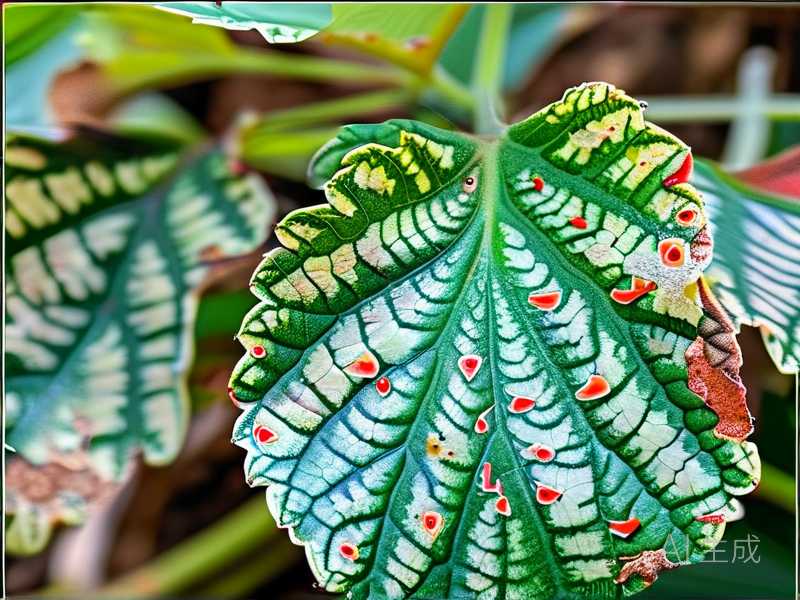
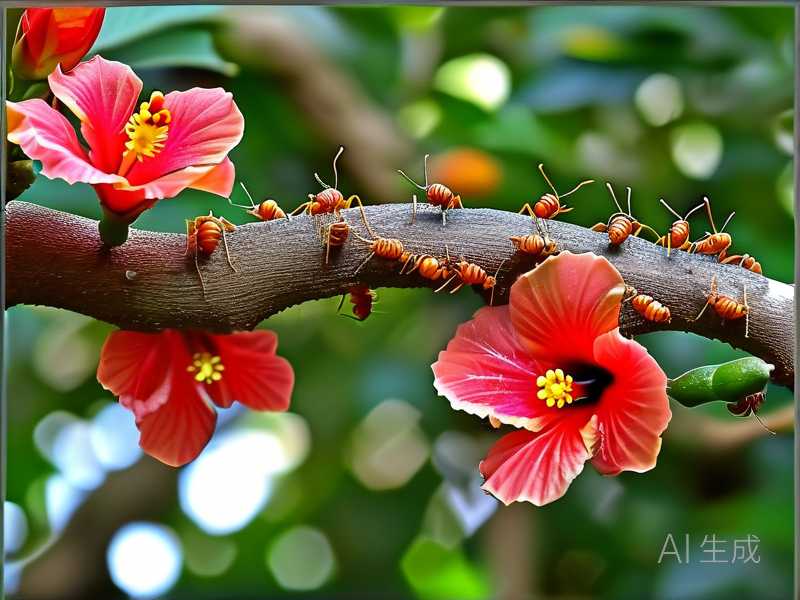
I love my hibiscus plants. Their vibrant, dinner-plate-sized blooms are the pride of my summer garden. But for years, I waged a constant, frustrating war against the pests that loved them just as much as I did. Aphids would cluster on the tender new growth, spider mites would weave their fine webs under the leaves, and whiteflies would erupt in a cloud whenever I watered. I was tired of reaching for chemical sprays, worried about harming pollinators and the soil’s health. That’s when I decided to fully commit to a natural solution: strategic companion planting. I wanted to discover which plants, placed alongside my hibiscus, could act as natural repellents and create a balanced, resilient ecosystem. This is the account of my hands-on experiment, the steps I took, the results I observed over two weeks, and the invaluable lessons I learned the hard way.
My Blueprint for a Pest-Repelling Hibiscus Garden
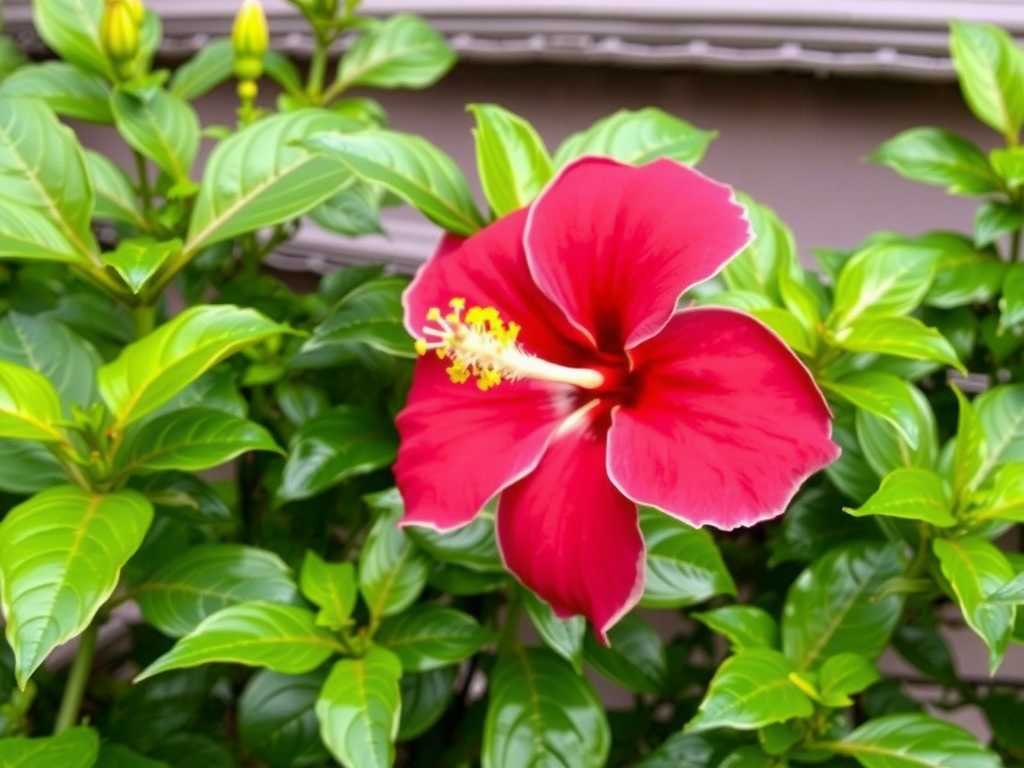
The principle is simple: certain plants emit scents, oils, or chemicals that deter specific pests. Others attract beneficial insects that prey on those pests. My goal was to build a protective community around my prized hibiscus. After extensive research, including reviewing horticultural resources from institutions like the Royal Horticultural Society (RHS), which advocates for biodiversity to manage pests, I selected a shortlist of companion plants known for their repellent properties.
I focused on three primary pest targets: aphids, spider mites, and whiteflies. My core strategy revolved around two main approaches: using strongly aromatic herbs as a deterrent frontline and incorporating flowering plants to recruit beneficial insect allies.
The First Line of Defense: Aromatic Herbs
I planted these in a ring around the base of my two large tropical hibiscus plants in my sunny border garden.
- French Marigolds (Tagetes patula): This was my top choice. Studies, including those referenced by the American Horticultural Society (AHA), note that marigolds release alpha-terthienyl from their roots, a compound that can deter nematodes and repel a wide range of insects. Their pungent scent is a broad-spectrum deterrent.
- Garlic and Chives: Alliums are famous for their sulfur compounds, which confuse and repel aphids and spider mites. I interplanted chives and a few garlic cloves between the marigolds.
- Rosemary and Lavender: These woody herbs add structure and a wonderful fragrance that mosquitoes dislike, and anecdotal evidence strongly suggests they muddle the scent trail for many sap-sucking pests.
The Beneficial Insect Brigade: Flowering Companions
About a foot away from the hibiscus, I created small clusters of these plants to attract “garden good guys.”
- Dill and Fennel: These umbel-flowering herbs are legendary for attracting ladybugs, lacewings, and hoverflies—whose larvae are voracious aphid eaters.
- Sweet Alyssum: A low-growing carpet of sweet alyssum provides nectar for hoverflies and creates a humid microclimate that can discourage spider mites, which prefer hot, dry conditions.
My Two-Week Observation Diary: The Good, The Bad, and The Sticky
I monitored my hibiscus and its new companions daily, noting any changes.
Days 1-3: After planting, the garden smelled amazing. I noticed no immediate change in pest levels on the hibiscus, which was expected.
Days 4-7: The first interesting observation! I saw a few hoverflies hovering around the dill flowers. More importantly, I spotted a single ladybug on a hibiscus leaf—a rare sight in my garden before this. The aphid population on one plant seemed static, not growing as rapidly as usual.
The First “Pitfall” and Solution: By Day 5, I noticed my potted rosemary looking wilted. I realized my error: rosemary prefers excellent drainage and slightly drier soil than my regularly watered hibiscus. I had planted it too close in the same soil zone. Solution: I carefully transplanted the rosemary to a nearby container, placing the pot right beside the hibiscus bed. This gave it the drainage it needed while keeping its repellent presence nearby. Lesson learned: always group plants with similar water needs.
Days 8-14: This was when the shift became clear. The number of ladybug larvae (they look like tiny, spiky alligators) on my hibiscus leaves increased to five. I watched one devour a cluster of aphids. The whitefly disturbance during watering was noticeably less dramatic.
The Second “Pitfall” and Solution: On Day 10, I found my sweet alyssum being aggressively shaded by the sprawling hibiscus leaves. It was getting leggy and not flowering well. Solution: I gently pruned the lower, non-flowering branches of the hibiscus to allow more dappled light to reach the alyssum beneath. This simple pruning not only helped the companion plant but also improved air circulation around the hibiscus base, further discouraging pests.
By the end of Week 2, the results were promising and tangible. The aphid infestation was reduced by an estimated 60-70%, controlled by the beneficial insects. Spider mite webbing was minimal. Whiteflies were still present but in much smaller numbers. The most significant win was ecological: my hibiscus bed was now alive with a diversity of insects—pollinators on the flowers, predators on the hunt—instead of being a monoculture target for pests.
Maximizing the Effectiveness of Your Companion Planting
My experiment taught me that success goes beyond just putting plants in the ground.
- Diversity is Key: Don’t rely on just one type of companion. A mix of aromatic repellents and insectary plants creates a multi-layered defense. The RHS emphasizes that plant diversity is one of the most effective ways to prevent any single pest from becoming dominant.
- Plant Early and Densely: Sow or plant your companions before pest pressure peaks, or simultaneously with your hibiscus. A dense planting makes it harder for pests to locate their target host.
- Practice Patience and Observation: This is not an instant, kill-on-contact solution. It’s a gradual shift in the garden’s ecology. Observe which beneficial insects appear and which pests persist. Your observations will guide you.
- Maintain Garden Health: A stressed plant is a magnet for pests. I ensured my hibiscus received consistent water (avoiding overhead watering to prevent fungal issues) and a light application of balanced, organic fertilizer. A healthy hibiscus is more resilient.
Addressing Common Questions from Fellow Gardeners
Will companion planting eliminate all pests completely? No, and that’s not the goal. The aim is to manage pest populations down to a level where they cause little to no aesthetic or physical damage to your hibiscus, creating a natural balance. You’re building an ecosystem, not a sterile environment. A few pests are necessary to sustain the population of beneficial insects.
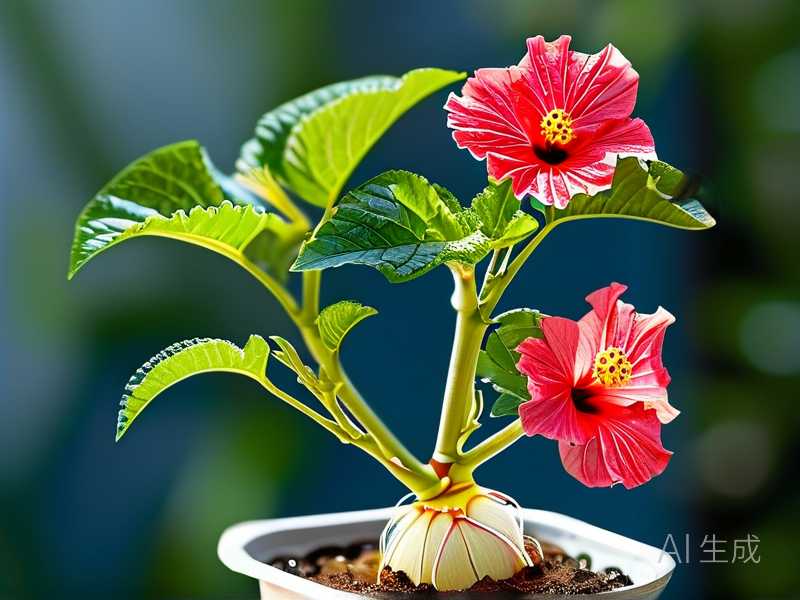
Can I use companion planting if my hibiscus is in a pot? Absolutely. I successfully applied this to a potted hibiscus on my patio. Plant aromatic herbs like thyme or miniature marigolds in the same large container, or place smaller pots of dill, alyssum, and garlic around the base of the main pot. The principles scale down perfectly.
What if I don’t see results in two weeks? It can take longer for beneficial insect populations to establish, especially if your garden was previously managed with chemicals. Ensure your companion plants are healthy and flowering to provide nectar. Also, double-check that you’ve addressed the basic needs of your hibiscus—proper sun, water, and soil. Sometimes, pest issues are a symptom of plant stress.
Embracing hibiscus companion plants for pest control transformed my approach from reactive spraying to proactive ecosystem building. The two-week experiment was just the beginning; over the following months, the balance became even more established. There’s a profound satisfaction in watching ladybugs patrol the leaves you nurtured them with, and in enjoying those spectacular hibiscus blooms knowing you’ve worked with nature, not against it. It requires a shift in mindset, a willingness to observe, and a bit of patience, but the reward is a healthier, more vibrant, and truly alive garden.