bluename
 Hibiscus Humidity Needs in Dry Winter: Indoor Mist Hacks
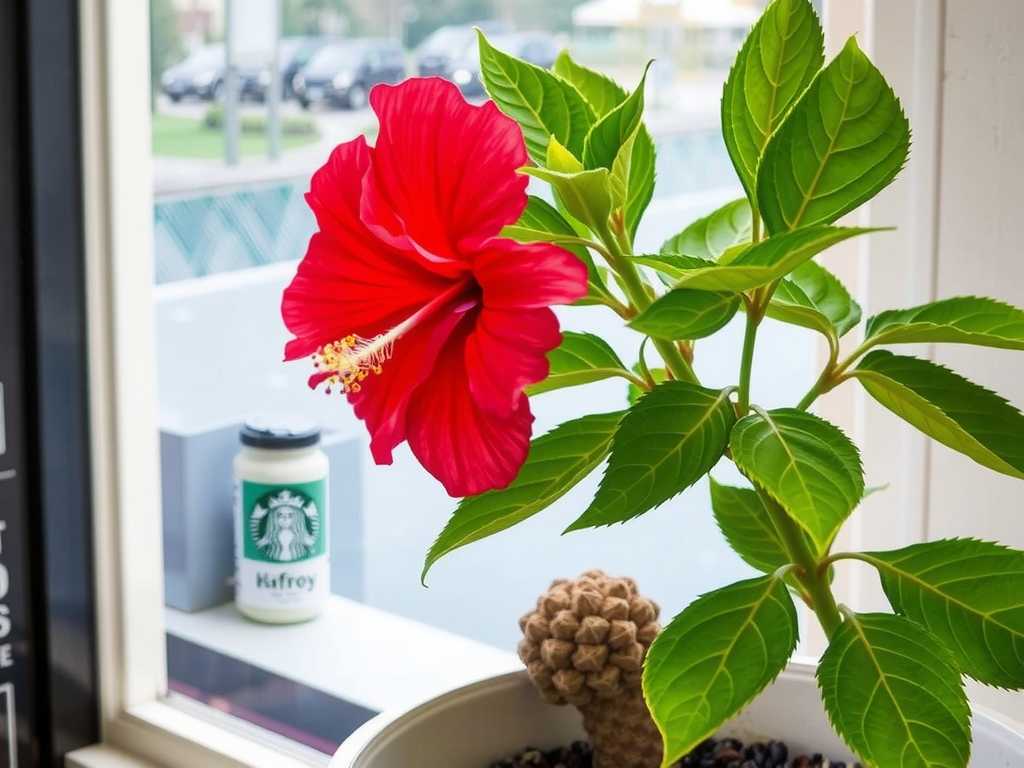
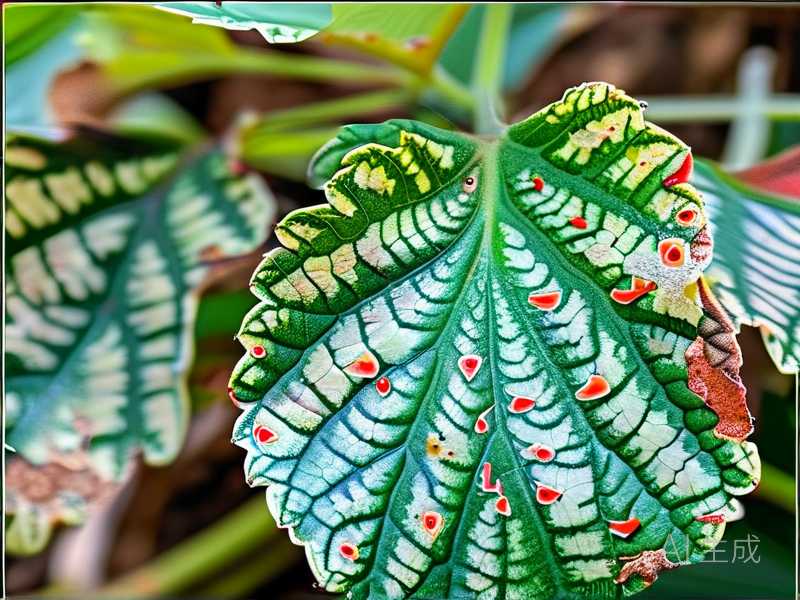
Winter has always been a tense season for me and my collection of tropical hibiscus plants. As the furnace kicks in, the air in my home becomes as dry as a desert. I’d watch with a sinking heart as my once-vibrant hibiscus leaves developed those telltale crispy, brown edges, buds would drop before opening, and the overall plant vigor seemed to drain away. I knew the culprit was low humidity, but simply placing a humidifier in the room felt like an incomplete solution. I needed targeted, effective strategies that worked directly for my plants. So, I embarked on a focused, two-week experiment to master indoor misting and humidity hacks specifically for hibiscus during the dry winter months. What I learned transformed my winter plant care routine.
Understanding the "Why": Hibiscus and Its Thirst for Moist Air
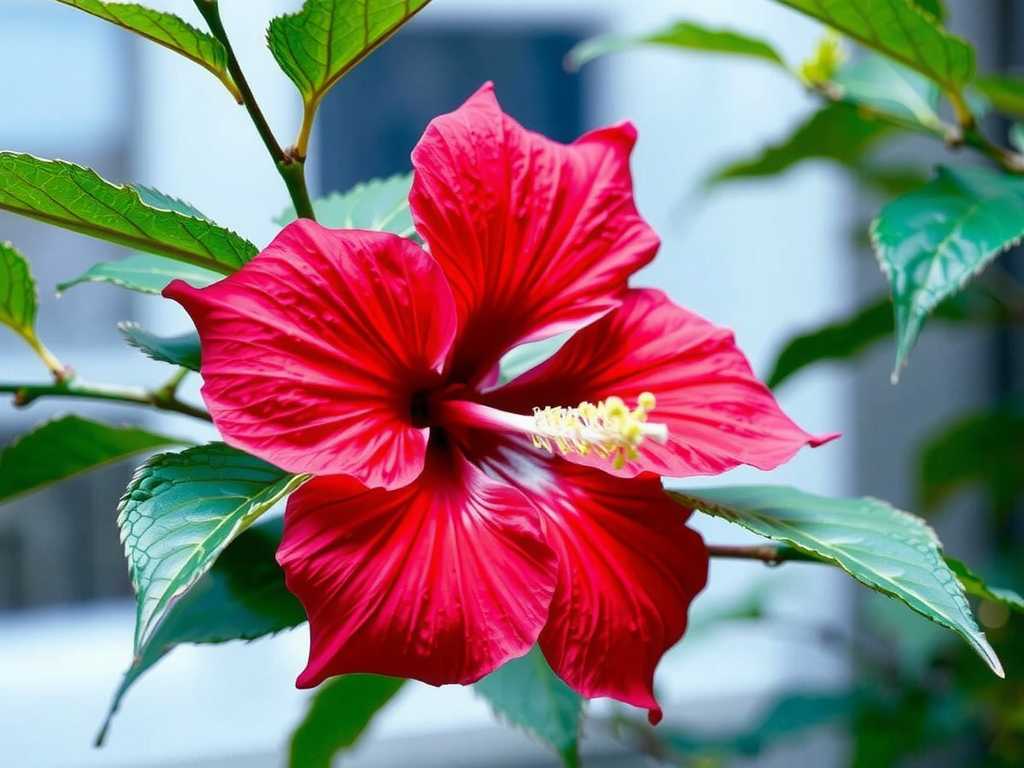
Before diving into solutions, it's crucial to understand the problem. Native to warm, humid climates, hibiscus plants have adapted to thrive in moisture-rich air. The Royal Horticultural Society (RHS) notes that many tropical plants, including hibiscus, prefer a relative humidity of 50-60% or higher. Indoor winter humidity can plummet to 10-30%, creating significant stress. Dry air accelerates moisture loss through the leaves (transpiration) faster than the roots can absorb water, leading to dehydration symptoms like leaf scorch and bud blast.
My goal was clear: to create a localized humid microclimate around my hibiscus without making my entire living space damp or promoting fungal diseases on the foliage.
My 2-Week Humidity Hack Experiment: A Step-by-Step Journey
I selected two of my most humidity-sensitive hibiscus varieties as test subjects: a 'Red Dragon' and a 'White Chiffon'. I moved them to a bright, east-facing bathroom (for natural light and easier humidity control) and committed to a daily monitoring log.
Week 1: The Foundation – Beyond Basic Misting
I started with the most common advice: misting. But I quickly learned that a quick spray is almost useless.
- Hack #1: The Timed, Targeted Mist. Instead of a casual spritz, I began using a fine-mist spray bottle with room-temperature, filtered water. Every morning around 10 AM, I would thoroughly mist the undersides of the leaves, where the stomata (pores) are located. I avoided soaking the flowers and buds. I also lightly misted the air around the plant. The initial effect was a temporary perk-up, but by afternoon, the leaves felt dry again.
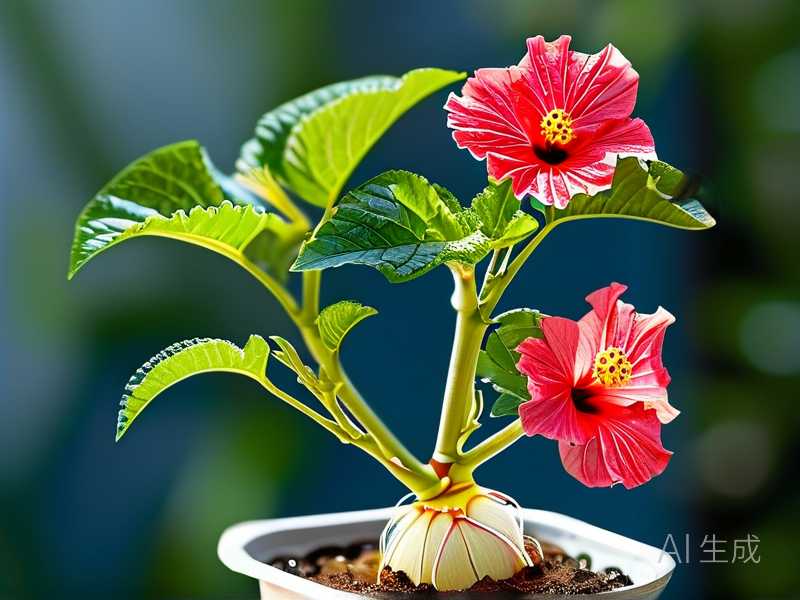
- The "Pebble Tray" Upgrade (My Favorite Hack). This was a game-changer. I placed shallow trays filled with pebbles or lava rocks underneath each pot, ensuring the pot sat above the water line (to prevent root rot). I kept the trays filled with water. As the water evaporates, it creates a constant, gentle bubble of humidity directly around the plant. According to the American Horticultural Society (AHA), pebble trays are a simple and effective way to increase local humidity for houseplants. Within three days of implementing this, I noticed the newest leaves on both plants looked turgid and healthy, with no further browning on existing leaf edges.
- The First "Pitfall" and Fix: I initially used decorative gravel that wasn't very porous. Evaporation was slow. I swapped it for lava rocks, which have a larger surface area and increased evaporation dramatically. Monitoring Note (Day 5): Humidity meter readings showed the immediate area around the pebble-tray plants consistently held 45-55% humidity, a significant jump from the room's 25%.
Week 2: Advanced Microclimate Techniques
Encouraged by the pebble tray success, I introduced more advanced tactics.
- Hack #2: Strategic Grouping. I moved my other humidity-loving plants (a peace lily and a fern) closer to the hibiscus. Grouping plants together allows them to create a shared humid zone through collective transpiration. It’s a community effort!
- Hack #3: The "Shower Steam" Boost. On particularly dry days, I would run a hot shower for a few minutes with the bathroom door closed, then turn it off and leave the plants in the resulting steam-filled room for about 30 minutes. This provided a deep, humid treat. Crucial Tip: I always ensured the plants were not directly under dripping water or in a cold draft when I opened the door.
- The Second "Pitfall" and Fix: I got overzealous with misting one evening. Combined with cooler night temperatures and poor air circulation, I saw the early signs of powdery mildew—a white, powdery substance—on one leaf. I immediately removed the affected leaf, increased airflow with a small, oscillating fan set on low at a distance, and switched to morning-only misting to allow leaves to dry fully during the day. This resolved the issue promptly.
The Results: A Visual and Measurable Transformation
After the full two weeks, the difference was undeniable.
- Leaf Health: Completely halted the progression of crispy, brown leaf margins. New growth emerged supple and flawlessly green.
- Bud Retention: My 'White Chiffon,' which had dropped three buds in the week before the experiment, held onto and successfully opened two beautiful flowers during the second week.
- Overall Vigor: The plants simply looked happier. Leaves were perky, and the deep green color returned.
The combination of consistent pebble tray use and strategic morning misting proved to be the most effective and sustainable routine. The shower steam was a great weekly booster, and plant grouping provided a stable baseline.
Addressing Your Top Hibiscus Humidity Concerns
Can misting alone provide enough humidity for my hibiscus in winter? In most centrally heated homes, no. Misting offers a very temporary boost, often lasting less than an hour. For meaningful impact, it must be part of a system that includes a constant source of evaporation like a pebble tray or a humidifier. Think of misting as a refreshing drink, while pebble trays or humidifiers provide a steady, hydrating environment.
I’m worried about fungal diseases from misting. How do I avoid this? Your concern is valid. The key is timing and technique. Always mist in the morning so leaves have the entire day to dry. Use a fine mist and target the undersides of leaves rather than drenching the top surfaces. Most importantly, ensure good air circulation around your plant with a gentle fan. Avoid misting in the evening when temperatures drop and moisture sits on the leaves overnight.
What is the ideal humidity level, and how can I measure it? Aim for 50-60% relative humidity around your hibiscus. The most reliable way to know your conditions is to use a digital hygrometer. These inexpensive devices can be placed near your plant cluster to give you accurate readings. This takes the guesswork out of your care and lets you know if your hacks are truly working.
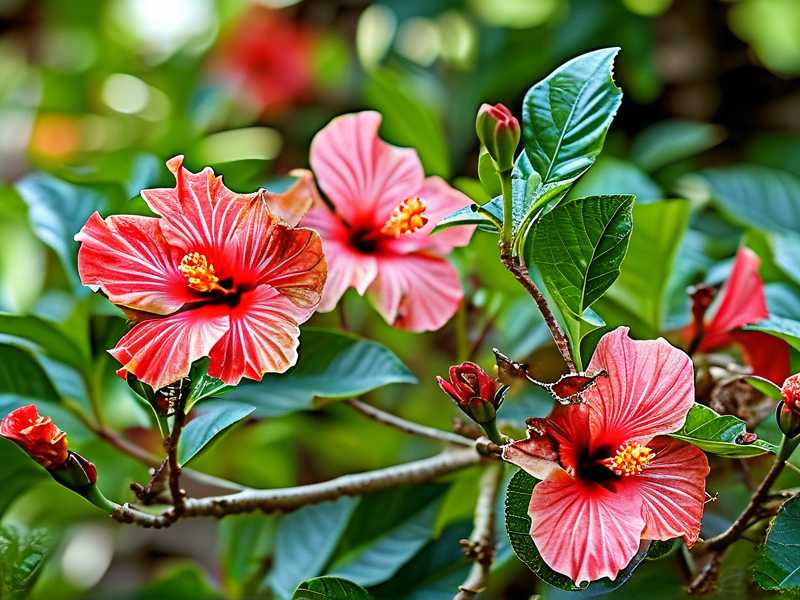
Mastering your hibiscus humidity needs in winter is about consistent, smart microclimate management. It’s not about a single magic bullet but about layering simple, effective techniques. By observing your plant, avoiding common pitfalls like over-misting at night, and employing focused hacks like the pebble tray, you can replicate the tropical humidity your hibiscus craves. The reward is a thriving, blooming plant that defies the dry winter gloom, bringing a vibrant splash of the tropics right into your home.