bluename
 How to Grow Hibiscus for Cut Flowers: Harvesting & Care Tips
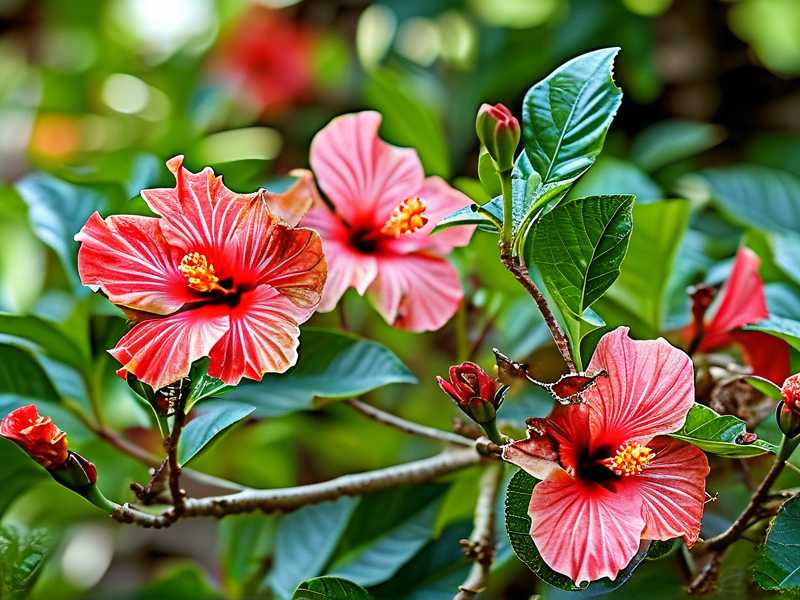
You've admired the stunning, dinner-plate-sized blooms of tropical hibiscus and dreamed of bringing that vibrant elegance indoors. Yet, every time you try, the flowers wilt within hours, or your plant refuses to produce those perfect, vase-ready blossoms. This frustration is common. Growing hibiscus specifically for cutting requires more than just basic gardening; it's about understanding the precise timing, techniques, and care that transform a garden plant into a prolific source of long-lasting floral art. This guide will walk you through the entire process, from selecting the right varieties to mastering the cut that ensures your hibiscus flowers dazzle for days.
Choosing the Best Hibiscus Varieties for Cutting
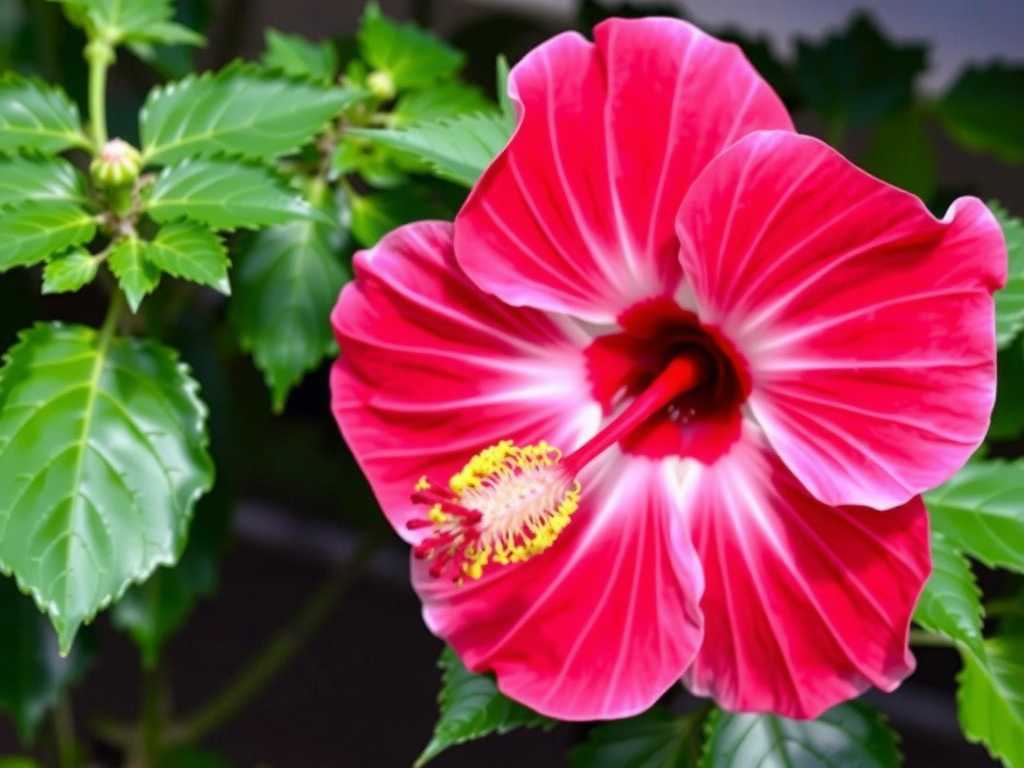
Not all hibiscus are created equal for the vase. While the iconic tropical hibiscus (Hibiscus rosa-sinensis) offers breathtaking colors, its individual flowers often last just one day. For a more enduring cut flower, focus on these types:
- Hardy Hibiscus (Hibiscus moscheutos and hybrids): Often called "dinner plate" hibiscus, these perennial plants are champions for cutting. Their massive, vibrant flowers (in shades of red, pink, white, and bicolors) can reach up to 12 inches across. Crucially, each bloom typically lasts 2-3 days on the plant and, when cut correctly, can persist almost as long in a vase. Their sturdy stems and substantial presence make them ideal for dramatic arrangements.
- Hybrid Tropical Varieties: Breeders have developed specific tropical hibiscus cultivars with improved longevity. Look for varieties described as having "good keeping quality" or that are promoted for floral use. These may offer more robust petals and slightly extended bloom life compared to traditional types.
When selecting plants, prioritize health and bud count over immediate blooms. A plant laden with buds promises a continuous harvest.
Essential Growing Conditions for Prolific Blooms
Abundant, high-quality flowers start with optimal plant health. Hibiscus are sun-worshippers and nutrient-hungry plants.
- Sunlight is Non-Negotiable: Provide a minimum of 6-8 hours of direct, full sun daily. More sun translates directly to more flower buds. Insufficient light leads to sparse blooming and weak stems.
- Soil and Feeding Strategy: They thrive in rich, well-draining soil. As noted by horticulturists at the American Hibiscus Society, a consistent feeding schedule is critical for sustained blooming. Use a balanced, water-soluble fertilizer with a slightly higher potassium content (e.g., a 10-10-14 or 12-4-18 formula) every 2-3 weeks during the active growing season. Potassium strengthens stems and enhances flower quality.
- Consistent Watering: Keep the soil consistently moist but never waterlogged. Deep, regular watering is far better than frequent sprinkles. Drought stress will cause bud drop—the heartbreaking loss of your future cut flowers.
The Art of Harvesting Hibiscus Flowers
This is the most critical step where timing and technique make all the difference. The goal is to cut the flower at the precise moment it will continue its opening process in the vase, maximizing its lifespan.
- The Perfect Timing: The best time to harvest hibiscus flowers is in the cool of the morning, just after the dew has dried. The plant is fully hydrated, and the flowers are under less heat stress. Avoid cutting during the heat of the day when blooms are transpiring heavily.
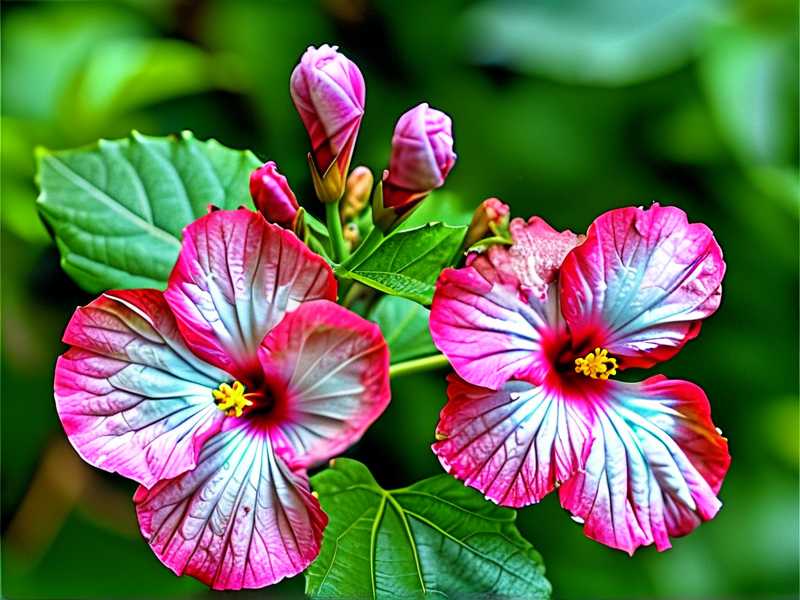
- Identifying Harvest-Ready Buds: Don't wait for the flower to fully open on the plant. Instead, look for buds that are soft, fully colored, and just beginning to crack open, showing a glimpse of the petals inside (the "candle stage"). A bud harvested too tight may never open.
- The Cutting Technique: Always use sharp, clean pruning shears or floral snips. Dull tools crush the vascular system, hindering water uptake. Cut the stem at a 45-degree angle, about 6-8 inches below the flower bud. The angled cut increases the surface area for water absorption. Immediately place the cut stem into a bucket of lukewarm water.
Post-Harvest Care for Maximum Vase Life
What you do in the first hour after cutting determines the flower's longevity.
- Conditioning is Key: As soon as you bring your cuttings indoors, re-cut the stems under lukewarm water. This prevents air bubbles from blocking the stem's water channels. Remove all leaves that will fall below the waterline in the vase to prevent bacterial growth.
- The Hydration Boost: For best results, use a commercial floral preservative. These packets contain biocides to keep water clean, acidifiers to optimize water pH, and sugars to nourish the flower. Let the stems hydrate deeply in this solution for several hours in a cool, dark place before arranging.
- Arranging and Maintenance: Use a clean vase. Keep your arrangement away from direct sunlight, heating vents, ripening fruit (which emits ethylene gas), and drafts. Change the water and re-cut the stems every other day to maintain freshness.
Encouraging More Blooms for Continuous Harvest
To turn your hibiscus into a cut-flower factory, you must encourage continuous production.
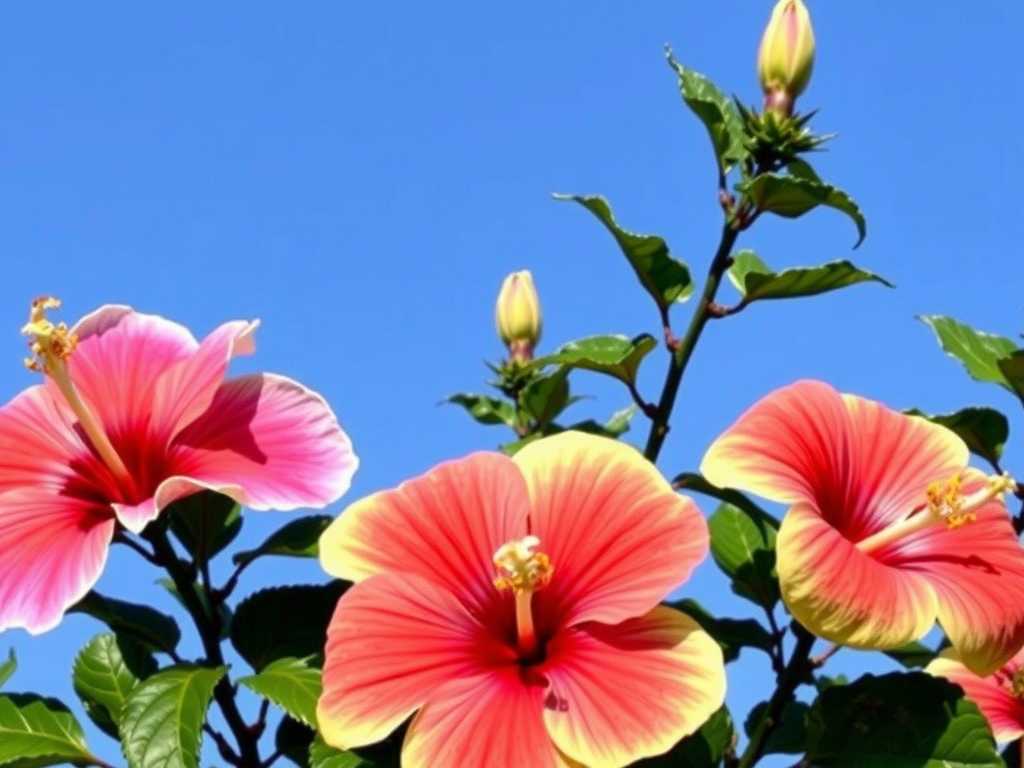
- Deadheading and Pruning: The single most effective practice is diligent deadheading. Once a flower fades, cut its stem back to just above a leaf node or a side shoot. This signals the plant to produce new flowering branches instead of spending energy on seed production. In early spring, give hardy hibiscus a hard prune to promote bushy, strong growth.
- Seasonal Maintenance: For tropical hibiscus in containers, root pruning and repotting every 2-3 years in spring can rejuvenate blooming vigor. Protect hardy hibiscus with a thick mulch in winter to ensure a strong return.
Common Questions About Growing Hibiscus for Cuts
Why do my cut hibiscus flowers wilt and fall so quickly? This is usually due to one of three issues: harvesting a bloom that is already fully open on the plant, cutting with dull tools that crush stems, or not using floral preservative. The flower's lifespan is largely determined at the moment of cutting. Ensure you're cutting plump, colored buds in the morning and conditioning them immediately.
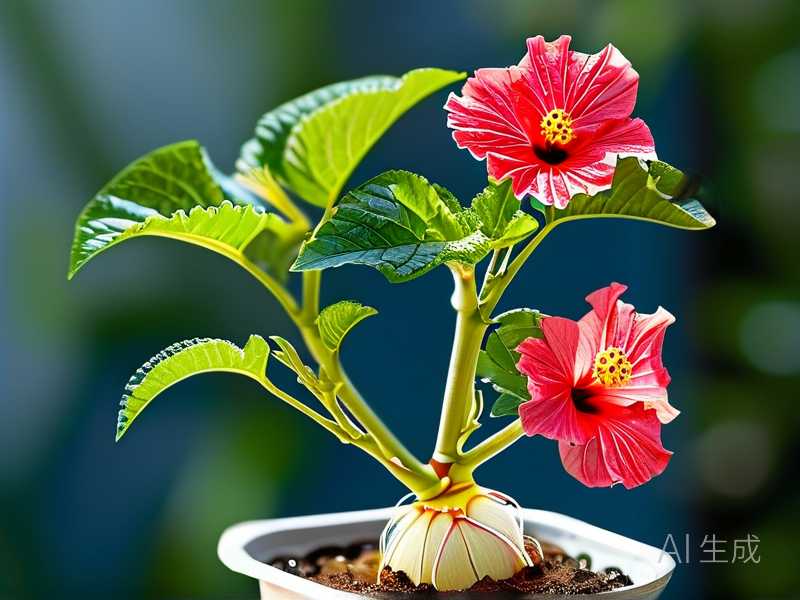
Can I grow hibiscus for cut flowers in pots? Absolutely. Container growing is excellent for tropical hibiscus, allowing you to move plants for optimal sun and shelter. Choose a large pot (at least 12-14 inches) with excellent drainage, use a high-quality potting mix, and be vigilant about watering and feeding, as nutrients leach from pots more quickly.
How often can I cut flowers from my hibiscus plant? During the peak summer bloom period, you can harvest flowers every 2-3 days from a mature, healthy plant. Consistent harvesting through deadheading actually stimulates more blooms. Avoid removing more than one-third of the plant's total foliage and buds at any one time to prevent stress.
With the right varieties, diligent care, and most importantly, mastering the harvest, your hibiscus can become a breathtaking and generous source of cut flowers. It transforms from a garden specimen into an interactive partner in creating beauty. The sight of those magnificent, self-grown blooms gracing your home is the ultimate reward for your precise care and timely cuts.