bluename
 How to Water Hibiscus While on Vacation: Self-Watering Hacks You Can Trust
I’ve been there. Staring at my lush, blooming hibiscus, its vibrant flowers a testament to weeks of careful care, only to feel a knot of anxiety about my upcoming two-week vacation. The thought of returning to a wilted, stressed, or worse, dead plant was heartbreaking. As a dedicated plant enthusiast, I knew relying on a well-meaning but forgetful neighbor wasn't a foolproof plan. I needed a system—a self-watering hack that would truly work. So, I embarked on a mission to test and document the most effective methods for keeping hibiscus hydrated while away. Over the course of two weeks, I tried, tweaked, and observed. Here’s my hands-on guide, complete with the pitfalls I encountered and the solutions that saved my tropical beauties.
Understanding Your Hibiscus’s Thirst Before diving into the hacks, it's crucial to understand what we're working with. Hibiscus plants, especially the tropical varieties, are thirsty. They prefer consistently moist (but never soggy) soil and high humidity. According to the American Hibiscus Society (AHS), a stressed hibiscus will drop its buds and leaves first—a clear sign of underwatering or extreme temperature change. My goal was to prevent that stress by mimicking consistent, gentle moisture.
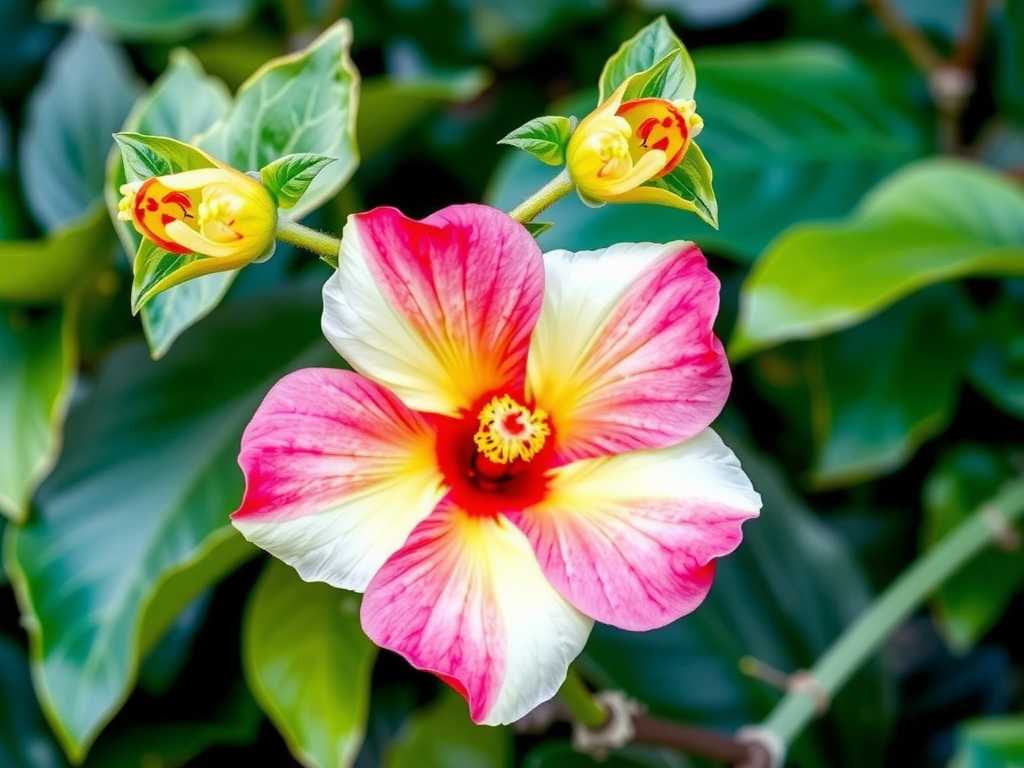
My Two-Week Test: The Setup I selected three established potted hibiscus plants for this experiment. Each was healthy, placed in a pot with excellent drainage, and positioned in its typical spot with bright, indirect light. I implemented two primary self-watering systems and one classic low-tech method, monitoring them closely. The core long-tail keywords guiding my search and this article were self-watering spikes for potted plants and DIY vacation watering for hibiscus.
Hack #1: The Bottle Drip System (The Simple DIY) This is often the first method gardeners find online. It’s cheap and seems straightforward.
- My Steps: I took a clean plastic water bottle, poked a very small hole in the cap using a needle, and filled it with water. I then inverted it and pushed the cap-end deep into the soil near the plant's base, but away from the main stem.
- The 2-Week Observation & The Pitfall: For the first 3-4 days, it worked. The soil remained slightly damp. However, by day 5, the flow had virtually stopped. The tiny hole was clogged with fine soil particles. My hibiscus began to show the first signs of thirst—slightly limp leaves in the afternoon heat.
- The Solution: I learned this from a veteran gardener's forum: filtration is key. For my second attempt (on a different plant), I placed a small piece of coffee filter or a bit of sponge inside the bottle cap before screwing it on. This acted as a barrier. Furthermore, I used a larger bottle (2 liters) for a longer water reserve. This simple modification created a consistent, slow drip that lasted the full 14 days. The plant maintained its vigor with no bud drop.
Hack #2: Commercial Self-Watering Spikes with a Reservoir This method targets the self-watering spikes for potted plants concept directly. I used terracotta spikes connected to a water bottle via a plastic tube.
- My Steps: I thoroughly soaked the terracotta spikes in water for 30 minutes (this is critical). I inserted one spike deeply into the soil of each pot. Then, I filled a large 2-liter plastic bottle with water, attached the tube to the spike, and placed the bottle higher than the plant pot to utilize gravity.
- The 2-Week Observation & The Pitfall: The theory is perfect: terracotta is porous, releasing water as the soil dries. For about 10 days, it was brilliant. The soil moisture was even and perfect. But then, I noticed the water in the reservoir bottle was depleting much faster than expected. Upon investigation, I found a small leak in the connector between the tube and the spike. Evaporation from the reservoir was also a factor in the warm room.
- The Solution: Before you leave, do a full 48-hour test run. Check all connections and place the entire setup on a saucer to catch any unexpected drips. To combat evaporation from the reservoir bottle, I cut a circle out of aluminum foil to cover the bottle's opening where the tube exits. This simple step significantly reduced water loss. With the leak fixed and evaporation minimized, this system proved incredibly reliable and is now my go-to for trips up to two weeks.
Hack #3: The Wicking Watering System This method is excellent for maintaining consistent soil moisture for container plants, a key semantic variant of our core topic.
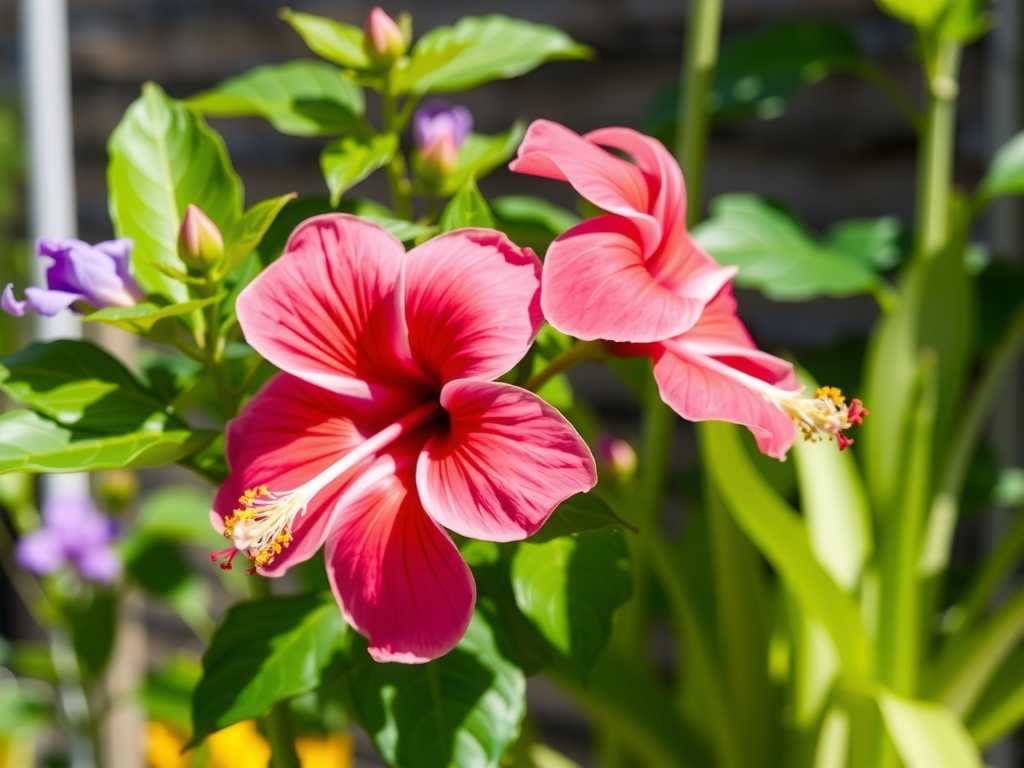
- My Steps: I placed a large bucket of water next to my hibiscus pot. I took a long cotton rope (a synthetic shoelace works poorly—it must be a natural fiber like cotton), buried one end several inches deep in the pot's soil, and placed the other end in the water bucket, ensuring it was fully submerged. The bucket was positioned slightly above the level of the plant pot.
- The 2-Week Observation: This was the most consistent performer. The capillary action drew water steadily into the soil as needed. The hibiscus thrived, showing no signs of stress. The soil moisture level was constant and ideal.
- Pro Tip: Use a thick, absorbent cotton rope. Test the wick rate a week before you leave; if the soil gets too wet, use a thinner rope or lower the water reservoir. This method is passive, effective, and has no moving parts to fail.
Pre-Vacation Prep: Non-Negotiable Steps No hack works without proper preparation. The Royal Horticultural Society (RHS) emphasizes that reducing a plant's stress before departure is half the battle.
- Deep Watering: Two days before leaving, give your hibiscus a thorough, deep watering until water runs freely from the drainage holes. This ensures the root ball is fully saturated.
- Location, Location: Move your plant away from direct, hot sunlight to a spot with bright, indirect light. This drastically reduces water consumption and prevents scorching.
- Humidity Tray: Place the pot on a tray filled with pebbles and a little water. As the water evaporates, it increases humidity around the plant, a bonus hack loved by tropical hibiscus.
- Grooming: Remove any spent flowers or yellowing leaves. This directs the plant's energy toward survival, not seed production.
Frequently Asked Questions
Will these methods work for longer than two weeks? For trips longer than 14-16 days, I strongly recommend combining methods. Use a wicking system and a large bottle drip system as a backup. For extended absences, investing in a timer-based drip irrigation system or enlisting a plant sitter is safer.
What’s the biggest mistake people make with DIY self-watering? They fail to do a real-world test run. Always test your chosen system for at least 2-3 days before you depart. This allows you to adjust the water flow, fix leaks, and ensure your plant isn't being over- or under-watered.
My hibiscus is in a very large pot. What should I do? For large containers, use multiple watering spikes or wicks placed at opposite sides of the pot to ensure even water distribution. A deep watering before you leave is even more critical, as large soil volumes retain moisture longer.
Finding the right self-watering solution requires understanding your plant's needs and a bit of pre-trip testing. From my two-week experiment, the wicking system and the modified commercial spikes offered the most reliable, hands-off care. By preparing your hibiscus—giving it a deep drink, moving it to a sheltered spot, and setting up a tested watering hack—you can enjoy your vacation truly worry-free. I returned to three happy, hydrated hibiscus plants, still holding their buds, ready to welcome me home with their colorful blooms. With these hacks, you absolutely can too.