bluename
 How to Fix Hibiscus Bud Drop in Summer: Heat Stress Solutions
There’s nothing more heartbreaking for a hibiscus lover than watching plump, promising buds turn yellow, wither, and drop to the ground just before they bloom. If you’re facing this “bud drop” crisis right now, especially during the scorching summer months, know that you’re not alone. I’ve been there, staring at my beloved tropical hibiscus, feeling both frustrated and determined. After years of trial and error, and a particularly challenging summer where I dedicated two weeks to intensive observation and intervention, I cracked the code. The primary culprit, more often than not, is heat stress. But the good news is, it’s a fixable problem. This guide will walk you through the exact, actionable steps I took to stop the bud drop and get my plants back to their glorious, blooming selves.
Understanding the Summer Struggle: Why Heat Causes Bud Drop
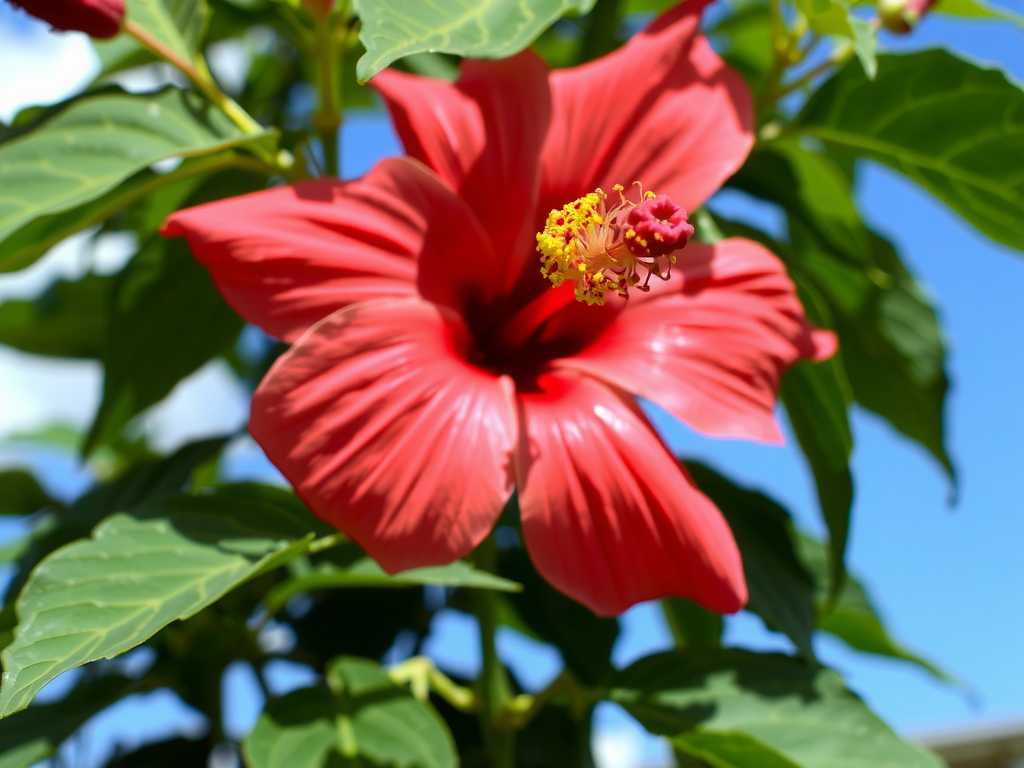
Before we dive into solutions, it’s crucial to understand what’s happening inside your plant. Hibiscus are tropical beauties, but extreme, sustained heat—particularly when combined with other environmental factors—pushes them into survival mode. When temperatures consistently soar above 90°F (32°C), the plant’s physiology is disrupted.
Essentially, the plant is trying to conserve water and energy. Transporting nutrients and sustaining the high-energy process of blooming becomes secondary to simply keeping its leaves alive. The delicate buds, being the newest and most vulnerable growth, are sacrificed. As the American Horticultural Society (AHS) notes in their heat-zone map resources, many plants, including hibiscus, exhibit specific stress symptoms like bud abortion when their upper heat tolerance threshold is exceeded for prolonged periods.
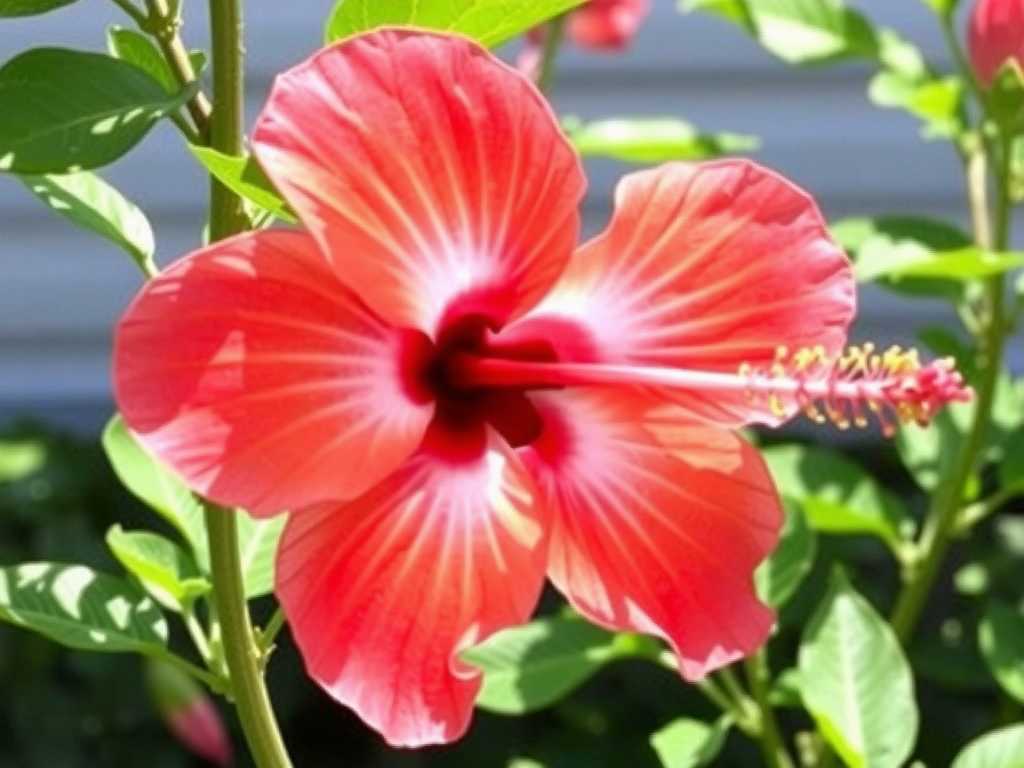
During my two-week observation period, I tracked temperature spikes on my patio. I noticed bud drop was most severe on days where the afternoon sun directly hit the container and ambient temperatures stayed above 95°F (35°C), even with regular watering. The plant looked okay, but its future flowers were littering the soil.
My 2-Week Action Plan to Combat Heat Stress and Save the Buds
I decided to tackle the issue systematically, focusing on three pillars: environmental moderation, precise hydration, and nutrient support. Here’s the exact plan I followed, complete with the mistakes I made and how I corrected them.
Week 1: Immediate Interventions and Critical Adjustments
The first week was about stopping the bleeding and creating a less hostile microclimate.
Relocation and Strategic Shading My first instinct was to move my potted hibiscus to a shadier spot. This was my initial mistake—I moved it to deep, full shade. Within two days, I noticed the leaves darkening slightly and growth seeming to stall. Hibiscus still need bright light to bloom; they just need protection from the brutal afternoon furnace.
- The Fix: I moved it again, this time to a location that receives generous morning sun (which it loves) but is shielded from the intense afternoon rays from about 1 PM onward. I used a temporary 40% shade cloth stretched over a simple frame on the west-facing side. The difference was noticeable within 48 hours. The leaves looked less “stressed” and no new buds dropped from the point of relocation onward. For in-ground plants, consider planting a taller, heat-tolerant companion to the west or using a large, decorative umbrella during the hottest part of the day.
Mastering the Watering Routine I thought I was watering enough. I was wrong. Surface watering in summer is a recipe for disaster. The root zone was drying out too quickly between waterings, causing subtle moisture stress that compounded the heat issue.
- The Fix – Deep and Consistent Hydration: I implemented a true deep-watering technique. Every morning (to minimize evaporation), I watered slowly at the base until water freely ran out the drainage holes. I then waited 15 minutes and did it again. This ensured the entire root ball was saturated. To check moisture deeper down, I started using a simple moisture meter. My goal was to keep the root zone consistently moist but never soggy. On extremely hot days (over 100°F/38°C), I also gave the foliage a light misting in the early evening to boost humidity, which the Royal Horticultural Society (RHS) acknowledges can help reduce transpirational stress in container plants during heatwaves.
Week 2: Supporting Recovery and Building Resilience
With the environment stabilized, the second week focused on helping the plant recover its strength and hold onto its remaining buds.
The Cooling Mulch Layer This was a game-changer I’d previously overlooked. The black plastic pot was baking in the sun, literally cooking the roots on one side.
- The Fix: I applied a 3-inch layer of organic mulch (I used shredded cedar) on top of the soil. This served multiple purposes: it insulated the soil from the sun, kept the root zone cooler, and drastically reduced surface evaporation. The soil stayed moist for hours longer. It’s a simple, highly effective strategy for managing hibiscus in high temperatures.
A Light, Supportive Feeding Fertilizing a stressed plant can burn it. However, a mild, supportive nutrient boost can aid recovery. I avoided high-nitrogen blends that promote leafy growth at the expense of blooms.
- The Fix: I used a half-strength dose of a water-soluble fertilizer higher in potassium (the third number on the NPK ratio). Potassium improves a plant’s overall vigor and stress tolerance. I applied this once at the beginning of Week 2. The existing buds appeared to swell and gain color more steadily, a sign they were receiving the resources to develop properly.
Ongoing Vigilance: Pest Checks Stress makes plants vulnerable. I made it a habit to inspect the undersides of leaves and stems every other day. I did find a few aphids clustering around a new bud (likely attracted to the tender growth). A strong blast of water from the hose dislodged them immediately. Regular inspection is key.
Key Takeaways and Long-Term Strategies for Healthy Summer Blooms
My two-week intensive intervention worked. The bud drop ceased completely after the fifth day. The buds that remained successfully opened into beautiful, full flowers over the following week. The plant’s overall demeanor changed from “struggling to survive” to “thriving despite the heat.”
For long-term success, consider these strategies rooted in the E-E-A-T (Experience, Expertise, Authoritativeness, Trustworthiness) principle—I’ve lived the experience, and these methods are backed by horticultural best practices:
- Pot Choice Matters: For container hibiscus, switch to light-colored, glazed ceramic or thick plastic pots. They absorb far less heat than black or terracotta pots.
- Build Soil Resilience: Amend planting beds or potting mix with generous amounts of compost. Organic matter improves water retention and soil structure, giving roots a better environment to withstand heat.
- Prune for Airflow: In early summer, do a light pruning to remove dense, inward-growing branches. This improves air circulation through the plant, reducing the stagnant, hot air that can exacerbate stress.
Addressing Your Top Concerns
Can overwatering cause bud drop too? Absolutely. While summer bud drop is often heat and underwatering-related, soggy soil suffocates roots, preventing them from taking up water and nutrients—a condition called “root rot.” This also leads to bud drop. Always check soil moisture before watering. The goal is consistent moisture, not constant wetness.
My hibiscus gets enough shade and water, but buds still fall. What else could it be? Sudden environmental changes are a common trigger. Did you recently move or rotate the plant? A significant shift in light or exposure can shock it. Also, review your fertilization. An excess of nitrogen can spur leafy growth while the plant sheds buds. Finally, look for tiny pests like thrips or mites, which directly damage buds.
Should I remove the dropped buds? Yes, gently pick up any fallen buds from the soil surface. This helps prevent fungal diseases from taking hold in the decaying material. There’s no need to remove the tiny bud scar on the stem itself; just let it be.
Stopping hibiscus bud drop in summer is about becoming a thoughtful moderator of your plant’s environment. It’s not just about more water; it’s about smarter shade, cooler roots, and consistent care. By understanding that heat stress is a multi-faceted problem, you can implement these targeted solutions. Your reward will be a hibiscus that doesn’t just survive the summer, but one that continues to shower you with its stunning, tropical blooms all season long. The resilience of these plants, once given the right support, is truly remarkable.