bluename
 Hardy Hibiscus Pruning for Winter: Cut Back Without Killing
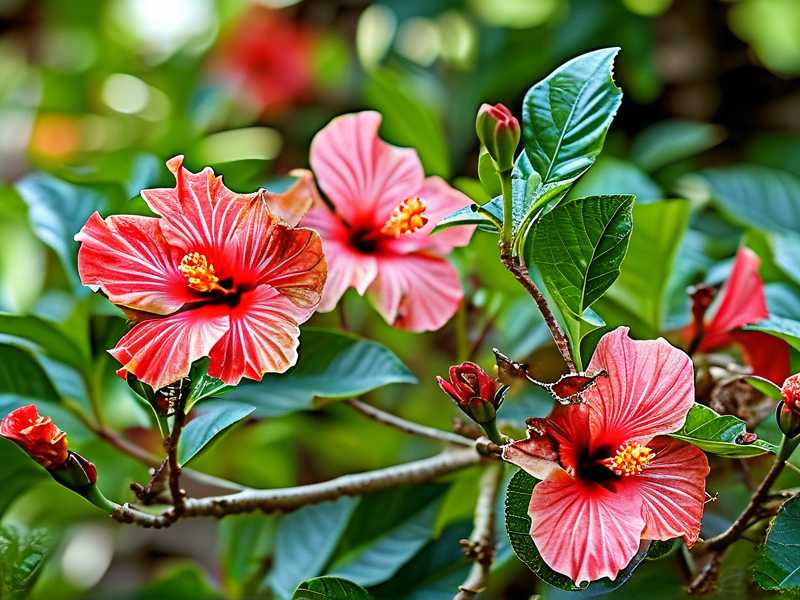
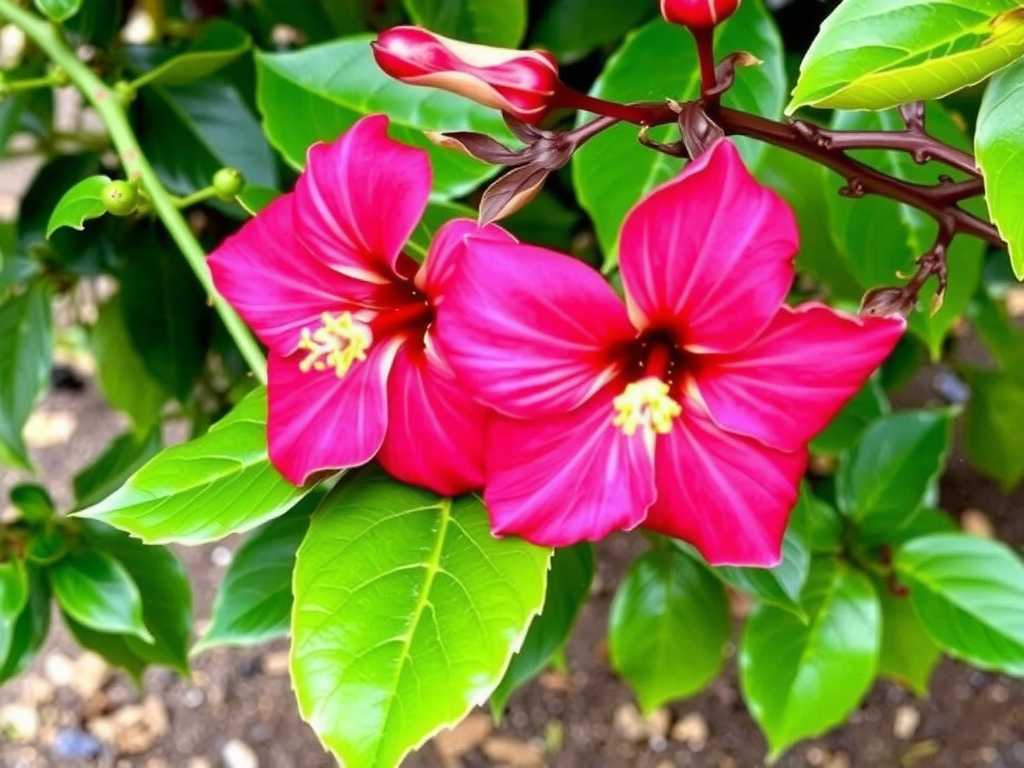
I love the dramatic, dinner-plate-sized blooms of my hardy hibiscus. They’re the undisputed stars of my late summer garden. But as the first chill whispers through the air, a familiar anxiety creeps in: how do I put these tropical-looking giants to bed for the winter without accidentally sentencing them to death? If you’ve ever stared at those woody stems in late fall, shears in hand, paralyzed by the fear of over-pruning, you’re exactly where I was. The good news? After years of trial, error, and one heartbreaking mistake, I’ve perfected a hardy hibiscus pruning routine that guarantees vigorous regrowth every spring. Let me walk you through the exact process I follow, including the critical two-week observation period and the pitfalls I learned to avoid.
The core challenge with pruning hardy hibiscus for winter is timing. Cut too early, and you risk stimulating tender new growth that a frost will instantly kill. Cut too late, and you leave the plant vulnerable to rot and disease in damp, cold conditions. My method hinges on reading the plant’s signals and the local weather, not just the calendar.
Why Late Fall Pruning is Non-Negotiable
Many gardeners make the critical error of pruning their hibiscus in early fall, right after flowering. This is a recipe for disaster. Hardy hibiscus (Hibiscus moscheutos and related hybrids) are herbaceous perennials in colder zones. They thrive by storing energy in their crown and root system throughout the growing season. Cutting back while the plant is still actively pulling nutrients from the stems is like unplugging a battery before it’s fully charged. I learned this the hard way. One year, I tidied up in September after blooms faded. The following spring, the plant was noticeably weaker, with fewer and smaller stems. It took a full season of careful feeding to recover.
Authorities like the American Horticultural Society (AHS) reinforce this. They advise allowing the foliage to die back naturally, as this process channels final carbohydrates down to the roots. Think of those browning stems not as eyesores, but as vital pipelines for next year’s success.
My Step-by-Step Winter Pruning Protocol
I wait for two clear signals: a solid hard frost that blackens the foliage, and a forecast of consistently cold weather. Here is my personal, battle-tested routine.
Gathering the Right Tools I use three key items: sharp, clean bypass pruners for most stems, loppers for any unusually thick, woody growth, and a pair of sturdy gloves. Disinfecting blades with a 10% bleach solution is a step I never skip. It prevents transmitting any disease from other plants in the garden, a simple act of plant care that pays dividends.
The Cutting Process: How Low to Go I cut all stems down to within 4 to 6 inches of the ground. Why this height? The stubble left behind serves as a natural marker, so I don’t accidentally dig into the crown in spring. It also helps trap a light layer of insulating mulch. I make each cut at a slight angle, about a quarter-inch above a node if visible, to allow water to run off and prevent rot on the tip of the stub. I do not pull or tear the stems.
Cleaning Up: A Critical Step for Health This is where many go wrong. I never leave the cuttings lying around the base. They can harbor pest eggs or fungal spores. All foliage and stems are removed from the garden bed and composted (if disease-free) or discarded.
The Post-Prune Mulching Ritual Immediately after cutting back, I apply a fluffy, 3-to-4-inch layer of shredded bark or straw around the base, keeping it a few inches away from the remaining stubs. This mulch acts like a blanket, insulating the crown from freeze-thaw cycles that can heave the plant out of the ground. The Royal Horticultural Society (RHS) specifically recommends this practice for herbaceous perennials in cold regions to ensure crown survival.
The Crucial Two-Week Observation Period
Pruning day is just the beginning. For the next 14 days, I monitor the plant closely. Here’s what I’m looking for:
- Days 1-3: The cut ends should dry and callus over naturally. I check for any immediate signs of oozing sap (unlikely after frost) or discoloration.
- Days 4-7: I gently pull back the mulch once to ensure the soil at the base isn’t staying soggy from rain or snowmelt. Good drainage is paramount. A common pitfall is piling mulch too thickly against the stems, creating a wet, rotten environment. I corrected this by shaping the mulch like a donut, not a volcano.
- Days 8-14: My focus shifts to the garden bed at large. I ensure no fallen leaves are matting over the hibiscus area, as this can suffocate the crown. The goal is consistent, cool dormancy—no surprises.
By the end of this period, the plant should be settling into its winter rest invisibly, with no negative activity at the soil surface. This observation phase gave me the confidence that I had performed the winter cutback correctly, not too aggressively and not too late.
Common Pitfalls and How I Solved Them
- The Pitfall of Impatience: As mentioned, my first error was pruning too early. The solution is simple: let the frost be your guide. Wait for the plant to look truly finished.
- The “Too-Tidy” Trap: One year, I cut stems flush to the ground. Come spring, I couldn’t locate the crown and accidentally damaged it with a early-season weeding tool. The solution is to leave those 4-6 inch markers.
- Neglecting Tool Hygiene: I once spread what I suspect was a minor fungal issue from my roses to the hibiscus by using dirty pruners. The solution is the quick disinfectant wipe between plants, every time.
- Suffocating with Love: Piling heavy, wet leaves or mounding soil over the crown led to a small patch of rot one particularly wet winter. The solution is using loose, breathable mulch and maintaining that donut shape.
Frequently Asked Questions
Can I prune my hardy hibiscus in early spring instead? Absolutely. This is a valid and often recommended alternative. Many gardeners prefer to leave the stems standing all winter to provide visual interest and habitat for beneficial insects. The key is to cut back the old growth to the ground just as you see new, reddish shoots emerging from the base in late spring. I’ve tried both methods and find fall pruning works better in my wet winters to prevent stem rot.
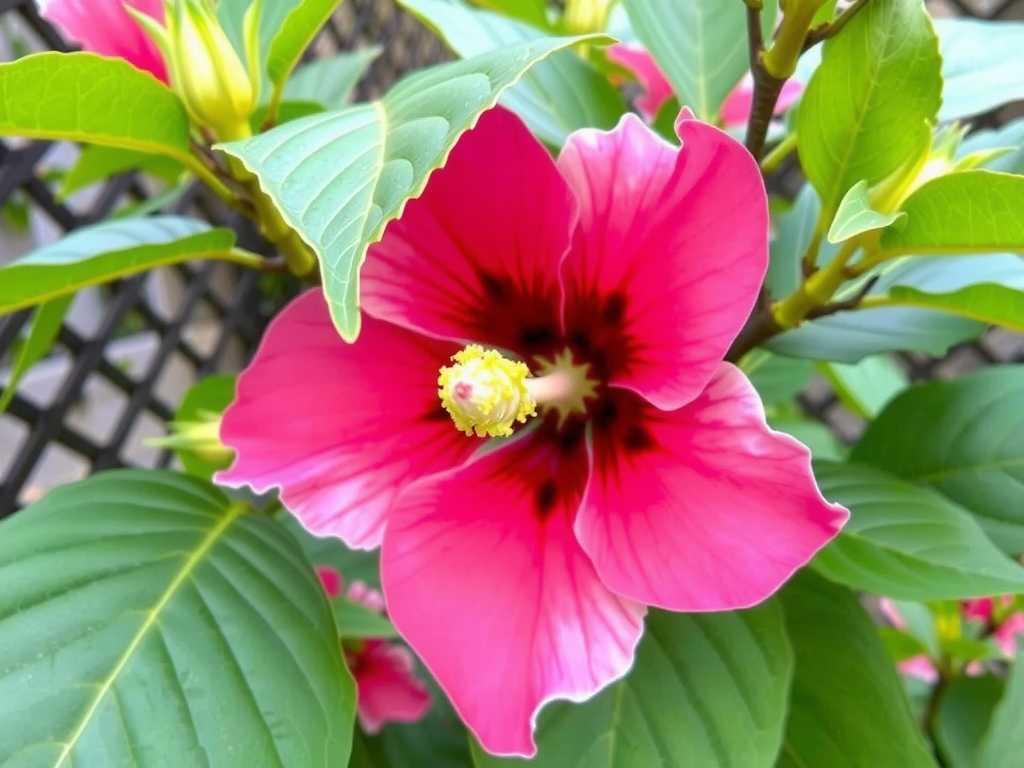
My hibiscus looks completely dead after pruning. Did I kill it? Do not panic! Hardy hibiscus is famously late to break dormancy. It often doesn’t show signs of life until well after other perennials, sometimes not until early summer when soils are thoroughly warm. Have faith, keep the area clear of weeds, and be patient. This tardiness is perfectly normal.
Is any special fertilizer needed after the winter cutback? No, and you should avoid fertilizing in late fall. The goal is dormancy, not growth. I apply a balanced, slow-release fertilizer around the base only after the new growth is about 6-8 inches tall in late spring or early summer. This supports the vigorous flowering stage without forcing tender growth at the wrong time.
Success with hardy hibiscus comes down to understanding its natural cycle. It’s not a plant you coddle through winter, but one you prepare for a quiet, protected rest. By waiting for the frost, making clean cuts, clearing debris, applying mindful mulch, and then patiently observing, you remove all guesswork. This approach ensures that when the long days of summer return, your hibiscus will reward you with a spectacular, healthy display of those breathtaking blooms, year after reliable year. Trust the process, and you’ll never fear the fall shears again.