bluename
 How to Revive a Wilting Hibiscus: A Complete Guide to Saving Your Tropical Beauty
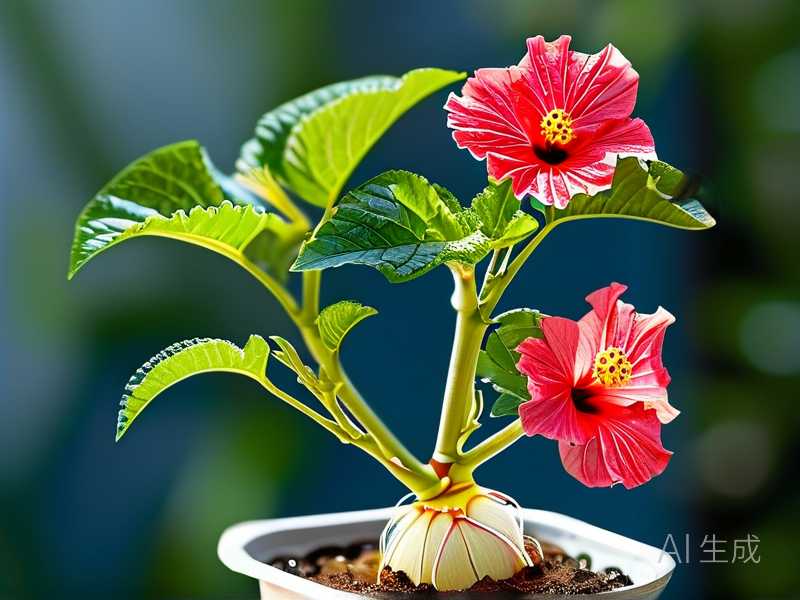
Seeing your vibrant hibiscus suddenly droop and lose its glorious blooms can be heartbreaking. You are not alone; every gardener faces this panic moment. How to revive a wilting hibiscus is a common search because these tropical beauties are dramatic, but they are also incredibly resilient if you act fast. The key lies in diagnosing the stressor—whether it is water, temperature, or pests—and applying the right remedy immediately. This guide provides expert-backed emergency fixes and long-term care strategies to restore your plant’s health.
Diagnosing Why Your Hibiscus is Drooping
Before applying a fix, you must understand the "why." A wilting hibiscus is screaming for help, but the cause isn't always obvious. According to horticultural experts at the American Horticultural Society, wilting is primarily a defense mechanism to reduce water loss.
Watering Issues: Too Much or Too Little?
Watering errors account for 90% of hibiscus stress. These plants have high water requirements, but their roots rot easily in soggy soil.
Overwatering Symptoms
Yellowing leaves, mushy stems, and soil that smells sour indicate root rot. If the soil feels wet days after watering, you have gone too far. Signs of overwatering hibiscus often mimic underwatering, which confuses beginners. The leaves wilt because the roots cannot uptake oxygen to transport water.
Underwatering Symptoms
Crispy brown leaf edges, dry soil pulling away from the pot edges, and sudden leaf drop are classic signs. The plant sacrifices lower leaves to save the upper growth.
Environmental Stress: Shock and Temperature
Hibiscus plants are temperature-sensitive. They hate the cold and struggle in extreme, direct heat without adequate moisture.
Transplant Shock
If you recently moved the plant or repotted it, the wilting is likely transplant shock. The root system is disturbed and cannot support the foliage yet.
Temperature Fluctuations
Sudden drafts from air conditioners or heaters cause rapid moisture loss. Ideally, tropical hibiscus thrives between 60°F and 85°F. Anything below 50°F can cause leaf drop.
Pest Infestations
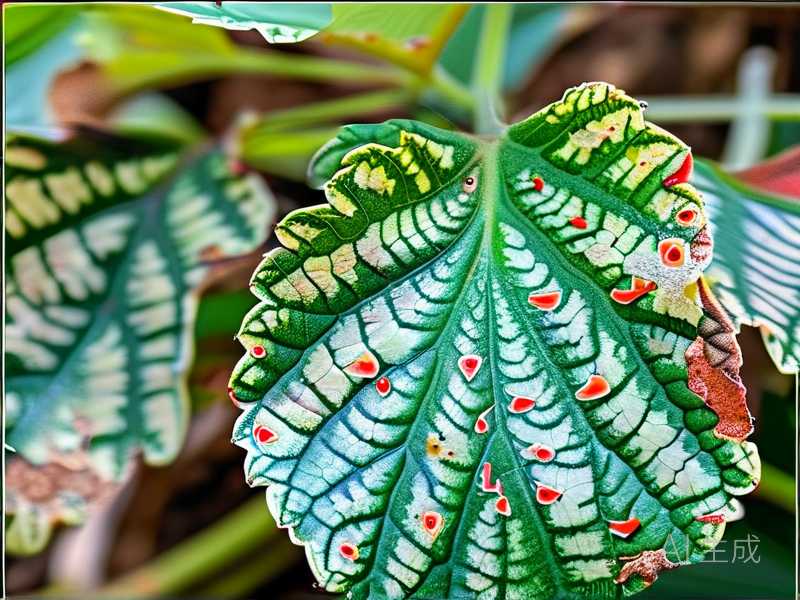
Sap-sucking insects like spider mites, aphids, and whiteflies drain the plant’s energy. Look for tiny webs, sticky residue (honeydew), or distorted new growth. A severe infestation requires immediate intervention beyond just watering.
Immediate Emergency Fixes: The "Rescue" Protocol
When you see severe wilting, time is critical. Follow this step-by-step emergency protocol to stabilize the plant within 24 hours.
Step 1: Prune Damaged Foliage
Cut back the plant by one-third. Use sterilized shears to remove yellow leaves, dead wood, and spent blooms. This reduces the surface area the roots need to support. Do not be afraid to cut; hibiscus grows back vigorously. Focus on removing spent flowers to prevent seed pod formation, which drains energy.
Step 2: Check the Roots (The Critical Test)
Remove the plant from its pot gently. Healthy roots are firm and white or light tan. If they are brown, mushy, and smell foul, root rot is present.
For Root Rot: Trim away all black, slimy roots. Repot into fresh, sterile potting mix with excellent drainage. Add perlite to improve aeration.
For Root-Bound Plants: If roots circle the bottom, tease them outward and move to a pot 2 inches larger.
Step 3: Adjust Watering Habits
If the soil is bone dry, submerge the pot in a bucket of water for 15 minutes until bubbles stop rising. Allow it to drain completely. If the soil is soggy, stop watering immediately. Let the top 2 inches dry out before the next drink. Hibiscus care tips for beginners always emphasize checking soil moisture with a finger before watering.
Step 4: Increase Humidity
Indoor heating or dry air zaps moisture. Place the pot on a tray of pebbles filled with water. As the water evaporates, it creates a humid microclimate around the leaves. Misting the foliage helps temporarily, but a humidifier or pebble tray is more effective for flower shock recovery.
Optimizing Light and Temperature for Recovery
Once the immediate crisis is managed, you must fine-tune the environment to sustain growth. Light is the fuel for recovery, but too much can scorch a weakened plant.
The "Goldilocks" Lighting Zone
A wilting hibiscus needs bright, indirect light. Avoid harsh midday sun, which will dehydrate the stressed leaves. An east-facing window or a spot with sheer curtains is ideal. If growing indoors, a grow light placed 12 inches above the plant for 12 hours a day mimics tropical conditions perfectly.
Managing Heat and Drafts
Keep the plant away from direct airflow. Vents, fans, and frequently opened doors are enemies. If your home is dry during winter, grouping plants together creates a humid pocket. For outdoor plants, cover them with frost cloth if temperatures dip below 55°F.
Long-Term Maintenance: Preventing Future Wilting
Reviving the plant is only half the battle. Consistent care ensures it never wilts severely again.
Fertilization Strategy
Hibiscus are heavy feeders. Use a balanced, water-soluble fertilizer (20-20-20) every two weeks during spring and summer. Stop fertilizing in late autumn to let the plant rest. Over-fertilizing causes salt buildup, which burns roots and leads to wilting. Flush the soil with water monthly to remove excess salts.
Soil and Drainage Essentials
Never use garden soil in a pot. It compacts and drowns roots. Use a high-quality peat-based potting mix. Ensure the pot has large drainage holes. Elevating the pot on feet allows air to circulate through the bottom holes, preventing waterlogging.
Pest Control and Hygiene
Inspect the undersides of leaves weekly. If you spot pests, spray them off with a strong blast of water or use neem oil. Keeping the area around the plant clean of fallen debris reduces fungal spores and pest habitats. This is a crucial part of tropical plant maintenance.
When to Expect Results
Patience is vital. You might not see new growth for two to three weeks. The plant is focusing energy on root repair first. Continue providing consistent care—do not overcompensate with water or fertilizer. Once you see tiny green buds emerging from the stem nodes, you know the rescue mission was successful.
Frequently Asked Questions
Q: How often should I water a hibiscus in a pot?
A: Water thoroughly when the top 1-2 inches of soil feel dry to the touch. In summer, this might be daily. In winter, it could be once a week. Always ensure excess water drains out.
Q: Can a wilting hibiscus recover from full leaf drop?
A: Yes. Hibiscus is deciduous and can drop all leaves in stress. If the stems are green and flexible and the roots are healthy, it will regrow leaves when conditions improve. Keep the soil slightly moist and provide warmth.
Q: Why are the buds turning yellow and falling off?
A: Bud blast is usually caused by environmental stress. Sudden temperature changes, low humidity, or moving the plant too often can cause this. Keep the plant in a stable environment with consistent light.
Saving a wilting hibiscus requires a blend of quick action and consistent care. By diagnosing the root cause—be it water, pests, or shock—and adjusting the environment, you can bring your plant back to its full glory. Remember, these plants are resilient; with the right how to revive a wilting hibiscus strategy, you will be rewarded with those signature, dinner-plate-sized blooms once again.