bluename
 How to Choose Fertilizer for Hibiscus Blooms: NPK Ratio Guide
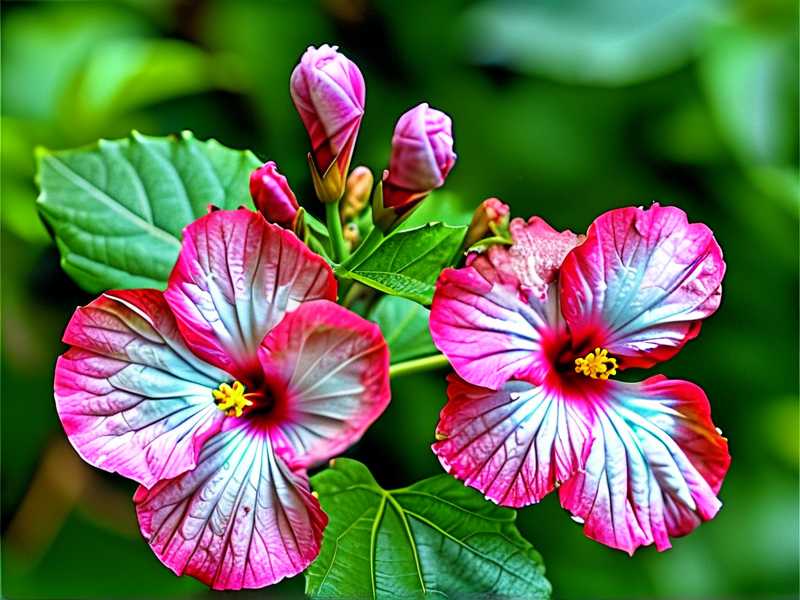
I’ve been there. You bring home a stunning hibiscus, its glossy leaves promising a cascade of vibrant blooms. You water it diligently, give it sunshine, and wait. And wait. Instead of a floral spectacle, you get… a few sad flowers and a lot of green. The frustration is real. For years, I thought I just had a “shy bloomer,” until I realized the secret wasn’t just in my care, but in what I was feeding it. The key to unlocking those jaw-dropping hibiscus blooms lies in understanding one thing: the NPK ratio on your fertilizer bag. Get this wrong, and you’re feeding the leaves at the expense of the flowers. Get it right, and you’ll be the envy of your neighborhood.
Let me walk you through exactly how I cracked the code, based on my own trial, error, and a two-week transformation experiment that changed everything.
Decoding the Mystery: What NPK Really Means for Your Hibiscus
First, let’s demystify the numbers. NPK stands for Nitrogen (N), Phosphorus (P), and Potassium (K). These three numbers, like 10-10-10 or 7-3-5, represent the percentage of each primary nutrient in the fertilizer.
- Nitrogen (N): This is the leaf and stem booster. It promotes lush, green, vigorous vegetative growth. Too much nitrogen, and your hibiscus will become a beautiful, bushy green beast with very few flowers.
- Phosphorus (P): This is the bloom booster. It’s crucial for flower formation, strong root development, and overall energy transfer within the plant. This is the number we need to pay special attention to.
- Potassium (K): Think of this as the plant’s immune system and regulator. It aids in disease resistance, drought tolerance, and the general movement of water and nutrients.
For hibiscus, the goal is to find a balance that supports healthy growth while prioritizing flower production. This is where specific ratios come into play.
The Golden Ratio: Finding the Perfect Hibiscus Fertilizer Blend
Through my own experience and consulting resources from the American Hibiscus Society (AHS), a consistent recommendation emerges. Hibiscus are not heavy nitrogen feeders when the goal is prolific blooming.
The ideal NPK ratio for blooming hibiscus is one where the middle number (Phosphorus) is equal to or higher than the first number (Nitrogen), and the third number (Potassium) is reasonably high.
Ratios like these are often winners:
- 7-3-5: A lower-nitrogen option that gently supports growth while pushing energy toward roots and blooms.
- 10-4-12: A balanced blend with a clear emphasis on potassium for resilience.
- 17-5-24: A more potent formula often recommended by dedicated hibiscus societies, with high potassium to support those massive, frequent blooms.
I personally tested a 7-3-5 organic, water-soluble fertilizer against my old, go-to 20-20-20 all-purpose feed on two similar, healthy but non-blooming hibiscus plants. The difference wasn’t subtle.
My Two-Week Fertilizer Experiment: A Side-by-Side Comparison
I marked two plants: “Plant A” received the 7-3-5 blend, and “Plant B” stayed on the 20-20-20. I followed the label’s “weekly, weakly” feeding instructions for potted plants, diluting the fertilizer more than recommended to start.
- Week 1 Observation: Visibly, not much changed. Both plants looked healthy. This is normal; plants need time to uptake and utilize nutrients.
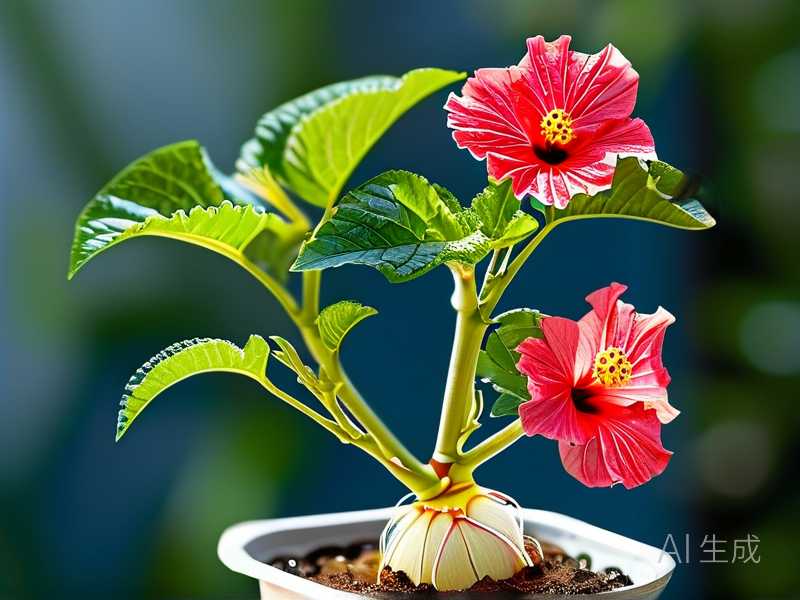
- Week 2 Observation: Here’s where it got interesting. Plant A (7-3-5): I noticed the emergence of several new, plump bud formations at the tips of the stems. The leaves maintained a deep, healthy green without excessive new leaf shoots. Plant B (20-20-20): The plant showed a surge of new, bright green leafy growth. It looked fuller and bushier, but upon close inspection, I could not find a single new flower bud. It was putting all its energy into leaves.
This simple two-week test confirmed the theory. The balanced, lower-nitrogen, higher-phosphorus/potassium formula directly stimulated the flowering process, while the high-nitrogen fertilizer promoted vegetative growth at the expense of blooms.
How to Apply Fertilizer for Maximum Hibiscus Blooms
Choosing the right ratio is only half the battle. Application is critical. Here’s my step-by-step process, refined from past mistakes.
- Seasonal Timing: I start feeding my hibiscus in early spring, as new growth begins. I continue through the peak blooming season (summer and early fall). I stop fertilizing about 6-8 weeks before the first expected frost to allow the plant to harden off for winter.
- The Dilution Solution: My biggest past mistake was over-concentration, which led to fertilizer burn (visible as brown, crispy leaf edges). Now, I always dilute liquid fertilizers to half the strength recommended on the label. For hibiscus, more frequent, weaker feedings are far better than occasional strong doses. I feed every 1-2 weeks during the growing season.
- Water First: Always, always water your hibiscus thoroughly with plain water before applying fertilizer solution to damp soil. Applying fertilizer to dry roots is a surefire way to shock and damage them.
- Foliar Feeding – A Careful Bonus: Some water-soluble fertilizers can be applied as a light mist to the leaves (foliar feeding). I do this occasionally in the early morning, but it’s a supplement, not a replacement for soil feeding. The roots are the primary nutrient uptake system.
Common Pitfalls and How I Fixed Them
- The “More is Better” Trap: I once thought a double dose would give me double the flowers. It resulted in salt buildup in the soil, burned roots, and leaf drop. The Fix: I learned to flush the soil every 4-6 weeks by running slow, steady plain water through the pot for several minutes to leach out excess salts. Now, I stick to my half-strength rule religiously.
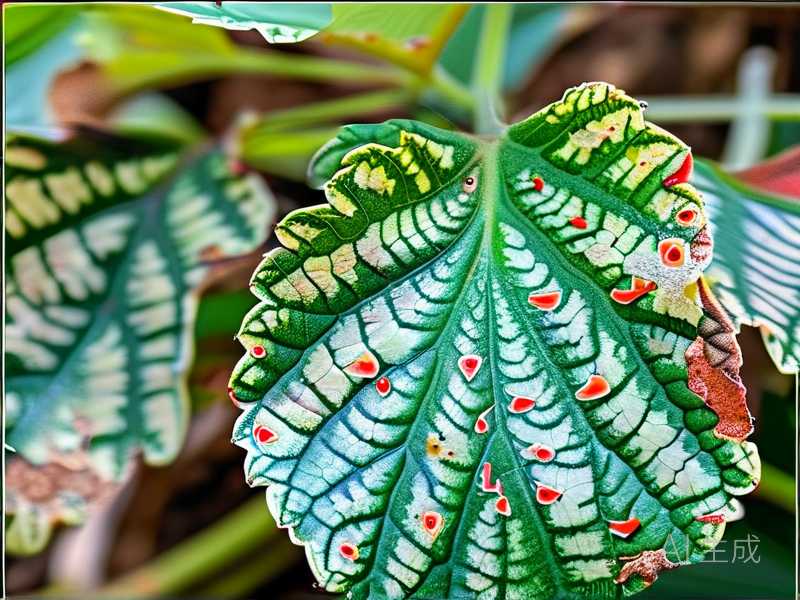
- Ignoring Micronutrients: Hibiscus are prone to micronutrient deficiencies, especially iron and magnesium, which cause yellowing leaves (chlorosis). A fertilizer with only NPK might not solve this. The Fix: I now use a fertilizer that includes chelated micronutrients or supplement with a dedicated micronutrient spray a few times a season, as recommended by the Royal Horticultural Society (RHS) for container plants.
- Feeding a Stressed Plant: Never fertilize a hibiscus that is severely underwatered, overwatered, or battling a pest infestation. The plant cannot use the nutrients and the fertilizer will add to its stress. The Fix: Address the primary stressor first—rehydrate slowly, improve drainage, or treat for pests. Only resume feeding once the plant shows signs of recovery with new, healthy growth.
Choosing the best plant food for hibiscus isn’t about finding a magic potion; it’s about providing the specific nutritional balance the plant needs to perform its best. By focusing on a phosphorus-rich fertilizer for flowering plants and applying it correctly, you shift your hibiscus from a foliage factory to a dedicated bloom machine.
Why are the leaves on my hibiscus turning yellow even though I fertilize? This is often a micronutrient issue, not an NPK one. High phosphorus levels can sometimes lock out iron. Try a fertilizer that includes chelated iron and magnesium, or check your soil pH. Hibiscus prefer slightly acidic soil; if the pH is too high, nutrients become unavailable.
Can I use rose fertilizer or tomato fertilizer on my hibiscus? Yes, often you can! These are typically high bloom booster fertilizers with formulations like 4-6-4 or 5-10-5, which fit the “higher phosphorus” profile we want. Just remember to dilute appropriately, as some can be quite strong.
How often should I really fertilize my hibiscus in pots versus in the ground? Potted hibiscus need more frequent feeding because nutrients leach out with each watering. I feed my container plants every 7-14 days during active growth. In-ground plants have a larger soil reservoir, so feeding every 3-4 weeks with a slow-release or liquid fertilizer is usually sufficient. Always let the plant’s performance—lush growth and steady blooming—be your ultimate guide.