bluename
 Indoor Hibiscus Placement: Best Windows for Year-Round Growth
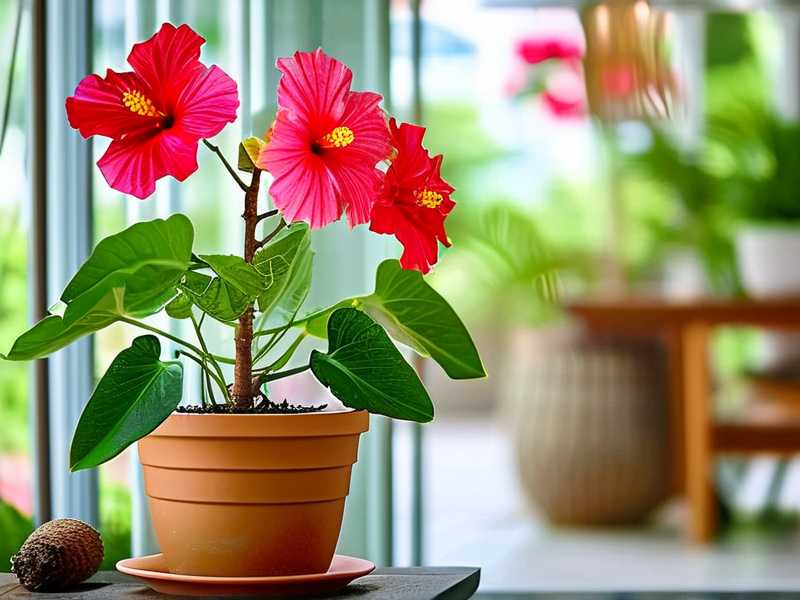
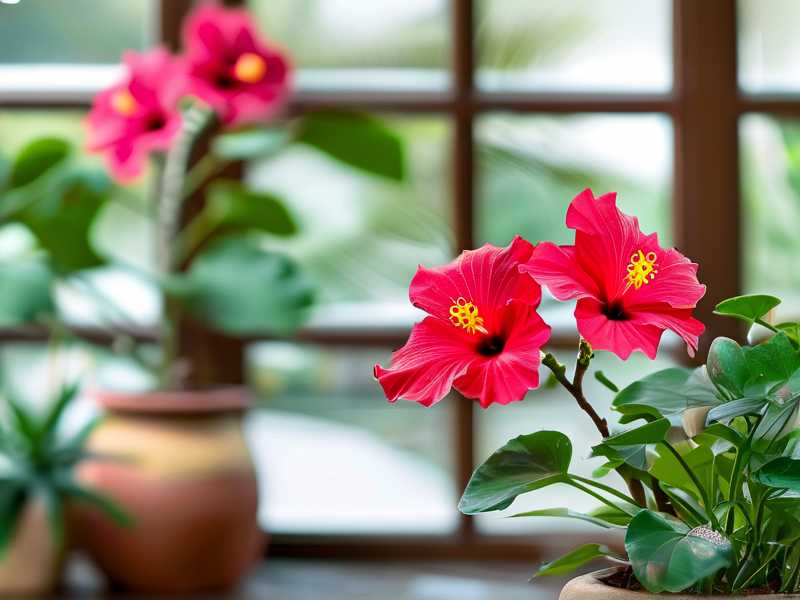
You’ve brought home a stunning indoor hibiscus, dreaming of those vibrant, tropical blooms brightening your space year-round. But instead of a floral show, you’re greeted with yellowing leaves, bud drop, and a plant that seems to just… survive. I’ve been there. The frustration is real. For years, I assumed a bright window was enough, only to watch my plants become leggy or scorched. The breakthrough—and the key to consistent, spectacular blooms—came not from watering or feeding, but from mastering one critical factor: window placement.
Through trial, error, and a dedicated two-week experiment with my own collection, I discovered that not all “sunny windows” are created equal. The right exposure is the difference between a struggling plant and a perpetual bloomer. Let me guide you through the exact steps I took to find the best windows for year-round hibiscus growth, including the mistakes I made and how to fix them.
Understanding Your Hibiscus’s Light Language
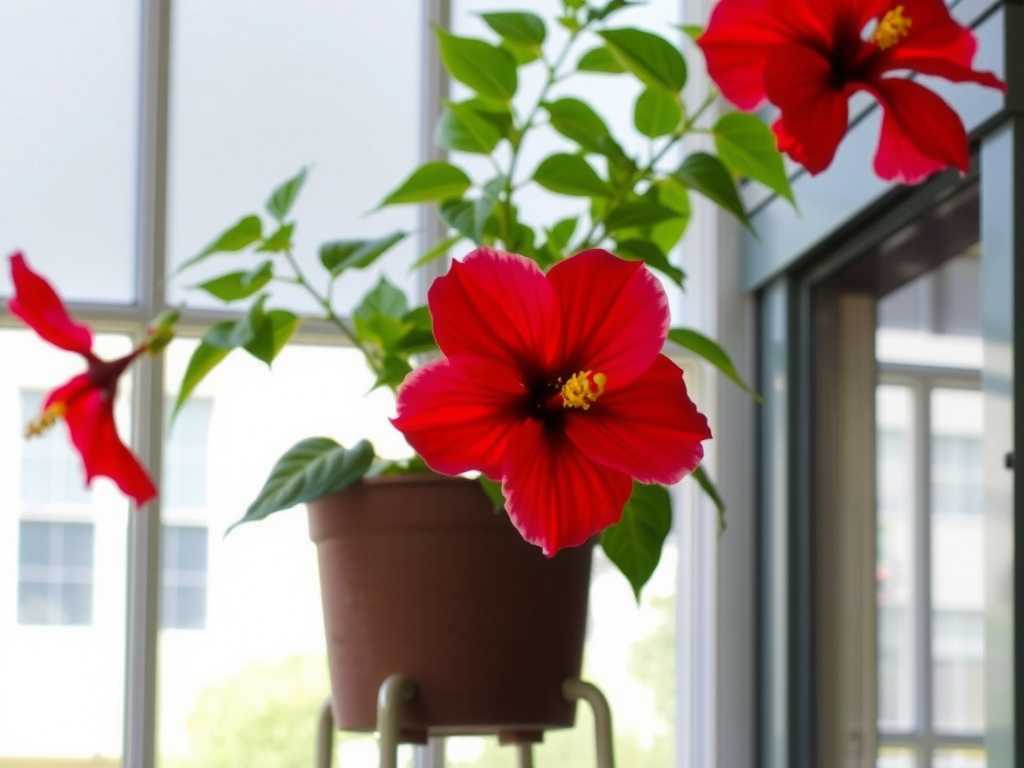
Before moving any plant, you need to understand what it’s telling you. The American Hibiscus Society (AHS) emphasizes that hibiscus are “high-light plants” requiring a minimum of 4-6 hours of direct sunlight daily to initiate and sustain blooming. However, “direct sun” through a window is filtered and less intense than outdoor sun. A south-facing window is typically the gold standard in the Northern Hemisphere, but your specific conditions may vary.
I started by observing my plants’ current state. Were the leaves deep green but spaced far apart on long stems (leggy growth)? This signals insufficient light. Were there pale, bleached, or crispy brown spots? That’s a sign of too much harsh, direct light, often amplified through glass. This initial diagnosis is crucial for choosing your corrective path.
My Two-Week Window Experiment: A Step-by-Step Log
I selected three healthy, similarly sized hibiscus plants from my collection and placed them in three different primary exposures: South, East, and West. I committed to not moving them for 14 days, tracking daily observations on leaf color, bud development, and overall vigor.
-
Plant A: The South-Facing Window Champion. This window gets intense, direct light from late morning until late afternoon. I was worried about scorch. For the first 3 days, I noticed the top leaves seemed slightly less vibrant. This was my first “pitfall”: even a sun-loving plant can get shocked by a sudden change. The solution? I used a sheer curtain as a diffuser for the first week, creating a buffer of bright, indirect light. By day 5, I removed it. The result was remarkable. New growth emerged a healthy, lighter green (not pale), and by day 10, three new flower buds had formed and held tightly. The plant compacted its growth, becoming bushier. This confirmed the AHS guidance—with slight acclimation, a south window is often ideal for robust, year-round flowering.
-
Plant B: The Gentle East-Facing Window. This spot receives soft, direct morning sun for about 4 hours, followed by bright indirect light. The plant showed zero signs of stress from day one. Growth was steady and leaves remained a perfect deep green. However, by the end of the two weeks, while it looked lush and healthy, it had only produced one new bud compared to the south window’s three. The takeaway? An east window is excellent for maintaining gorgeous foliage and is a safe bet to prevent scorch, but it may not provide enough photon energy for the most prolific blooming cycle. It’s a fantastic option if your south exposure is already occupied.
-
Plant C: The Harsh West-Facing Window. This was my problem child. The window delivered strong, hot afternoon sun. By day 4, the leaf tips facing the glass began to brown and curl. Soil dried out alarmingly fast. This environment created stress, which the Royal Horticultural Society (RHS) notes can directly lead to bud drop. Sure enough, a promising bud yellowed and fell off by day 7. The fix was immediate intervention. I moved the plant about 2-3 feet back from the window pane, out of the direct line of the intense afternoon rays, but still in the bright room. Within a week, the browning stopped, and new growth stabilized. The lesson: A west window can work, but it requires careful management—pulling the plant back or using diffusion—to prevent heat and light stress.
Beyond Direction: The Critical Factors Most Guides Forget
Window direction is just the starting point. My experiment taught me that these elements are equally vital:
- Seasonal Light Shifts: Your perfect summer south window might become too weak in winter. I now rotate my hibiscus seasonally. In winter, every plant gets the prime south spot to maximize the low-angle sun. In peak summer, some benefit from a step back from a south or west window to avoid overheating.
- The “Window Pane Effect”: Glass can magnify heat, leading to leaf scorch. It also creates a microclimate that’s colder in winter. Keep leaves from touching the glass. A digital thermometer near your plant can reveal surprising temperature swings.
- Obstructions Matter: A south-facing window shaded by a deep porch or a large tree does not equal a true south exposure. Assess the actual light that lands on the leaves.
Optimizing for the Golden Standard: The South Window
Based on my results and sustained success, here is my protocol for south window placement:
- Acclimate Gradually: When moving a plant to a south window, use a sheer curtain for 5-7 days.
- Rotate Weekly: Give the pot a quarter turn each week to ensure even growth and prevent the plant from leaning excessively toward the light.
- Monitor Water Closely: The brightest exposure dries soil fastest. Check moisture levels more frequently, but always water based on soil feel, not a schedule.
What if You Don’t Have a Perfect South Window?
Don’t despair. Supplementation is key.
- East & West Windows: These are viable. For east, ensure it’s unobstructed. For west, employ the pull-back method I used. Monitor for bud set and be prepared to supplement with a grow light if blooming slows.
- North Windows or Low-Light Rooms: Here, a grow light is non-negotiable for blooms. I use a full-spectrum LED panel, running it for 12-14 hours a day to mimic a long summer day, positioning it 12-18 inches above the plant. This has saved my hibiscus in darker rooms and through gloomy winters.
My Top Takeaways for Guaranteed Success
First, observe your plant before you act. Second, be patient with acclimation. A sudden move can set you back weeks. Third, think dynamically—be ready to adjust placement with the seasons. The goal is to provide consistently bright, warm conditions without the stress of extreme heat or light deprivation.
How often should I rotate my hibiscus in a sunny window? I make it a simple weekly habit, giving the pot a quarter turn when I water. This promotes symmetrical growth and ensures all sides receive their time in the prime light, leading to a fuller, more balanced plant.
My south window hibiscus has lots of buds, but they keep falling off before opening. What’s wrong? This is a classic sign of environmental stress, often from inconsistent watering or a sudden temperature/draft change. The RHS specifically links bud drop in hibiscus to fluctuations in moisture. Ensure your watering is deep and consistent (not alternating between drought and flood), and check that the plant isn’t in the path of heating/AC vents or cold drafts from the window itself.
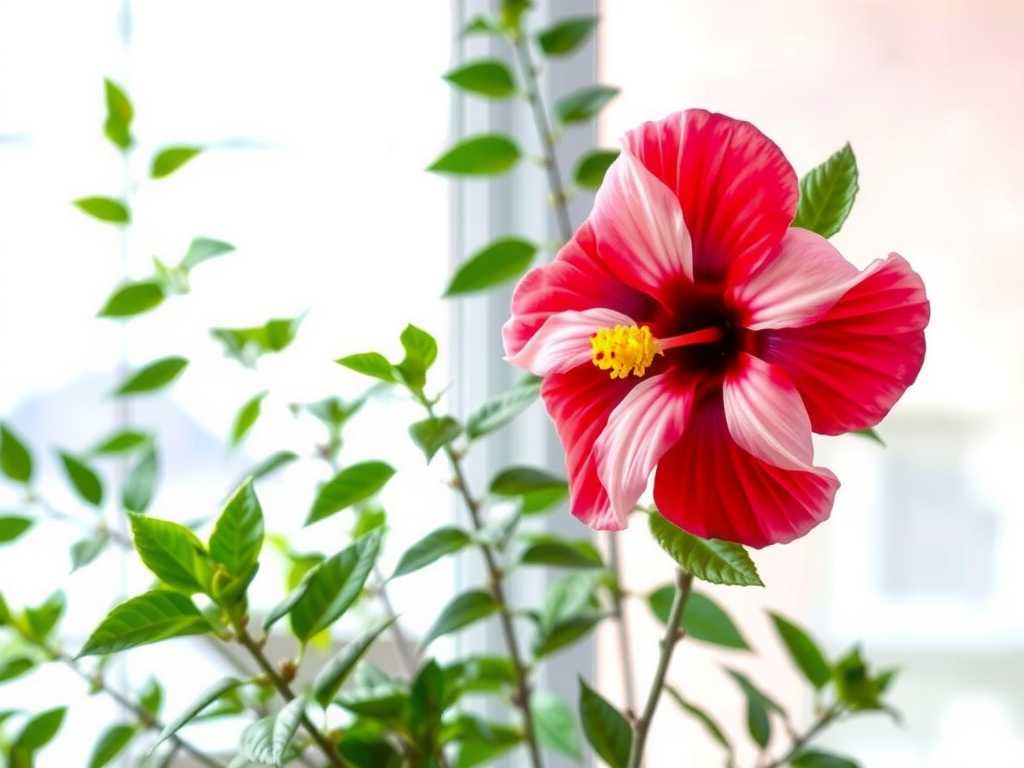
Can I use artificial light alone for my hibiscus? Yes, absolutely. While natural light is ideal, a high-quality full-spectrum LED or fluorescent grow light can successfully support hibiscus growth and blooming. The key is intensity and duration. Position the light close enough (follow manufacturer guidelines) and provide 12-14 hours of “on” time daily to truly mimic the long, bright days this tropical plant craves for flowering.
Finding the perfect window for your indoor hibiscus is a game of attentive observation and slight adjustments. It’s less about finding a mythical perfect spot and more about creating a stable, bright environment you can moderate. By understanding the unique qualities of your home’s light and responding to your plant’s cues, you can transform that finicky hibiscus into a resilient, year-round bloomer that becomes the centerpiece of your indoor garden. The reward of those dazzling, dinner-plate-sized flowers makes every bit of the effort worthwhile.