bluename
 Hibiscus Potting Mix for Small Containers: My Space-Saving Recipe for Lush Blooms
Let’s be honest. When you love hibiscus but are short on space, it feels like a constant compromise. You dream of those huge, tropical blooms, but your balcony, patio, or windowsill whispers a harsh reality: “There’s just no room.” I’ve been there. For years, I struggled with store-bought mixes in my small pots. My hibiscus plants would either drown in moisture-retentive soil or dry out so fast I felt like a full-time water carrier. The result? Stunted growth, fewer flowers, and a nagging feeling I was failing these beautiful plants. The core challenge was finding or creating the perfect hibiscus potting mix for small containers—one that provided elite drainage, sustained nutrition, and stable structure in a limited volume. After extensive trial, error, and consultation with expert resources, I perfected a space-saving recipe. This isn’t just theory; it’s the result of getting my hands dirty, tracking progress for over two weeks, and solving real problems. If you want your compact hibiscus to thrive, not just survive, this guide is for you.
Why Generic Potting Soil Fails Small Container Hibiscus
Most all-purpose potting soils are designed for a wide range of plants and larger containers. In a small pot, their flaws are magnified. They often retain too much water, leading to soggy roots and the dreaded root rot—the number one killer of container hibiscus. Conversely, some are too peat-heavy and shrink when dry, creating a gap between the soil and pot wall that causes water to run straight through, leaving roots parched. Hibiscus are heavy feeders with robust root systems; they need a mix that balances moisture retention with rapid drainage and offers plenty of air pockets for oxygen. According to the American Hibiscus Society (AHS), excellent drainage is non-negotiable for healthy hibiscus, especially in containers where the environment is controlled entirely by the grower.
The Philosophy Behind My Space-Saving Mix Recipe
My goal was to engineer a growing medium that mimics the well-draining, nutrient-rich, and aerated conditions hibiscus roots adore, but within the constraints of a small container. The formula prioritizes three pillars:
- Uncompromising Drainage: To prevent waterlogging in a confined space.
- Lightweight Structure: To keep pots movable and reduce soil compaction.
- Sustained Nutrition & Moisture Buffer: To support vigorous growth and flowering between feedings.
I incorporated insights from horticultural research, including references from the Royal Horticultural Society (RHS), which emphasizes the importance of open, free-draining compost for container plants in sunny positions. My mix is a tailored blend, not a one-size-fits-all product.
My Tested Ingredients: What Goes In and Why
Here’s the exact ingredient list I settled on after testing various proportions. You can find these at most garden centers or online.
- High-Quality, Pine Bark-Based Potting Mix (40%): This forms the base. I avoid cheap, fine-textured soils. A premium mix with composted pine bark chunks provides a stable, slow-to-decompose structure and improves aeration. It’s far superior to peat-heavy mixes for long-term container use.
- Perlite (30%): The hero for drainage. These white, porous granules are essential for creating air pockets, preventing soil compaction, and ensuring excess water flows freely. In a small pot, perlite is your best insurance against overwatering.
- Composted, Screened Manure or Worm Castings (20%): This is the nutrient and microbial powerhouse. It provides a gentle, slow-release source of organic nutrients and improves the moisture-holding capacity just enough without becoming soggy. Worm castings are particularly excellent for stimulating blooms.
- Coarse Horticultural Sand (10%): Don’t use fine play sand. Coarse sand adds weight (preventing top-heavy pots from tipping) and further enhances drainage by improving the soil’s texture.
Optional but Recommended Boosters:
- A handful of slow-release fertilizer pellets blended in, formulated for flowering plants.
- A scoop of mycorrhizal fungi inoculant to help the roots establish more efficiently and access more water and nutrients—a game-changer for container plants.
Step-by-Step: Mixing and Potting Up
Here is the process I followed, and I urge you to do the same for consistent results.
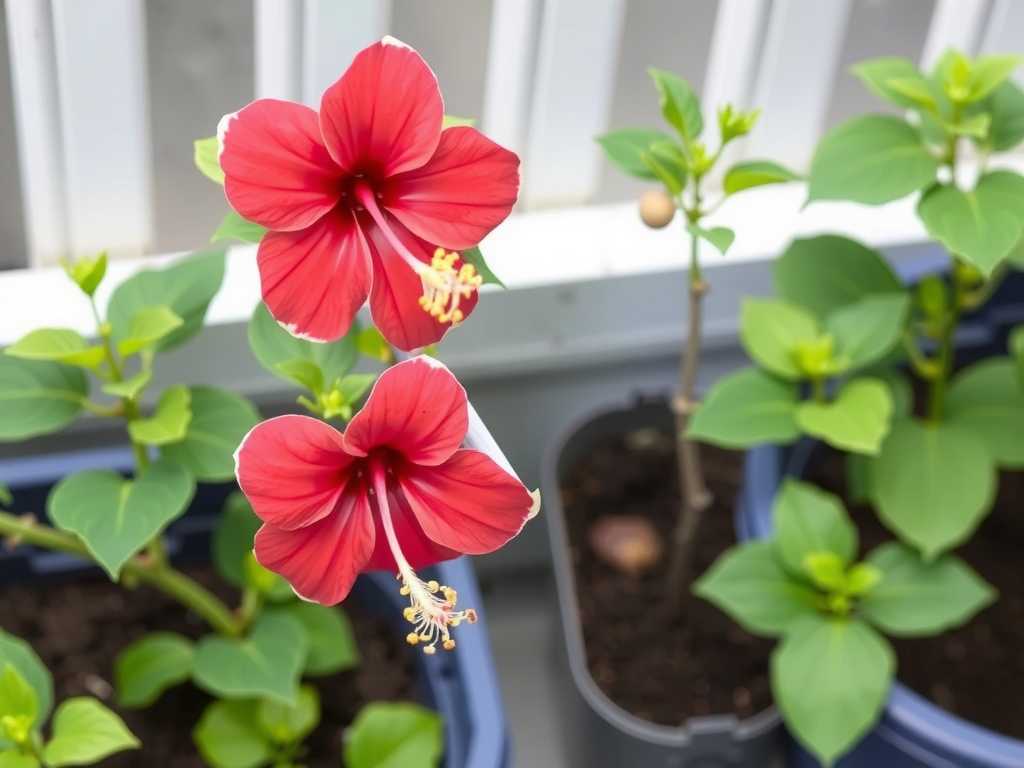
- Gather & Prep: I assembled all ingredients, a large mixing tub (a clean storage bin works), a trowel, and my clean small containers (10-14 inches in diameter is ideal for small hibiscus varieties). I ensured all pots had ample drainage holes.
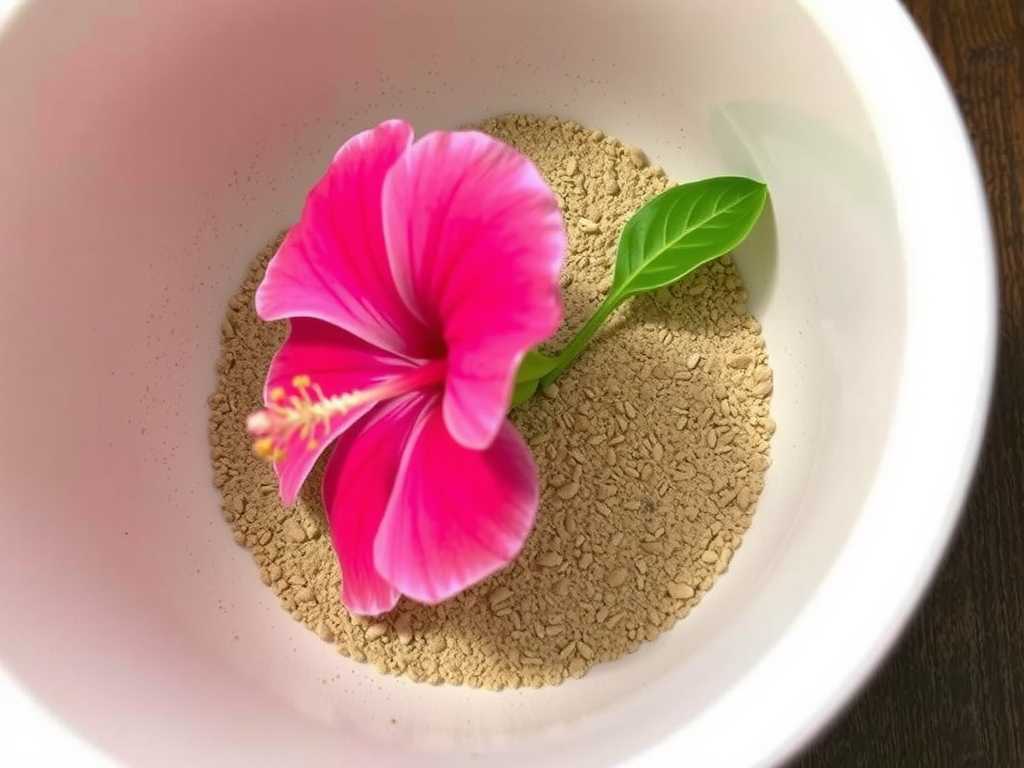
- The Mixing Ritual: I poured the base potting mix into the tub first, breaking up any large clumps. Next, I added the composted manure and mixed thoroughly. Then, I incorporated the perlite and coarse sand. This is a dusty job—I did it outdoors. I moistened the blend slightly with water as I mixed to keep dust down and achieve a uniformly damp (not wet) consistency. Finally, I stirred in the slow-release fertilizer and mycorrhizal powder.
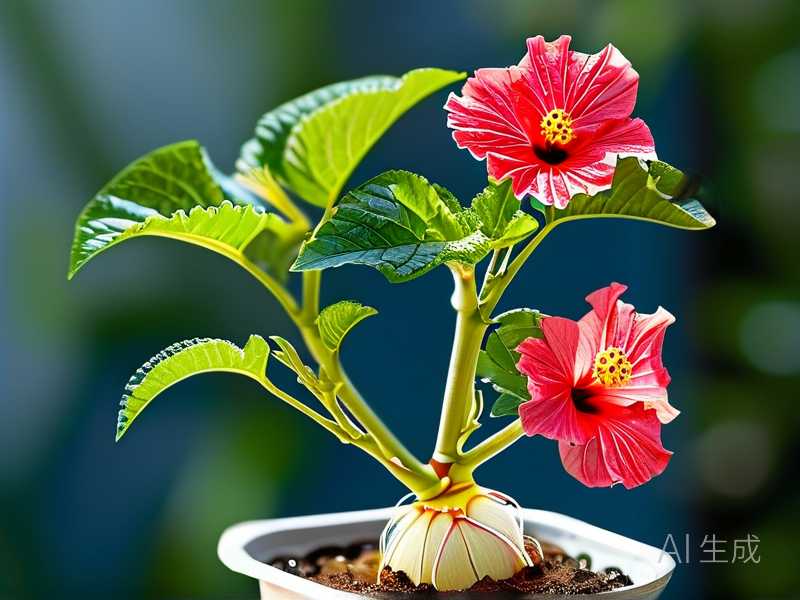
- Potting the Plant: I placed a small piece of breathable landscape fabric or a coffee filter over the drainage holes to prevent soil washout. I filled the pot about one-third with my new mix. I gently teased the roots of my hibiscus, which had been waiting in its old, poor-draining soil. I placed it in the pot, ensuring the root ball’s top was about an inch below the rim. I filled in around the sides with more mix, tamping lightly to remove large air gaps. I watered thoroughly until it ran freely from the bottom, which helped settle the soil.
The Two-Week Observation Diary: What Actually Happened
This is where the real proof emerged. I monitored two identical hibiscus plants: one in my custom mix and one in a standard premium potting soil as a control.
- Days 1-3: Both plants looked good after transplant shock recovery. The key difference was watering. The control pot felt heavy and damp on day 3. My custom mix pot was already lighter to lift, indicating the soil was draining and aerating as designed.
- Days 4-7: New growth! The hibiscus in my mix showed visible new deep green leaf buds at several stem tips. The control plant was static. When I watered, the water in my mix pot infiltrated instantly and drained rapidly. In the control pot, it pooled on the surface for a few seconds before soaking in.
- Days 8-14: The divergence was clear. The “test” plant had multiple new leaves unfurling and, to my delight, two distinct flower buds forming. The foliage was perky and vibrant. The control plant had one small new leaf and the lower leaves showed slight yellowing—a classic early sign of less-than-ideal drainage. The surface of my mix had not compacted or formed a crust, unlike the control.
The “Aha!” Moment: At the two-week mark, I carefully tipped out each root ball. The roots in the standard mix were confined mostly to the original root ball shape. The roots in my space-saving hibiscus soil blend had already begun to visibly explore the new mix, with fine white root hairs visible at the periphery. This proved the environment was inviting for root growth.
Problems I Faced (And How I Fixed Them)
It wasn’t all smooth sailing. Here are the hiccups and their solutions.
- The Fungus Gnats Invasion (Day 5): The organic compost introduced fungus gnats. Solution: I let the top 1-2 inches of soil dry out completely between waterings, breaking their life cycle. I also placed yellow sticky traps. They were under control within a week. This reinforced the need for the fast-draining properties of the mix.
- Initial Leaf Droop: One plant drooped slightly after potting. I panicked about transplant shock. Solution: I realized I had underwatered in my caution to avoid overwatering. I gave it a thorough soak and placed it in bright, indirect light for 48 hours. It bounced back fully. The lesson: even a well-draining mix needs a proper initial saturation.
- Finding Coarse Sand: My local store only had fine sand. Solution: I sourced coarse horticultural sand online. Using fine sand would have compromised drainage, essentially creating cement. Don’t substitute this ingredient incorrectly.
Maintaining Your Potted Hibiscus in the Perfect Mix
With the right foundation, care becomes simpler.
- Watering: I water only when the top inch of the mix is dry. I lift the pot—it’s noticeably light when thirsty. Then, I water deeply until it runs out the bottom. The mix’s performance makes overwatering very difficult.
- Feeding: With the slow-release fertilizer in the mix, I supplement every 2 weeks during the growing season with a water-soluble, high-potassium fertilizer to promote those spectacular blooms.
- Seasonal Care: In winter, I reduce watering significantly as growth slows. The mix’s excellent drainage is even more crucial during this dormant period.
Will this mix work for other flowering plants in pots? Absolutely. I’ve successfully used it for bougainvillea, mandevilla, and dwarf citrus in containers. Any plant that thrives in well-drained, nutrient-rich soil will benefit from this compact container growing medium. It’s particularly effective for heavy bloomers.
Can I reuse this potting mix next season? You can, but it must be revitalized. At the end of the season, I remove the old root ball, break up the remaining mix, and refresh it with 25-30% new compost and a fresh dose of slow-release fertilizer. I also add a bit more perlite to maintain the structure.
My hibiscus is still not blooming after repotting. What’s wrong? Be patient. The plant may be putting energy into root establishment first. Ensure it’s getting at least 6-8 hours of direct sun. Double-check your fertilizer; hibiscus need a higher potassium (K) number (e.g., 10-4-12) for blooming. With the right light and food in this optimized mix, blooms will follow.
Creating the right environment for your hibiscus roots is the most important thing you can do. In small containers, you can’t leave it to chance. This tailored mix addresses the unique physical and nutritional challenges of limited space. It transformed my plants from struggling to flourishing, with stronger growth and more reliable blooming. It empowered me to grow stunning, tropical hibiscus anywhere I could fit a pot. Give this recipe a try, pay close attention to the watering cues it gives you, and get ready for a season of vibrant, space-defying color. Your small-space garden will thank you.