bluename
 How to Fix Hibiscus Weak Stems: Support & Nutrient Tips for a Thriving Plant
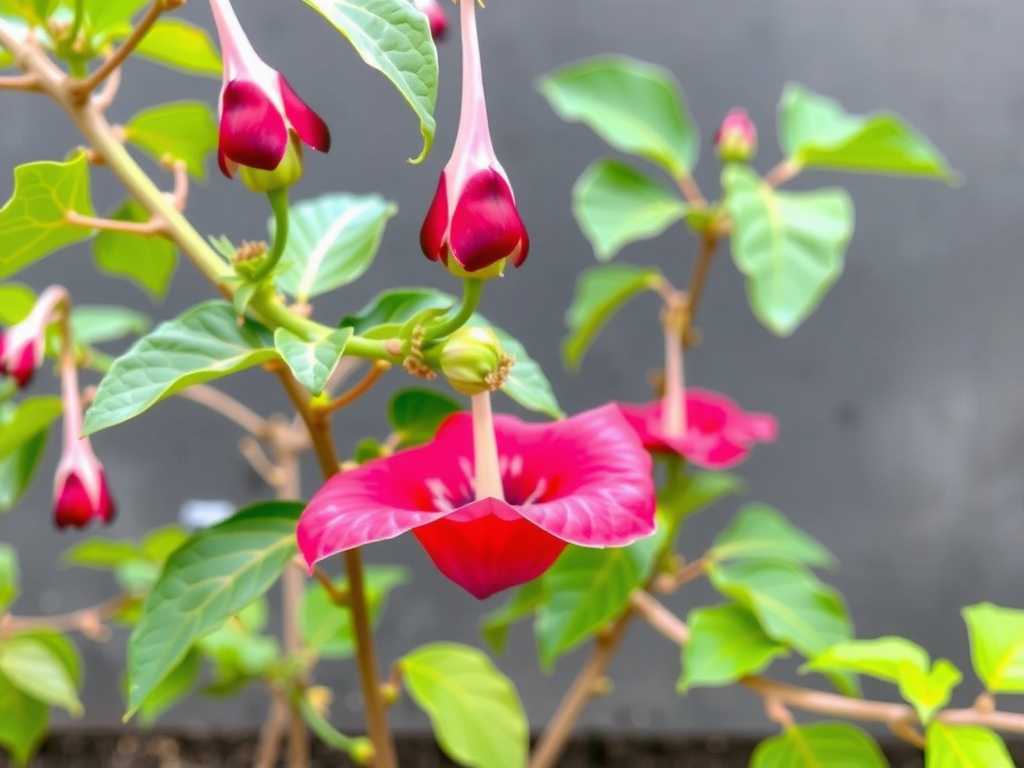
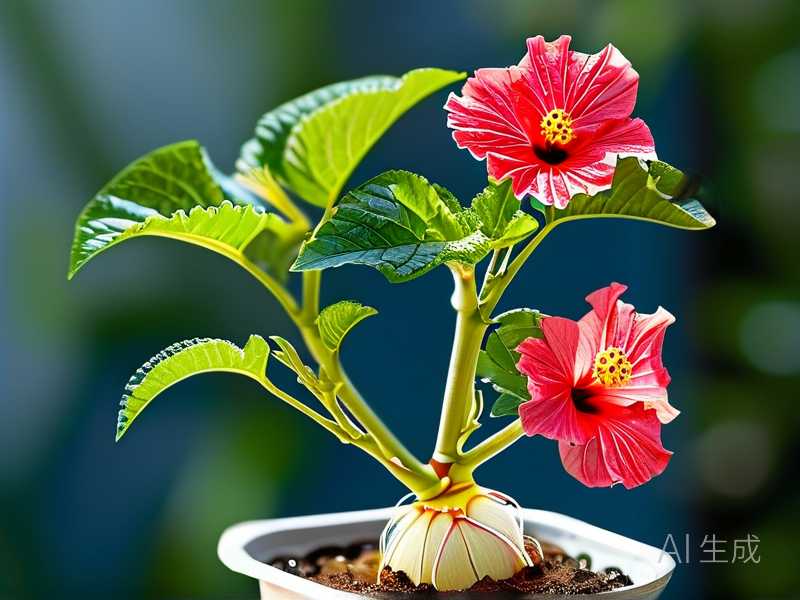
There’s nothing more disheartening for a gardener than watching a stunning hibiscus, laden with vibrant blooms, begin to sag under its own beauty. Weak, drooping, or spindly stems can turn a tropical centerpiece into a source of constant worry. You’re not alone in this struggle. The issue of how to fix hibiscus weak stems is a common challenge, but the good news is that it’s almost always solvable. Weak stems are not a death sentence; they are a clear signal from your plant, often pointing to a combination of nutritional deficiencies and inadequate physical support. This comprehensive guide will walk you through the precise steps to diagnose the root causes, provide immediate structural aid, and implement long-term nutrient strategies to build stronger, more resilient stems from the inside out.
Understanding Why Your Hibiscus Stems Are Weak
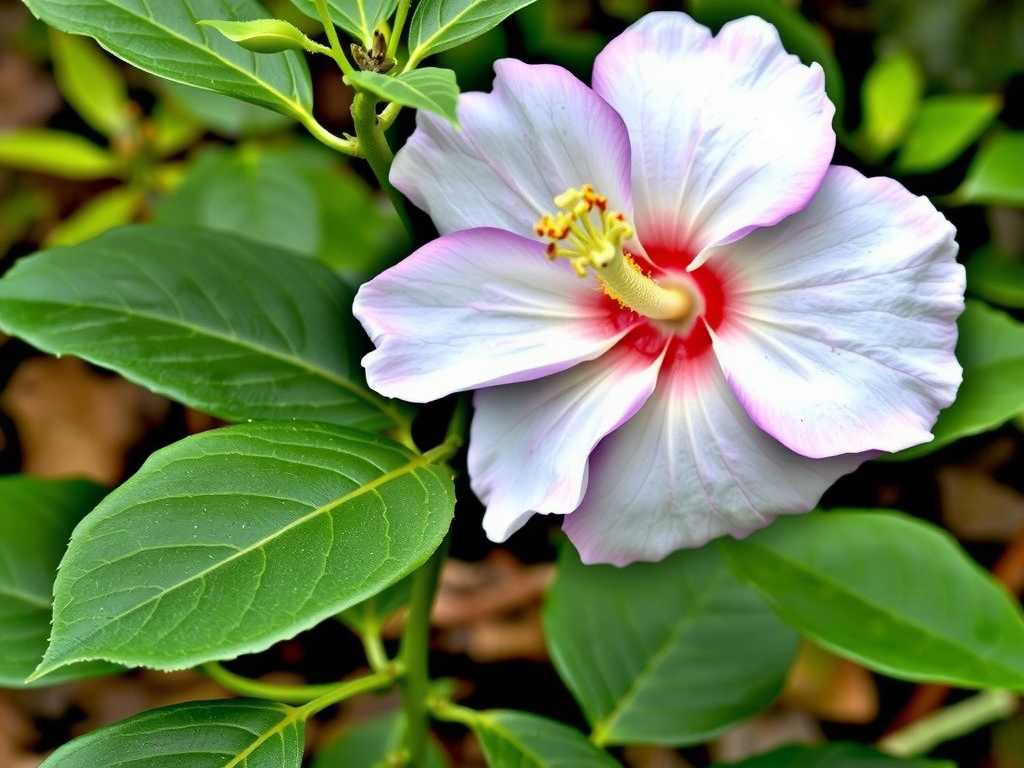
Before you can fix the problem, you need to understand what’s causing it. Weak stems typically manifest as bending, leggy growth, or an inability to hold up flowers and leaves. The primary culprits usually fall into two interconnected categories: environmental stressors and nutritional gaps.
1. The Leggy Growth Problem: Insufficient Light Hibiscus plants are sun worshippers. When they don’t receive enough direct sunlight—at least 6 to 8 hours daily—they engage in a process called etiolation. The plant stretches desperately toward the light source, resulting in long, thin, and weak internodes (the spaces between leaves). This growth is inherently fragile and prone to bending.
2. The Silent Hunger: Key Nutrient Deficiencies This is the core of internal stem strength. Stems are like a plant’s skeleton and circulatory system combined. Certain nutrients are fundamental for building robust cellular structure.
- Potassium (K): Often called the “quality nutrient,” potassium is vital for regulating internal water pressure (turgor), enzyme activation, and the overall strength of plant tissues. A deficiency directly leads to weak stems and poor disease resistance.
- Calcium (Ca): Calcium is a crucial component of cell walls. It acts like the mortar between bricks, cementing cells together and providing structural integrity. A lack of calcium results in poor cell wall development, leading to soft, weak stems that can collapse or exhibit distorted new growth.
- Phosphorus (P): Essential for energy transfer and root development, a strong root system supported by adequate phosphorus indirectly supports healthier above-ground growth, including stems.
- Magnesium (Mg): Central to the chlorophyll molecule, magnesium is key for photosynthesis. A robust photosynthetic process provides the energy and sugars needed for all growth, including stem thickening.
3. Physical Stressors: Wind and Weight Even a well-nourished hibiscus can have weak stems if it’s subjected to constant buffeting winds or if it produces an exceptionally heavy set of blooms. The mechanical stress can cause stems to bend or crack.
Immediate Solutions: How to Support Weak Hibiscus Stems
While you work on the long-term nutritional fixes, your plant needs immediate help to prevent breakage and redirect energy to strong new growth.
Choosing the Right Support Stakes The goal is to provide support without damaging the plant. Use soft ties like garden twine, velcro plant straps, or even strips of old fabric.
- For Single Stems: Insert a sturdy bamboo or metal stake into the pot or ground, a few inches away from the main stem to avoid root damage. Gently tie the weak stem to the stake at several points along its length, allowing some natural movement but preventing a bend.
- For Multi-Stemmed or Bushy Plants: Consider using a grow-through plant support cage (often used for peonies). Place it over the plant early in the season. As the hibiscus grows, the stems will grow through the grid, which provides invisible, all-around support.
The Art of Proper Tying Never tie stems tightly. Use a figure-8 loop, with the stake in one loop and the stem in the other. This cushions the stem and prevents girdling as it grows thicker. Check ties monthly and loosen them as needed.
Strategic Pruning for Strength Sometimes, the best support is strategic removal. Pruning encourages bushier, stronger growth from the base.
- Pinch Back Tips: For young, leggy growth, simply pinching off the top few inches of a stem encourages it to branch out, resulting in a thicker, sturdier form.
- Hard Pruning: In early spring, you can cut back overly long or spindly stems by one-third to one-half. Make cuts just above a leaf node facing the direction you want new growth to go. This forces energy into the remaining stems and promotes vigorous new shoots.
Long-Term Fix: Building Strength Through Nutrition and Care
This is the most critical part of fixing weak hibiscus stems permanently. You must address the underlying dietary issues.
Soil Testing: The First Essential Step Don’t guess—test. A simple soil test kit will reveal your soil’s pH and nutrient levels. Hibiscus prefers slightly acidic soil (pH 6.0-7.0). If the pH is off, nutrients become “locked up” and unavailable to the plant, even if they are present in the soil.
Selecting the Perfect Fertilizer Look for a fertilizer that addresses the specific needs for stem strength.
- Balanced vs. Specialized: A balanced, water-soluble fertilizer (like a 10-10-10 or 20-20-20) is a good general start. However, for targeted strengthening hibiscus stems, seek out formulas with a higher potassium (K) and calcium (Ca) content. Some fertilizers are specifically labeled for “blooms and strength” with a higher third number (K) and include calcium.
- The Role of Micronutrients: Ensure your fertilizer also contains magnesium (Mg) and other micronutrients like iron. Many experts, including those contributing to the American Hibiscus Society’s (AHS) cultivation guides, emphasize the importance of a complete micronutrient profile for optimal plant health and structure.
- Application Schedule: During the active growing season (spring through summer), feed your hibiscus every 2-3 weeks with a diluted liquid fertilizer. Reduce feeding in fall and stop in winter when growth slows.
Supplementing for Specific Deficiencies
- For a Potassium Boost: Apply a dose of potash or use a banana peel tea—soak banana peels in water for a few days and use the nutrient-rich water.
- For Calcium: Incorporate garden lime (to also raise pH) or gypsum (which adds calcium without altering pH) into the soil. Crushed eggshells added to the soil over time can also provide a slow-release calcium source.
- For Magnesium: A foliar spray or soil drench with Epsom salt (magnesium sulfate) can quickly green up leaves and support photosynthesis. Dissolve one tablespoon per gallon of water.
Optimizing the Growing Environment
- Maximize Sunlight: Ensure your plant gets its full sun requirement. If grown indoors, a south-facing window or supplemental grow lights are necessary.
- Water Wisely: Practice deep, infrequent watering to encourage strong, deep roots. Shallow, frequent watering leads to weak surface roots and, consequently, weaker overall plant structure. Consistent moisture is key, as drought stress severely weakens stems.
- Wind Protection: Position potted hibiscus in a sheltered location or use a temporary windbreak for in-ground plants during storms.
Preventing Weak Stems in the Future
An ounce of prevention is worth a pound of cure. Start new plants and each growing season with strength in mind.
- Begin with Strong Varieties: Some hibiscus cultivars are naturally more robust. Research and select varieties known for sturdy growth habits.
- Consistent Feeding Program: Don’t wait for signs of weakness. Maintain the regular feeding schedule with a quality fertilizer throughout the growing season.
- Annual Soil Amendment: Each spring, refresh the top layer of soil or repot with a high-quality, well-draining potting mix rich in organic matter like compost. Compost slowly releases nutrients and improves soil structure.
Frequently Asked Questions
Can a hibiscus stem that has already bent over be straightened? Yes, if it is not snapped or cracked. Gently straighten it and provide immediate staking support along its entire length. The stem may retain a slight curve, but with proper care, it can continue to grow and function. If it is cracked, you can try splinting it with a popsicle stick and plant tape, but often the best course is to prune it back to a healthy node.
How often should I re-tie my hibiscus to its stake? Inspect the ties at least once a month during the growing season. The stems thicken as they grow, and a tie that was once loose can become tight and cut into the bark, damaging the vascular system. Always allow for some slack and movement.
Is it better to use a liquid fertilizer or slow-release granules for stronger stems? Both can be effective, and a combination often works best. Slow-release granules mixed into the soil at the start of the season provide a steady baseline of nutrition. Supplementing with a liquid fertilizer every few weeks allows you to deliver a more immediate boost of key nutrients like potassium and magnesium, especially during peak flowering when the plant’s demands are highest. This dual approach ensures consistent nutrient availability for sustained stem and plant health.
Weak stems on your hibiscus are a fixable problem. By combining immediate physical support with a dedicated nutritional strategy focused on potassium, calcium, and magnesium, you empower your plant to build its own strength from within. Remember, the process requires patience. Start with a soil test, choose your supports and fertilizers wisely, and maintain consistent care. With these steps, you’ll transform your drooping hibiscus into a sturdy, flourishing spectacle of vibrant blooms, season after season.