bluename
 How to Grow Hibiscus from Store-Bought Plants: Acclimation Tips
You’ve just brought home a beautiful hibiscus from the garden center, its vibrant buds promising a tropical paradise on your patio. But within days, the leaves start to yellow, the precious buds drop, and your dream plant seems to be failing. I’ve been there, feeling that frustration. The truth is, that lush store-bought hibiscus has lived a sheltered life in a perfect greenhouse. Bringing it home is a massive shock. Through trial, error, and careful observation, I’ve perfected a two-week acclimation process that turns that fragile store plant into a thriving garden superstar. This guide is my personal, step-by-step account of exactly how to do it.
Understanding the "Greenhouse Shock" Before we begin, it’s crucial to understand what your plant is enduring. A nursery provides ideal, consistent light, humidity, and watering. Our homes and gardens are harsher, with fluctuating temperatures, direct sun, and lower humidity. This sudden change causes transplant shock, manifesting as leaf drop, bud blast, and wilting. The goal of acclimation, or "hardening off," is to gently introduce it to its new world. The Royal Horticultural Society (RHS) emphasizes that a gradual transition is "critical for reducing stress and ensuring the long-term health of container-grown plants."
My Essential Pre-Acclimation Checklist Don’t just plop the pot on your sunniest deck chair. Start smart.
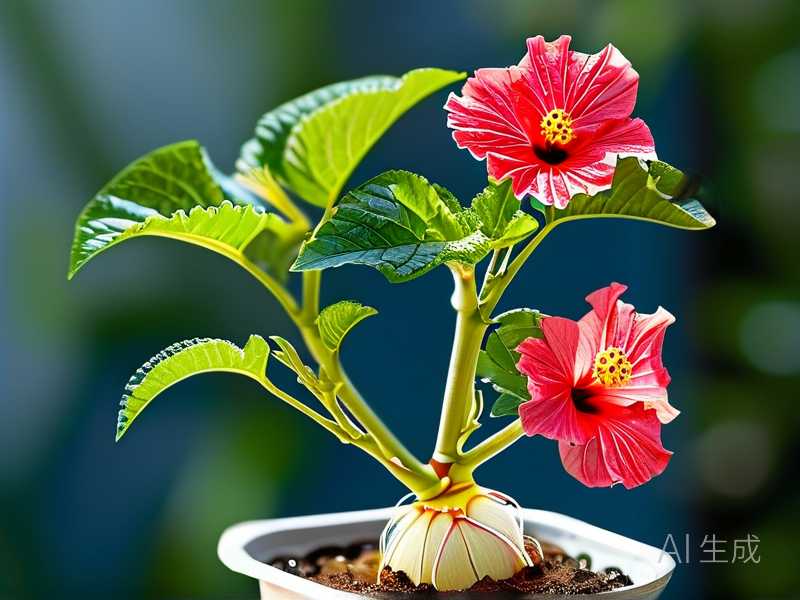
First, I perform a quick health inspection. I look under the leaves for pests like aphids or whiteflies. I check the soil moisture—often, store plants are either soaked or bone dry. I also look for root circling at the drainage holes. Next, I choose a "recovery zone." This is a protected spot with bright, indirect light—my shaded porch is perfect. It’s sheltered from wind and harsh afternoon sun. I keep it here, in its original nursery pot, for the entire two-week process. Repotting now would add another layer of stress.
The Critical Two-Week Acclimation Timeline This isn’t a rushed process. I dedicated a full 14 days, and the results were transformative.
Days 1-3: The Quiet Observation Phase I place the hibiscus in the recovery zone and resist the urge to water or fertilize. My only job is to observe. I note the leaf color and soil dampness daily. On day two, I noticed a slight droop. According to the American Hibiscus Society (AHS), initial wilting is common as the plant adjusts to lower humidity. I gave it a thorough, deep watering until it ran out the bottom, and it perked up within hours. This phase is about letting the plant stabilize.
Days 4-7: Introducing Gentle Morning Sun After the initial adjustment, I start introducing direct sunlight. On day four, I move the plant to a spot that gets gentle morning sun for about 1-2 hours, returning it to the shaded recovery zone for the rest of the day. I gradually increase this sun exposure by 30-60 minutes each day. By day seven, it’s tolerating 3-4 hours of morning sun beautifully. The key is morning light, which is less intense than the scorching afternoon rays.
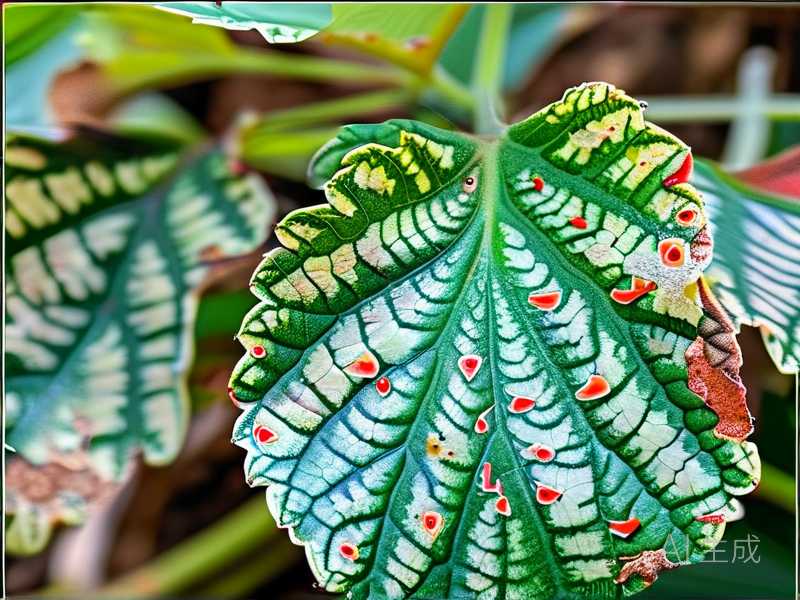
Days 8-14: Building Tolerance and Addressing Issues This is where resilience builds. I now leave it in the morning sun location full-time. I continue monitoring closely. Around day ten, I encountered my first major "pitfall": yellowing leaves. Panic set in, but I diagnosed it. The older leaves were yellowing uniformly, a classic sign of nitrogen deficiency from the depleted nursery soil, not shock. I applied a half-strength, balanced liquid fertilizer, and the yellowing stopped spreading. This is also the time I check for "root-bound" plants. Gently sliding the pot off, I saw tight roots. I prepared for a post-acclimation repot.
Post-Acclimation: Repotting and Long-Term Care Once your hibiscus has weathered the two weeks, it’s ready for its forever home.
The Right Way to Repot Hibiscus I choose a pot only 1-2 inches larger in diameter with excellent drainage. Using a well-draining, slightly acidic potting mix (I blend a standard mix with some peat moss and perlite), I gently tease out the circling roots. I plant it at the same depth it was in the nursery pot, water it well, and return it to its now-familiar sunny spot. The AHS advises against over-potting, as excess soil stays wet and can lead to root rot.
Mastering Watering and Feeding Routines The mantra is consistent moisture, not sogginess. I water deeply when the top inch of soil feels dry. During hot spells in my observation period, this meant every other day. For feeding, I switch to a fertilizer higher in potassium (the third number on the label) to promote blooming, applying it every two weeks during the growing season as per manufacturer instructions.
Optimizing Sunlight for Maximum Blooms A fully acclimated hibiscus craves sun. Mine now thrives in a location that gets a minimum of 6 hours of direct sunlight. More sun equals more of those stunning, dinner-plate-sized flowers. If you notice leaf scorch (brown, crispy patches), it’s a sign it’s getting too much intense afternoon heat; a location with afternoon shade can be ideal in very hot climates.
Troubleshooting Common Acclimation Problems Even with care, issues arise. Here’s how I solved them.
Bud Drop: The Heartbreaker This is the most common complaint. During my first week, I lost three buds. The causes are almost always stress-related: sudden environmental change, underwatering, or overwatering. By sticking to the gradual light introduction and consistent watering schedule, bud drop completely ceased by the third week. The plant was finally comfortable enough to direct energy into blooming.
Yellowing Leaves: Diagnosis is Key Don’t assume it’s one thing. As I learned, uniform yellowing of older leaves points to hunger. Yellowing with green veins can indicate an iron deficiency, often in alkaline soils. Widespread yellowing and wilting scream overwatering. I let the soil dry out more between waterings when I saw the latter signs, and the plant recovered.
Pest Invasions Post-Purchase The stress of moving can make plants susceptible. I found a few aphids on a new shoot. A strong blast of water from the hose knocked them off, and I followed up with an insecticidal soap spray for two applications, a week apart. Regular inspection is your best defense.
Why are all the flower buds falling off my new hibiscus? This is almost certainly due to the stress of moving from the stable greenhouse to your variable environment. It’s the plant’s survival mechanism. Ensure you are following a gradual acclimation for light, avoid moving the plant once buds form, and maintain perfectly consistent soil moisture—not too wet, not too dry. Once the plant adjusts, bud drop will stop.
Should I repot my hibiscus as soon as I buy it? Absolutely not. This is a classic mistake I made early on. Repotting immediately compounds the stress of a new environment. Always allow a full two-week acclimation period in its original pot. Repot only if the plant is severely root-bound, and even then, wait until the end of the acclimation period.
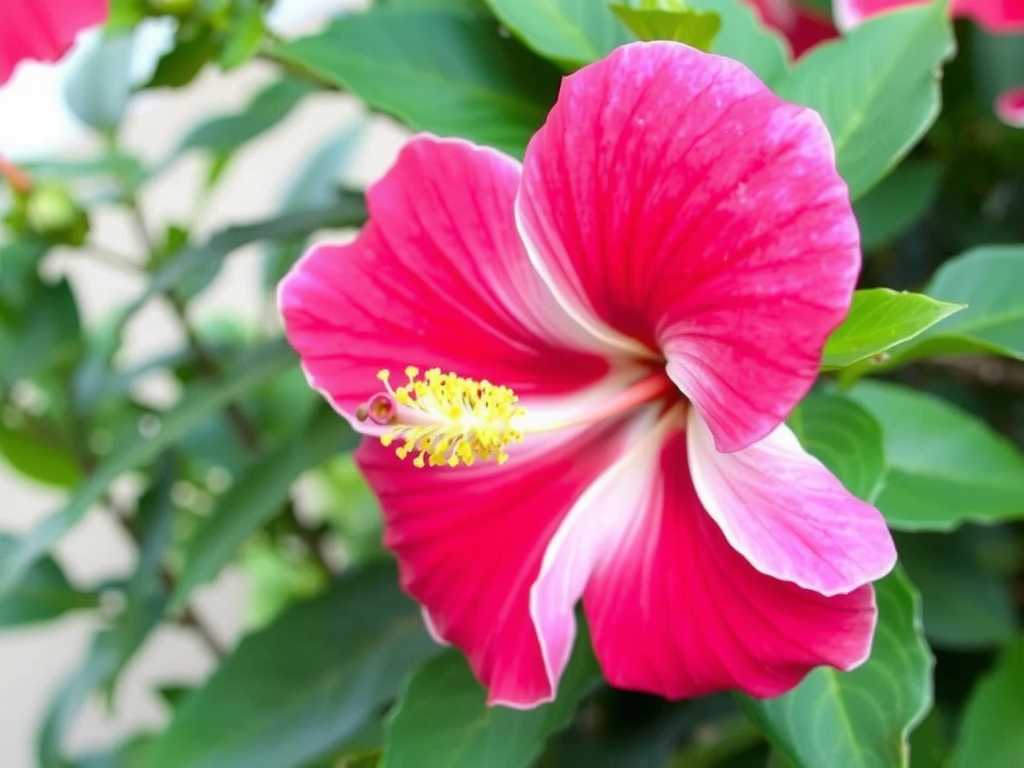
How much sun does a potted hibiscus really need? After successful acclimation, a hibiscus is a sun worshipper. For prolific flowering, it needs a minimum of 6 hours of direct, unfiltered sunlight daily. Morning sun is ideal. In extremely hot climates, some afternoon shade can prevent scorching, but never relegate it to full shade, or it will become leggy and stop blooming.
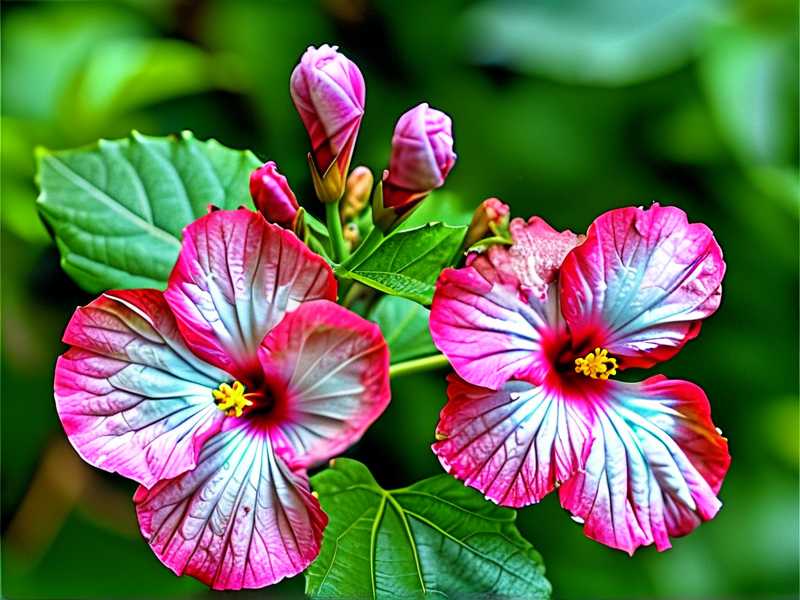
Watching a store-bought hibiscus transform from a shocked, bud-dropping specimen into a robust, bloom-covered centerpiece is incredibly rewarding. The secret lies in patience and a disciplined, gradual introduction to its new home. By dedicating just two weeks to this careful acclimation process—mimicking my own steps of observation, gradual sun exposure, and problem-solving—you build the plant’s strength from the roots up. Forget the disappointment of a failed plant. Give your hibiscus this gentle start, and you’ll be rewarded with a stunning display of tropical color all season long.