bluename
 How to Get Rid of Spider Mites on Hibiscus: Neem Oil Spray
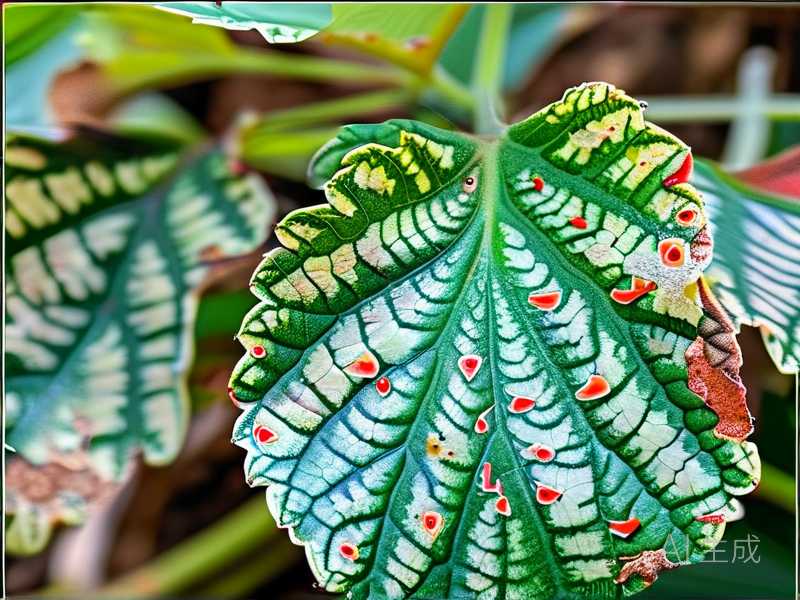
You have nurtured your hibiscus for months, waiting for those vibrant, dinner-plate-sized blooms to appear. Suddenly, you notice the glossy green leaves turning yellow, developing bronze patches, or covered in fine, silky webbing. This is the signature destruction of spider mites, and it can happen faster than you think, especially in dry indoor environments. How to get rid of spider mites on hibiscus: neem oil spray is the most effective organic solution for saving your plant without resorting to harsh chemicals. These microscopic arachnids pierce plant cells to suck out the juices, leaving your hibiscus weak and unsightly.
Identifying the Enemy: It’s Not Just Dust
Many gardeners mistake early spider mite damage for dust or drought stress. By the time you see the webbing, the infestation is already severe. You need to act fast because spider mites reproduce exponentially; a single female can lay hundreds of eggs in a few weeks.
The Tell-Tale Signs
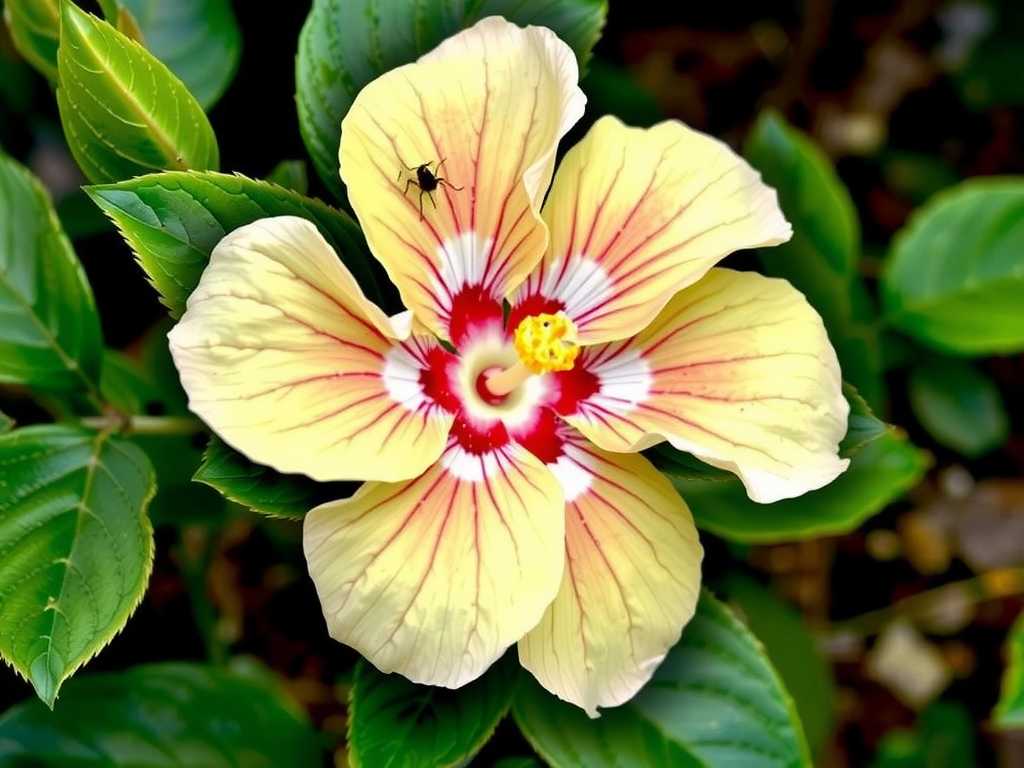
Look closely at the undersides of the leaves. You are searching for tiny moving dots that are often red, yellow, or green. If you see fine webbing connecting the stems and leaves, it is time for immediate intervention. Another diagnostic trick is the "white paper test." Hold a piece of white paper under a branch and tap it sharply. If tiny specks fall onto the paper and start moving, you have confirmed hibiscus spider mite infestation.
Why Hibiscus Are Targets
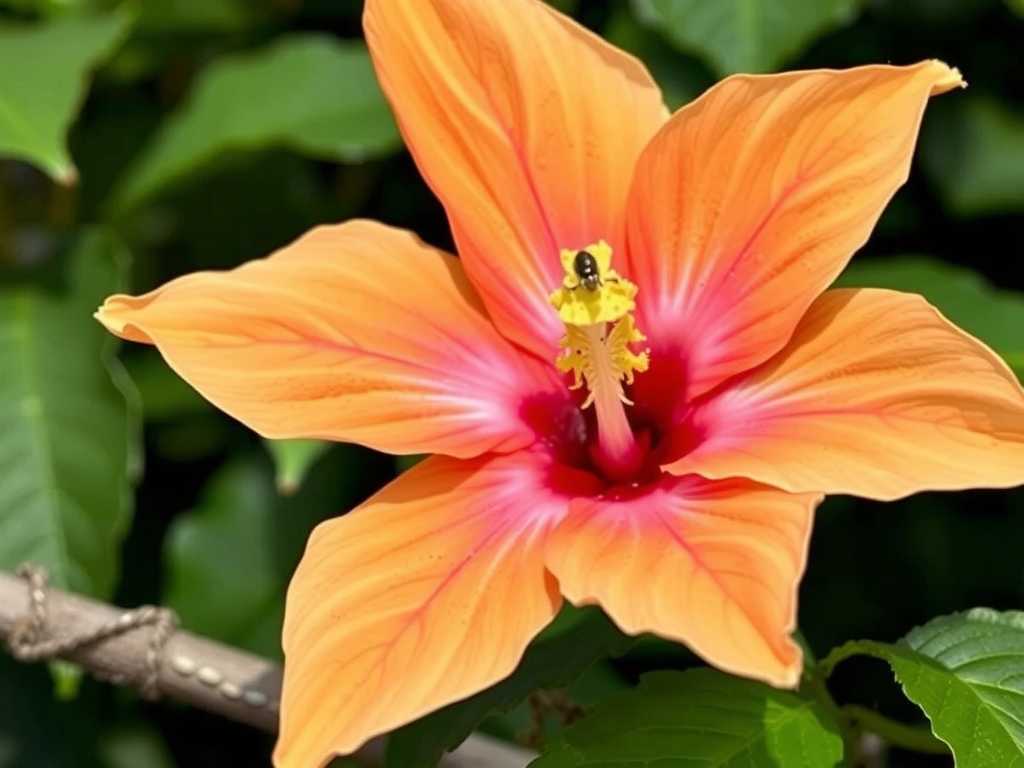
Hibiscus plants are particularly vulnerable because they have soft, succulent foliage that is easy for mites to penetrate. Furthermore, these tropical plants often grow in high-light conditions that mites love, and when grown indoors, the lack of humidity creates the perfect breeding ground for them.
Why Neem Oil Works: The Science of Azadirachtin
Neem oil is not just a folk remedy; it is a potent botanical pesticide derived from the seeds of the neem tree (Azadirachta indica). Its effectiveness comes from a compound called azadirachtin.
Disrupting the Life Cycle
When you apply neem oil, it does not necessarily kill the mites on contact like a chemical insecticide. Instead, it acts as a systemic disruptor. Azadirachtin mimics insect hormones, specifically ecdysone, which regulates molting. When mites ingest or touch treated foliage, they stop feeding and cannot molt into the next stage of life. This effectively sterilizes adults and prevents larvae from maturing, breaking the reproduction cycle.
Repellent Properties
In addition to hormonal disruption, neem oil has a strong odor and bitter taste that deters mites from laying eggs on the treated plant. It creates a barrier that makes your hibiscus an unattractive host. This dual action makes neem oil for hibiscus care a superior choice for long-term management compared to simple contact killers.
The Ultimate Neem Oil Spray Recipe
You cannot simply dump pure neem oil on your plant; it must be emulsified to mix with water. Here is the professional-grade recipe to ensure the oil spreads evenly across the foliage.
Ingredients You Need
1 Liter of Lukewarm Water: Cold water causes the oil to solidify; hot water can damage the oil’s chemical structure.
1 Teaspoon of Pure Neem Oil: Ensure it is 100% cold-pressed and unrefined.
1/2 Teaspoon of Liquid Dish Soap or Horticultural Surfactant: This is the emulsifier. Without it, the oil will float on top of the water and fail to coat the mites. Use a mild soap like Castile soap to avoid burning the hibiscus leaves.
Mixing Instructions
Pour the water into a spray bottle or garden sprayer.
Add the dish soap and shake gently to dissolve it.
Slowly pour in the neem oil while shaking the bottle vigorously. You must shake constantly during application to keep the mixture emulsified.
Application Guide: The "Drench" Method
Spraying the top of the leaves is useless because mites live and breed on the undersides. You must be thorough.
Step 1: Isolate the Plant
Move the hibiscus away from other plants to prevent mites from dropping onto them. If the plant is outdoors, choose a cloudy day or late afternoon. DIY mite killer for hibiscus works best when the sun isn't intense, as the oil can act as a magnifying glass and scorch the leaves (phytotoxicity).
Step 2: The Underside Spray
Lift every leaf and spray the underside until it is dripping wet. The goal is to drown the mites and coat every surface with a thin layer of oil. Do not forget the stem joints where leaves meet the main stalk.
Step 3: Repeat Applications
One application will not kill all the eggs. You must repeat the spray every 5 to 7 days for at least 3 weeks. This schedule ensures that as new mites hatch, they are immediately exposed to the treatment before they can lay more eggs. Consistency is the secret to organic hibiscus pest control.
Safety Precautions and Plant Sensitivity
While neem oil is organic, it is still a powerful substance. Hibiscus varieties with variegated leaves or very delicate blooms can be sensitive to strong concentrations.
The Spot Test
Before drenching the whole plant, spray a single leaf and wait 24 hours. If you see brown edges or burning, dilute the mixture further (1/2 teaspoon of oil per liter of water).
Protecting Pollinators
If your hibiscus is outdoors and blooming, avoid spraying when bees or butterflies are active. Neem oil is generally safe for bees once it dries because it must be ingested to work, but wet spray can harm them. Spray in the early evening when pollinators have returned to their hives.
Integrated Pest Management: Beyond the Spray
Relying solely on neem oil might not be enough if the environment invites re-infestation. You must alter the conditions to make your home inhospitable to mites.
Increase Humidity
Spider mites hate moisture. Use a humidifier near indoor hibiscus or place the pot on a pebble tray filled with water. For outdoor plants, misting the foliage in the morning helps wash away dust and mites.
Pruning Strategy
If specific branches are heavily infested and woody, prune them off. Destroy the cuttings immediately—do not compost them, as mites can survive and spread. This reduces the total population the neem oil needs to tackle.
Introducing Predators
For severe, persistent cases, consider biological control. Ladybugs and predatory mites (like Phytoseiulus persimilis) are natural enemies of spider mites. You can buy these online and release them onto your hibiscus for a self-sustaining defense system.
Troubleshooting: When Mites Persist
Sometimes, mites develop resistance, or the infestation is too deep for neem oil alone.
Symptom: Mites return a week after treatment.
Cause: You missed the egg cycle, or the concentration was too weak.
Solution: Increase the neem oil concentration slightly (up to 2 teaspoons per liter) and add a pinch of cayenne pepper to the mix as an irritant.
Symptom: Leaves turning yellow after spraying.
Cause: Phytotoxicity from spraying in direct sun or using harsh soap.
Solution: Move the plant to shade immediately and rinse the leaves with plain water to remove excess oil residue.
Frequently Asked Questions
Q: How long does it take for neem oil to kill spider mites?
A: Neem oil is not an instant knockdown agent. You will see a reduction in activity within 24 hours, but it takes 3 to 5 days for the mites to die from hormonal disruption. Complete eradication usually takes 2-3 weeks of repeated applications.
Q: Can I use neem oil on hibiscus buds?
A: Yes, but be very gentle. Buds are sensitive. Use a weaker solution (1/2 strength) and spray lightly. Avoid soaking the bud completely to prevent rot.
Q: Is it safe to eat hibiscus flowers treated with neem oil?
A: Neem oil has a very bitter taste that is unpleasant for humans. If you grow hibiscus for tea or culinary use, stop spraying at least 14 days before harvest and wash the flowers thoroughly with a vegetable wash solution.
Successfully managing an infestation requires patience and a multi-pronged approach. By mastering how to get rid of spider mites on hibiscus: neem oil spray, you are not just saving one plant; you are building a resilient garden ecosystem. Remember to check the undersides of leaves regularly, maintain high humidity, and stick to the 5-7 day spraying schedule. Your hibiscus will reward your diligence with lush, pest-free growth and spectacular blooms.