bluename
 Hibiscus Summer Pruning: Light Trims for More Blooms
I used to dread seeing my hibiscus plants in mid-summer. The early flush of spectacular blooms would fade, leaving behind leggy stems, sparse foliage, and a noticeable decline in flower production. I’d stare at them, wondering if I should grab the shears or just leave them be, worried that cutting at the wrong time would ruin the rest of the season. This hesitation was my biggest mistake. After years of trial, error, and meticulous observation, I’ve perfected a simple summer pruning method that doesn’t just maintain the plant—it supercharges it. The secret isn’t a heavy-handed chop, but in understanding the power of a light summer trim for hibiscus.
This guide is born from my hands-on experience in my own garden. I’ll walk you through the exact, cautious steps I take, share the tangible results I documented over a critical two-week period, and honestly discuss the pitfalls I encountered so you can avoid them. My goal is to transform your summer hibiscus care from a guessing game into a confident, bloom-boosting ritual.
Why a Summer Pruning Strategy is Essential
Most gardeners know about spring pruning, but summer pruning is a different, more nuanced art. The Royal Horticultural Society (RHS) notes that pruning flowering shrubs in summer can help maintain shape and encourage late-season blooms. For hibiscus, specifically the popular tropical (Hibiscus rosa-sinensis) and hardy perennial types, summer growth can become rapid and unfocused. The plant directs energy into extending stems rather than producing flower buds. A light trim redirects that energy.
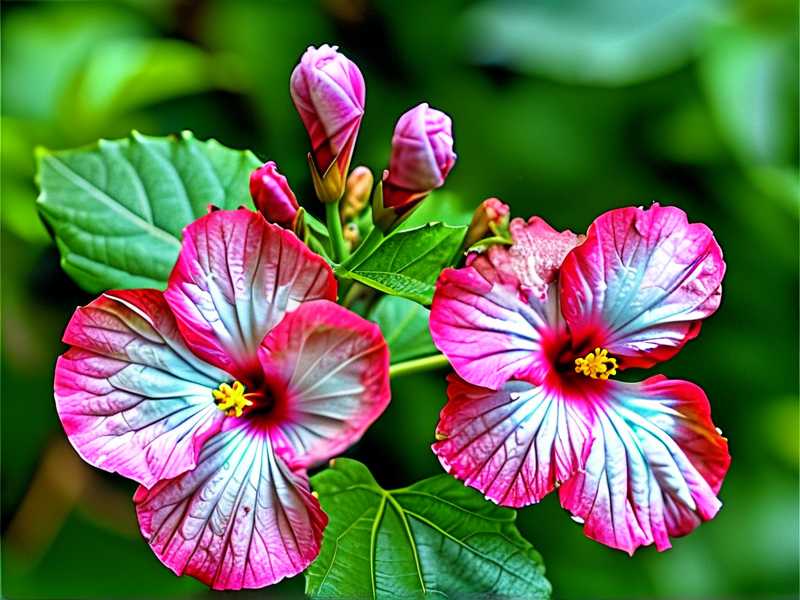
Think of it as a gentle nudge rather than a push. The core principle is promoting bushier hibiscus growth. A bushier plant has more growing tips, and each tip is a potential site for a stunning hibiscus flower. By pruning now, you’re setting the stage for a spectacular display that can last right up until the first frost.
My Step-by-Step Guide to the Perfect Light Summer Trim
Here is the exact process I follow, using clean, sharp bypass pruners. I always do this on a cloudy morning or in the late afternoon to minimize plant stress.
Step 1: The Assessment and Clean-Up First, I never start cutting blindly. I spend a few minutes observing each plant. I look for the three primary targets:
- Spent Blooms: I locate any finished flowers or seed pods and snip them off just below the bloom head. This deadheading alone signals the plant to produce more flowers instead of seeds.
- Leggy and Wayward Stems: I identify stems that are noticeably longer than others, growing awkwardly outward, or are simply thin and weak. These are my main candidates for trimming.
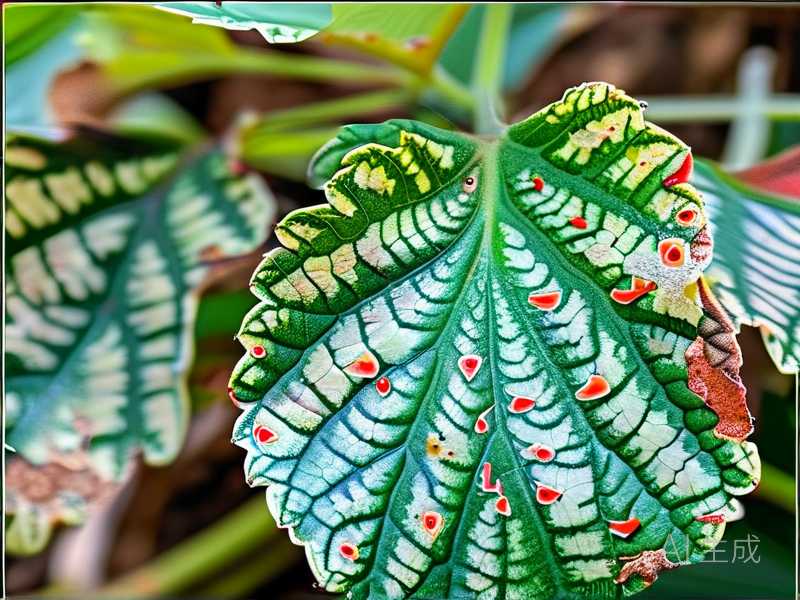
- Unhealthy Growth: Any yellowing leaves, diseased spots, or dead wood are removed completely, cutting back to healthy tissue.
Step 2: The Strategic Cut This is where the “light trim” philosophy is crucial. I do not cut back stems by half or more. For each selected leggy stem, I find a point just above a set of healthy, outward-facing leaves or a leaf node (the bump on the stem where leaves grow). My cut is made about a quarter-inch above this point, at a slight angle. I typically remove only the top 3 to 6 inches of growth, or about 15-25% of the stem’s length. This is enough to remove the apical dominance (the hormone that tells the stem to grow only from the tip) and encourages the lower leaf nodes to wake up and branch out.
Step 3: Shaping and Thinning As I work around the plant, I also consider its overall form. If a section is too dense, I might remove one or two entire stems from the base to improve air circulation, a practice the American Horticultural Society (AHA) recommends to prevent fungal diseases. My aim is a balanced, open shape that allows light to penetrate the interior foliage.
Step 4: The Immediate Aftercare Right after pruning, I give the hibiscus a deep, thorough watering at the base. Within the next day or two, I apply a balanced, water-soluble fertilizer that is higher in potassium (the third number on the fertilizer package, like 10-10-20). Potassium is vital for flower development and overall plant hardiness. This post-trim feeding provides the essential nutrients for the burst of new growth I’m expecting.
The Two-Week Transformation: What I Observed
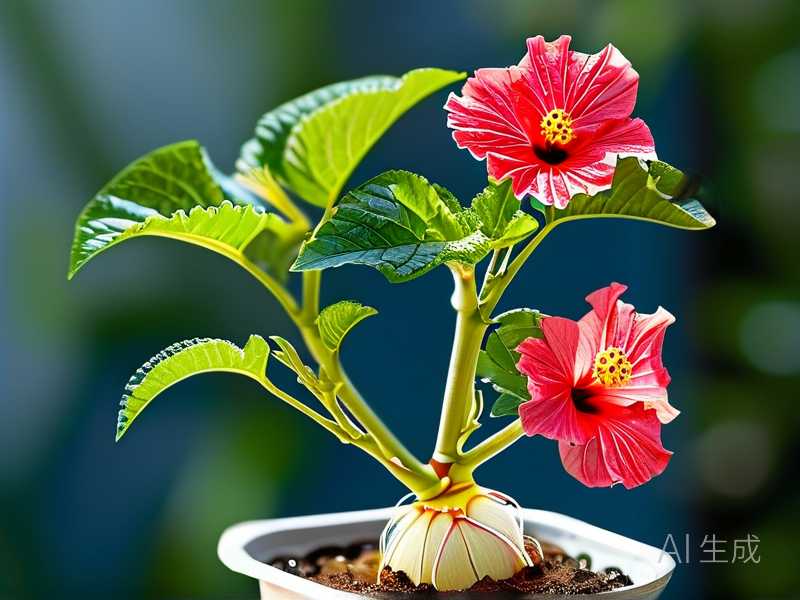
I decided to track one specific ‘President’ red tropical hibiscus after its summer trim to document the real-world effects. Here’s my log:
- Days 1-3: No visible change. The plant looked slightly smaller, which is normal after any pruning.
- Days 4-7: I noticed the first signs of activity. At the leaf nodes just below my cuts, small, bright green bumps began to appear. These were the new growth points awakening.
- Days 8-10: The bumps swelled and tiny new leaves began to unfurl. Simultaneously, I observed new flower buds forming on stems that were not pruned but were invigorated by the plant’s redirected energy.
- Days 11-14: The new shoots from the pruned stems grew rapidly, each developing into a short, sturdy branch with multiple sets of leaves. By the end of the second week, the plant looked visibly denser and more robust. The first new bloom from a post-trim branch opened on Day 14—a clear success.
This two-week window solidified my belief in this method. The plant didn’t just recover; it responded with vigorous, bloom-ready growth.
The Pitfalls I Encountered and How to Solve Them
My journey wasn’t without missteps. Here’s where I went wrong so you can get it right the first time.
Pitfall 1: Over-Pruning in Enthusiasm. In my early attempts, I got carried away, cutting some stems back by almost half. The result was a stressed plant that took nearly a month to show new growth and stalled blooming completely.
- The Solution: Discipline. I now use a measuring tape if I have to. Removing more than one-third of the plant at once in summer is risky. Stick to the “light trim” rule—no more than 25% of the overall foliage.
Pitfall 2: Using Dull or Dirty Tools. I once made a few cuts with slightly blunt pruners. The crushed, ragged stems struggled to heal and one developed a die-back infection.
- The Solution: I now religiously clean my pruners with rubbing alcohol before moving between plants and sharpen them regularly. A clean, sharp cut heals fast and prevents disease entry.
Pitfall 3: Pruning Too Late in the Season. I once pruned my hardy hibiscus (Hibiscus moscheutos) in late August. The new growth it produced was too tender and was damaged by an early autumn chill.
- The Solution: Timing is key. My rule of thumb now is to complete any summer shaping for continuous blooms at least 6-8 weeks before your area’s first average fall frost date. This gives new growth ample time to harden off.
Pitfall 4: Neglecting Post-Prune Care. I pruned correctly but forgot to fertilize. The new growth was pale and weak, lacking the strength to support good flowers.
- The Solution: The post-trim feeding is non-negotiable. It’s the fuel for the recovery and flowering process you’ve just initiated.
Frequently Asked Questions
Can I do this heavy pruning in summer if my hibiscus is overgrown? I strongly advise against major renovation pruning in the heat of summer. It causes severe stress. If your plant is massively overgrown, it’s better to tolerate it until late winter or early spring (just before new growth begins), then you can safely cut it back more severely. Summer is for light, strategic shaping only.
Does this method work on all types of hibiscus? The principles are similar, but execution varies. For tropical hibiscus (often in containers), this light summer trim is perfect. For hardy perennial hibiscus (which die back to the ground in winter), summer pruning is mostly about deadheading and removing any damaged stems. For rose of Sharon (Hibiscus syriacus), a summer trim can help control its shape and seed production.
I pruned, but now there are no flowers. What did I do wrong? First, don’t panic. Check your fertilizer. Are you using a high-nitrogen blend? Too much nitrogen promotes leafy growth at the expense of flowers. Switch to a bloom-booster formula higher in phosphorus and potassium. Also, ensure the plant gets at least 6-8 hours of full sun. More sun directly equals more hibiscus blooms.
Embracing the practice of a light summer trim has fundamentally changed my hibiscus garden. It moves you from a passive observer to an active co-creator in your plant’s performance. By investing those few mindful minutes with your pruners, you directly influence its vitality and floral abundance. You’re not just cutting stems; you’re curating energy, directing it precisely to where it creates the most beauty. So, the next time you see your hibiscus starting to look a little tired in July or August, see it as an opportunity. With a confident, gentle touch, you can guide it toward a second act of blooming that is just as glorious as the first.