bluename
 The Gentle Art of Indoor Hibiscus Dust Removal: Mastering the Soft Cloth & Water Method
That stunning indoor hibiscus, with its vibrant, trumpet-shaped blooms, is the centerpiece of your living space. But lately, you’ve noticed a dull film settling on its lush, green leaves. Dust isn't just an eyesore; it’s a silent threat to your plant's health, clogging the very pores it uses to breathe and photosynthesize. Harsh cleaning methods can damage delicate foliage, leaving you wondering how to restore its shine without causing harm. The solution is simpler and more effective than you might think. This guide will unveil the expert-recommended Indoor Hibiscus Dust Removal: Soft Cloth & Water Method, a cornerstone of proper plant care that ensures your tropical beauty thrives, not just survives.
Why Dust is a Major Problem for Your Indoor Hibiscus
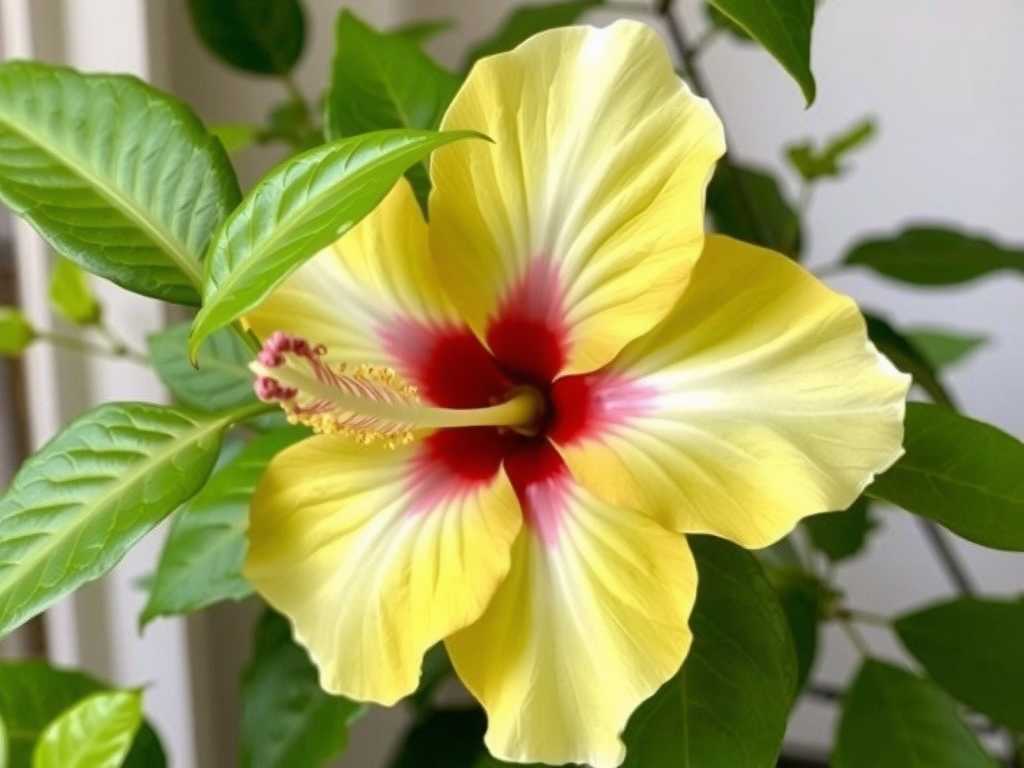
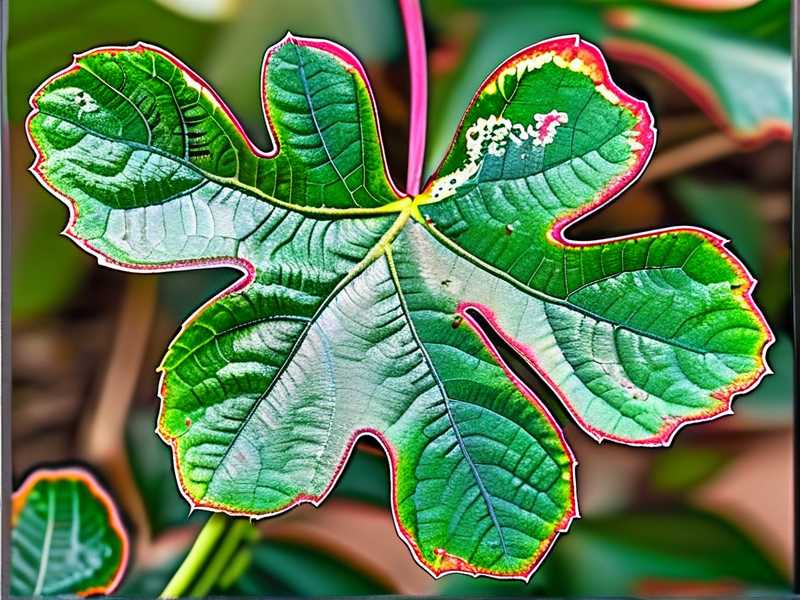
Before we dive into the cleaning process, it’s crucial to understand why regular leaf cleaning is non-negotiable. A hibiscus leaf is a complex living system. Its surface is covered in microscopic stomata—tiny pores that facilitate gas exchange and transpiration. A layer of dust acts like a blanket, physically blocking these pores.
The consequences are significant. Impaired photosynthesis means your plant produces less energy for growth and those spectacular flowers. Reduced transpiration can disrupt the plant’s internal water flow. Furthermore, dust can attract pests like spider mites, who thrive in dry, dusty conditions. A 2021 study in the Journal of Horticultural Science noted that plants with clean leaves showed a measurable increase in photosynthetic efficiency compared to their dusty counterparts. Simply put, cleaning your hibiscus leaves is as vital as watering its roots.
Essential Tools for the Perfect Clean
The beauty of the Soft Cloth & Water Method for Hibiscus lies in its simplicity and safety. You only need a few items, likely already in your home:
- Soft, Lint-Free Cloths: Microfiber cloths are ideal. Their fine fibers trap dust effectively without scratching. Avoid paper towels, which can be too abrasive and may leave lint.
- Lukewarm Water: Always use lukewarm, filtered, or distilled water if possible. Cold water can shock the plant, and tap water may leave mineral spots on the leaves as it dries.
- A Gentle Spray Bottle (Optional): Useful for lightly misting the cloth or for a preliminary rinse if the plant is very dusty.
- A Bowl or Sink: To hold your water and rinse your cloth.
Step-by-Step: The Proven Soft Cloth & Water Cleaning Technique
Follow this detailed, gentle process to safely remove dust and promote plant health.
1. Preparation and Inspection Choose a time when your plant is not in direct, hot sunlight—early morning or evening is perfect. This prevents water droplets from acting as magnifying glasses and burning the leaves. Before you start, take a moment to inspect both the top and underside of the leaves. This is your chance to spot early signs of pests or disease, such as sticky residue, webbing, or discolored spots.
2. The Supporting Hand Technique Never wipe a leaf that is unsupported from underneath. For each leaf, place your non-dominant hand gently underneath it to provide a firm backing. This prevents tearing or bending the leaf at the stem, a common point of injury. As noted by horticulturist and author Maria Costa, "Supporting the leaf is the single most important step in preventing accidental damage during cleaning."
3. Dampen and Wipe, One Leaf at a Time Dampen your soft cloth in the lukewarm water and wring it out thoroughly. It should be damp, not dripping wet. Starting from the base of the leaf (where it meets the stem), wipe gently along the natural direction of the veins toward the tip. Use smooth, even strokes. Turn the cloth frequently to a clean section. Pay special attention to the underside of the leaves, where dust and pests often accumulate. Use a fresh cloth or thoroughly rinse yours if it becomes heavily soiled.
4. Drying and Final Touches Allow the leaves to air dry naturally in a well-ventilated, shady spot. If you notice any stubborn water spots, you can give them a final, gentle buff with a dry, clean microfiber cloth. This extra step will leave your hibiscus with a brilliant, healthy shine.
Advanced Tips for a Flourishing Hibiscus
Once you’ve mastered the basic dust removal for indoor hibiscus plants, consider these pro tips to elevate your care routine.
- Frequency is Key: Incorporate leaf cleaning into your regular monthly plant care schedule. In particularly dusty homes or during dry seasons, you may need to do it every two weeks.
- What to Avoid: Steer clear of leaf-shining products or homemade solutions like milk or mayonnaise. These can clog stomata even worse than dust. The simple combination of water and a soft cloth is all the "shine" your plant needs.
- Combine with Overall Care: The best time to clean leaves is during your regular watering check. Healthy leaves start with a consistent watering schedule (allowing the top inch of soil to dry out), bright indirect light, and balanced fertilization during the growing season.
Addressing Your Top Hibiscus Care Concerns
Can I use a feather duster on my hibiscus? While a feather duster might seem convenient, it often just redistributes dust into the air, allowing it to settle back on the leaves and surrounding soil. It does not remove the dust layer from the stomata. The physical, gentle wiping action of the damp cloth method is far more effective for actual cleaning hibiscus leaves safely.
My hibiscus leaves are sticky. What should I do? Stickiness is often a sign of sap-feeding pests like aphids or scale. In this case, the soft cloth and water method is an excellent first line of defense. The wiping action can physically remove many pests. For a more thorough treatment, add a drop of mild, liquid Castile soap to your bowl of water. Wipe as described, then rinse the leaves gently with clean water to remove any soap residue. Isolate the plant from others until the issue is resolved.
How often should I be cleaning the leaves? For most indoor environments, a thorough cleaning once a month is sufficient. However, let your plant and home environment be your guide. If a visible layer of dust accumulates faster, increase frequency. Regular cleaning not only maintains health but also deepens your connection with your plant, allowing you to notice subtle changes in its well-being.
Maintaining a vibrant indoor hibiscus is deeply rewarding, and its care hinges on fundamental practices done correctly. By consistently employing the gentle, effective Soft Cloth & Water Method, you directly support its core biological functions. This practice, rooted in understanding plant physiology rather than quick fixes, ensures that your hibiscus will continue to purify your air, elevate your space, and reward your care with breathtaking blooms for seasons to come.