bluename
 Tropical Hibiscus Cold Damage Repair: Trim & Regrow Guide
There’s a special kind of heartbreak that comes with walking into your garden after an unexpected frost or a sudden cold snap. One day, your vibrant tropical hibiscus is a masterpiece of glossy green leaves and flamboyant blooms; the next, it’s a wilted, blackened, and seemingly lifeless sculpture of despair. If you’re staring at a damaged plant right now, feeling that mix of panic and sadness, I’ve been there. I’ve also learned, through trial, error, and patient observation, that all is often not lost. This guide is born from my hands-on experience nursing several prized hibiscus plants back to health after a damaging cold event. I’ll walk you through the exact steps I took, the mistakes I made along the way, and what you can realistically expect over the crucial recovery period.
Understanding the Enemy: What Cold Does to Your Hibiscus
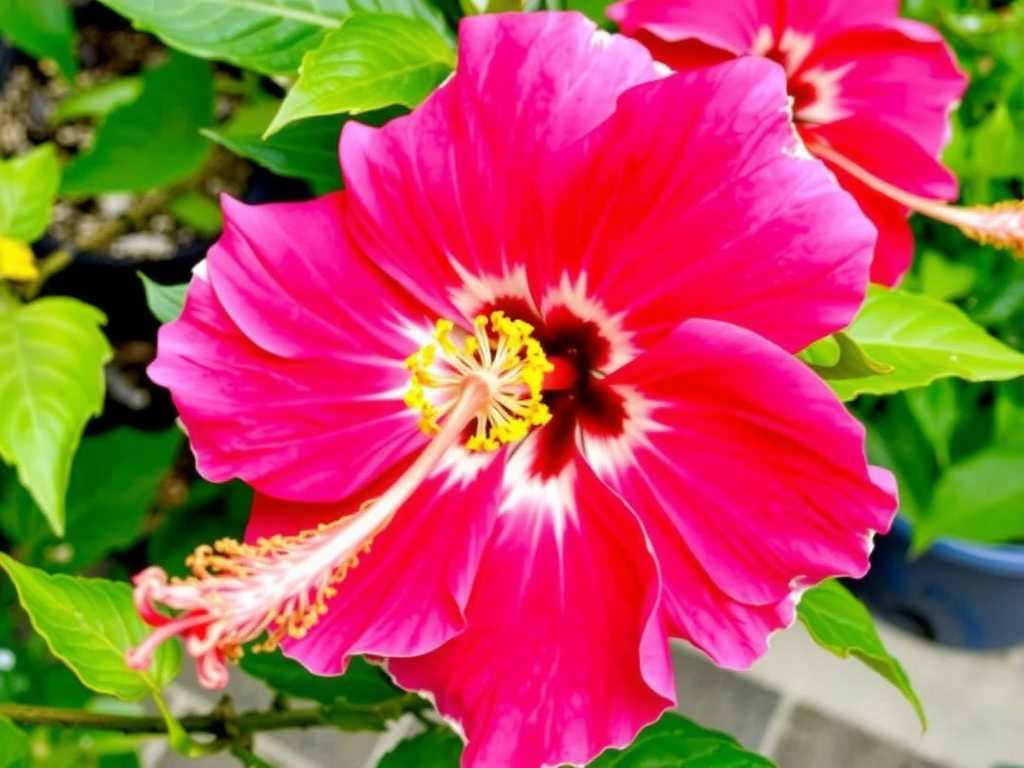
Before we grab the pruners, it’s crucial to understand what we’re dealing with. Tropical hibiscus (Hibiscus rosa-sinensis) are exactly that—tropical. They thrive in warmth and humidity, and their cells are not equipped to handle freezing temperatures. When the mercury drops, the water inside the plant’s cells can freeze, forming ice crystals that rupture the cell walls. This is what causes the telltale signs: black or brown, mushy leaves and stems, and a general appearance of being “cooked.”
The American Horticultural Society’s (AHS) Plant Heat-Zone Map, alongside the familiar Hardiness Zones, is a great resource that underscores their sensitivity. These plants are not just avoiding freezing; they truly languish when temperatures dip consistently below 50°F (10°C). The damage you see above ground is often just part of the story; the real question is whether the roots and lower stems have survived.
My Step-by-Step Recovery Protocol: Patience Over Haste
My approach is methodical, prioritizing assessment and gentle care over drastic, immediate action. Rushing can often do more harm than good.
Step 1: The Initial Assessment and Critical “Do-Nothing” Period
When I first discovered the damage, my instinct was to panic-prune everything in sight. This was my first mistake. Instead, move the plant to a sheltered, slightly warmer location if it’s in a container. For in-ground plants, note its condition but resist intervention. The most important step now is to wait. Give the plant 48 to 72 hours after the cold event has completely passed. This waiting period allows the full extent of the damage to reveal itself. Tissues that might look grim initially could still be viable, while areas that seem okay might later brown and die back. During this time, I simply ensured the plant was not subjected to further stress, like wind or more cold.
Step 2: The Strategic Trim: Where and How to Cut
After the waiting period, it’s time for careful surgery. You’ll need a pair of sharp, clean bypass pruners. I disinfect mine with rubbing alcohol to prevent introducing disease to the plant’s open wounds.
- Identifying Live Wood: This is the key skill. Start by gently scratching the bark with your fingernail or a small knife. Healthy, living tissue underneath will be green and moist. Brown, dry, or mushy tissue underneath is dead. Work your way down the stem from the tip.
- Making the Cut: Make your cuts about a quarter-inch above a leaf node (the bump on the stem where a leaf grows) or a visible bud, ensuring the tissue below the cut is green. Always cut at a slight angle so water runs off. If an entire stem is brown and dry all the way down, trace it back to its origin near the base and remove it there.
- How Much to Remove? My rule is “remove only what is unquestionably dead.” Even if a stem has no leaves, if the wood beneath the bark is green, leave it. It may resprout. On one of my plants, I got overzealous and cut back stems that were merely leafless but still alive, setting back its recovery by weeks. It’s better to do a conservative trim now and potentially a second light trim later if some sections don’t push new growth.
Step 3: Post-Trim Care and The Two-Week Watch
This is where the real nurturing begins. Your plant is in shock and needs a stable, supportive environment to muster its energy for regrowth.
- Watering Wisely: This is critical. Damaged roots cannot uptake water efficiently. Overwatering will lead to root rot, which is a death sentence. I water deeply but infrequently, only when the top 1-2 inches of soil are dry to the touch. The goal is to keep the root zone slightly moist, not soggy.
- Hold the Fertilizer: Do not fertilize! The plant is not actively growing and cannot use the nutrients. Fertilizing now will chemically burn the tender, surviving roots and force unhealthy growth. I made this error once, resulting in yellowing leaves and further stress. Wait until you see strong, new growth (at least 3-4 inches of new stem and leaves) before applying a half-strength balanced fertilizer.
- Optimal Placement: Provide bright, indirect light. Avoid placing it in full, scorching sun immediately, as the reduced foliage makes it more susceptible to sunburn. A spot with morning sun and afternoon shade is ideal.
- Humidity Help: Tropical plants love humidity. I placed my potted hibiscus on a pebble tray filled with water (ensuring the pot sat above the waterline) or lightly misted the area around it occasionally to boost local humidity.
My Two-Week Observation Log: What Actually Happened
Here’s the real-world timeline I documented for my most recent recovery project:
- Days 1-3 (Post-Trim): The plant looked sparse and sad, just a few green stems. No visible activity. I focused on maintaining soil moisture and stable temperature.
- Days 4-7: The first signs of hope! Tiny, reddish bumps (buds) began to swell at the leaf nodes I had left just below my cuts. This was the confirmation that my assessment of live wood had been correct.
- Days 8-14: The buds slowly unfurled into bright green, often reddish-tinged new leaves. Growth was slow but unmistakable. Not every cut stem sprouted, but about 70% did. I noticed the new growth was initially concentrated lower on the plant, closer to the base and main stems, which is a common and healthy pattern.
- Day 14 and Beyond: By the end of the second week, the plant had a definite “new look” with several clusters of fresh foliage. It was no longer a victim; it was clearly in recovery mode. This is when I began to breathe easier and start planning for its long-term strengthening.
Common Pitfalls I Encountered (And How to Fix Them)
- Premature Pruning: As mentioned, cutting too soon wastes viable plant material. Solution: Enforce the 2-3 day waiting rule without exception.
- Overwatering in Desperation: Wanting to “help,” I drowned the roots. Solution: Use the finger test for soil moisture religiously. When in doubt, wait another day.
- Expecting Instant Blooms: Recovery is for leaves and stems first. Solution: Manage your expectations. It took my plant nearly 8 weeks from the initial trim to produce its first post-trauma flower. The plant’s energy is rightly focused on rebuilding its photosynthetic engine (leaves) before investing in reproduction (flowers).
Expert Insight for Confidence
To bolster my practical approach, I align it with expert guidance. The Royal Horticultural Society (RHS) advises a similar patient methodology for frost-damaged plants, emphasizing the importance of not cutting into live wood and protecting plants from further frosts after initial damage. This authoritative backing reinforces that the “wait-and-see” tactic isn’t just gardener folklore; it’s sound horticultural practice.
Looking Ahead: Long-Term Health After the Crisis
Once your hibiscus is actively regrowing, you can gradually return it to its normal care routine. Resume regular fertilization at half-strength when growth is vigorous. Continue to monitor for pests, as stressed plants are more vulnerable. Most importantly, learn from the experience. Consider whether you need a better winter protection strategy, like moving potted plants indoors earlier or using frost cloth for in-ground specimens.
Questions I’m Often Asked
How long should I wait before giving up on a cold-damaged hibiscus? Be patient for an entire growing season. If, by mid-to-late summer, there is absolutely no sign of green growth from the base or stems after a proper trim, and the stems snap dryly, the plant may be lost. However, I’ve had plants resprout from the roots surprisingly late in the season.
My hibiscus lost all its leaves after the cold. Is it dead? Not necessarily. A complete loss of leaves is common. Focus on the stems. If the stems are still flexible and show green inside when scratched, the plant is very much alive and will likely releaf once conditions stabilize.
Should I repot my hibiscus right after cold damage to help it? Absolutely not. Repotting is a significant stressor involving root disturbance. Your plant is already at its stress limit. Repotting should only be considered once the plant is fully recovered and actively growing, ideally in the following normal growing season.
Watching a tropical hibiscus recover from cold damage is a lesson in plant resilience and gardener’s patience. The process requires a gentle hand, a watchful eye, and the discipline to sometimes do less rather than more. By following these assessed, step-by-step actions—resisting the urge to over-prune or over-love with water and fertilizer—you give your plant the strongest possible foundation for a triumphant return. That first new leaf, and eventually that first dazzling bloom, will be all the more rewarding knowing you played a crucial role in its comeback story.