bluename
 Hibiscus Soil Drainage Test: The Easy DIY Method That Saved My Plants
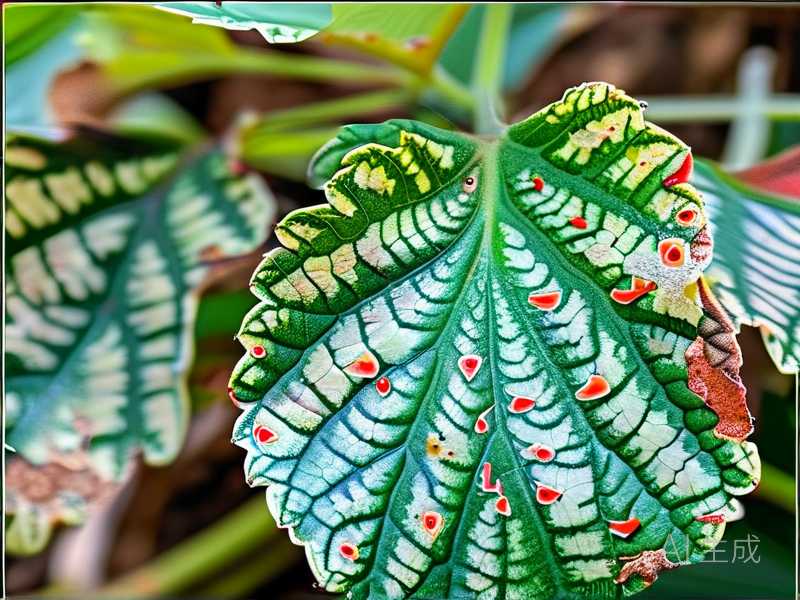
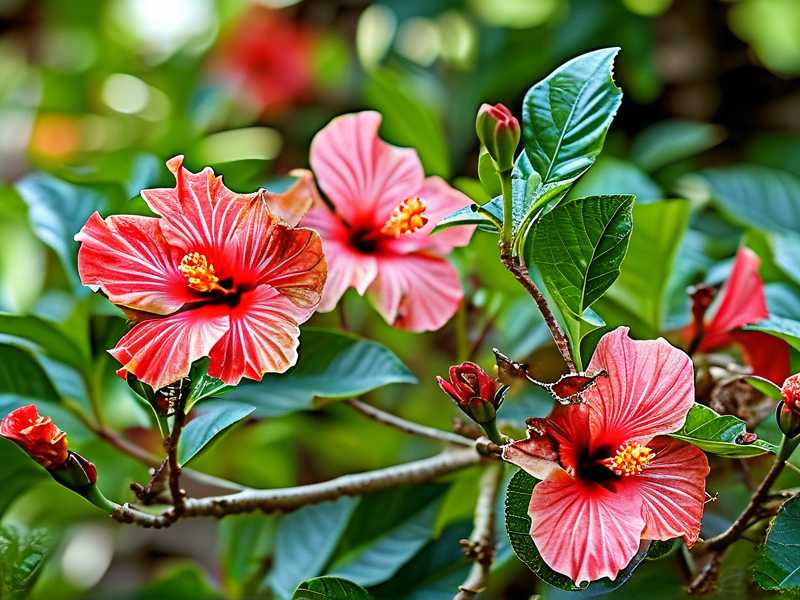
I almost lost my prized hibiscus last season. Despite regular watering and feeding, the leaves turned a sickly yellow, growth stalled, and the buds dropped before they could bloom. I was following all the general advice, but my plant was clearly unhappy. The culprit, as I frustratingly discovered after much research, wasn’t a pest or a disease—it was the silent killer lurking beneath the surface: poor soil drainage. Hibiscus roots absolutely despise “wet feet,” and I was essentially suffocating them. That’s when I decided I needed to get to the root of the problem, literally, by learning how to perform a simple hibiscus soil drainage test. This easy, do-it-yourself method completely changed my gardening game, and I want to walk you through exactly how I did it, what I learned over a crucial two-week observation period, and the mistakes I made along the way so you can avoid them.
Why Your Hibiscus Lives or Dies by Drainage
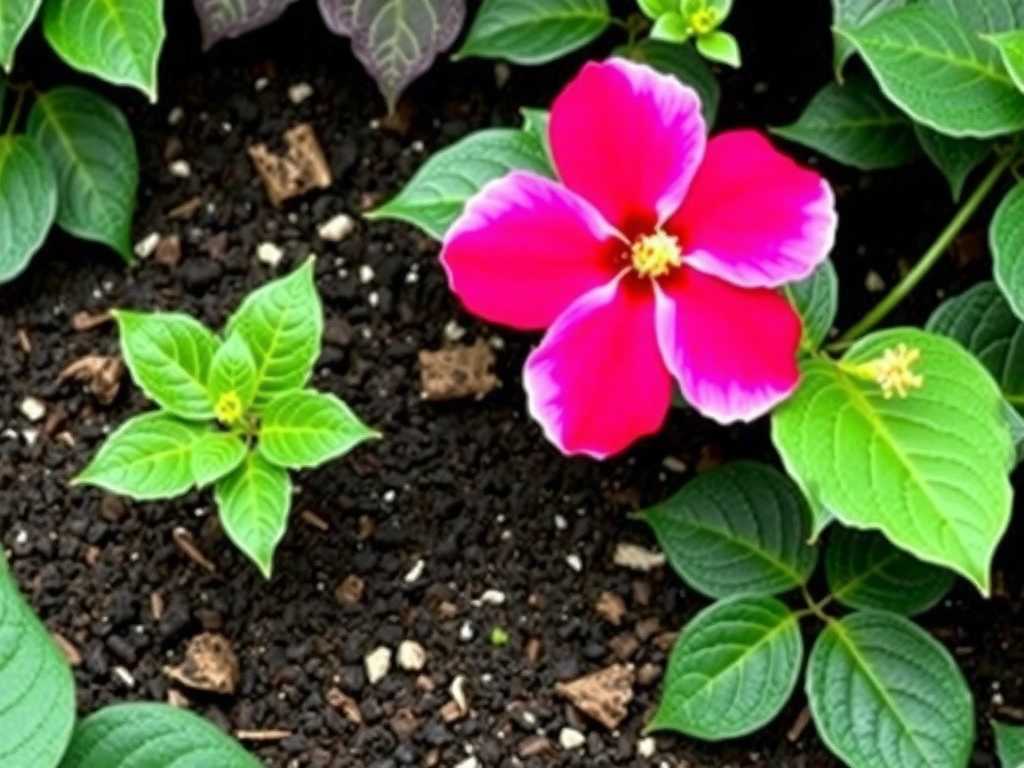
Before we get our hands dirty, it’s crucial to understand the “why.” Hibiscus plants, whether tropical or hardy varieties, have root systems that require a delicate balance of moisture and air. According to the American Hibiscus Society (AHS), “Excellent drainage is the single most important factor in growing healthy hibiscus.” When soil remains waterlogged, air pockets are flooded, and roots begin to rot. This rot prevents the plant from absorbing water and nutrients, leading to the very symptoms we often misdiagnose as underwatering: yellowing leaves, wilting, and bud drop.
My own mistake was assuming my store-bought potting mix was sufficient. I learned the hard way that even quality mixes can break down over time, becoming compacted and losing their drainage properties. Performing a DIY soil drainage test for hibiscus isn’t just a troubleshooting step; it’s a fundamental practice for any hibiscus enthusiast, especially beginners. It gives you concrete data about your soil’s physical structure, moving you from guesswork to informed care.
The Simple Two-Part DIY Drainage Test I Used
You don’t need fancy equipment for this. I gathered a shovel, a ruler, a timer, a notebook, and a watering can.
Part 1: The Perk Test (For Potted Hibiscus)
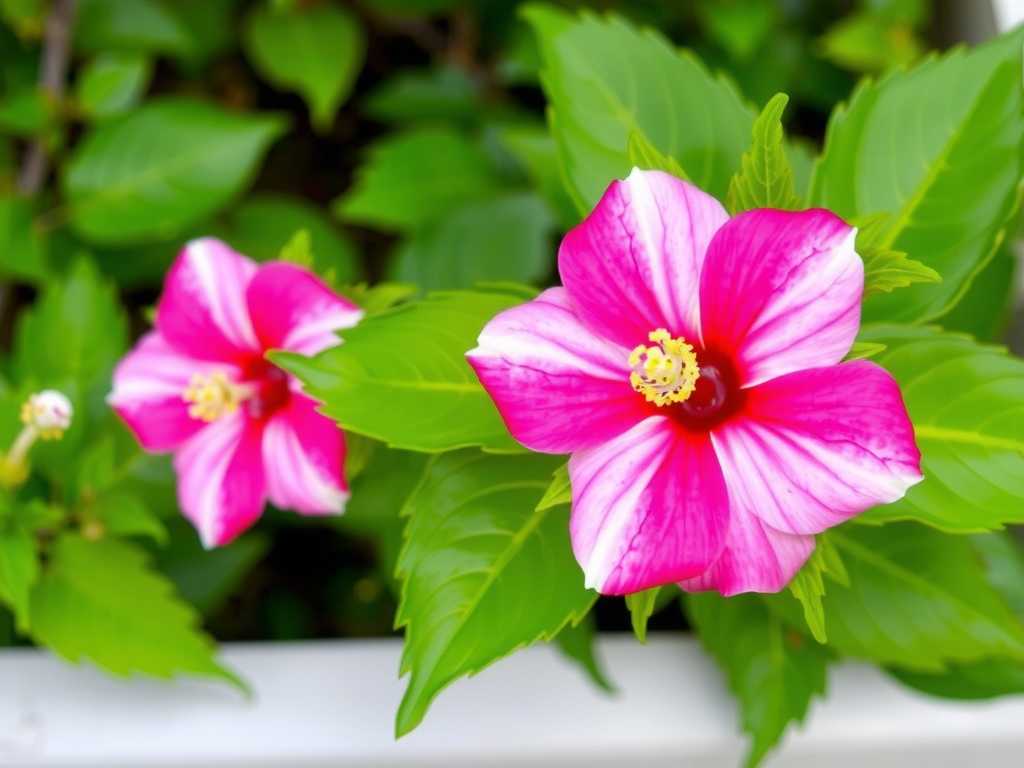
This was my starting point since my troubled plant was in a container.
- Water Thoroughly: I took my hibiscus to a spot where it could drain freely and watered it slowly until I saw water running steadily out of the bottom drainage holes. This ensured the entire soil column was saturated.
- Observe the Drainage: Here was my first “aha” moment. Instead of draining quickly, the water pooled on the soil surface for nearly a minute before slowly seeping out. This immediate red flag indicated compaction or a poor soil mix.
- The 60-Minute Check: After one hour, I carefully inserted a wooden skewer deep into the pot. It came out muddy and wet. Ideally, the top few inches should begin to feel slightly drier. Mine was uniformly soggy.
Part 2: The Hole Test (For In-Ground or Final Potting Mix Check)
This test, often recommended by horticultural extensions like the RHS (Royal Horticultural Society), measures the actual rate of water movement.
- Dig: I dug a hole about 1 foot deep and 1 foot wide in the area where I planned to plant a new hibiscus (or you can do this in an empty pot you’re preparing).
- Fill and Time: I filled the hole with water and let it drain completely to pre-moisten the surrounding soil. Then, I filled it again. This time, I noted the start time.
- Measure: I checked the water level every 30 minutes, marking the drop with my ruler. I continued measuring until the hole was empty.
Interpreting My Results: The Good, The Bad, and The Soggy
The RHS provides a clear benchmark for testing soil drainage for tropical plants. Optimal drainage is around 1 to 2 inches per hour. My results were shocking:
- My Container Mix: The hole test in a fresh batch of my potting mix showed a drainage rate of less than 0.5 inches per hour. This was officially “poorly drained.”
- My Garden Bed: The rate was slightly better but still slow at about 0.75 inches per hour.
This data explained everything. My hibiscus roots were sitting in a slow-draining, oxygen-poor environment. I needed to take corrective action immediately.
My Two-Week Rescue Mission and Observation Log
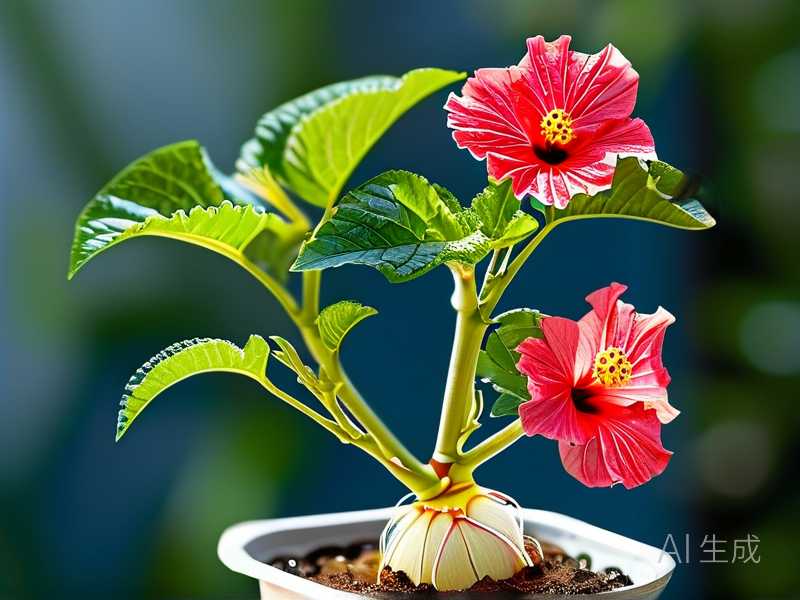
Armed with this knowledge, I embarked on a two-week project to fix the drainage. I decided to repot my struggling hibiscus using a newly amended, fast-draining mix.
Week 1: Action and Adjustment I created a new soil blend using a base of high-quality potting soil and amended it heavily with perlite (about 30%) and a smaller amount of coarse orchid bark (about 20%). This was to dramatically increase aeration and create permanent drainage channels. During repotting, I confirmed my suspicions: the root ball was dark, mushy, and had a faint sour smell. I gently washed away the old soil and pruned the severely rotted roots. After repotting, I performed the hole test again on my new mix in an empty pot. The result was a drainage rate of over 2 inches per hour—perfect! I watered the repotted plant once to settle the soil and then placed it in bright, indirect light to recover from the shock.
The First Week’s “Gotcha”: I made a critical mistake. In my zeal to fix the drainage, I used a pot that was too large. The excess volume of damp soil around the small, pruned root ball stayed wet for too long, threatening new rot. I caught this early by sticking my finger into the soil. The surface was dry, but just an inch down, it was still cool and moist. I realized I had over-corrected.
Week 2: Course Correction and Signs of Life To solve the oversized pot issue, I didn’t repot again. Instead, I became extremely disciplined with my watering. I withheld all water until my finger test confirmed the top 1.5 inches were dry. This forced the roots to seek out moisture and encouraged growth. By the end of the second week, the change was undeniable. The yellowing on the remaining leaves had halted. More importantly, I spotted tiny, bright green bumps—new growth nodes—forming along the stems. The plant was no longer in survival mode; it was actively recovering. The simple drainage check for hibiscus health had not only diagnosed the problem but guided the successful treatment.
How to Fix Poor Drainage: Solutions That Work
Based on my experience and expert guidance, here are your action plans:
- For Pots: Always use a pot with multiple drainage holes. Amend standard potting soil with inorganic materials like perlite, pumice, or coarse sand. A 3:1:1 ratio of potting soil, perlite, and pine bark is a great starting point for improving hibiscus soil aeration.
- For Garden Beds: If your hole test shows slow drainage, consider raising the planting area. Create a raised mound or a formal raised bed filled with a well-amended soil mix. For minor issues, incorporating several inches of compost and coarse grit into the native soil can improve structure over time.
My Top Tips for Success and the Pitfalls to Avoid
- Don’t Skip the Pre-Test: Always test your new potting mix or garden bed before planting. It’s easier to fix an empty hole than a planted one.
- Beware the “Drainage Layer” Myth: I used to put gravel at the bottom of pots. This is a common mistake. It actually creates a “perched water table” and can make drainage worse. Better to have a uniform, well-draining mix throughout.
- The Finger is Your Best Tool: After repotting, let the plant tell you when to water. Use the finger test religiously. A moisture meter can be a helpful backup, but your finger is the most reliable gauge.
Common Questions from Fellow Hibiscus Growers
How often should I perform this drainage test? I recommend doing it once a year, ideally at the start of the growing season. Also, test any new bag of potting mix before you use it, and always test a new planting site in your garden.
My soil drains too quickly. Is that a problem? Extremely fast drainage (over 4 inches per hour) can mean the soil is too sandy and won’t retain enough nutrients or moisture. Your hibiscus might require very frequent watering. The fix is to amend with water-retentive yet well-aerating materials like coconut coir or high-quality compost.
I fixed the drainage, but my hibiscus still looks sad. What now? Recovery takes time, especially if root rot was significant. Ensure the plant is getting adequate sunlight (6+ hours) and hold off on fertilizing until you see strong new growth. The plant’s energy needs to go into rebuilding roots, not supporting flowers or excess foliage. Patience is key.
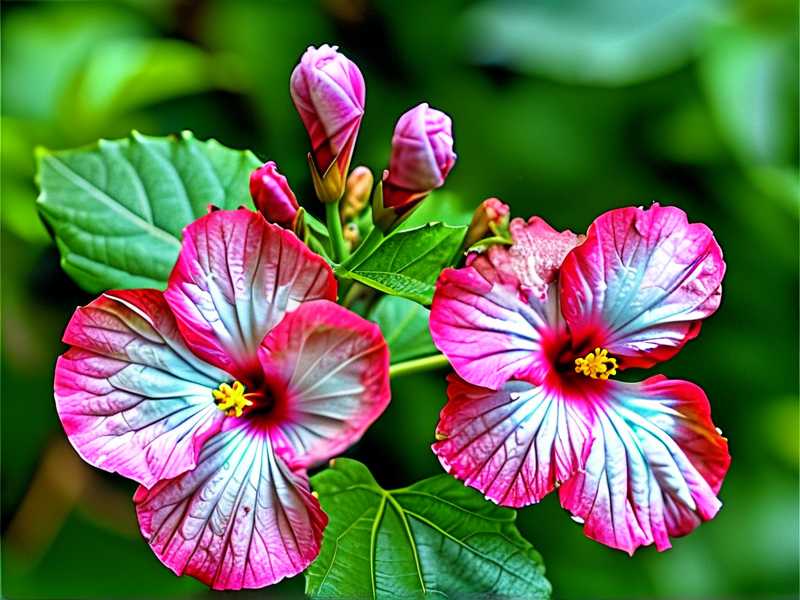
Mastering the hibiscus soil drainage test transformed me from a worried plant owner into a confident gardener. This simple, DIY method provides the clarity needed to give your hibiscus the foundation it truly needs. It’s not just about preventing rot; it’s about creating an environment where those spectacular, dinner-plate-sized blooms can thrive. Take an afternoon to test your soil—your hibiscus will thank you with a season of vibrant, healthy growth.