bluename
 Hardy Hibiscus Mulching Tips: Best Materials for Winter
I’ve lost count of how many times I’ve held my breath through winter, anxiously waiting to see if my prized hardy hibiscus would push out new growth come spring. That first winter, I made the costly mistake of thinking these stunning plants were as tough as their name suggested without a proper winter coat. The result was heartbreaking stunted growth and a season of recovery, not blooms. If you’re worried about your hibiscus surviving the cold, you’re not alone. The secret isn’t just in the planting; it’s in the protective blanket you tuck it in with. As a hands-on gardener who’s tested materials through frost, snow, and unexpected thaws, I’ve learned that winter mulching for hardy hibiscus is the single most effective practice to guarantee a vibrant return. Let me walk you through the best materials and my real-world process, including the pitfalls I navigated.
Why Your Hardy Hibiscus Deserves Special Winter Care
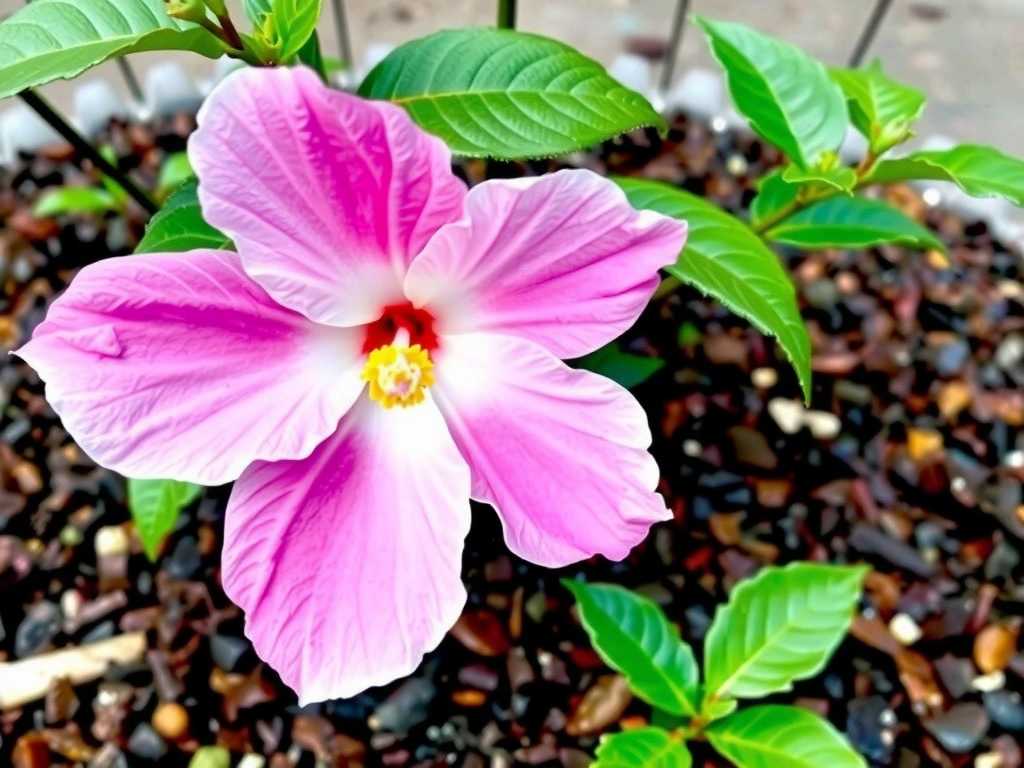
Unlike many perennial shrubs that go fully dormant, hardy hibiscus (Hibiscus moscheutos and hybrids) are late to emerge in spring. Their crown—the crucial point where stems meet roots—is vulnerable. The goal of mulching isn’t to keep the plant warm, but to keep the soil temperature consistently cold. The real enemy is the freeze-thaw cycle. Repeated freezing and thawing heaves the soil, which can tear tender roots and damage the crown. A proper mulch layer acts as an insulating buffer, preventing these damaging temperature swings.
The Royal Horticultural Society (RHS) emphasizes that the primary purpose of winter mulch is to “protect plant roots from severe cold, especially for less hardy subjects or newly planted ones.” For our hardy hibiscus, this isn’t just a suggestion; it’s a cornerstone of seasonal care.
My Two-Week Mulching Experiment: Materials and Observation
Last fall, I decided to put three common best mulch materials for winter protection to the test on three identical ‘Summer Storm’ hibiscus plants in my garden. I monitored soil temperature at the crown level and plant health over a critical two-week period of erratic weather.
Material 1: Shredded Hardwood Bark This is my go-to, all-around favorite. I applied a 4-6 inch layer around the plant, keeping it a few inches away from the central crown to prevent moisture buildup and rot.
- Week 1 Observation: A hard frost hit. The soil under the shredded bark showed a minimal temperature drop compared to the unmulched control area. The bark’s loose structure created excellent air pockets, a key for insulation.
- Week 2 Observation: A warm spell followed by rain. Here was my first “aha” moment. The shredded bark absorbed moisture without becoming a soggy mat. It allowed water to percolate down while the surface dried quickly, preventing crown rot. This material excelled at maintaining consistent soil moisture and temperature.
Material 2: Straw I used a clean, seed-free wheat straw, fluffing it to a depth of about 6 inches to achieve proper loft.
- Week 1 Observation: Insulation was superb. The soil temperature was the most stable of all three materials during the initial freeze. It acted like a true down comforter.
- Week 2 Observation: The warm, rainy spell revealed straw’s major drawback. It became matted and held moisture close to the crown for a longer period. I immediately pulled it back slightly from the base to improve airflow, a crucial step I learned the hard way in a previous season when I lost a plant to rot. While great for pure insulation, it requires more active management during wet winters.
Material 3: Chopped Leaves (My Own “Leaf Mold”) I ran dried oak and maple leaves through my mower to create small pieces and built a 5-inch layer.
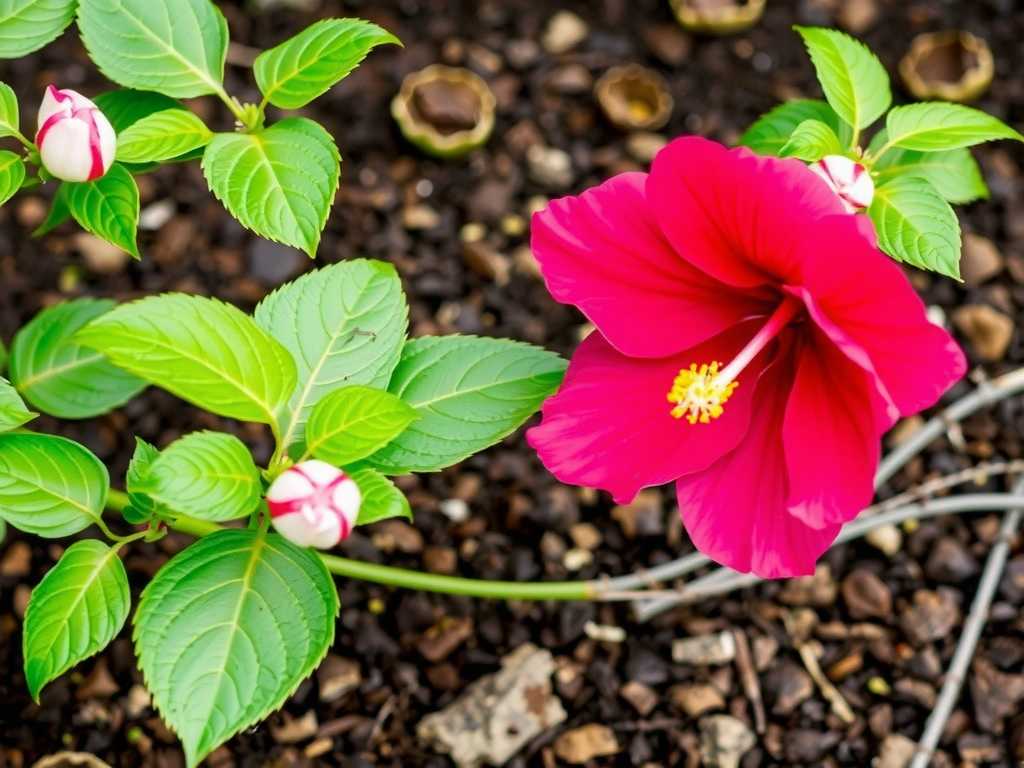
- Week 1 Observation: Performance was good, similar to shredded bark. The chopped leaves settled quickly but still provided a decent insulating layer.
- Week 2 Observation: The leaf layer held together more than the bark but didn’t mat as severely as the straw. It retained some moisture but also began integrating with the soil surface. This is a fantastic free resource that improves soil structure as it breaks down.
The Step-by-Step Process I Now Swear By
Based on years of trial and error, here is my fail-safe routine:
- Timing is Everything: I wait until after the first hard frost, when the ground is cold and the plant is fully dormant. Applying mulch too early can invite pests and delay dormancy.
- Prep the Area: I cut back the stems to about 6-12 inches tall. This gives me room to work and marks the plant’s location. I clear away any fallen leaves or debris around the base to discourage disease.
- Water Deeply (If Needed): If the soil is dry, I give the plant a deep watering before the ground freezes. A hydrated plant enters winter in better shape.
- Apply the Mulch: Piling my chosen material—now primarily shredded bark or chopped leaves—I create a generous, fluffy mound over the crown and root zone. I aim for a 4-6 inch depth after settling. I always shape it like a wide, shallow donut, keeping the very center slightly thinner.
- The Spring Reveal: As daytime temperatures consistently warm in late spring and the danger of hard frost passes, I gently pull back the mulch to allow the soil to warm and signal to the hibiscus it’s time to wake up. I never remove it all at once if a late cold snap is forecast.
Common Mulching Mistakes and How to Avoid Them
I’ve made these errors so you don’t have to.
- The Volcano of Death: Piling mulch directly against the stems in a tall cone. This traps moisture, leads to bark rot, and provides a cozy home for voles. Solution: The “donut” method with a clear crown space.
- Using “Green” or Wet Materials: Fresh grass clippings or unshredded wet leaves will compact, smother the plant, and generate harmful heat as they decompose. Solution: Only use well-composted or dry, shredded materials.
- Applying Too Early or Removing Too Early: Timing, as my experiment showed, is critical for effective winter protection for hibiscus plants. Solution: Follow the “after hard frost” and “after frost danger” rules.
Expert Insights on Mulch Selection
To move beyond my personal experience, I look to authorities like the American Horticultural Society (AHA). They note that organic mulches like bark, compost, and leaves not only protect but “improve soil fertility and structure as they decompose.” This aligns perfectly with the needs of heavy-feeding hibiscus. For gardeners in extremely wet climates, they sometimes recommend a coarse material like pine bark nuggets for superior drainage around the crown, a nuanced tip I’ve since adopted in a poorly drained section of my garden.
Frequently Asked Questions
When is the absolute best time to apply winter mulch to my hardy hibiscus? The perfect signal is the ground being cold to the touch after the first hard frost, usually when temperatures stay consistently below freezing at night. This typically falls in late autumn for most zones.
Can I use rocks or rubber mulch for winter protection? I strongly advise against it. Inorganic mulches like rock or rubber do not insulate effectively. They conduct cold and heat rapidly, exacerbating the very freeze-thaw cycles we’re trying to prevent. They offer no soil improvement benefits.
Is it necessary to mulch even in milder climates (Zones 7-9)? Yes, but the approach may differ. The primary threat in milder zones is still the occasional severe cold snap and wet winters. A lighter layer (2-3 inches) of a well-draining material like shredded bark can prevent crown rot during cold, wet periods and protect against unexpected temperature plunges.
Choosing the right mulch and applying it correctly transforms the winter experience for your hardy hibiscus. From my shredded bark to your leaf pile or straw bale, the principle remains: consistent insulation and moisture management. By shielding the crown from heaving soil and extreme shifts, you’re not just protecting a plant; you’re reserving a front-row seat for next summer’s spectacular floral display. The few hours spent mulching each fall pay dividends in peace of mind and breathtaking blooms.