bluename
 How to Fix Hibiscus Yellow Leaves in Summer: Sunburn Solutions
There’s nothing more disheartening for a plant lover than walking out to the garden on a bright summer morning and finding your prized hibiscus, once lush and green, now sporting a worrying cloak of yellow leaves. I’ve been there, staring at those sad, bleached leaves, feeling a pang of panic. Is it a disease? A pest? Overwatering? After years of trial and error—and yes, losing a few beautiful plants along the way—I’ve learned that in the peak of summer, the culprit is often surprisingly simple yet devastating: sunburn. True sun damage on hibiscus is frequently misdiagnosed. This guide is born from my hands-on experience, detailing exactly how I diagnose, treat, and protect my hibiscus from summer sunburn, turning those yellow leaves back to a healthy green.
Understanding Hibiscus Sunburn: More Than Just a Hot Day
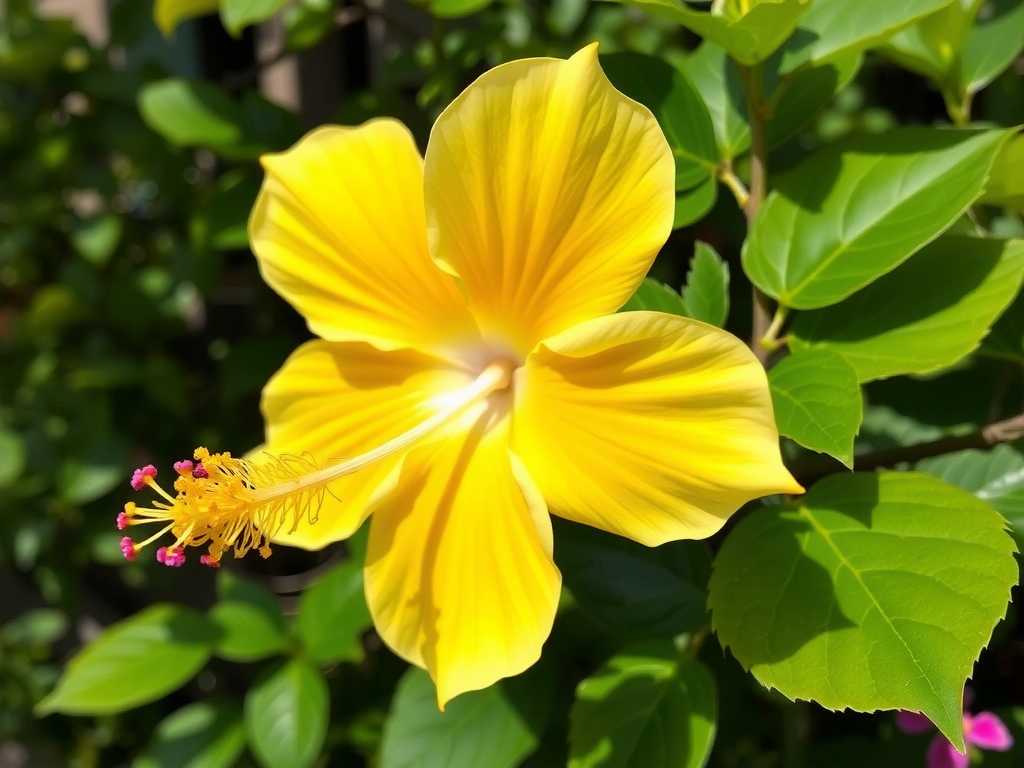
First, let’s clarify what we’re dealing with. Hibiscus plants love sunlight, typically needing 6-8 hours of full sun to bloom profusely. However, intense, direct summer sun—especially during heatwaves or when combined with other stressors—can overwhelm them. Sunburn isn't just about heat; it's about radiation damage to the leaf tissues.
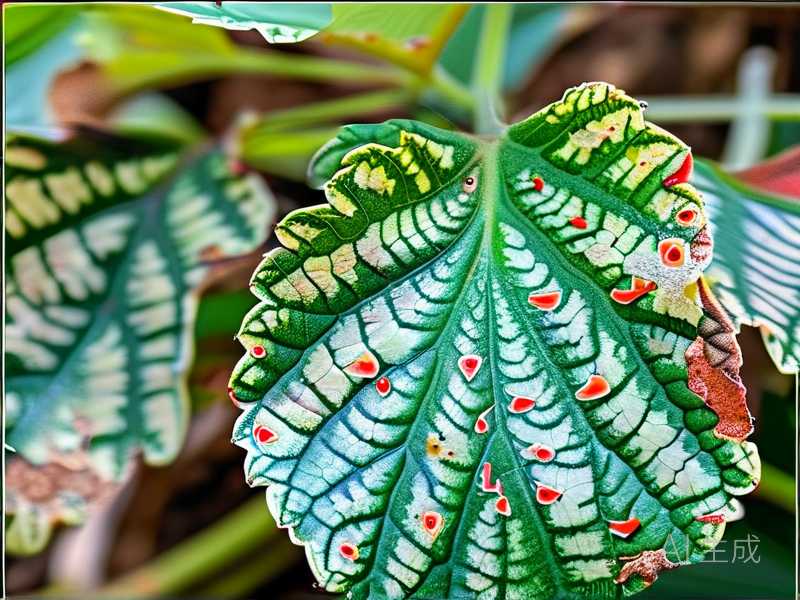
The signs are distinct if you know what to look for. Unlike yellowing from overwatering (which often starts with lower, older leaves and feels soggy) or nutrient deficiency (which might show a pattern), sunburn on hibiscus typically appears on the top leaves most exposed to the sun, especially the south or west-facing side. The leaves don’t just turn yellow; they often get bleached, looking pale yellow or even white in patches between the veins. The edges might become crispy and brown, and the leaf feels dry and papery. This was my "aha!" moment. I noticed the yellowing was perfectly aligned with the afternoon sun's path across my patio. The Royal Horticultural Society (RHS) notes that water stress can exacerbate sun scorch, as a dehydrated plant cannot cool its leaves effectively through transpiration. This creates a vicious cycle: the sun burns the leaves, the damaged leaves can’t support proper water uptake, and the plant becomes more stressed.
My Two-Week Rescue Plan for Sunburned Hibiscus
When I confirmed sunburn was the issue with my ‘Rose of Sharon’ hibiscus last July, I immediately implemented this four-step recovery plan. I committed to monitoring it closely for two weeks, knowing that plant recovery isn't instantaneous.
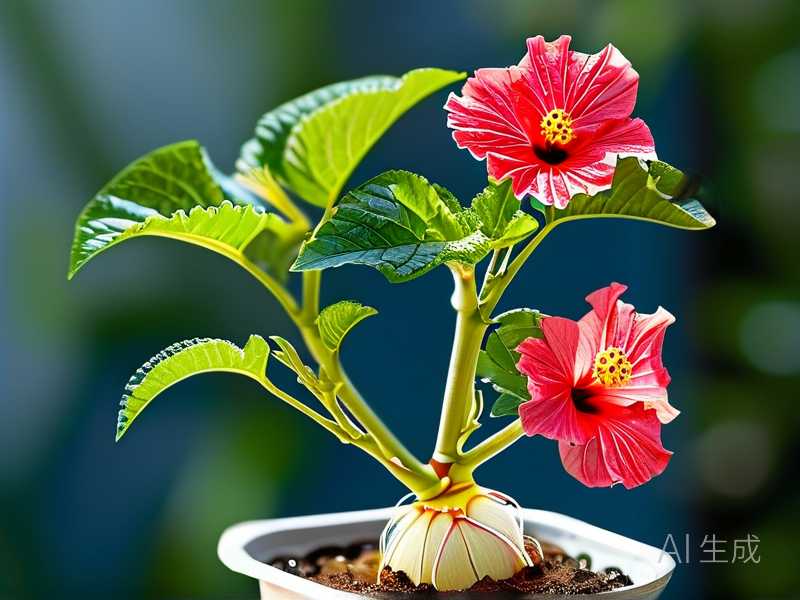
Step 1: The Immediate Relocation (Day 1-3) You can’t heal a sunburn while still lying in the sun. My first move was to provide temporary shade. I didn’t have a ready-made shade cloth, so I got creative—I used a large, white bedsheet secured to a couple of tall stakes to create a dappled shade environment over the plant during the peak sun hours of 10 AM to 4 PM. This filtered the harsh light while allowing gentle morning sun. If your hibiscus is in a pot, like mine was, simply moving it to a spot with bright but indirect light for a few days is the easiest solution. For in-ground plants, a temporary shade structure is key. The goal here is to stop the damage in its tracks.
Step 2: The Hydration Balancing Act (Day 1-14) This is where I’ve seen most enthusiasts, including my past self, stumble. A sunburned plant screams "thirsty," leading to the instinct to drown it. Overwatering a stressed plant can cause root rot, a death sentence. The American Hibiscus Society (AHS) emphasizes deep, infrequent watering to encourage strong roots. My method was to check the soil moisture daily by sticking my finger two inches deep. I watered only when that top layer was dry, but when I did water, I did it thoroughly early in the morning, allowing the plant to hydrate before the day's heat. I made sure the pot had excellent drainage. I also employed a technique called "foliar misting" very lightly in the early evening, just to increase humidity around the plant, not to wet the leaves for long periods (which can invite fungus).
Step 3: Strategic Pruning and Patience (Day 7) After one week of shade and proper watering, the plant had stabilized. Now it was time for a very light prune. I removed only the most severely damaged leaves—those that were more than 50% crispy or completely bleached. Why not all? Because even a partially green leaf can still contribute to photosynthesis and the plant's recovery. I used sterilized pruners to make clean cuts. This step helps the plant redirect energy from trying to save lost causes to producing new, healthy growth. It was tempting to do more, but restraint is crucial.
Step 4: Long-Term Acclimation and Protection (Ongoing) After the initial two-week crisis period, my hibiscus showed promising signs: no new yellow leaves, and tiny green buds at the leaf nodes. Now, the work shifted to prevention. I gradually reintroduced it to more direct sunlight over a week, an hour more each day, to re-acclimate it. For permanent protection, I invested in a 30-40% density shade cloth for the hottest part of the afternoon. I also applied a 2-inch layer of organic mulch around the base (keeping it away from the stem) to keep the roots cool and moist. This simple step, backed by both RHS and AHS recommendations, dramatically reduces soil temperature and evaporation.
The Pitfalls I Encountered and How I Solved Them
My journey wasn’t perfectly smooth. Here are the mistakes I made and how you can avoid them:
- The Fertilizer Fiasco: In my initial panic, I thought a nutrient boost would help. I applied a liquid fertilizer right away. Big mistake. Fertilizing a stressed plant forces it to expend energy on growth it can’t support, worsening the burn. The solution? Wait. I didn’t fertilize again until I saw consistent new growth after about a month, and then I used a half-strength, balanced formula.
- Misdiagnosing the Yellow Leaves: I almost treated for a fungal disease because some leaves had brown spots. Upon closer inspection, the spots were dry and started on the sun-facing surface, not from the stem or underside. Always check the pattern and texture first. Sunburn damage is physical and localized to sun exposure.
- Inconsistent Watering: During the two weeks, I went on a short trip and asked a neighbor to water. I came back to soggy soil because my instructions weren’t specific enough. For the next trip, I used a simple drip irrigation timer set for early morning, which provided perfect, consistent moisture without overdoing it.
Sustaining Hibiscus Health in Summer Heat
Prevention is always better than cure. Beyond the rescue, here’s how I now keep my hibiscus thriving all summer:
- Right Plant, Right Place: I’ve since moved my potted tropical hibiscus to a spot that gets fierce morning sun but is protected by a lattice during the brutal afternoon rays.
- The Pot Matters: I switched from a thin, black plastic pot that baked the roots to a light-colored, thick ceramic pot, which stays much cooler.
- Consistent Monitoring: I make it a habit to check my plants in the morning. A slight wilting at noon is normal, but wilting in the morning is a red flag for immediate water and shade.
Common Questions About Yellow Hibiscus Leaves
Can a sunburned hibiscus leaf turn green again? No, once a leaf is bleached or crisped by the sun, the damaged tissue is dead and will not recover. The goal is to stabilize the plant so it can produce new, healthy green leaves. Prune away the severely damaged ones once the plant is out of crisis mode.
How do I tell the difference between sunburn and a nutrient deficiency? Sunburn is top-down and side-specific, following the sun’s path, with bleached or crispy patches. A nitrogen deficiency, for example, typically starts with the older, lower leaves turning uniformly pale yellow. Iron deficiency shows as yellowing between the veins of new leaves. Sunburn has a distinct "scorched" physical texture.
Is afternoon sun always bad for hibiscus? Not always, but it is the most intense. Many hibiscus varieties can tolerate afternoon sun if they are exceptionally healthy, well-watered, and acclimated from a young age. However, during summer heatwaves or in particularly hot climates, providing protection from the harsh afternoon sun is the safest bet to prevent yellow leaves on hibiscus and ensure continuous blooming.
Watching a sunburned hibiscus recover is a lesson in plant resilience. It requires swift action to provide shade and balanced water, the patience to let it heal on its own timeline, and the wisdom to adjust its environment for the long term. By understanding the distinct signs of sun scorch—those bleached, top-side yellow leaves—you can avoid missteps and apply the right solutions. Remember, your hibiscus isn’t dying; it’s telling you it needs a break from the spotlight. Give it that care, and you’ll be rewarded with a return to vibrant green foliage and those spectacular summer blooms.