bluename
 Hibiscus Pot Size Upgrade: When to Move to a Larger Container
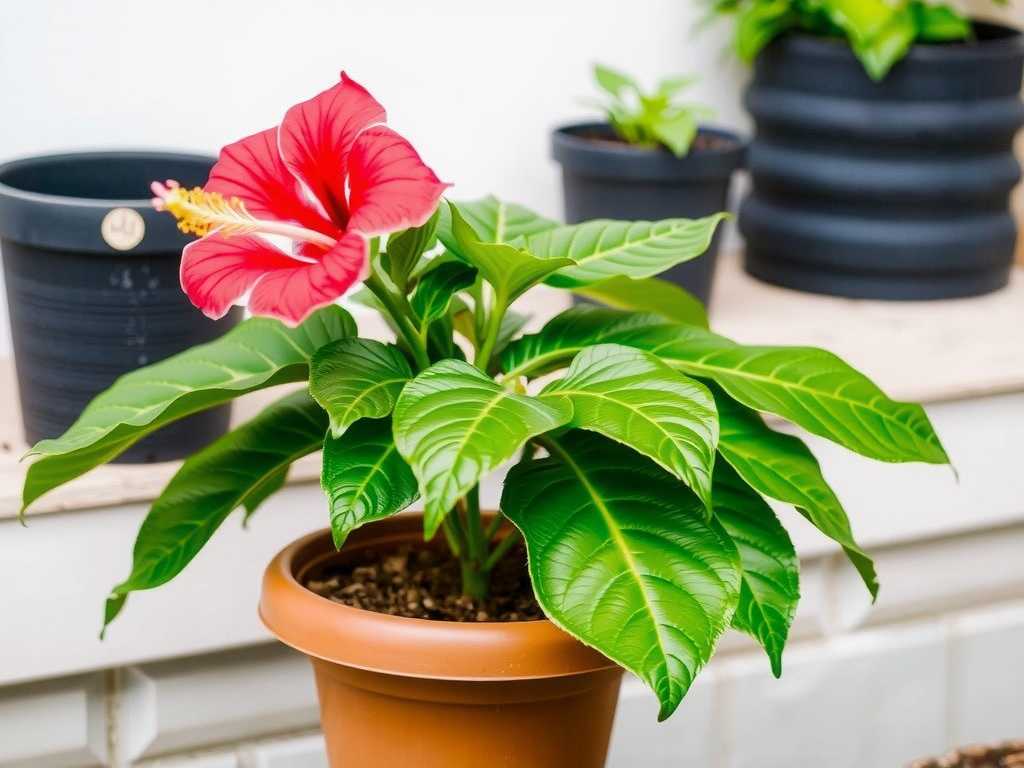
I’ve always been captivated by the vibrant, dinner-plate-sized blooms of my hibiscus plants. They bring a slice of the tropics right to my patio. But last summer, I noticed something troubling. My once-prolific ‘Midnight Marvel’ was looking a bit sad—its growth had stalled, the leaves were slightly yellowing despite regular feeding, and it seemed to need watering every single day. The blooms were fewer and smaller. I was pouring love and fertilizer into it, but it just wasn’t thriving. That’s when I realized the issue was likely hiding beneath the soil: it was root-bound and desperately needed a new home. If you’re seeing similar signs, you’re facing the classic gardener’s dilemma of knowing exactly when to repot a hibiscus. Let me walk you through my journey of diagnosing the problem, executing the upgrade, and the remarkable recovery I witnessed over two weeks.
Understanding the "Why": The Consequences of a Cramped Home
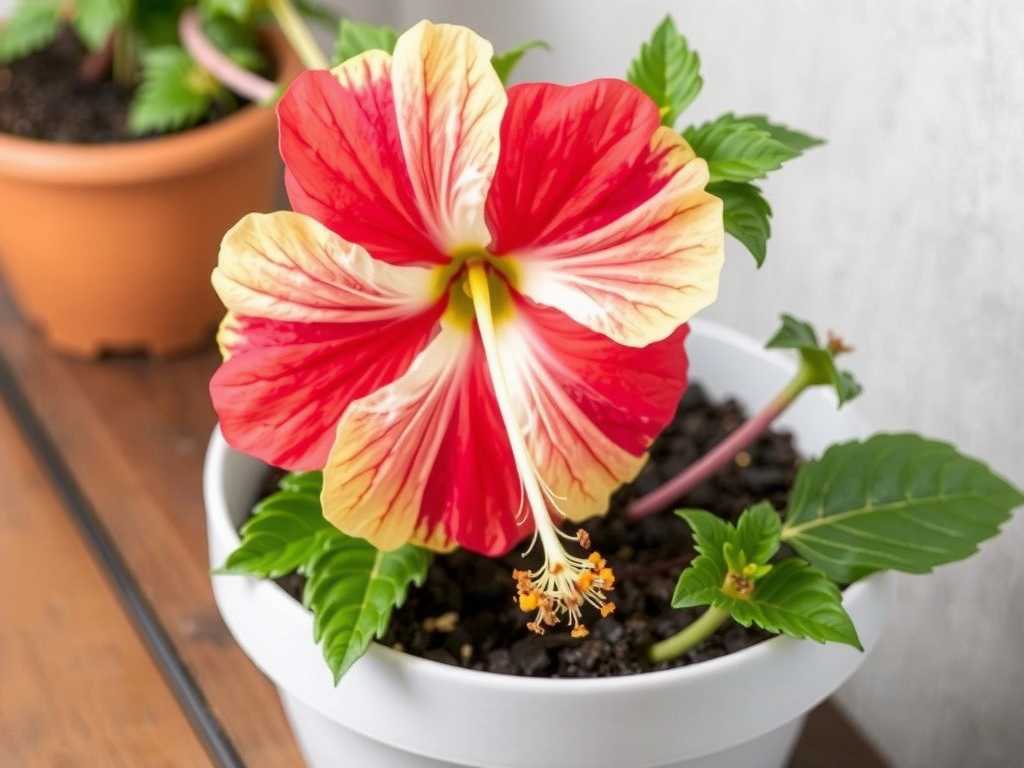
Before we grab a new pot, it's crucial to understand why pot size matters so much for hibiscus. These are vigorous growers with extensive root systems. According to the American Hibiscus Society (AHS), a constrained root zone doesn't just limit size; it stresses the entire plant. Roots circling tightly within a pot can actually girdle themselves, restricting the flow of water and nutrients. This leads to a cascade of problems: nutrient deficiencies (like the yellowing leaves I saw), increased susceptibility to temperature extremes, and severe water stress—the plant either dries out too fast or, paradoxically, suffers from poor drainage and root rot. I learned that repotting isn't just about giving roots more space; it's about refreshing the soil medium, improving aeration, and setting the stage for robust health and spectacular flowering.
The Telltale Signs: Is Your Hibiscus Screaming for Space?
So, how do you know it’s time? It’s not always about a strict timeline. I look for a combination of visual cues, both above and below the soil.
- Above the Soil Clues: The most obvious sign is slowed or stunted growth. If your hibiscus isn't putting out new leaves or stems as vigorously as before, take note. Frequent wilting, needing water daily or even twice a day in hot weather, is a major red flag. Another sign I encountered was roots visibly poking out of the drainage holes or even growing over the top of the soil surface. The plant was literally trying to escape its pot.
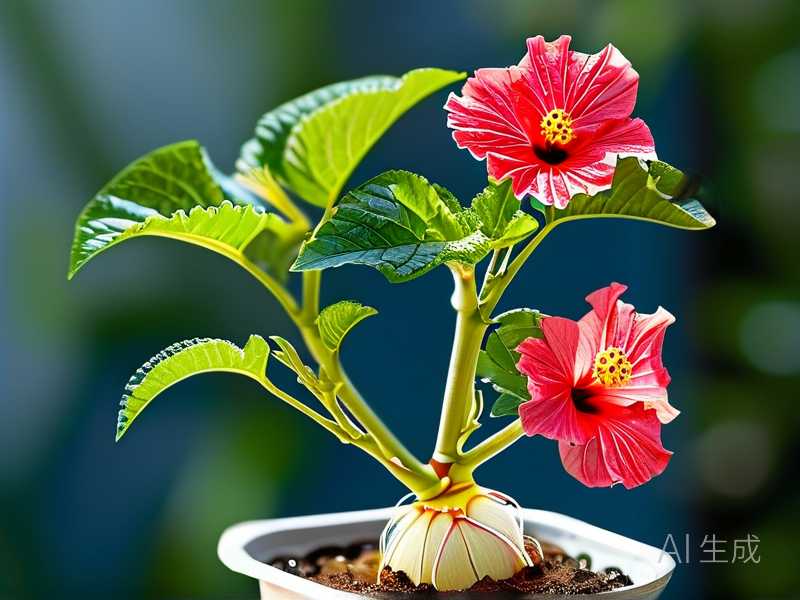
- The Root of the Matter: The definitive test is the root ball inspection. Gently tilt the pot and slide the plant out. If you see a dense, tangled web of roots circling the outer edge and bottom of the soil, with little soil visible, your plant is root-bound. In severe cases, the roots form a solid, matted mass. The Royal Horticultural Society (RHS) advises that once this circling pattern is established, the plant's health will begin to decline.
My Step-by-Step Pot Upgrade Process
Once I confirmed my hibiscus was root-bound, I gathered my supplies: a new container (I chose a durable, light-colored resin pot about 2-3 inches larger in diameter than the old one), fresh, well-draining potting mix formulated for tropical plants, a piece of mesh or a broken shard to cover the drainage hole, pruning shears, and a watering can.
- Choosing the Right New Container: This is where I made a mistake years ago. Going too big, too fast, is a risk. A pot that's excessively large holds too much wet soil around the small root ball, which can lead to root rot. A pot just 1-2 inches larger in diameter for smaller plants, or 2-4 inches for larger specimens, is ideal. Ensure it has excellent drainage holes.
- The Gentle Extraction: I watered my hibiscus lightly the day before to reduce stress. On repotting day, I laid the pot on its side, tapped the sides firmly, and gently coaxed the plant out. It was stubborn! I had to carefully run a knife around the inside edge to loosen it. The root ball was a solid, coiled mass.
- Root Pruning and Teasing: Here’s the critical step many skip. I didn’t just plop the tight root ball into the new pot. Following AHS guidance, I used my fingers and a gentle stream of water to tease apart the outer roots. I untangled the circling roots, encouraging them to grow outward. For any particularly long or thick encircling roots, I made a few vertical cuts with clean shears along the sides of the root ball. This might seem drastic, but it stimulates new root growth into the fresh soil.
- The Perfect New Home: I placed the mesh over the drainage hole and added a layer of fresh potting mix. I positioned the hibiscus so the top of its root ball would sit about an inch below the new pot's rim. Then, I filled in around the sides with new soil, tamping it down gently to eliminate large air pockets. I was careful not to bury the stem deeper than it was originally.
- The Initial Soak: I gave it a thorough, deep watering until it ran freely from the bottom. This helps settle the soil and ensures the roots make good contact with their new medium. I placed it in a spot with bright, indirect light for a few days to recover from the shock before returning it to its full-sun location.
My Two-Week Observation Diary: The Transformation
The real proof was in the watching. Here’s how my hibiscus responded.
- Days 1-3: The plant looked a little droopy and tired—transplant shock. I kept the soil consistently moist (not soggy) and misted the leaves lightly to reduce moisture loss.
- Days 4-7: The wilting stopped. The leaves perked up and regained their firmness. I noticed the soil was staying moist for much longer, a clear sign the roots were now in a better moisture-retentive environment.
- Days 8-14: This was the exciting phase. I spotted several new, bright green leaf buds swelling at the stem nodes! The existing leaves looked darker green and more lustrous. By the end of the second week, the first new leaf had unfurled, and the plant overall had a visibly more vigorous, “happy” appearance. The constant wilting-under-sun issue was completely gone.
The Pitfalls I Encountered (And How I Fixed Them)
My journey wasn’t flawless. My first mistake was initially choosing a pot that was only an inch wider but much deeper. The soil at the bottom stayed wet for too long. I realized my error when the lower leaves yellowed quickly. I had to re-pot again into a container that was wider but not disproportionately deeper. Another lesson was soil composition. A generic, heavy potting mix retained too much water. I switched to a blend of two parts quality potting soil, one part perlite, and one part compost for drainage and fertility—a mix often recommended by hibiscus enthusiasts and aligned with RHS principles for container growing.
How Often Should You Repot a Hibiscus?
Generally, a young, fast-growing hibiscus may need upsizing every year. A mature plant in a large container might be happy for 2-3 years before it needs refreshing or a slight upgrade. The best advice is to let the plant tell you, using the signs we discussed, rather than sticking to a rigid calendar.
Can I Repot a Hibiscus While It's Flowering?
It’s possible, but not ideal. The process is stressful and will likely cause bud and flower drop. The best time is in late winter or early spring, just as new growth begins, or in early summer. I had to do mine in mid-summer due to the severe stress signs, and while it lost a few buds, the trade-off for its long-term health was worth it.
What's the Best Potting Mix for Hibiscus in Containers?
The key words are well-draining and nutrient-rich. Hibiscus hate “wet feet.” A mix containing peat or coco coir for moisture retention, perlite or pine bark for aeration, and some compost for slow-release nutrients is perfect. Many experts, including those cited by the AHS, advise against using garden soil in pots, as it compacts and hinders drainage.