bluename
 Tropical Hibiscus Summer Care: Shade Cloth for Hot Afternoons
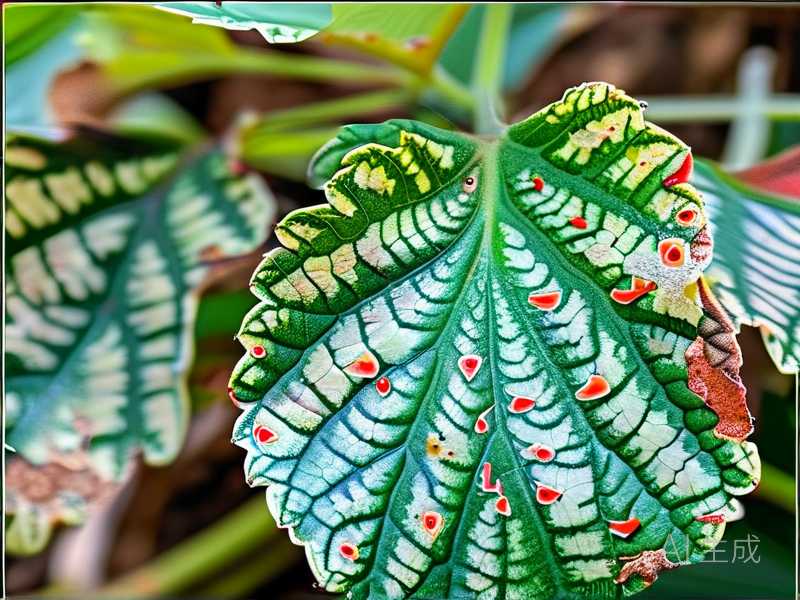
There’s a special kind of panic that sets in when you see your prized tropical hibiscus, once covered in vibrant blooms, start to look… sad. The leaves develop crispy, brown edges, flower buds drop before they even open, and the whole plant seems to wilt dramatically by mid-afternoon, even when the soil is damp. I’ve been there. For years, I thought I just needed to water more. But drowning the roots didn’t help; it only made things worse. The real culprit, I finally learned, wasn’t just the heat—it was the intense, direct afternoon sun. That’s when I discovered that strategic shading, specifically using a shade cloth, wasn’t just an option; it was a game-changer for summer hibiscus care. In this guide, I’ll walk you through my exact process, the two-week transformation I witnessed, and the practical lessons I learned the hard way.
Understanding the “Why”: Why Your Hibiscus Hates the Midday Sun
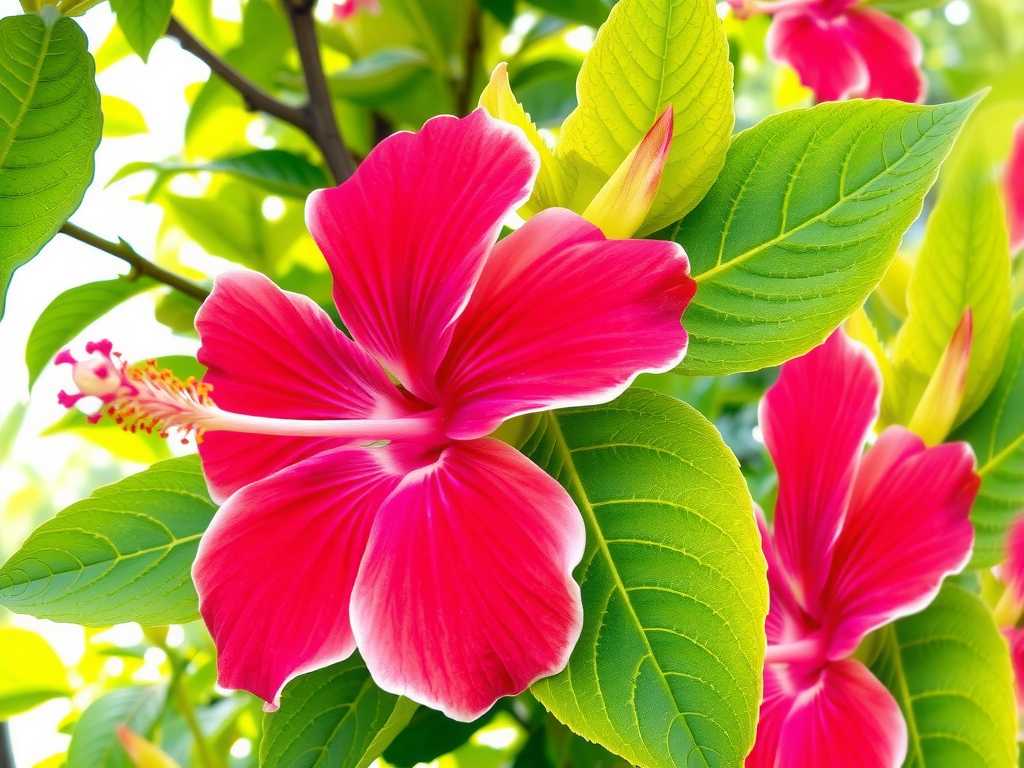
Tropical hibiscus (Hibiscus rosa-sinensis) thrives in bright, sunny conditions, but there’s a critical limit. According to the American Hibiscus Society (AHS), while these plants love 6-8 hours of sunlight for optimal flowering, the intensity of the midday and afternoon sun in peak summer can be destructive. The leaf tissues literally scorch, a process called sunscald, and the plant loses water through transpiration faster than its roots can absorb it, leading to heat stress.
This is where the concept of “bright but indirect light” for the hottest part of the day becomes crucial. My goal wasn’t to put my plant in full shade but to filter and soften the most aggressive rays. A shade cloth provides this precise control. Research in horticulture, including insights from resources like the Royal Horticultural Society (RHS), supports the use of temporary shading structures to mitigate heat stress and prevent moisture loss in container plants and those in exposed gardens during heatwaves.
My Step-by-Step Shade Cloth Implementation Plan
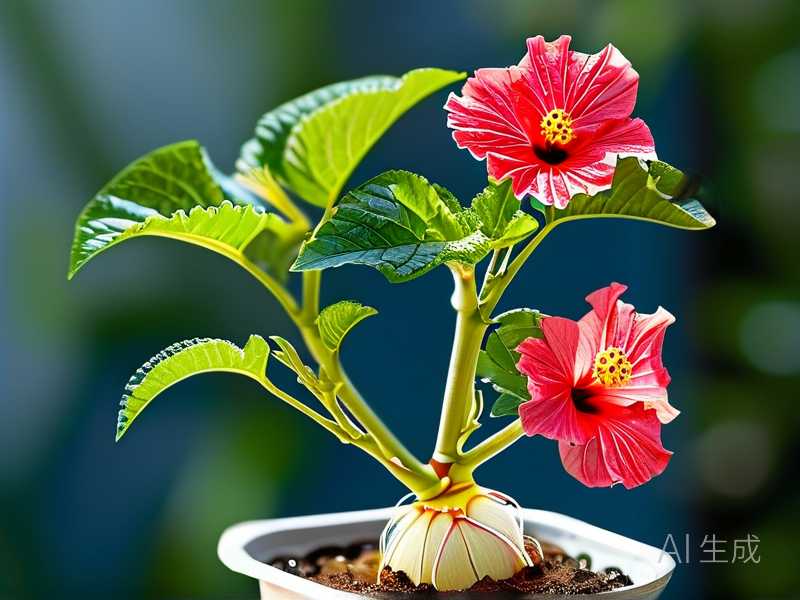
I decided to treat this as a focused two-week experiment on my two most sun-stressed hibiscus plants in containers on my south-facing patio.
Week 1: Assessment and Material Selection
First, I stopped guessing and started observing. I noted that the wilting and leaf curl began consistently between 1:00 PM and 4:00 PM. The morning sun left them perfectly happy. My mission was clear: protect them from approximately 1 PM until the sun moved off them.
I researched shade cloth densities. A 30% density block roughly 30% of sunlight, 50% blocks half, and so on. For flowering plants needing lots of light, too much shade can reduce blooms. The AHS and experienced growers I consulted recommended a 30-40% density shade cloth for hibiscus. I chose a 30% black knitted polyethylene cloth. Knitted is lighter, more flexible, and resistant to wind tearing compared to woven.
My setup was simple:
- Support: I used two tall, sturdy bamboo stakes pushed deep into the pot on the southwest side of the plant.
- Draping: I draped the cloth over the stakes, creating a loose, airy canopy that covered the top and the sun-facing side. Crucially, I did not wrap the entire plant like a parcel. Airflow is vital to prevent fungal issues.
- Securing: I used clip-on plant ties to secure the cloth to the stakes, ensuring it wouldn’t blow away but could be easily removed.
The Immediate Adjustment (Days 1-3)
The difference on the first day was subtle but noticeable. The usual 2:30 PM wilt didn’t happen. The leaves remained turgid. However, I encountered my first pitfall: on day 2, we had a breezy afternoon. The loose cloth flapped noisily and abraded the topmost leaves. My solution was to gather the excess cloth loosely at the corners and use an extra tie to secure it to the main stem of the stake, creating a tighter, quieter canopy that still allowed side airflow.
I also adjusted my watering. With reduced sun exposure, the soil stayed moist longer. I shifted from a daily light watering to checking soil moisture with my finger and watering deeply only when the top inch felt dry. This prevented overwatering, another common mistake when using shade.
Week 2: Observation and Refinement
By the middle of the second week, the real healing began. The observation effect was profound:
- Leaf Recovery: New leaves emerging were a healthy, uniform green without any signs of yellowing or burn. Existing leaves with minor scorch stopped getting worse.
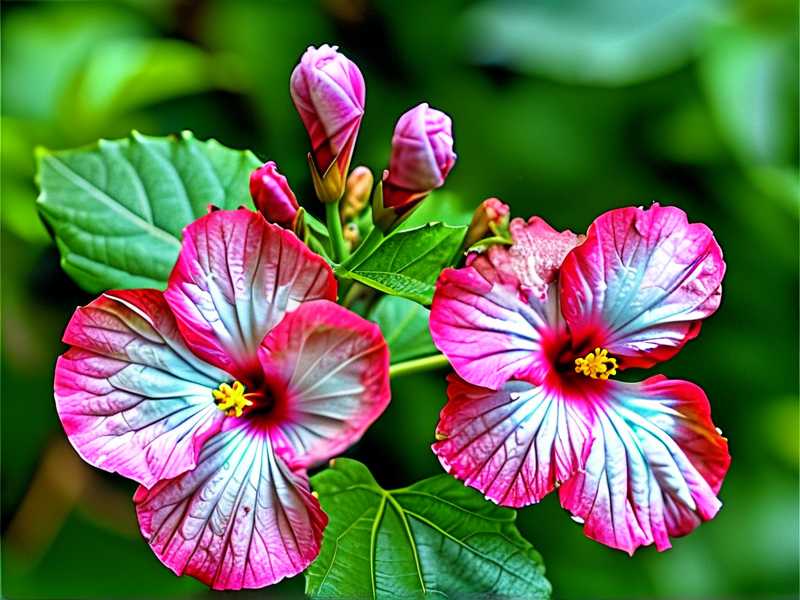
- Bud Retention: This was the most exciting change. Small flower buds that had previously yellowed and fallen off were now holding firm and beginning to swell.
- Overall Vigor: The plants just looked less stressed. The stems were greener, and the plant’s energy seemed redirected from survival to growth.
I made one key refinement. I realized my “set it and forget it” approach wasn’t ideal. On a day forecasted to be cloudy and cool, I removed the cloth entirely to give the plants maximum available light. This flexibility is a major benefit of a temporary cloth structure versus a permanent shade sail.
Key Lessons from My Two-Week Experiment
- It’s About Filtering, Not Eliminating, Sun: The 30% cloth provided the perfect “bright shade.” My plants still received plenty of light for photosynthesis but were spared the dehydrating, scorching intensity.
- Airflow is Non-Negotiable: My initial flapping issue taught me that a secure but open setup prevents pest and disease problems. The cloth must not create a stagnant, humid microclimate around the foliage.
- Watering Needs Change: This is critical. Shade cloth reduces water evaporation from the soil. You must recalibrate your watering schedule to avoid root rot. When in doubt, check the soil.
- Temporary is Best: The ability to deploy shade only during heatwaves or the hottest weeks of summer aligns perfectly with the plant’s needs throughout the growing season.
Beyond the Cloth: A Holistic Summer Care Partnership
The shade cloth was the star, but it worked best as part of a system. Here’s what I paired it with:
- Consistent Moisture: I used a thick layer of pine bark mulch on the soil surface to further reduce root zone temperature and moisture loss.
- Appropriate Feeding: I switched to a balanced, water-soluble fertilizer with micronutrients, applied at half-strength every two weeks. Stressed plants shouldn’t be heavily fed. The AHS often notes that consistent, light feeding is better than infrequent heavy doses.
- Pest Vigilance: Shaded plants can sometimes attract aphids or whiteflies. My weekly inspection routine (checking under leaves) became even more important.
Addressing Your Curiosities
Will using a shade cloth stop my hibiscus from blooming? Quite the opposite, if done correctly. With a 30-40% density cloth, the plant gets ample light for blooming but is spared the heat stress that causes bud drop. My plants actually set more buds during the shaded period because they weren’t in survival mode.
Can I use something cheaper, like a bed sheet? I tried this early on. While a white sheet reflects some heat, it severely limits light penetration and, more importantly, blocks crucial airflow. It also holds moisture when damp, increasing the risk of mildew. The specialized, porous weave of a proper shade cloth is worth the investment for plant health.
How long each day should the shade cloth be used? My rule is to shade during the “heat assault” window only. For me, that’s from about 1 PM until the sun moves off the patio around 5 PM. On excessively hot days (over 95°F/35°C), I might leave it on longer. Always remove it during cloudy, cool, or rainy periods to maximize light intake.
Caring for tropical hibiscus in the summer isn’t just about more water; it’s about intelligent light management. My two-week journey with a simple shade cloth transformed my plants from stressed survivors into resilient, budding performers. It’s a testament to working with nature’s rhythms—offering protection from its harshest moments so that the beauty of your garden can fully shine. By filtering the intense afternoon sun, you’re not coddling your hibiscus; you’re giving it the precise conditions it needs to do what it does best: produce those breathtaking, iconic flowers all season long.