bluename
 How to Treat Hibiscus Leaf Curl: A Hands-On Guide to Pest & Water Checks
I remember the sinking feeling vividly. One morning, my prized hibiscus, usually a vibrant fountain of green, greeted me with leaves curled into tight, distorted scrolls. The glossy surface was marred by a sticky residue, and new growth looked stunted and strange. Panic set in. Was it a death sentence? After years of nurturing these tropical beauties, I faced the all-too-common gardener’s dilemma: hibiscus leaf curl. Through two weeks of diligent detective work, trial, error, and careful intervention, I not only nursed my plant back to health but also cracked the code on this frustrating issue. The truth is, leaf curl is rarely a single problem; it’s a symptom, and the two most common culprits are pests and improper watering.
My journey led me to a simple but effective two-pronged approach: systematic pest checks and mastering the art of perfect watering. Here’s exactly what I did, what I learned the hard way, and how you can apply these steps to restore your hibiscus to its lush, blooming glory.
The First Step: Becoming a Plant Detective for Pests
Before you pour anything on the soil or snip a single leaf, you need to investigate. Rushing to treat for the wrong cause can worsen the problem. My initial mistake was assuming it was just a fungal issue and reaching for a fungicide, which did absolutely nothing. The real villains were hiding in plain sight.
The Whitefly and Aphid Invasion: A Sticky Situation
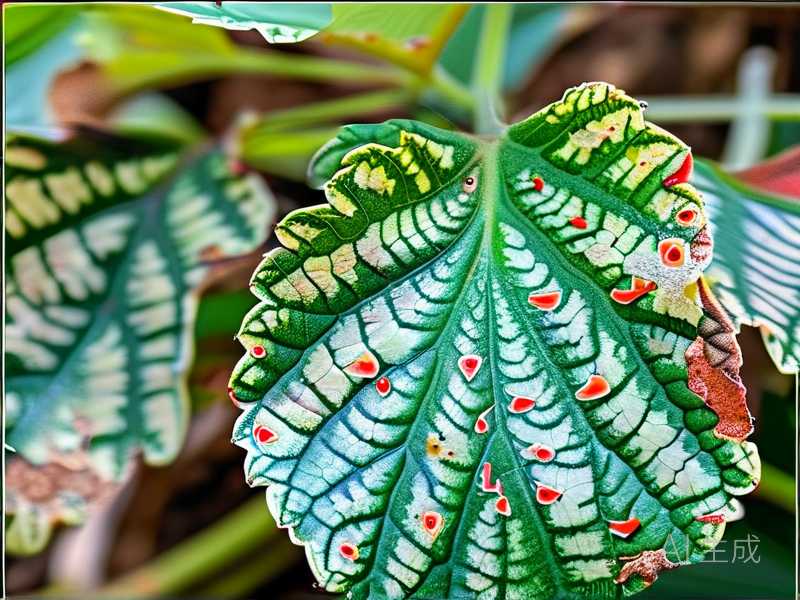
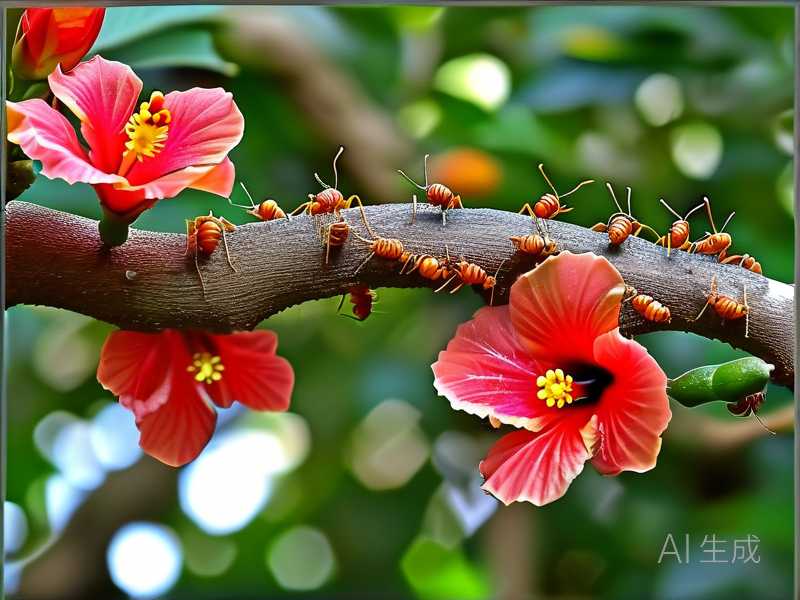
Upon closer inspection—and I mean really close, turning leaves over and examining stem tips—I found the evidence. Tiny, pearly whiteflies fluttered up when disturbed, and clusters of soft, green aphids were tucked along the veins on the undersides of the curled leaves. That sticky residue I noticed? Honeydew, their sugary excrement, which can lead to sooty mold. According to the Royal Horticultural Society (RHS), these sap-sucking pests are primary agents of hibiscus leaf curl, as their feeding distorts new growth.
My action plan was immediate and organic-focused:
- The Blast Method: For two days in a row, I took my plant outside (or to a shower) and used a strong jet of water from a hose or sprayer to physically dislodge the pests. This is remarkably effective for reducing initial populations.
- Insecticidal Soap Application: After the foliage dried, I thoroughly sprayed the plant, drenching the undersides of every leaf, with a ready-to-use insecticidal soap. I repeated this treatment every 4-5 days for a total of 3 applications, as recommended to break the life cycle.
- Yellow Sticky Trap Monitoring: I placed yellow sticky traps near the plant. These are fantastic for monitoring adult whitefly populations. Seeing them covered confirmed my diagnosis and showed the treatment’s progress.
The Two-Week Pest Check Observation Log:
- Days 1-3: After the first spray, I noticed a significant reduction in live, moving pests. The honeydew seemed less tacky.
- Days 4-7: Following the second application, new growth emerging was noticeably less curled. The old, damaged leaves remained curled but stopped deteriorating.
- Days 8-14: By the third spray, pest activity was virtually zero on the sticky traps. The plant’s energy visibly shifted from defense to growth. This aligns with the American Horticultural Society’s (AHA) emphasis on consistent, non-toxic interventions for sustainable pest management.
The Critical Second Step: Mastering the Watering Balance
While battling pests, I realized my watering habits might have stressed the plant, making it more susceptible. Hibiscus are famously finicky about moisture—they love consistency but despise "wet feet." Leaf curl can signal both underwatering and overwatering.
Diagnosing Your Watering Sins
I performed two simple tests:
- The Finger Test: I stuck my finger 2 inches into the soil. Was it bone-dry or soggy and cold?
- The Pot Weight Test: I lifted the pot. A light pot needs water; a heavy one likely has saturated soil at the bottom.
My "aha!" moment came here. The top soil was dry, but the pot was still heavy, indicating poor drainage and potential root trouble below the surface—a case of alternating between underwatering and overwatering.
My Corrective Watering Protocol:
- Perfecting the Technique: I committed to watering only when the top 1-2 inches of soil felt dry. Then, I watered slowly and deeply at the base of the plant until water ran freely from the drainage holes. Crucially, I always emptied the saucer after 15 minutes to prevent root rot.
- The Drainage Overhaul: I found my pot’s drainage hole was inadequate. I carefully repotted the plant into a container with multiple large drainage holes, using a well-draining, peat-based potting mix amended with some perlite.
- Consistency is Key: I established a rough schedule based on weather (more frequent in hot, sunny spells; less in cool, cloudy ones), always checking the soil first.
The Two-Week Watering Observation Log:
- Days 1-7: The plant showed little visible improvement initially, which was expected. The focus was on establishing a stable root environment. I resisted the urge to over-love it with extra water.
- Days 8-14: This is when the turnaround became clear. The existing leaves seemed less brittle and slightly more relaxed. Most importantly, every single new leaf that emerged was perfectly flat, green, and healthy. This was the ultimate proof that the combined pest and water corrections were working.
Common Pitfalls I Encountered and How I Fixed Them
- Pitfall 1: Treating Blindly. My early fungicide use was wasteful and ineffective. Solution: Always inspect first. Get a magnifying glass if needed.
- Pitfall 2: Incomplete Pest Coverage. My first insecticidal soap spray missed many leaf undersides. Solution: Take your time. Spray upward from below the canopy for complete coverage.
- Pitfall 3: Inconsistent Watering. My "whenever I remembered" schedule was causing stress. Solution: Use the finger test as a ritual, not the calendar.
Frequently Asked Questions
Can curled hibiscus leaves go back to normal? Once a leaf is severely curled from pest damage or watering stress, it will likely remain that way. Don't focus on fixing the old leaves. Your goal is to ensure the new growth is healthy. You can prune the most damaged leaves for aesthetics once the plant is recovering strongly.
Is neem oil effective for hibiscus leaf curl pests? Yes, neem oil can be an effective organic option for aphids and whiteflies. I used insecticidal soap for its immediacy, but neem oil works as both a repellent and a pest disruptor. Always test on a small area first, as hibiscus can be sensitive, and apply in the early morning or late evening to avoid leaf burn.
How often should I check my hibiscus for these issues? Make a quick visual check part of your weekly watering routine. Turn over a few leaves. Look for pests, discoloration, or early signs of curl. This proactive habit is the best defense, catching problems when they are small and easy to manage.
Seeing those first perfect, flat, green leaves unfurl after two weeks of focused care was immensely rewarding. Hibiscus leaf curl isn't a mystery; it's a message. Your plant is telling you something is wrong with its environment, most often related to tiny sap-sucking insects or the fundamental practice of watering. By methodically checking for pests and critically evaluating your watering habits, you address the root causes, not just the symptoms. The process requires patience and observation, but the result—a resilient, blooming hibiscus—is absolutely worth the effort. Start your investigation today, and you’ll be on your way to a cure.