bluename
 Hibiscus Organic Pest Control: Companion Planting Ideas That Actually Work
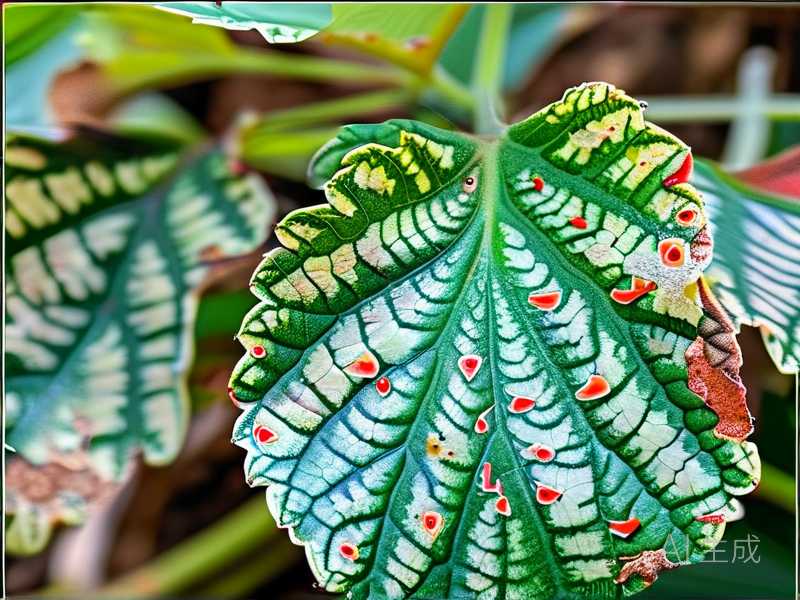
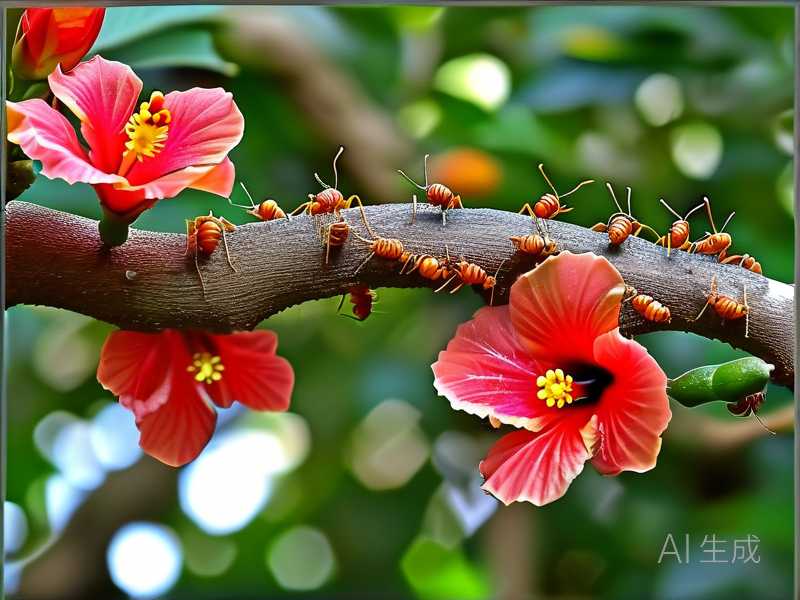
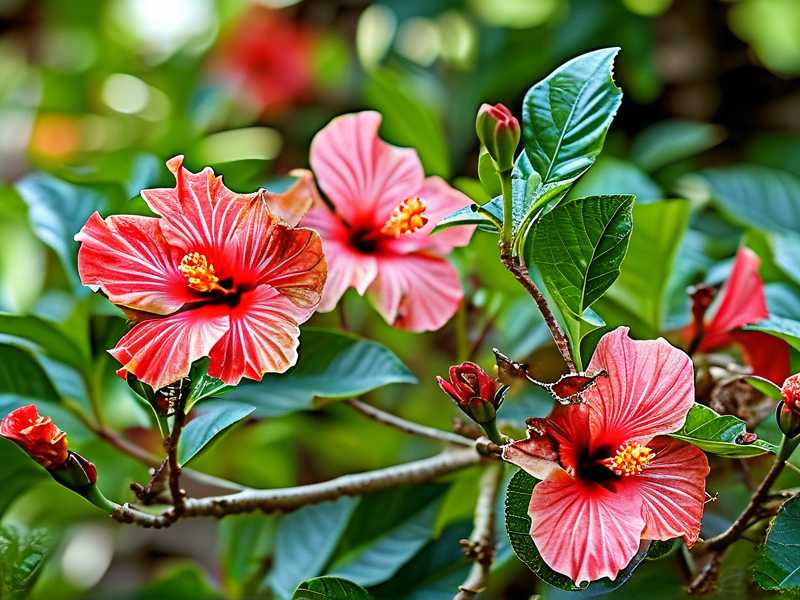
I’ve always loved the vibrant, dinner-plate-sized blooms of my hibiscus plants. They’re the pride of my garden. But for years, that pride was constantly under siege. Aphids would cluster on the tender new growth, their sticky honeydew attracting sooty mold. Whiteflies would erupt in a cloud of tiny white moths every time I brushed a leaf. I was caught in a frustrating cycle of spraying insecticidal soaps and neem oil, which worked but felt like a never-ending battle. I knew there had to be a better, more sustainable way to protect my tropical beauties without relying on frequent interventions. That’s when I decided to fully commit to hibiscus organic pest control through strategic companion planting. This is my hands-on account of what I tried, what failed, what succeeded, and the tangible results I observed over a focused two-week period.
Why I Chose Companion Planting for My Hibiscus
The logic is beautifully simple: create a diverse ecosystem where beneficial insects are welcomed, and pest insects are confused, repelled, or outnumbered. The Royal Horticultural Society (RHS) supports this approach, noting that “companion planting can help deter pests, attract beneficial insects, and improve overall plant health.” For a hibiscus, which is often treated as a standalone specimen, integrating it into a community felt like a game-changer. My goal wasn’t just to repel pests but to build a resilient garden mini-habitat.
My Two-Week Companion Planting Experiment: Setup and Strategy
I focused on two primary pest issues: aphids and whiteflies. My core strategy involved three types of companion plants: repellents, trap crops, and beneficial insect attractors. I selected plants known for their efficacy and planted them in close proximity to three of my most pest-prone hibiscus shrubs.
Week 1: Implementation and Initial Observations
I started on a Saturday morning, giving myself time to plant carefully. Here was my plan for each hibiscus:
- The Repellent Ring: Around the base of each hibiscus, I planted French Marigolds (Tagetes patula). Their strong scent, derived from thiophenes, is widely reputed to repel nematodes and a range of insects. I also interplanted garlic and chives. The Allium family’s sulfur compounds are excellent general pest deterrents.
- The Beneficial Insect Buffet: In a sunnier spot slightly behind the hibiscus, I planted a small patch of nectar-rich flowers: sweet alyssum, dill, and cilantro (coriander). I let the dill and cilantro flower, as their umbels are powerful magnets for ladybugs, lacewings, and hoverflies—all voracious predators of aphids.
- The Strategic Trap Crop: This was my most experimental tactic. On the sun-facing side of the hibiscus, about two feet away, I planted a robust Nasturtium (Tropaeolum majus). The American Horticultural Society (AHA) highlights nasturtiums as excellent trap crops, noting they “often attract aphids away from other plants.” The idea was to make the nasturtium a more appealing target.
By day three, I noticed my first “bug.” Literally. I saw a few hoverflies hovering around the alyssum flowers. This was an encouraging early sign. However, by day five, I faced my first major hurdle.
The Problem I Encountered (And How I Fixed It)
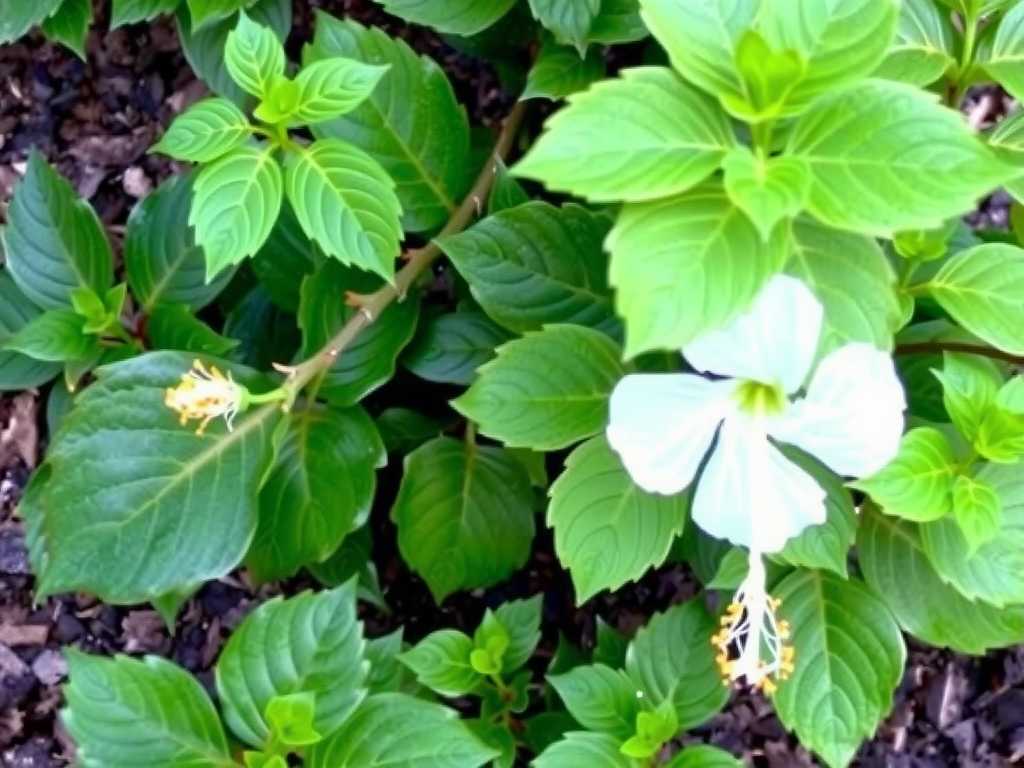
My prized ‘Blue Chiffon’ hibiscus was still showing significant aphid activity on its lower buds. The marigolds and garlic didn’t seem to be creating a strong enough barrier. Upon closer inspection, I realized my error: I had planted the repellents too far from the actual infestation sites. The aphids were on the hibiscus itself, not traveling up from the soil. The companion plants were working on a perimeter, but the pests were already established.
My solution was two-fold and immediate:
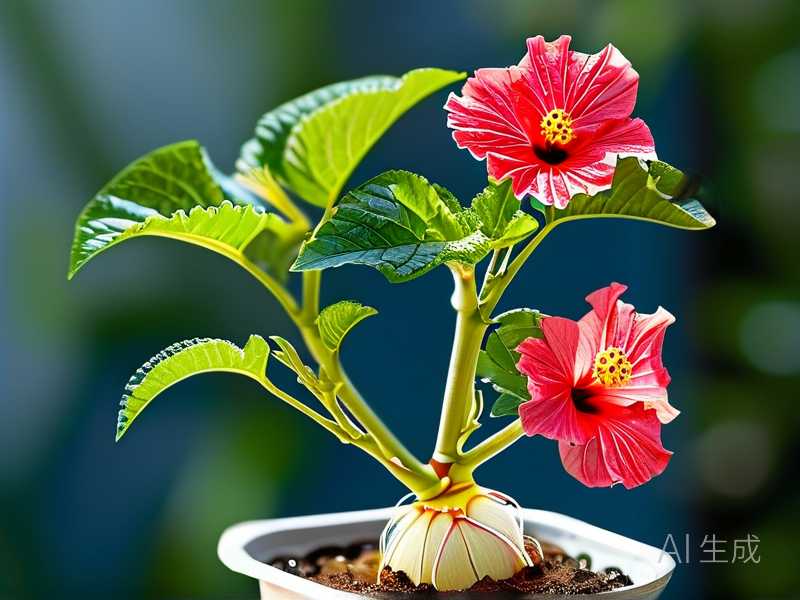
- I added a direct, physical companion: I gently transplanted several sprigs of freshly sown basil into the same container as the hibiscus (it was a potted specimen). Basil’s strong scent works best at close quarters.
- I employed a manual “one-two punch”: I gave the aphid colonies a strong blast of water from the hose to dislodge them. Then, I carefully placed a few heavily infested nasturtium leaves near the now-cleaned hibiscus stems. The theory was to redirect any surviving or returning aphids to their designated sacrificial plant.
This combination of a direct aromatic deterrent (basil) and an enhanced trap (nasturtium) was my mid-experiment correction.
Week 2: Shifts in the Ecosystem
The second week revealed the fascinating dynamics of a garden in balance.
- The Nasturtium Trap Worked Spectacularly: By day 10, my nasturtiums were absolutely covered in aphids. It was a startling but satisfying sight. The hibiscus leaves near them were almost completely clean. The trap crop strategy had successfully diverted the pest pressure.
- Beneficial Insects Moved In: The alyssum and flowering dill were now bustling with activity. I observed multiple ladybug larvae—those odd, alligator-looking creatures—devouring aphids on the nasturtiums. This was the perfect outcome: the trap crop was both attracting pests and concentrating them for predators. I also noticed more small parasitic wasps, a sign of a healthy insect population.
- The Repellent Ring’s Role Became Clearer: While they didn’t eliminate established pests, the marigolds and alliums seemed to create a general zone of discomfort for incoming pests. I saw fewer new infestations starting on the outer leaves. Their role was more preventative than curative.
Top Companion Plants for Hibiscus: What I Recommend
Based on my two-week deep dive and continued observation, here are the companions that proved most valuable for organic pest management for hibiscus.
1. Nasturtiums: The Ultimate Aphid Magnet This was the star performer. Plant them a little away from your hibiscus as a sacrificial offering. They not only draw aphids away but also attract the predators that will help control them. It’s a self-sustaining cycle.
2. Herbs with Strong Scents: Basil, Garlic, and Chives Planting these in the same pot or immediately at the base of your hibiscus creates a protective aromatic shield. I found basil particularly effective for potted plants. These herbs contribute to natural pest control for hibiscus plants by masking the scent of the hibiscus and repelling pests like whiteflies.
3. Flowers for Beneficial Insects: Sweet Alyssum, Dill, Yarrow Don’t underestimate the power of setting a table for garden helpers. These plants provide essential pollen and nectar for adult beneficial insects. By supporting their life cycle, you ensure a resident army of pest controllers. The RHS emphasizes that “providing nectar-rich flowers throughout the growing season is key to maintaining populations of beneficial insects.”
4. Marigolds: The Garden Workhorse While their pest-repelling power against airborne insects might be subtler, their root exudates help suppress harmful nematodes in the soil, promoting overall hibiscus root health. They’re a great all-around garden citizen.
Common Questions from Fellow Gardeners
Will companion planting eliminate pests completely? No, and that’s not the goal. The aim is managing pests in an organic hibiscus garden by reducing populations to a level where they cause little to no damage. You’ll still see pests, but you’ll also see their natural enemies. A few aphids are now a food source for my ladybugs, not a crisis.
How close do I need to plant companions to my hibiscus? Proximity is key. For repellent herbs, plant them as close as possible—in the same container or within a 6-12 inch radius. For trap crops like nasturtiums, place them 1-3 feet away, so they are a distinct but accessible target. Beneficial insect attractors can be in a nearby bed or interspersed throughout the garden.
What if my hibiscus is already heavily infested? Companion planting is best as a preventative or mild-intervention strategy. For a severe infestation, start with a strong spray of water or an application of insecticidal soap to knock the population down. Then, immediately install your companion plants. This gives the new system a chance to establish and prevent the next wave, turning your approach into a long-term hibiscus companion planting solution.
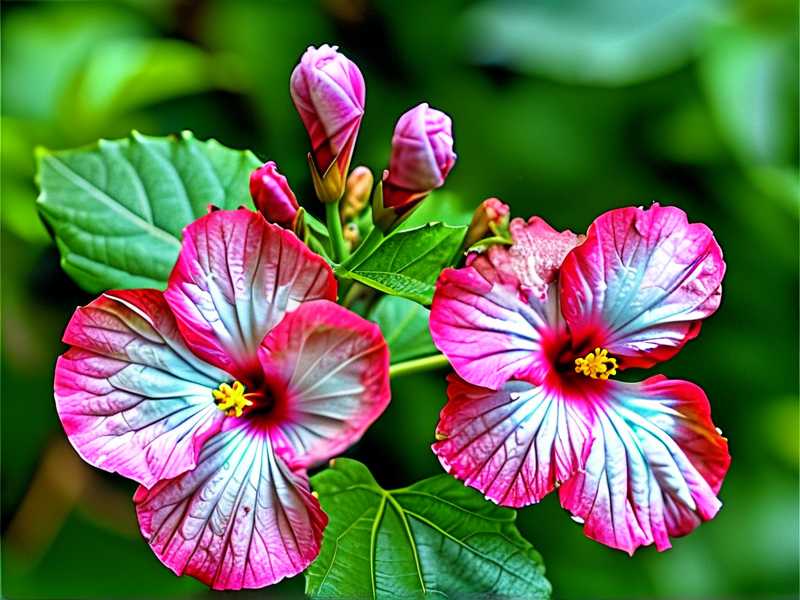
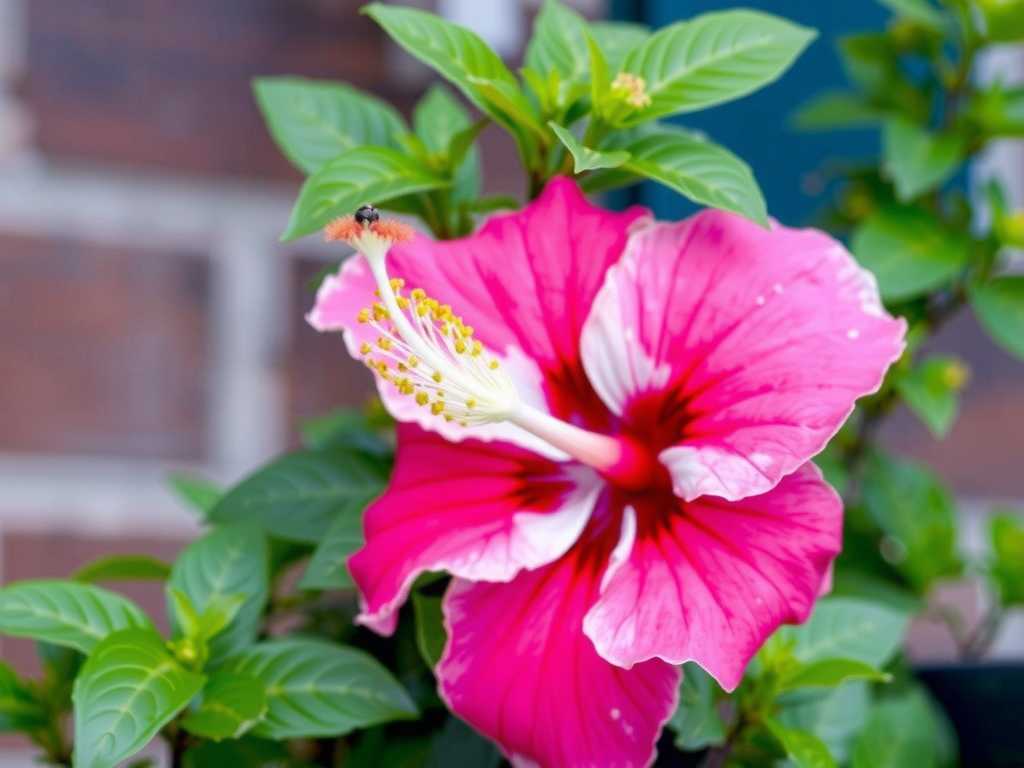
My two-week experiment transformed my view of my hibiscus from a vulnerable specimen to a hub in a thriving garden community. The vibrant red and yellow of the nasturtiums now complement the pink hibiscus blooms, and the buzz of hoverflies has replaced the worry of whitefly clouds. It requires a shift in mindset—from elimination to balance—but the result is a more beautiful, dynamic, and ultimately healthier garden. By working with nature’s logic, you can enjoy those stunning hibiscus flowers with far less fuss and more fascination.