bluename
 How to Fix Hibiscus Sticky Leaves: Aphid & Honeydew Solutions
There’s nothing more disheartening than running your fingers over your hibiscus’s beautiful, glossy leaves only to feel that telltale, tacky residue. If you’ve found your hibiscus leaves sticky, you’re not alone. I’ve been there, staring at my prized plant, wondering what I did wrong. That sticky substance is honeydew, a sugary waste product from sap-sucking insects, most commonly aphids. Left unchecked, this honeydew can lead to sooty mold, stunted growth, and a very unhappy plant. In this guide, I’ll walk you through exactly how to fix hibiscus sticky leaves, sharing the battle-tested methods I used to rescue my own plant over a decisive two-week period.
Understanding the Sticky Culprits: Aphids and Honeydew
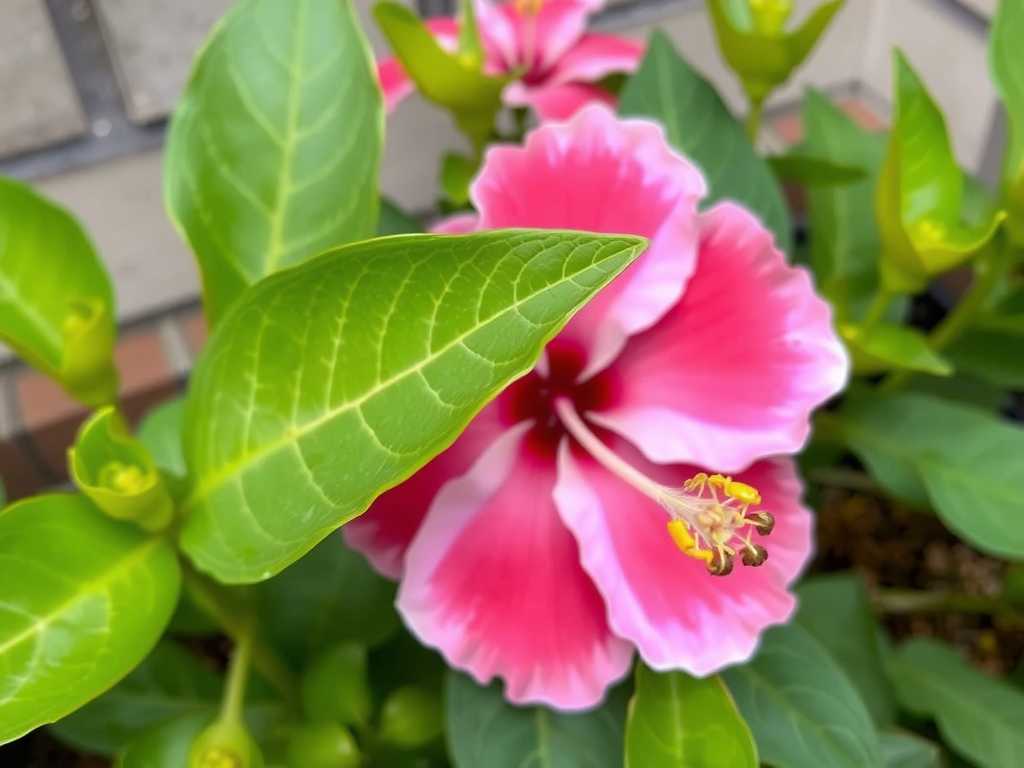
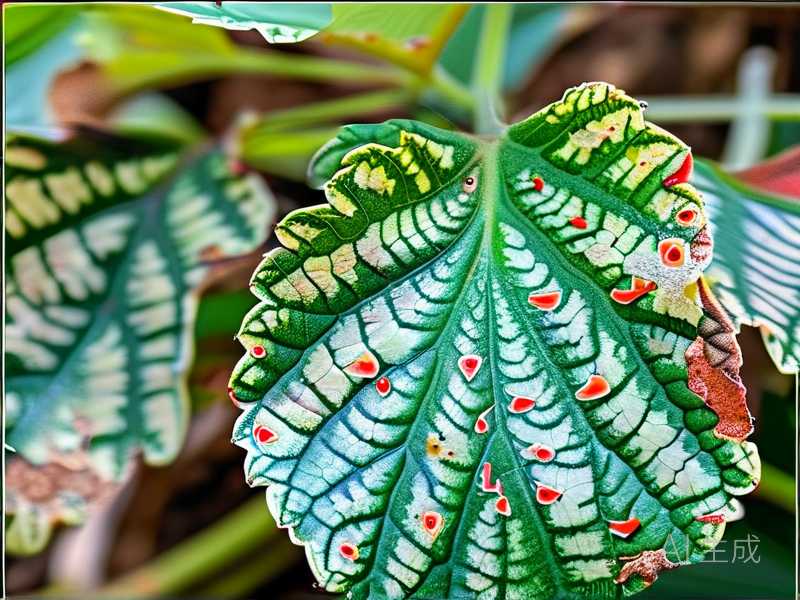
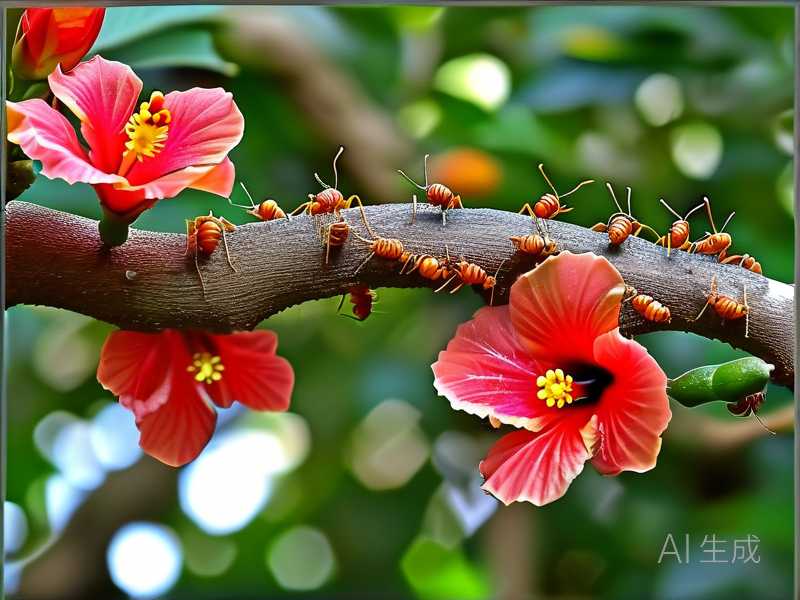
Before we dive into solutions, let’s understand the problem. Aphids are tiny, pear-shaped pests that cluster on new growth and the undersides of leaves. They pierce the plant and suck out nutrient-rich sap. To process all that sap, they excrete the excess sugar as honeydew. This clear, sticky film then coats the leaves, creating the perfect breeding ground for black sooty mold fungus. It’s a one-two punch against your hibiscus’s health and aesthetics.
My Two-Week Rescue Mission: A Step-by-Step Log
When I discovered my hibiscus was infested, I committed to a full intervention. Here’s my real-world process, including mistakes and triumphs.
Initial Assessment and Immediate Action (Day 1)
My first step was a thorough inspection. I turned over every leaf and found colonies of green aphids on the tender new shoots. The leaves were already shiny with honeydew. My immediate goal was to reduce the population and clean the plant.
- The Blast-Off: I took the plant outside and used a strong jet of water from my hose to dislodge as many aphids as possible. This is a highly effective, chemical-free first strike. I focused on the leaf undersides. Pro Tip: Do this in the morning so the leaves dry quickly, preventing other fungal issues.
- The Manual Wipe-Down: For the honeydew, I mixed a solution of 1 teaspoon of mild liquid dish soap (like Castile soap) per liter of warm water. Using a soft, damp cloth, I gently wiped the top and bottom of every sticky leaf. This physically removed the honeydew and any remaining pests. It was time-consuming but crucial.
Choosing and Applying Treatment (Days 1-3)
After the physical cleanup, I needed a treatment plan. I wanted to avoid harsh chemicals, so I opted for a two-pronged organic approach, as recommended by resources from the American Horticultural Society (AHS), which emphasizes integrated pest management starting with the least toxic options.
- Neem Oil Spray – My Go-To Solution: I prepared a neem oil solution following the label instructions (typically 2 tsp neem oil, 1 tsp Castile soap per gallon of water). I sprayed every inch of the plant, ensuring complete coverage, especially under the leaves. I did this in the late evening to avoid sun-scorching the leaves and harming beneficial insects. I applied this every 3-4 days.
- Introducing Natural Predators: To complement the neem oil, I ordered a batch of live ladybug larvae online. On Day 3, after a neem application the night before, I released them onto the hibiscus. Ladybugs are voracious aphid eaters.
The Critical Observation Period (Days 4-14)
This is where patience and consistency are key. I inspected the plant daily.
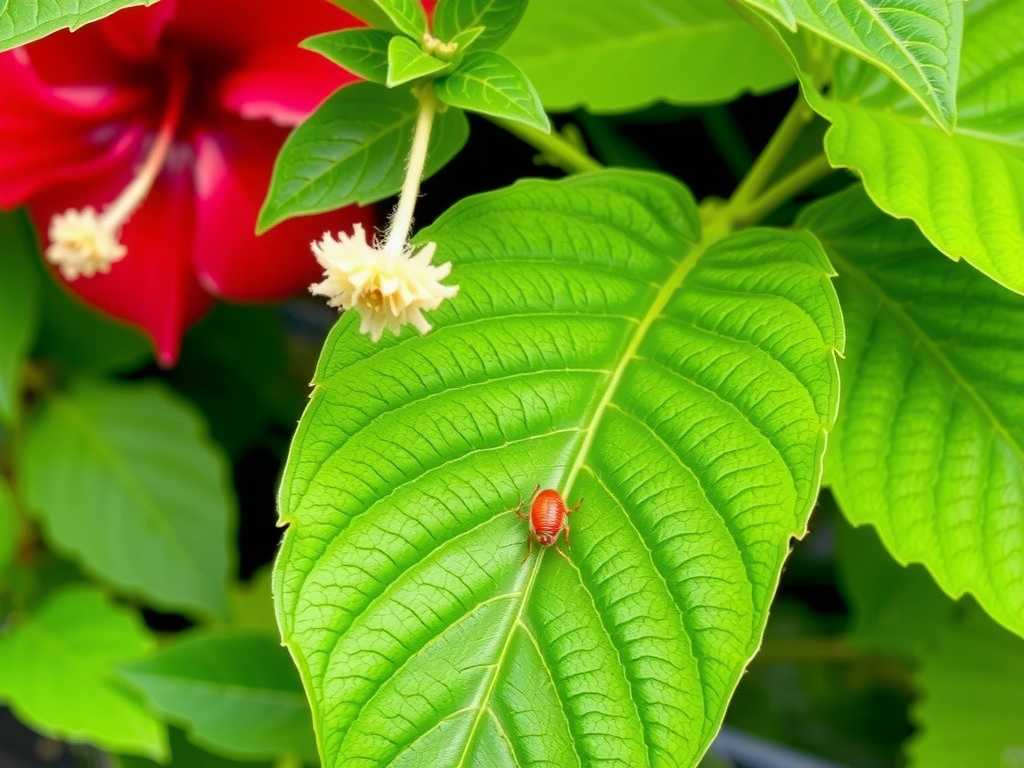
- The First Setback (Day 5): I noticed some leaf yellowing on a few older leaves. I realized I had made my neem solution too strong in one batch, and combined with the midday sun, it caused minor phytotoxicity. I immediately flushed those leaves with clean water and stuck religiously to the dilution instructions thereafter.
- Signs of Hope (Day 7): The sticky feeling was drastically reduced. During my inspection, I spotted several ladybug larvae actively feeding! The aphid colonies appeared smaller.
- Consistency Pays Off (Days 10-14): I continued my neem oil spray schedule. By the end of the second week, the aphids were virtually gone. New growth was emerging clean and healthy, without any stickiness. The sooty mold, deprived of its honeydew food source, was beginning to flake off. I gently wiped the remaining spots off with my soapy cloth.
Long-Term Prevention and Plant Health
Fixing the immediate problem is only half the battle. Aphids are attracted to stressed plants and tender new growth.
- Fertilize Judiciously: I switched to a balanced, slow-release fertilizer. Avoiding high-nitrogen fertilizers prevents excessive soft growth that aphids love, a point often underscored in horticultural best practices.
- Regular Monitoring: I made inspecting the undersides of leaves part of my weekly watering routine.
- Companion Planting: I planted aphid-repelling herbs like garlic and chives nearby as a preventative measure.
When to Consider Stronger Measures
For severe, persistent infestations, insecticidal soaps or horticultural oils (like summer oil) are excellent next-step options. They work by suffocating pests and have minimal residual impact. Always test on a small area first and follow label directions precisely.
What causes the sticky leaves on my hibiscus in the first place? The stickiness is almost always honeydew, excreted by sap-sucking pests like aphids, whiteflies, or scale. Aphids are the most common culprit for hibiscus. They feed on the plant’s phloem sap and secrete this sugary waste, which then coats the foliage.
Can I just wash the sticky leaves off with water? Yes, and you should! A strong water spray is a great first step to dislodge pests. For the honeydew residue, a damp cloth with a mild soap and water solution is necessary to cut through the sugar. Washing removes the medium sooty mold needs to grow and helps you monitor for new infestations.
Is the black sooty mold on the honeydew harmful to the plant? The sooty mold fungus itself doesn’t infect the plant tissue. However, it forms a thick black coating that can block sunlight, reducing photosynthesis and weakening the plant. The real harm comes from the pests producing the honeydew. Once you eliminate the pests and their honeydew, the sooty mold will gradually disappear and can be wiped away.
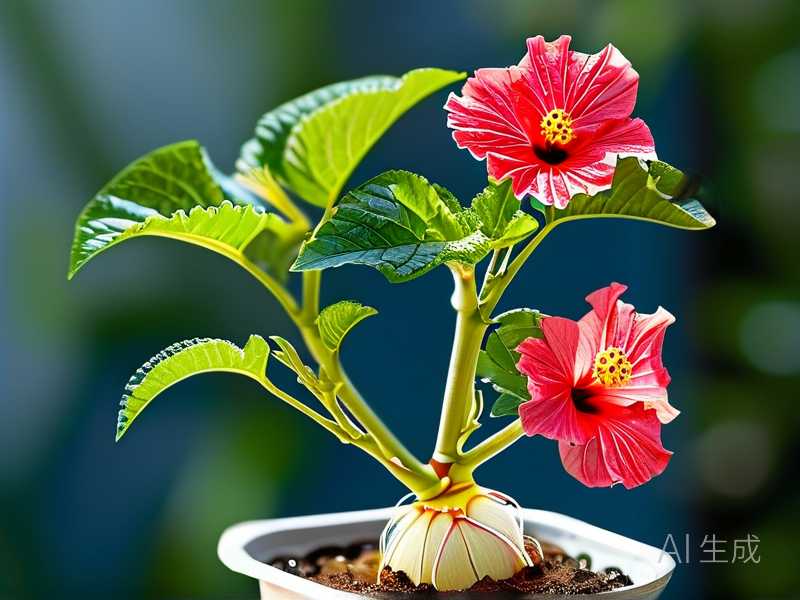
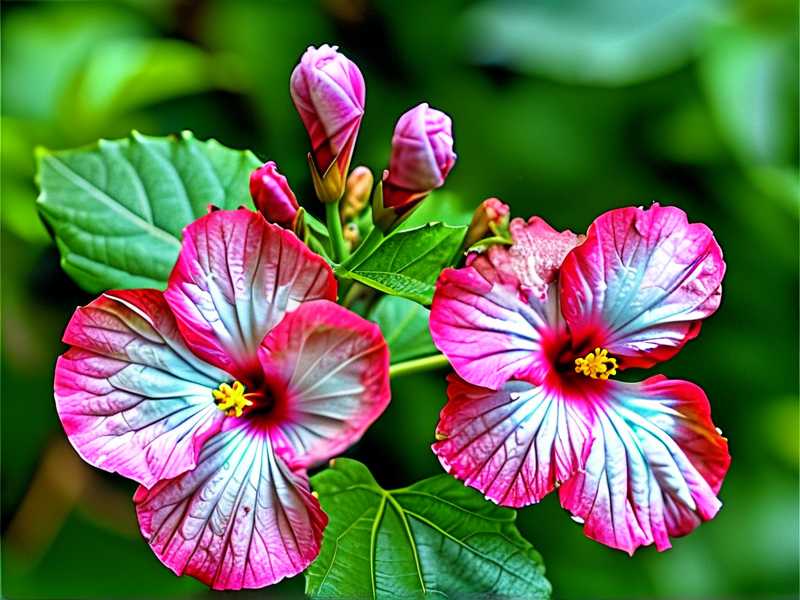
Dealing with sticky hibiscus leaves is a clear signal from your plant that it needs help. My two-week journey proved that with immediate physical action, consistent organic treatment like neem oil, and a commitment to ongoing plant health, you can completely overcome an aphid infestation. The transformation from a sticky, sooty mess to a clean, vibrant, and flowering hibiscus is immensely rewarding. Remember, the key is early intervention, thorough application, and never skipping your weekly plant check-ups. Your hibiscus will thank you with lush, sticky-free growth.