bluename
 Indoor Hibiscus Flowering Trigger: Light & Temperature Tricks
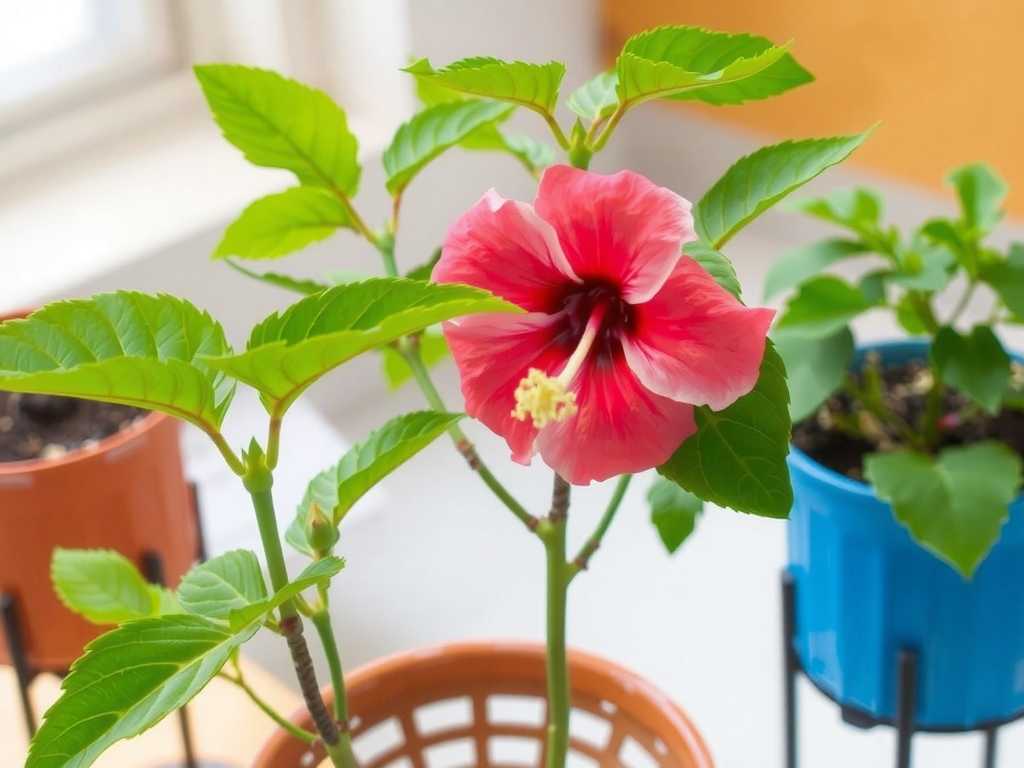
I’ve been there. You bring home a stunning indoor hibiscus, its glossy leaves promising a cascade of tropical blooms. You water it faithfully, give it a sunny spot, and wait. And wait. All you get are more leaves, maybe a bud or two that yellow and drop before opening. It’s frustrating. For years, my indoor hibiscus was a beautiful, stubbornly green sculpture. The breakthrough didn’t come from a fancy fertilizer, but from finally understanding and mastering two fundamental triggers: light and temperature. This is the journey I took from hopeful to successful, and the exact, actionable tricks that finally made my indoor hibiscus flower profusely.
Understanding the Hibiscus Blooming Mindset
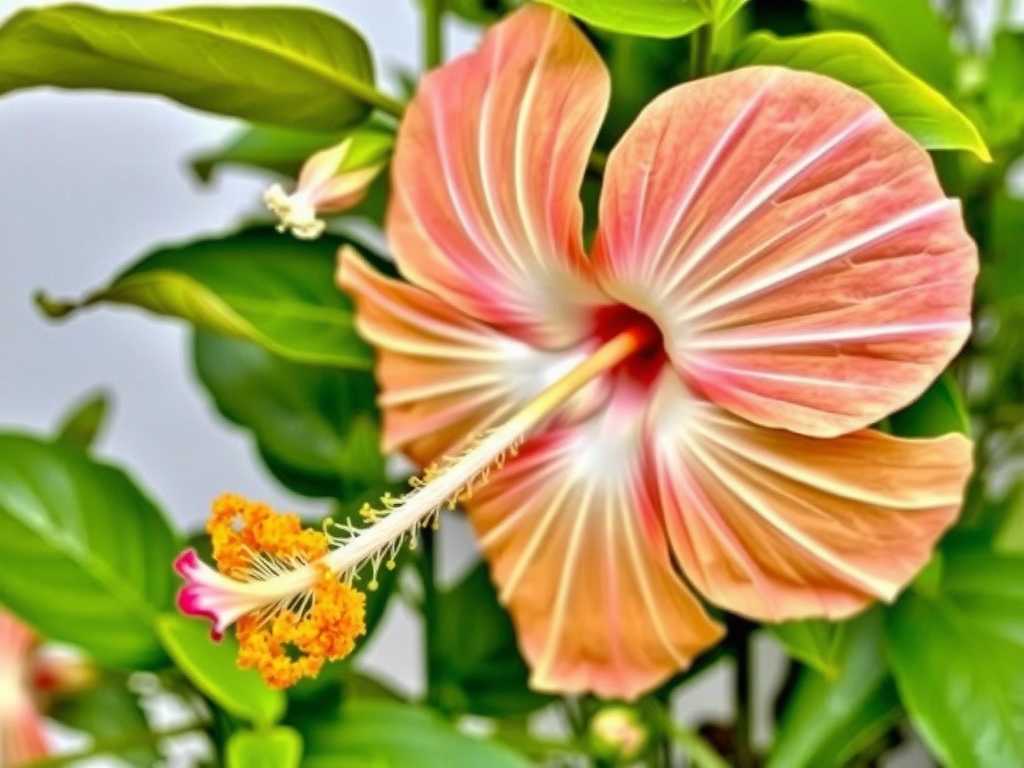
Hibiscus plants are not just decorative; they are solar-powered, climate-sensitive performers. To get them to bloom indoors, we must replicate the key environmental cues of their preferred habitat. The Royal Horticultural Society (RHS) clearly states that hibiscus requires “plenty of light and warmth” to flower well. It sounds simple, but the devil is in the details. The American Hibiscus Society (AHS) emphasizes that while hibiscus love sun, the quality, duration, and consistency of light are critical, as are specific temperature differentials. My goal was to translate these expert principles into a practical, step-by-step home regimen.
My Two-Week Light and Temperature Experiment
I decided to treat my two non-flowering hibiscus plants as a controlled experiment. I committed to a strict 14-day protocol focusing solely on adjusting their light and temperature environment, documenting every change and response.
Week 1: The Light Quality and Duration Overhaul
My first target was light. A sunny windowsill wasn’t cutting it.
Assessing and Correcting Light Exposure I realized my “bright, indirect light” spot was actually only receiving about 3-4 hours of direct morning sun. For consistent indoor hibiscus flowering, this was insufficient. I purchased a simple, affordable full-spectrum LED grow light. My new rule became: 6-8 hours of intense light daily. This became my core strategy for triggering hibiscus blooms. During winter or cloudy days, the grow light ensured consistency. I set it on a timer for 12 hours (accounting for the lower intensity compared to direct sun), supplementing the 4 hours of natural morning light they still received.
The Immediate Observations Within the first 3-4 days, I noticed a subtle but definite change. The plants’ posture improved; they seemed to reach more purposefully toward the light source. The deep green of the leaves intensified. Most promisingly, I spotted tiny, reddish nubs at the leaf axils – potential flower buds. This was the first sign my indoor hibiscus flowering trigger was being activated.
Week 2: Introducing the Temperature Trick
This is where the magic truly happened. I learned that hibiscus not only need warmth but also benefit from a gentle, natural temperature fluctuation.
Creating the Ideal Day/Night Cycle The AHS notes that hibiscus thrive with warm days and slightly cooler nights. My apartment was a constant 72°F (22°C). I needed to simulate a more natural rhythm. During the “day” (light hours), I ensured the temperature around the plants was between 75-80°F (24-27°C). At “night,” I moved them to a slightly cooler part of the room, away from heating vents, allowing the temperature to drop to 65-68°F (18-20°C). This 8-10 degree differential is a powerful, often overlooked trick to encourage bud set and prevent bud drop.
The Dramatic Response and Troubleshooting By day 10, the tiny nubs had swelled into unmistakable flower buds. However, I hit a snag. On two plants, a few lower buds began to yellow. Panic set in. After research and consulting AHS resources, I diagnosed the issue: while my light and temperature were now good, the increased metabolic activity demanded more water. The soil was drying out faster than my old watering schedule accounted for. I increased my watering frequency slightly, ensuring deep watering when the top inch of soil was dry, and the bud drop on remaining buds stopped immediately. This was a crucial lesson in how these environmental factors are interconnected.
Sustaining the Blooms: My Ongoing Routine
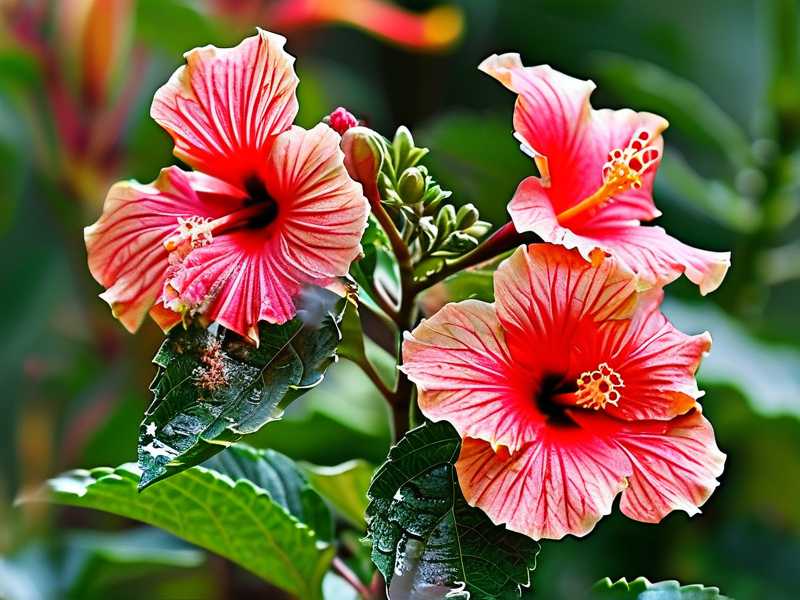
The two-week experiment proved the concept spectacularly. By the end of the second week, the first brilliant red bloom unfurled. But this isn’t a one-time trick; it’s a new care philosophy.
My Consistent Light Recipe The grow light stays on the timer year-round. In summer, it provides 4-6 hours of supplemental evening light to extend the day. In winter, it’s the primary light source for 10-12 hours. The plants are always within 12 inches of the light. This consistent, high-quality light exposure is the non-negotiable foundation for getting your hibiscus to flower indoors.
My Seasonal Temperature Management I’ve become more attuned to indoor climates. I avoid placing plants near drafty windows in winter or in the direct path of air conditioning in summer. The gentle day/night swing is maintained as consistently as possible. In warmer months, I sometimes place them on a sheltered patio for a week to give them a “natural environment boost,” which always results in a flush of new buds.
Why These Tricks Work: The Science of the Bloom Trigger
Manipulating light and temperature works because it speaks directly to the plant’s physiology. Long, bright days signal an abundance of energy for the taxing process of reproduction (flowering). The slight drop in temperature at night reduces respiration rates, helping the plant conserve the sugars produced during the day, which are then available for bud development. It mimics the perfect tropical day, telling the plant, “Conditions are ideal; now is the time to bloom.”
Common Hurdles and How I Solved Them
- Leggy Growth, No Buds: This was my original problem. The solution was unequivocally more intense light. “Bright indirect light” is often not enough. Prioritize direct sun or a strong grow light.
- Bud Drop: My week-two issue. Causes can be sudden temperature swings (drafts), inconsistent watering (especially under-watering after bud formation), or low humidity. I stabilized my watering and used a pebble tray to increase local humidity, which solved the problem.
- Lush Leaves, Zero Buds: Usually an excess of nitrogen fertilizer. I switched to a bloom-booster formula (higher phosphorus and potassium) applied at half-strength every two weeks during the growing season, but only after the light/temperature conditions were correct. The fertilizer supports blooming; it doesn’t trigger it.
Your Questions, Answered
Can I get a hibiscus to bloom with just a west-facing window? It’s possible, but challenging. A west window provides strong afternoon light, which is excellent. However, you must ensure it gets a minimum of 6 hours of that direct sun. In winter, this may not be enough, and bud production may stall. Be prepared to supplement.
My home temperature is constant. Is that why it won’t flower? Very likely. A constant, flat temperature is one of the most common inhibitors of indoor hibiscus flowering. Try to create a difference. Even moving the plant to a cooler hallway at night can help. That slight drop is a powerful signal.
How long after adjusting light and temperature will I see buds? From my experience, if the plant is healthy, you can see the initial formation of tiny bud nubs within 7-10 days. For those buds to develop and open into full flowers, plan on another 3-4 weeks of consistent care. Patience is key, but the trigger works reliably.
Seeing that first bloom open after months of waiting was immensely rewarding. The formula isn’t mysterious—it’s about committed, consistent environmental control. Light acts as the energy switch, and temperature provides the subtle cue. By focusing on these two triggers, mimicking the ideal conditions of their origins, you move from simply keeping a hibiscus alive to actively coaxing it into a vibrant, flowering showpiece. It transforms your relationship with the plant. Start with the light, introduce the temperature rhythm, be patient, and watch your indoor hibiscus finally fulfill its blooming promise.