bluename
 Hardy Hibiscus Seedling Care: Your Essential Thin & Transplant Guide for Thriving Blooms
There’s nothing quite as exciting for a gardener like me as seeing those first tiny, green leaves of hardy hibiscus seedlings push through the soil. That initial burst of joy, however, is often quickly followed by a wave of anxiety. You’ve nurtured these delicate starts, and now they’re all crowded together. The big question looms: how do I give them the best shot at becoming those stunning, dinner-plate-sized bloomers without killing them in the process? If you’re staring at a dense tray of seedlings, worrying about thinning and the dreaded transplant shock, you’re in the right place. I’ve been there, made the mistakes, and through trial, error, and guidance from experts, I’ve perfected a system. This guide is my hands-on, step-by-step walkthrough of hardy hibiscus seedling care, specifically focusing on the critical stages of thinning and transplanting.
Understanding Your Hardy Hibiscus Seedlings’ Needs
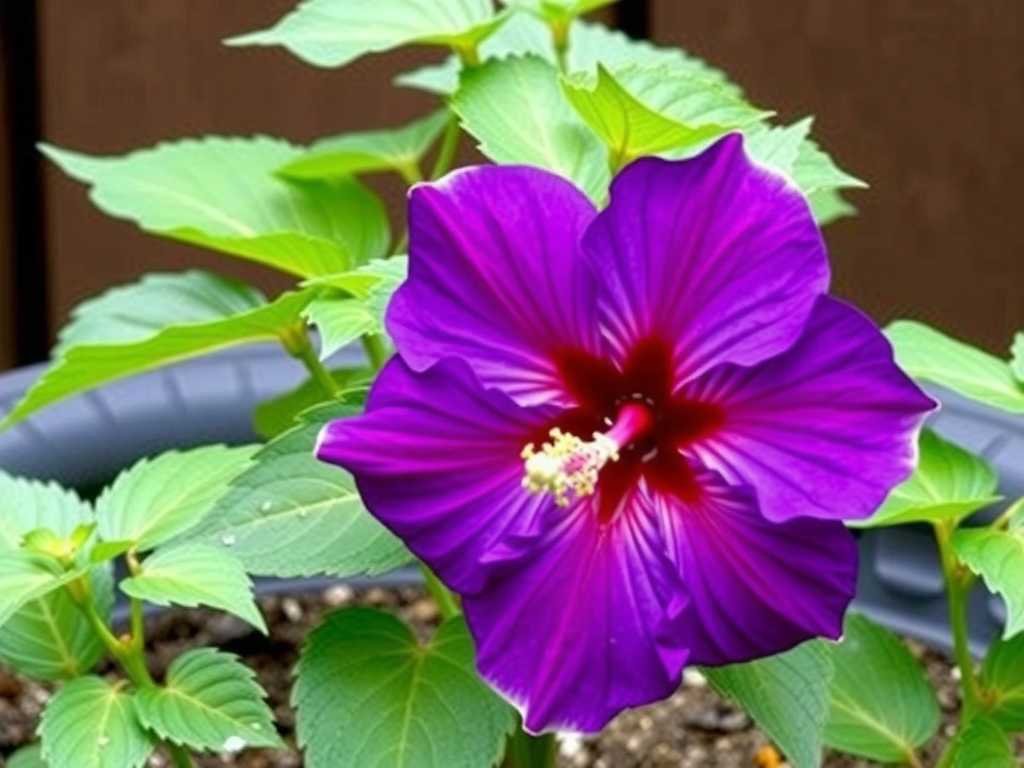
Before we get our hands dirty, it’s crucial to understand what these plants are working toward. Hardy hibiscus (Hibiscus moscheutos and hybrids) are perennial powerhouses, but they start life as tender, slow-growing seedlings. They demand warmth, consistent moisture, and most importantly, space. Crowding is the enemy; it leads to competition for light, causing leggy, weak stems, and creates a humid environment ripe for fungal diseases like damping-off.
According to the American Horticultural Society (AHS), successful seedling development hinges on “providing adequate space for air circulation and root development immediately after the first true leaves appear.” This isn’t just a suggestion—it’s a fundamental step. I learned this the hard way one season when I delayed thinning, only to lose half my seedlings to a mysterious gray mold. The solution, I discovered, was timely intervention and proper spacing.
Phase 1: The Delicate Art of Thinning Hardy Hibiscus Seedlings
Thinning feels brutal. You’re essentially choosing which plants live and which don’t. But trust me, it’s a necessary act of kindness for the strongest ones to prevail.
When to Thin Your Seedlings The perfect moment is when the seedlings have developed their first set of true leaves. These are the leaves that look like a smaller version of the classic hibiscus leaf, appearing after the initial, simpler seed leaves (cotyledons). At this stage, they are robust enough to handle disturbance but not so root-bound that tearing them apart causes major trauma.
My Step-by-Step Thinning Process
- Water First: I always gently water the seedling tray a few hours before thinning. Moist soil holds roots together better, making it easier to lift clumps.
- Choose the Champion: I examine each cluster and identify the strongest, stockiest seedling with the best color. I ignore the tallest, spindliest one—height often means it’s stretching for light, not that it’s stronger.
- The Removal: Using a pair of fine-tipped tweezers or my fingers, I firmly but gently grip the base of the unwanted seedling at the soil level. I pull straight up, aiming to remove it entirely without overly disturbing the keeper’s roots. Sometimes, I simply snip it off at the soil line with micro-tip scissors, which is even less disruptive.
- The Goal Spacing: My aim is to have one seedling per cell or, if in a open tray, seedlings spaced about 2-3 inches apart. This gives them room to bush out.
My 2-Week Observation Post-Thinning After thinning, the change was remarkable. Within 3-4 days, the remaining seedlings seemed to perk up. Their stems thickened, and growth, which had seemed stalled, resumed visibly. Over the following two weeks, instead of growing tall and leaning, they grew outward, developing more true leaves and a much sturdier, compact form. The tray also dried out more evenly between waterings, reducing the risk of overwatering at the base—a common pitfall I’d faced before.
Phase 2: Transplanting Seedlings for Robust Growth
Once your seedlings have 3-4 sets of true leaves and their roots are likely filling the starter cell, it’s time for their upgrade. This transplanting hardy hibiscus seedlings is a pivotal moment in their journey.
Pre-Transplant “Hardening Off”: Non-Negotiable This was my biggest lesson-learned. Hardy hibiscus might be “hardy” as mature plants, but their seedlings are tender. Moving them directly from a cozy indoor setup to the full sun and wind outdoors will shock and likely kill them. The process of hardening off takes about 7-10 days.
- Days 1-3: I place the trays in a shaded, sheltered outdoor spot for just 2-3 hours in the afternoon.
- Days 4-6: I increase exposure to 4-6 hours, introducing a bit of morning sun.
- Days 7-10: I leave them out all day in a partially sunny spot, bringing them in only if nights dip below 50°F (10°C). By the end, they’re ready for a full sun location.
Choosing the Right Soil and Pot I use a high-quality, well-draining potting mix. Some experts at the Royal Horticultural Society (RHS) recommend mixing in 10-15% perlite or coarse sand for extra drainage, which I’ve found prevents waterlogging. I transplant into 4-inch or quart-sized pots—this gives ample room for root development before the final move to the garden.
The Gentle Transplant Technique
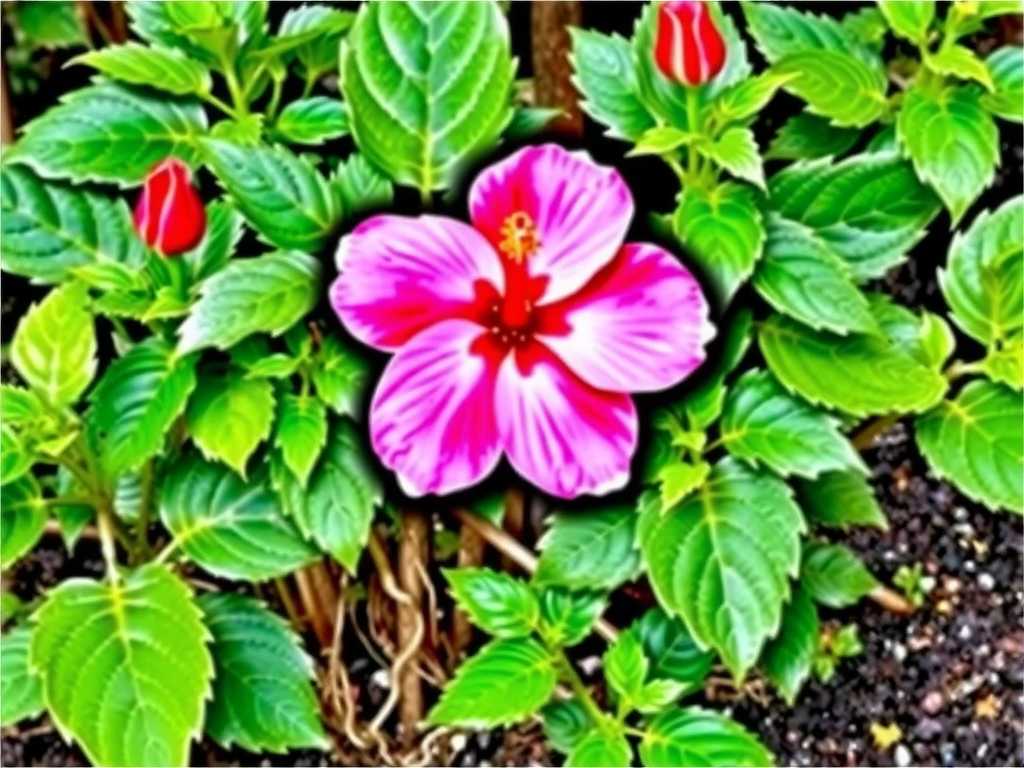
- Water the seedlings thoroughly in their original tray an hour before the move.
- Fill the new pots with pre-moistened soil and make a deep hole in the center.
- Here’s the key: I never pull the plant by its stem. I squeeze the sides of the starter cell, turn it upside down while supporting the soil mass with my fingers, and let the plant slide out. If roots are densely coiled (root-bound), I gently tease the very bottom apart to encourage outward growth.
- I place the seedling in the hole, burying it slightly deeper than it was before—up to the base of the first true leaves. This encourages a stronger, more stable stem.
- I firm the soil gently around it, water it in well to settle the roots and eliminate air pockets, and place it back in its sheltered, hardening-off location for a few days to recover.
Post-Transplant Care and My 2-Week Check-In The first two days after transplanting, the seedlings looked a little sad and droopy—this is normal transplant shock. I kept them in dappled light and ensured the soil stayed consistently moist (not soggy). By day 4, they had perked up completely. Over the next two weeks, I observed a significant growth spurt. New leaves emerged faster, and the plants developed a noticeably fuller, bushier habit. The deeper planting provided great stability. I began a very diluted, half-strength liquid fertilizer once a week, and they responded with vibrant green growth.
Common Pitfalls and How I Solved Them
- The “Too-Tall” Seedling: I once had a seedling that became leggy before transplant. During the move, I planted it deeply (as described), and it developed robust roots all along the buried stem. It caught up in sturdiness quickly.
- Transplant Shock Wilt: If wilting persists beyond 3 days, I create a mini humidity dome by placing a clear plastic bag loosely over the pot for a day or two. This reduces water stress.
- Pest Patrol: Aphids love tender new growth. During my two-week observation, I spotted a few. A strong spray of water or an application of insecticidal soap every few days took care of them without chemicals.
Final Planting in the Garden Wait until all danger of frost has passed and soil has warmed significantly—hardy hibiscus are late to emerge even as perennials, and they hate cold feet. Choose a full sun location (6+ hours) with rich, well-draining soil. Space plants at least 24-36 inches apart, as they will become large shrubs by midsummer. Water deeply and consistently during their first growing season to establish a deep, drought-tolerant root system.
Frequently Asked Questions
Can I separate and save all the seedlings when thinning, not just discard them? Yes, you can try! If they are very young and come apart easily with plenty of roots, you can pot up the extras. I’ve done this, but success depends on minimal root damage. Be prepared for a higher rate of loss or slower growth compared to the undisturbed “champion” seedling. It’s a great way to experiment and learn.
How long after transplanting to pots until they can go in the ground? I typically keep them growing in their 4-inch pots for 4-6 weeks after transplanting. This allows them to truly fill out the pot with roots and become robust, well-established young plants. This timing usually coincides perfectly with the warming late-spring/early-summer soil they crave.
My transplanted seedling’s leaves turned yellow. What did I do wrong? Yellowing lower leaves after transplant can be a sign of overwatering (the most common cause in my experience), especially if the pot lacks drainage. Let the soil dry slightly between waterings. It can also be a normal reaction to shock as the plant redirects energy to root growth. Ensure it’s getting adequate light and hold off on fertilizer until new green growth appears.
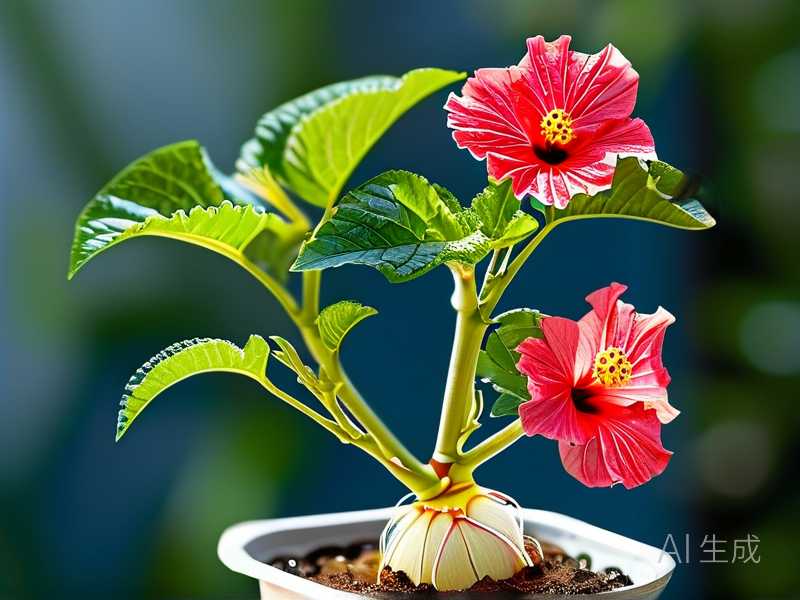
Watching a hardy hibiscus seedling transform from a fragile speck of green into a towering, bloom-laden giant is one of gardening’s greatest rewards. The steps of thinning and transplanting are the pivotal, hands-on chapters in that story. By providing space at the right time, hardening off with patience, and transplanting with a gentle touch, you’re not just moving a plant—you’re building the foundation for a perennial spectacle. The process requires a bit of courage and a lot of observation, but the result, those breathtaking blooms that stop neighbors in their tracks, is absolutely worth every careful step.