bluename
 Hibiscus Leaf Drop Prevention: Why Avoiding Sudden Environment Changes Is Key
There's nothing quite as disheartening as watching your beloved hibiscus, once covered in lush green leaves and vibrant blooms, suddenly start shedding its foliage like it's going out of style. If you've found yourself frantically searching for answers to "hibiscus losing leaves," you're not alone. I've been there, standing over a pile of fallen leaves, feeling like I failed a plant I deeply cared for. Through years of trial and error—and more than a few missteps—I've learned that the single most critical factor in hibiscus leaf drop prevention is managing environmental stability. Sudden changes in light, temperature, humidity, or watering are often the silent culprits. In this guide, I'll share my hands-on journey, including a detailed two-week rescue plan I implemented for a stressed hibiscus, the mistakes I made along the way, and the proven strategies that finally worked.
Understanding the Hibiscus: A Plant That Craves Consistency
Before we dive into the fixes, it's crucial to understand why hibiscus plants are so sensitive. Native to warm, tropical, and subtropical regions, they thrive on predictability. Their systems are fine-tuned to steady conditions. A sudden shift, like moving a plant from a sheltered patio into full, blazing sun or blasting it with air conditioning after it's been outdoors, is a massive shock. This shock triggers a stress response, and leaf drop is the plant's way of reducing its surface area to conserve water and energy. It's a survival mechanism, but one we can prevent.
The Two-Week Stabilization Protocol: My Personal Experiment
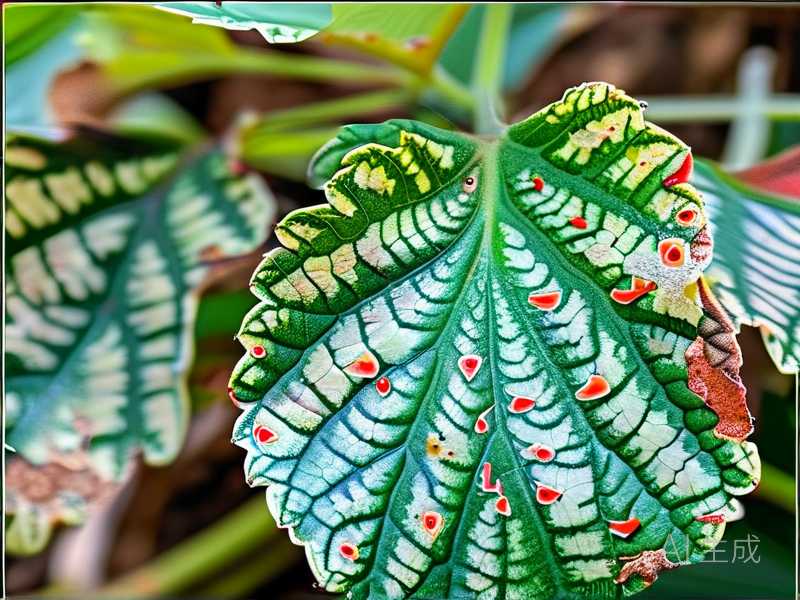
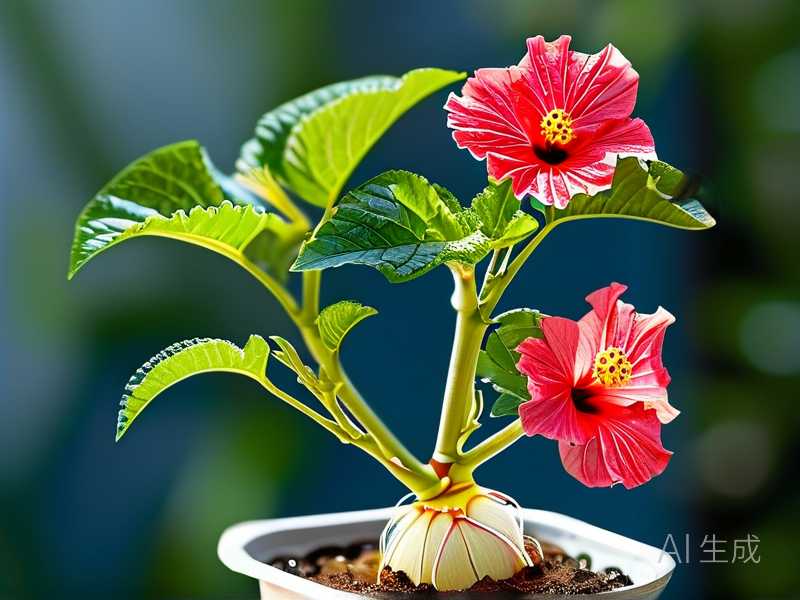
Last spring, I acquired a gorgeous 'Midnight Marvel' hibiscus that was absolutely thriving in the nursery's greenhouse. Eager to show it off, I brought it home and placed it immediately on my south-facing deck. Within three days, the lower leaves began to yellow and drop at an alarming rate. I realized I had committed the classic error: a drastic and sudden change in environment. I decided to document a careful, two-week stabilization process to nurse it back to health.
Week 1: Damage Control and Assessment
My first step was diagnosis. I ruled out pests and obvious root rot. The issue was clearly environmental shock. Here’s what I did:
- Step 1: The Immediate Retreat. I moved the plant from the intense afternoon sun on the deck to a location with bright, but indirect, light on my covered porch. This provided a "recovery room" setting. The Royal Horticultural Society (RHS) advises that when acclimatizing plants, "a period in dappled shade can help them adjust to new light levels," a principle I applied here.
- Step 2: Humidity Intervention. The greenhouse had high humidity; my deck was dry. To mitigate this sudden change, I placed the pot on a wide, shallow tray filled with pebbles and water (a pebble tray). As the water evaporates, it increases humidity around the leaves. I also grouped it with a few other plants to create a microclimate.
- Step 3: Conservative Watering. The soil was moist, but I was terrified of overwatering a stressed plant. I stuck my finger two inches into the soil. I only watered when it felt dry at that depth, ensuring the roots had access to moisture without being suffocated. Consistency was the goal—no dramatic soaking after a slight dry spell.
- Observation at Day 7: Leaf drop had significantly slowed. The remaining leaves looked less wilted, though some yellowing persisted. No new buds had formed, but the plant seemed stable. The key here was patience; I resisted the urge to fertilize or repot, which would have added more stress.
Week 2: Gradual Reintroduction and Monitoring
With the plant stabilized, the goal shifted to gently acclimating it to its intended long-term spot.
- Step 4: Incremental Light Exposure. Starting on day 8, I began moving the plant to its desired sunny spot for just one hour in the early morning. Each day, I increased this exposure by about 30-60 minutes. This slow process, known as hardening off, is essential for preventing hibiscus leaf loss due to light stress.
- Step 5: Monitoring and Adjusting. I checked the plant twice daily for signs of renewed stress: curling leaf edges, further yellowing, or wilting. I kept the pebble tray in place. By day 14, the plant could tolerate about 4 hours of direct morning sun without issue. Most importantly, leaf drop had completely stopped, and I spotted the tiniest hint of a new leaf bud forming—a sure sign of recovery.
Common Sudden Changes and How to Mitigate Them
My two-week protocol tackles a post-shock scenario. But prevention is always better than cure. Here are the main environmental shifts to avoid and how to handle them proactively.
1. Light Level Transitions (The Most Common Culprit) Whether moving a plant indoors to outdoors for summer or shifting its position in your home, light changes must be gradual.
- The Mistake I Made: The abrupt move from filtered nursery light to full sun.
- The Solution: Employ the "hardening off" method over 7-14 days. Start with 1-2 hours of gentle morning sun, slowly increasing exposure. For moves indoors, choose the brightest window possible and consider supplementing with a grow light to compensate for lower intensity.
2. Temperature and Draft Fluctuations Hibiscus despise cold drafts and sudden temperature drops. The American Hibiscus Society (AHSA) notes that temperatures below 50°F (10°C) can induce stress and leaf drop.
- The Mistake I've Made: Placing a hibiscus near a frequently opened exterior door in early fall.
- The Solution: Keep plants away from air conditioning vents, heating vents, drafty windows, and doors. When transitioning plants between indoor and outdoor settings, do so when nighttime temperatures are consistently above 55°F (13°C). A sudden cold snap is a prime cause of sudden hibiscus leaf drop.
3. Watering Inconsistency and Water Quality Swinging between drought and flood is a surefire way to trigger leaf loss. Water temperature and quality also matter.
- The Mistake I've Made: Using ice-cold tap water on a warm-weather plant, which can shock the roots.
- The Solution: Establish a consistent watering routine based on soil moisture, not the calendar. Water deeply until it runs from the drainage holes, then allow the top inch of soil to dry before watering again. Let tap water sit overnight to reach room temperature and allow chlorine to dissipate.
4. Humidity Drops (Especially When Bringing Plants Indoors) Moving a plant from a humid summer garden to a dry, heated home in winter is a massive shock.
- The Solution: Don't wait for leaf drop to act. As you prepare to move the plant indoors, start increasing humidity around it. Group plants together, use a humidifier, or employ the pebble tray method from day one indoors. Misting offers a very temporary boost and is less effective than these other methods.
The Role of Overall Plant Health in Resilience
A hibiscus that is already stressed from poor nutrition or root-bound conditions is far more susceptible to environmental shock. Think of it as a strong immune system.
- Fertilizing Wisely: A balanced, slow-release fertilizer formulated for hibiscus or flowering plants supports steady growth. However, never fertilize a plant in the midst of an environmental shock crisis. Feed only when the plant is actively growing and stable.
- Proper Potting: Ensure your hibiscus is in a well-draining potting mix and a container with adequate drainage holes. A root-bound plant or one sitting in soggy soil is under constant, low-level stress, making it unable to handle any additional change.
Why did my hibiscus drop all its leaves after I repotted it? Repotting, even when done carefully, disturbs the roots and is an environmental change. It's common for a hibiscus to drop some leaves after repotting as it focuses energy on root re-establishment. Minimize this by repotting in the growing season, using a similar soil type, not over-potting (only go 1-2 inches larger in diameter), and keeping the plant in a stable, shady, and humid location for 1-2 weeks after the process. Avoid fertilizing for at least a month.
Can a hibiscus recover from losing all its leaves? Yes, it absolutely can, if the underlying cause is addressed. I've had hibiscus plants come back from bare stems. The key is patience. Ensure the branches are still alive by scraping a tiny bit of bark with your fingernail; if you see green underneath, there's hope. Continue providing stable, appropriate care—consistent moisture, good light, and warmth. It may take several weeks or even months for new growth to appear.
How do I know if leaf drop is from environment change or something else? Environmental shock typically causes widespread, relatively rapid leaf drop (yellowing or just falling) that coincides with a known change in the plant's location or conditions. Check for other issues: pests like spider mites (look for fine webbing), aphids (clustered on new growth), or diseases (black spots, mold). Also, inspect your watering habits. Consistently soggy soil leads to root rot, where leaves turn yellow and drop, often starting with older leaves, but the soil will smell musty and roots will be brown and mushy.
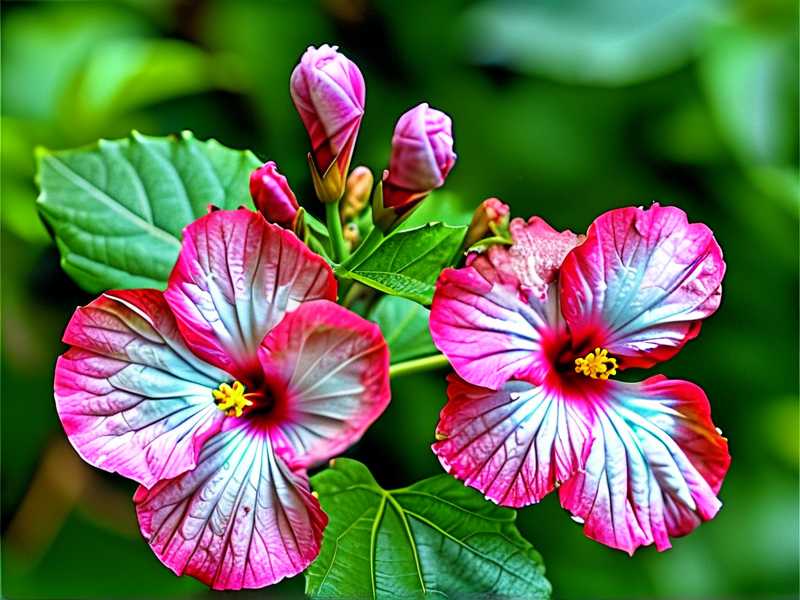
Watching a hibiscus shed its leaves is alarming, but it's often the plant's clear signal that it needs more stability in its life. The journey from a stressed, leaf-dropping specimen to a resilient, blooming beauty hinges on our ability to mimic the steady conditions it craves. By understanding the impact of sudden changes in light, temperature, and humidity, and by implementing a gradual, observant approach like the two-week protocol, you can effectively halt leaf drop and foster a healthier plant. Remember, the goal isn't just to stop the leaves from falling today, but to build a foundation of consistent care that prevents the problem from returning tomorrow. Your hibiscus will reward your patience with a spectacular display of color and vitality.