bluename
 Hibiscus Overwatering Signs: How to Spot & Fix Early
There’s a special kind of panic that sets in when your beloved hibiscus, once a vibrant fountain of color, starts looking sad. You water it faithfully, yet it wilts. You give it plant food, yet its leaves turn yellow. If this sounds familiar, you’re not alone. For years, I operated under the “more love equals more water” philosophy, and it cost me several beautiful plants. The hardest lesson I learned is that with hibiscus, overwatering is often a far greater and more silent threat than underwatering. It’s a slow, root-level crisis that mimics other problems, leading well-intentioned plant lovers like us to make the issue worse. Today, I want to walk you through exactly how to spot the early, often-missed signs of overwatering, and share the step-by-step rescue process I used over a critical two-week period to bring a waterlogged hibiscus back from the brink.
Understanding the “Why”: Roots Need to Breathe
Before we diagnose the signs, let’s understand what’s happening below the soil. Hibiscus roots, like all plant roots, require oxygen to function and absorb nutrients. When soil is constantly saturated, water fills the air pockets between soil particles, suffocating the roots. This creates a prime environment for root rot fungi to attack. The Royal Horticultural Society (RHS) clearly states that “overwatering is one of the most common causes of plant death,” emphasizing that it’s not the water itself but the resulting oxygen deprivation and disease that prove fatal. So, when we’re looking for signs, we’re essentially seeing the plant’s distress signals from its drowning root system.
The Early Warning Signs of Hibiscus Overwatering
Catching these symptoms early is the difference between a simple fix and a complex rescue mission. Don’t wait for all of them to appear; even two or three are a strong cue to check your watering habits.
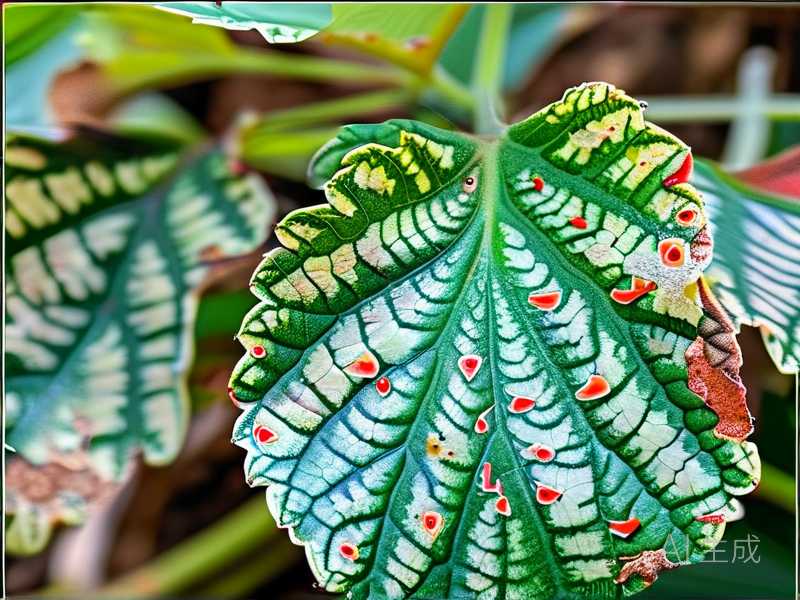
Yellowing Leaves, Starting with the Lower, Older Ones This is the most classic sign, but its pattern is key. Unlike nutrient deficiencies that might target new growth, overwatering typically causes uniform yellowing of the older, lower leaves first. The leaves may turn a pale yellow, often while the veins remain somewhat green initially. In my case, I mistook this for a need for fertilizer, which only added more stress to the already struggling roots.
Consistently Wet, Soggy Soil This seems obvious, but it’s about timing. Feel the soil an inch or two below the surface a day or two after watering. If it’s still cold and clumpy, not slightly cool and crumbly, your soil isn’t draining or drying adequately. A simple finger test is your best tool. I learned to stop watering on a schedule and started checking soil moisture religiously.
Wilting Despite Wet Soil This is the most confusing sign and the one that truly sent me into a spiral. My hibiscus leaves were drooping and limp, screaming for water—or so I thought. But the pot felt heavy, and the soil was damp. This paradoxical wilting happens because the damaged, rotten roots can no longer take up water, even though it’s surrounding them. The plant is, effectively, dying of thirst in a swamp.
Soft, Mushy Stems and Leaf Drop As the problem progresses from the roots upward, the stems near the base may become soft and weak. You might also see leaves dropping, both yellow and green. Before the great rescue of my ‘Midnight Marvel’ hibiscus, I noticed a concerning softness at the base of a main stem, which was my final alarm bell to take drastic action.
The Presence of Fungus Gnats These tiny, annoying flies hovering around the soil surface are more than a nuisance; they are a bio-indicator. Their larvae thrive in consistently moist, decaying organic matter—exactly the environment created by overwatering. Their presence is a strong hint that your soil is too wet for too long.
My Two-Week Rescue Mission: A Step-by-Step Recovery
When I confirmed my hibiscus was overwatered (showing yellowing lower leaves, wilting with wet soil, and fungus gnats), I initiated an immediate intervention. Here’s exactly what I did, including the mistakes I made along the way.
Week 1: The Critical Assessment and Repot
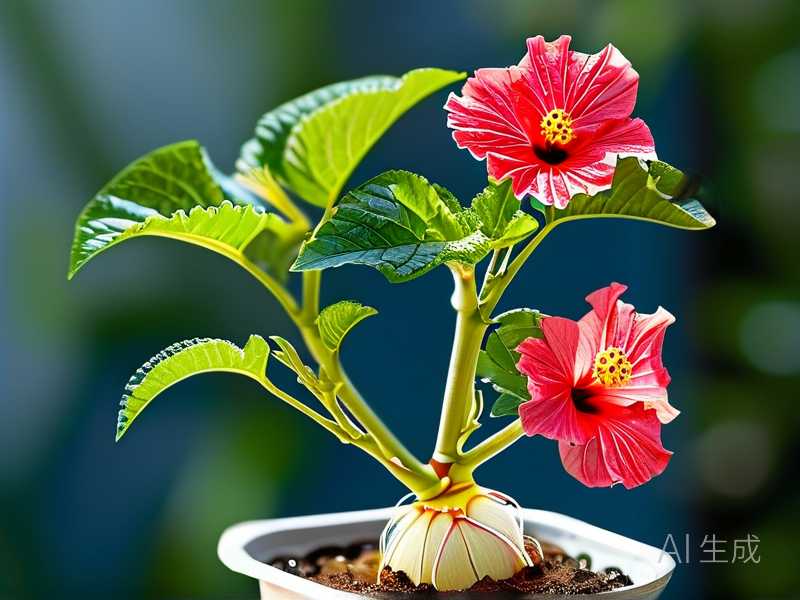
Day 1-2: The Unpleasant Reveal. I stopped all watering immediately. I gently tipped the plant out of its pot. The sight wasn’t pretty: the soil was a soggy mass, and many roots were dark brown, slimy, and had a musty smell—the textbook definition of root rot. Healthy roots should be firm and white or light tan.
- The Mistake I Almost Made: I initially thought I could just let it dry out in its current pot. This is rarely effective for advanced rot, as the compromised soil structure and pathogens remain.
- The Fix: I prepared for a full repot. I gathered a new pot (with excellent drainage holes, slightly smaller than the old one to fit the reduced root ball), fresh, well-draining potting mix (I used a blend of standard potting soil, perlite, and a handful of orchid bark for aeration), and sterilized pruning shears.
Day 2: Surgery and Fresh Start. I gently washed the old soil from the root ball under a soft stream of lukewarm water. With my cleaned shears, I meticulously cut away every single soft, brown, rotten root back to firm, healthy tissue. This felt drastic—I removed about 60% of the root mass. I then soaked the remaining healthy roots in a diluted hydrogen peroxide solution (1 part 3% H₂O₂ to 4 parts water) for about 20 minutes. This helps disinfect the roots and add oxygen. According to the American Hibiscus Society (AHSA), careful root pruning and repotting into fresh, porous media is the most reliable method for saving a waterlogged plant. I then potted the plant in the new, dry mix, firming it gently around the roots.
Day 3-7: The Waiting Game. I placed the repotted hibiscus in a bright, warm spot but out of direct, harsh sunlight to minimize stress. I did not water it. This was crucial. The plant needed time for the root wounds to callus over, and the fresh soil had enough moisture for this period. I removed any remaining severely yellowed leaves to help the plant focus its limited energy.
Week 2: Cautious Rehydration and Observation
Day 8: The First Careful Watering. After a full week, the top few inches of soil were bone dry. I performed the first watering—thoroughly but carefully. I watered until it just began to drain from the bottom, ensuring the entire root ball was moistened, then immediately emptied the saucer. The goal was to rehydrate without re-saturating.
Day 9-14: Monitoring for Stability. I resisted the urge to fuss. I monitored the plant daily. The wilting didn’t improve dramatically overnight, but it stopped getting worse. No new yellow leaves appeared. This was my first sign of success. The fungus gnat population vanished within days of the repot. I kept the plant in its recovery spot, avoiding fertilizer entirely, as recommended by expert sources like the RHS, which advises against feeding stressed plants.
How to Prevent Overwatering in the Future
The rescue was successful, but prevention is far easier. Here’s how I changed my care routine for good:
- Master the “Finger Test”: This is non-negotiable. Insert your finger into the soil up to the second knuckle. Water only when the top 1-2 inches feel completely dry. For larger pots, a moisture meter can be a helpful backup tool.
- Prioritize Pot and Soil: Ensure your pot has ample drainage holes. Use a premium, well-draining potting mix. I now always add extra perlite or pumice to commercial mixes for my hibiscus.
- Water Deeply, Then Let Dry: When you water, do so thoroughly until water runs freely from the drainage holes, ensuring the entire root ball is hydrated. Then, allow the soil to approach dryness before the next watering.
- Adjust for Seasons: Hibiscus drinks much less in cooler, low-light winter months. I might water every 10-14 days in winter versus every 3-5 days in hot summer, always guided by the soil check.
Addressing Your Hibiscus Watering Concerns
Can a hibiscus recover from overwatering? Absolutely, yes, if caught early. The key is swift action: stop watering, assess the roots, remove rot, and repot in fresh, dry, well-draining soil. My plant showed clear signs of stabilization within two weeks and began pushing out new, healthy growth about a month later.
How often should you water a hibiscus plant? There is no universal schedule. Frequency depends on pot size, soil type, temperature, humidity, and sun exposure. The only reliable method is to check soil moisture manually. For most indoor or patio hibiscus in warm weather, watering may be needed every few days; in cooler periods, it could be every week or two.
What does an overwatered hibiscus look like compared to an underwatered one? This is critical. An overwatered hibiscus has soft, wilted leaves with wet, soggy soil, and yellowing typically starts on lower leaves. An underwatered hibiscus has dry, crispy, brittle leaves that may curl, with bone-dry, pulling-away-from-the-pot soil. The wilting is due to lack of water uptake in one, and inability to uptake water in the other.
Watching a hibiscus struggle is worrying, but understanding the signs of overwatering empowers you to act correctly. Remember, these tropical beauties prefer a cycle of a hearty drink followed by a period to breathe. By learning to read your plant’s signals—the true meaning behind a yellow leaf or a perplexing wilt—and having the courage to check what’s happening below the soil, you can save your plant and enjoy its spectacular blooms for seasons to come. The journey from a waterlogged pot to a thriving plant is one of the most rewarding experiences for any plant enthusiast.