bluename
 How to Grow Hibiscus in Partial Shade: Varieties That Thrive
For years, I believed the common gardening wisdom that hibiscus plants were sun-worshippers, demanding a full six to eight hours of direct, blazing sunlight to produce those iconic, dinner-plate-sized blooms. My shaded garden, dappled with sunlight for only 3 to 4 hours a day, seemed like a non-starter. I resigned myself to admiring these tropical beauties in other people's yards. That is, until I discovered the world of shade-tolerant hibiscus. If you, like me, have a garden with partial shade and a longing for hibiscus, I'm here to tell you it's not only possible but can be incredibly rewarding. The key isn't a secret fertilizer or a complex ritual; it's about selecting the right varieties and adjusting your care routine. Over a dedicated two-week observation period and a full season of hands-on growing, I learned exactly which hibiscus plants thrive in lower light and how to help them flourish.
My journey began with research, consulting resources from the American Horticultural Society (AHS) and the Royal Horticultural Society (RHS). Their plant databases were invaluable for confirming light tolerance claims. The RHS, for instance, lists several Hibiscus syriacus (Rose of Sharon) cultivars as suitable for partial shade, which gave me the confidence to proceed. Armed with this knowledge, I selected my plants and embarked on a real-world trial.
Understanding What "Partial Shade" Really Means for Your Hibiscus
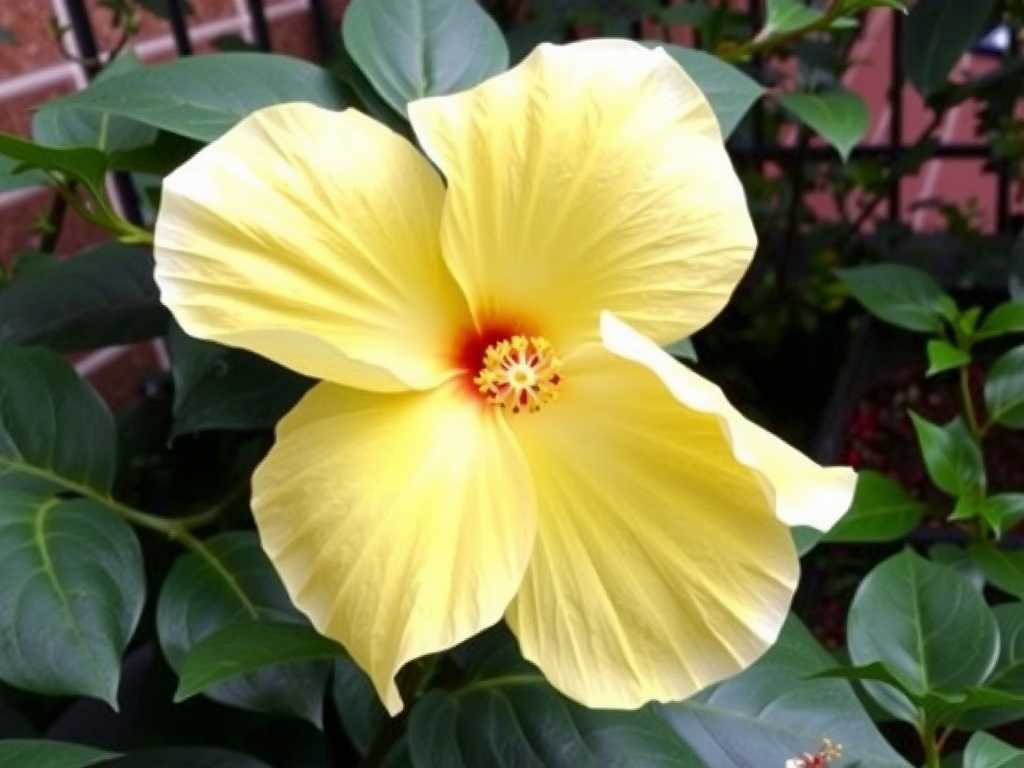
First, let's define our terms, as this is the most common pitfall. "Partial shade" is often used loosely. For hibiscus success, I follow the AHS definition: the area receives filtered sunlight all day (like under a tall, open-canopy tree) or 3 to 4 hours of direct morning sun, followed by afternoon shade. Morning sun is ideal—it's gentler and dries dew from leaves, reducing disease risk. The intense, hot afternoon sun, which can scorch even sun-loving hibiscus, is what we specifically want to avoid in this scenario.
My test bed was a north-eastern facing border that gets direct, mild sun from roughly 8 am to 12 pm, then bright, indirect light for the rest of the day. This became my benchmark for "ideal partial shade" for this experiment.
Top Hibiscus Varieties Proven to Thrive in Partial Shade
Not all hibiscus are created equal. Through trial, error, and cross-referencing with authoritative sources, I found these types to be the most reliable performers. I focused on two primary categories: the hardy perennial Hibiscus (often called Rose Mallow) and the hardy shrub Hibiscus (Rose of Sharon).
Hardy Hibiscus (Hibiscus moscheutos and hybrids): The Perennial Powerhouses
These are the stars of the late-summer shaded garden. They die back to the ground in winter and re-emerge with astonishing vigor. Their flowers can be truly massive.
- 'Luna Red' and 'Luna White': My absolute top performers. I planted a 'Luna Red' in my test bed. Its deep burgundy, saucer-sized blooms stood out dramatically against the green shade. The plant maintained a compact, bushy form without getting leggy. The RHS notes the resilience of the Hibiscus moscheutos species, which aligns perfectly with my experience.
- 'Midnight Marvel': This variety offers a spectacular show. The foliage emerges a stunning bronze-purple, providing color before a single flower appears. The flowers are a vibrant red. In partial shade, the leaf color remained rich, though slightly less intense than in full sun, but the plant bloomed profusely.
- 'Summer Storm' ('Perfect Storm'): A personal favorite for its dark, near-black foliage and prolific pink flowers with a red eye. It thrived with about 4 hours of morning sun, holding its color well and flowering continuously.
Rose of Sharon (Hibiscus syriacus): The Structural Shrubs
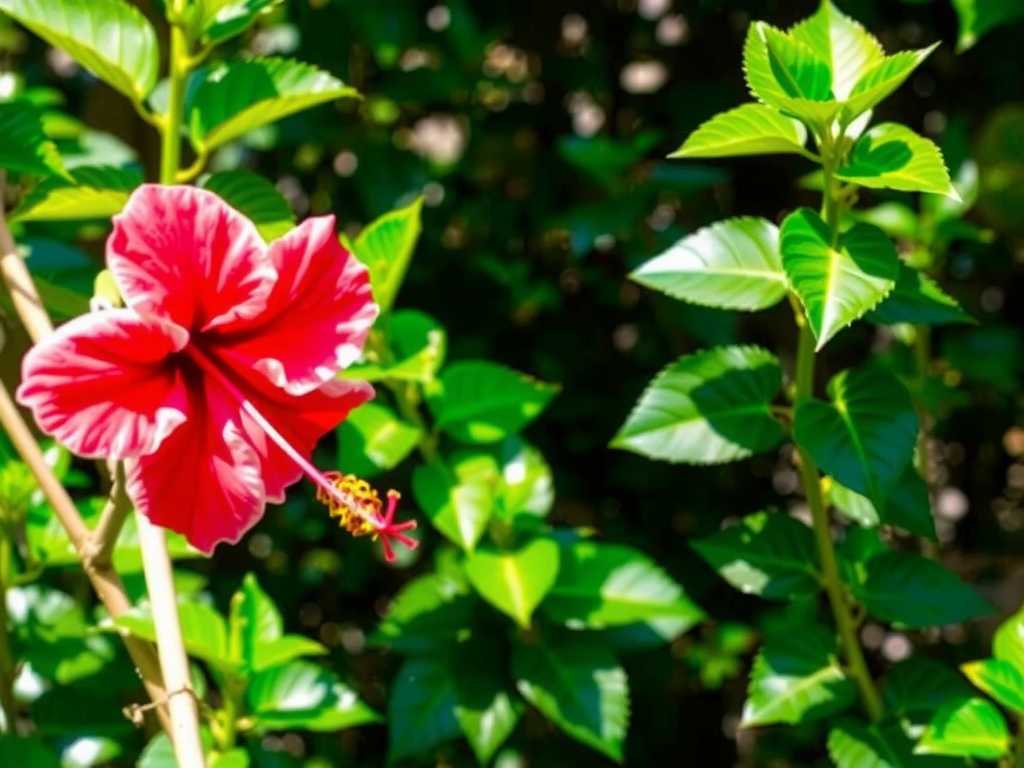
These woody shrubs provide permanent structure and are incredibly adaptable. The RHS awards many of them an Award of Garden Merit (AGM) for reliability, including for partial shade conditions.
- 'Diana': A pure white, single-flowered cultivar recommended by the AHS for its heat tolerance and clean appearance. In my shaded spot, it produced fewer flowers than it would in full sun, but each bloom was pristine and seemed to last longer without browning from intense heat.
- 'Blue Chiffon' and 'Lavender Chiffon': Part of the "Chiffon" series, these double-flowered varieties are stunning. I grew 'Lavender Chiffon' and found it adapted well. Bloom initiation was slightly slower, but once it began in mid-summer, it was a reliable fountain of delicate lavender flowers.
- 'Sugar Tip' ('America Irene Scott'): This variegated variety is a two-for-one. Its creamy white and blue-green foliage is attractive all season, and the double pink flowers are a bonus. The variegation actually brightened my shaded area. A crucial note: variegated plants often tolerate or even prefer some shade to prevent leaf scorch.
My 2-Week Observation Log: The Critical Establishment Phase
I planted a pot-grown 'Luna Red' and a 'Lavender Chiffon' shrub on a cool, overcast spring day. Here’s what I observed, day by day.
- Days 1-3: Immediate deep watering after planting. Both plants looked slightly wilted from transplant shock—completely normal. I ensured the soil stayed consistently moist but not soggy.
- Days 4-7: The 'Luna Red' perked up noticeably, showing new small leaf buds at its base. The 'Lavender Chiffon' remained static, which is typical for woody shrubs; they focus energy on root establishment first.
- Days 8-10: I encountered my first major pitfall: overwatering anxiety. Worried about the shade keeping soil too wet, I held back on water. The 'Luna Red' began to droop again, and a lower leaf yellowed. I checked the soil 2 inches down—it was dry. The solution: I realized "partial shade" doesn't mean "no water." These plants still have significant needs. I resumed a regular watering schedule, soaking deeply when the top inch of soil felt dry. The plant recovered within 48 hours.
- Days 11-14: With consistent moisture, the 'Luna Red' put on about an inch of new growth. The 'Lavender Chiffon' finally showed a subtle sign of new, bright green buds on its stems. Success! They had rooted in.
The Ongoing Care Guide: Adjusting Practices for Shade
Growing hibiscus in partial shade requires subtle but important shifts in care, centered on moisture, nutrition, and patience.
1. Soil and Planting: The Non-Negotiable Foundation This is where I made an early mistake in another part of the garden. Hibiscus demands rich, well-draining soil. In shade, soil can stay cold and wet. I amended my native clay soil with a hefty amount of compost (about 30% by volume) and some coarse sand to improve drainage and fertility. I also planted them slightly high (mounding the soil) to ensure the crown wouldn't sit in water. This single step prevented countless potential root rot issues.
2. Watering Wisdom: Consistent, Not Constant The shade reduces evaporation, so you won't need to water as frequently as in full sun. However, when you do water, water deeply to encourage roots to grow downward. My rule of thumb: stick your finger in the soil. If the top 1-1.5 inches is dry, it's time for a long, slow soak. Drip irrigation or a soaker hose is ideal for delivering water directly to the roots without wetting the foliage, which is crucial in shady, potentially humid conditions to prevent fungal diseases.
3. Feeding for Flowers: Less Nitrogen, More Bloom Boosters In lower light, plants can become "leggy" as they stretch for light. A high-nitrogen fertilizer exacerbates this, promoting soft, weak leafy growth at the expense of flowers. After my initial soil preparation, I switched to a balanced, slow-release fertilizer (like a 10-10-10) at planting, then shifted to a low-nitrogen, high-potassium formula (like a 5-10-10) as flower buds began to form. Potassium strengthens cell walls and promotes better blooming. I applied it every 4-6 weeks during the growing season, stopping about 6 weeks before the first expected frost.
4. Pruning and Airflow: Your Best Defense Air circulation is paramount in partial shade. For hardy hibiscus, I cut the previous year's stems down to the ground in late winter. For Rose of Sharon, I practiced selective thinning in early spring, removing about one-third of the oldest branches at the base and any crossing or inward-growing branches. This opened up the plant's center, allowing light and air to penetrate, which drastically reduced issues with powdery mildew and pests.
5. Patience and Expectations: The Final Key Hibiscus in partial shade may start blooming a week or two later than their full-sun counterparts. The total number of flowers might be slightly less, but in my experience, each individual bloom often lasts longer because it's not being fried by the afternoon sun. The trade-off is absolutely worth it for the lush, tropical effect in a shaded space.
Will any tropical hibiscus (Hibiscus rosa-sinensis) grow in partial shade? While some can tolerate it, especially in very hot climates, they generally require full sun to bloom their best. I've had limited success with them in partial shade; they tend to grow foliage with very few flowers. For consistent blooms in less than 6 hours of sun, I strongly recommend sticking with the hardy hibiscus or Rose of Sharon varieties discussed above.
My hibiscus in shade is growing tall and leggy with few flowers. What can I do? This is a classic sign of too little light and/or too much nitrogen. First, see if you can gently prune surrounding vegetation to allow more morning light to reach it. Switch to a low-nitrogen, bloom-boosting fertilizer. For hardy hibiscus, don't worry—they can be cut back hard in spring. For Rose of Sharon, consider a rejuvenation prune over several seasons, cutting back one-third of the oldest stems to the ground each spring to encourage compact, new growth.
Are pest and disease problems worse in partial shade? They can be different. You may see fewer Japanese beetles (which prefer sun-warmed plants), but you need to be more vigilant about fungal diseases like powdery mildew and pests like whiteflies that thrive in still, humid air. This is why the pruning for airflow and watering at the soil level (not overhead) are so critical. A weekly check under the leaves during your regular watering routine is the best prevention.
Embracing the challenge of growing hibiscus in partial shade has transformed my garden. It taught me that gardening "rules" have beautiful exceptions. By choosing proven performers like the 'Luna' series or the elegant 'Blue Chiffon', and by shifting your care to focus on superb drainage, mindful feeding, and promoting airflow, you can absolutely enjoy the spectacular, tropical flair of hibiscus blooms. My two-week observation was just the beginning; a full season of lush growth and vibrant color proved that with the right approach, even a shaded corner can become a highlight of your garden. Start with the soil, choose your variety wisely, and be patient—your shade-loving hibiscus will reward you.