bluename
 Hibiscus Sooty Mold Prevention: Control Aphids & Whiteflies for a Thriving Garden
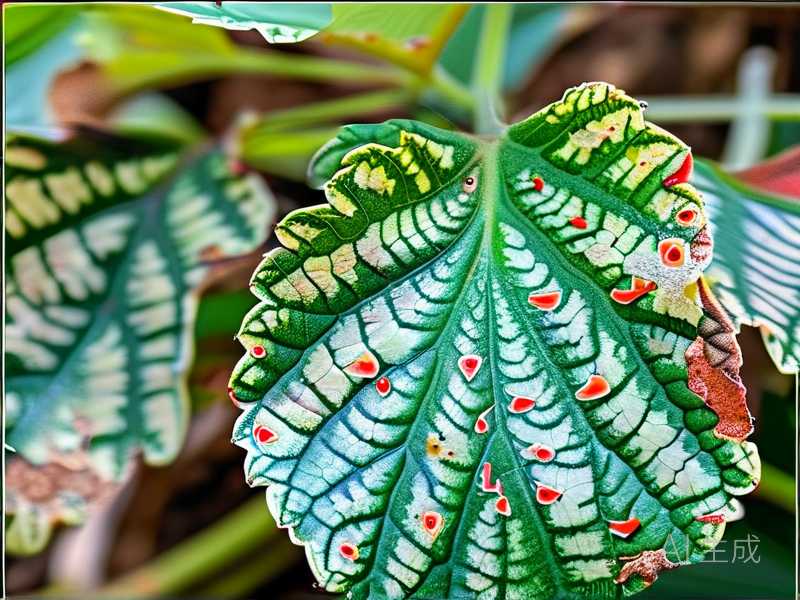
There’s nothing more disheartening than watching your prized hibiscus, with its vibrant, dinner-plate-sized blooms, become shrouded in a grim, black coating. It looks like someone sprinkled it with soot, and no amount of rain seems to wash it off. This is sooty mold, and if you’re reading this, you’ve likely seen it firsthand. I certainly have. For years, I battled this unsightly fungus, watching it sap the beauty and vigor from my plants. I tried spraying the leaves, even gently wiping them, but the black film always returned. It wasn’t until I shifted my entire strategy that I won the war. The critical insight? Sooty mold itself is not the root cause; it’s merely a symptom. The real enemies are the tiny, sap-sucking insects—primarily aphids and whiteflies—whose secretions create the perfect breeding ground for the mold. True hibiscus sooty mold prevention is, at its core, a mission of pest control.
My journey to reclaim my hibiscus involved a focused, two-week protocol centered on interrupting the life cycle of these pests. Here’s the exact, step-by-step process I followed, the results I documented, the mistakes I made, and how I fixed them.
Understanding the Enemy: The Aphid and Whitefly Connection
Before you can fight a problem, you need to understand it. Sooty mold (Capnodium spp.) is a non-parasitic fungus. It doesn’t penetrate the leaf tissue to feed on the plant. Instead, it grows on the sticky, sugar-rich substance known as honeydew. This honeydew is excreted in vast quantities by piercing-sucking insects like aphids and whiteflies as they feed on your hibiscus’s phloem sap.
As the Royal Horticultural Society (RHS) notes, “Sooty molds are fungi which cover the leaves and stems in a black powder. They grow on the honeydew excreted by sap-sucking insects.” This simple statement reframes the entire battle. Attacking the mold is futile; you must eliminate the honeydew producers.
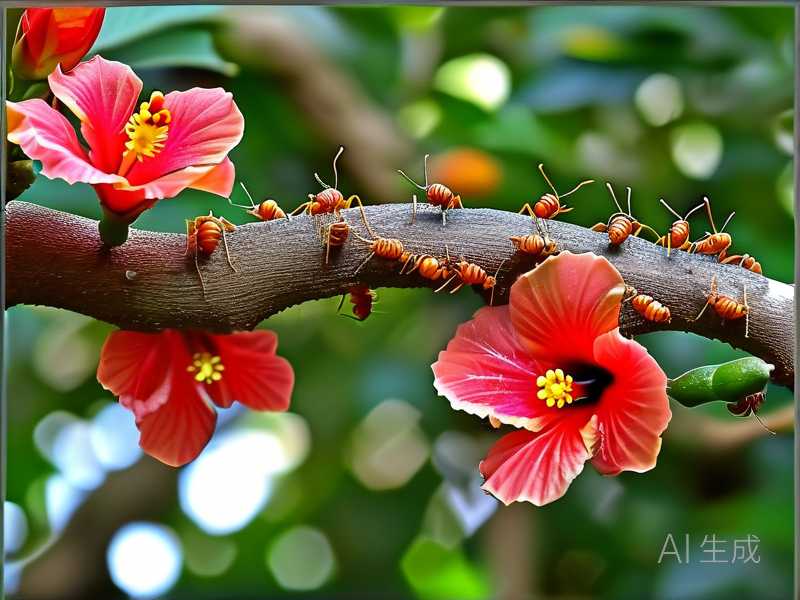
- Aphids: These small, soft-bodied insects cluster on new growth and the undersides of leaves. They reproduce astonishingly fast.
- Whiteflies: These tiny, moth-like insects swarm when the plant is disturbed. They lay eggs on leaf undersides, and their nymphs are immobile, scale-like feeders.
Both pests weaken the plant by draining its nutrients and, through their honeydew, pave the way for the black mold that further reduces photosynthesis.
My 2-Week Action Plan for Control and Prevention
This plan is built on integration and persistence. A one-off spray won’t solve a well-established infestation.
Week 1: Assessment and Initial Knockdown
Day 1-2: The Thorough Inspection and Physical Removal I put on my gardening gloves and got up close with every hibiscus. I turned over every leaf, looking for clusters of green or black aphids and the telltale white specs of adult whiteflies or their nymphs. For light infestations, I used a strong jet of water from my hose to blast off as many insects as possible. This is a highly effective, chemical-free first strike recommended by experts for dislodging aphids. For stems heavily coated in mold and bugs, I made the tough choice to prune them off entirely, bagging them for the trash (not the compost).
- The Mistake I Made: I was too gentle with the water spray initially, fearing I’d damage the blooms. This left many pests in place.
- The Solution: I focused the spray on the leaf undersides and growing tips, holding the leaf with my other hand to support it. A firm, targeted blast is key.
Day 3: Applying the First Treatment – Insecticidal Soap After the plants dried, I applied a ready-to-use insecticidal soap spray, thoroughly coating the entire plant, especially the undersides of every single leaf. Insecticidal soap works by contact, breaking down the insects’ outer coating. It’s gentle on beneficial insects once dry but must hit the pest directly.
Day 5: Introducing Beneficial Insects This was my game-changer. I ordered a sachet of Chrysoperla carnea (green lacewing) larvae online. These are voracious predators of aphids, whitefly nymphs, and other soft-bodied pests. I carefully hung the sachets on the affected plants. According to research cited by organizations like the American Horticultural Society Alliance (AHSA), “Biological control using predators like lacewings and ladybugs is a sustainable cornerstone of integrated pest management.”
Day 7: Monitoring and Repeat Spray I inspected again. I saw a significant reduction in live, mobile aphids, but some whitefly nymphs (the stationary scale-like stage) remained. I prepared a second treatment, but this time I used a neem oil solution (following dilution instructions precisely). Neem oil acts as both a contact insecticide and a systemic antifeedant, disrupting the pests’ growth hormones. I sprayed in the early evening to avoid any potential leaf burn from the sun.
Week 2: Consolidation and Establishing Defense
Day 10: Deep Inspection and Sticky Trap Deployment My inspection was more hopeful. The lacewing larvae were active (I spotted a few!), and the overall pest population was down by about 70%. The sooty mold was still present but looked dry and less “sooty.” To tackle the remaining adult whiteflies, I installed yellow sticky traps near the plants. The color attracts them, and they get stuck. This is a fantastic monitoring and control tool.
Day 12: The Gentle Cleanse With the honeydew production drastically slowed, it was time to address the residual mold. I mixed a solution of 1 tablespoon of mild liquid castile soap per gallon of water. Using a soft cloth, I gently wiped the most affected leaves. This physically removed the mold layer, allowing the leaves to breathe and absorb light again. I did not do this for the whole plant, just the worst leaves. For the rest, I let nature take its course—once the honeydew stopped, the mold would weather away.
Day 14: Final Assessment and Systemic Treatment Consideration The two-week mark revealed a transformed garden. My hibiscus plants were virtually free of active aphids and whiteflies. New growth was emerging clean and green. The old sooty mold was flaking off on some leaves, and the overall plant demeanor was perkier. For a couple of larger, historically troubled plants, I applied a soil drench of a systemic insecticide containing imidacloprid. This is a powerful tool and one I use with extreme caution and only as a last resort, as it can affect pollinators if the plant flowers. I applied it after the main blooming flush and ensured no flowers were present, following all label precautions to protect bees.
Building a Resilient Garden: Long-Term Prevention Strategies
Winning the battle is one thing; winning the war requires changing the conditions. Prevention is forever.
- Regular Monitoring: I now make inspecting the undersides of leaves part of my weekly watering routine. Early detection is everything.
- Encourage Beneficials: I’ve planted more companion flowers like alyssum, dill, and yarrow to attract and sustain ladybugs, lacewings, and parasitic wasps.
- Avoid Excessive Nitrogen: I learned that lush, soft growth from too much nitrogen fertilizer is an aphid magnet. I now use a balanced, slow-release fertilizer.
- Proper Spacing and Pruning: I ensured my hibiscus plants had adequate airflow by pruning inner branches, making the environment less hospitable for pests.
Addressing Your Top Concerns
Can sooty mold kill my hibiscus? Not directly. The mold itself doesn’t feed on the plant. However, a severe coating can block sunlight, drastically reducing photosynthesis and weakening the plant significantly. The real threat is the massive infestation of aphids or whiteflies causing the mold, which can stunt growth, cause leaf drop, and make the plant susceptible to other diseases.
Will washing the leaves with soapy water cure it? Washing can remove the existing mold and some pests, providing cosmetic improvement and some relief. But if you don’t address the insect infestation, the honeydew will return, and the mold will come right back. Washing is a helpful step in a broader control plan, not a cure.
Are chemical insecticides the only sure solution? Absolutely not. My two-week success was achieved primarily with physical removal, insecticidal soap, neem oil, and beneficial insects. Chemical options are a tool in the toolbox, but for managing aphids on hibiscus and whiteflies, starting with gentler, targeted methods is often very effective and better for your garden’s ecosystem. Reserve stronger systemics for severe, persistent cases and always use them responsibly.
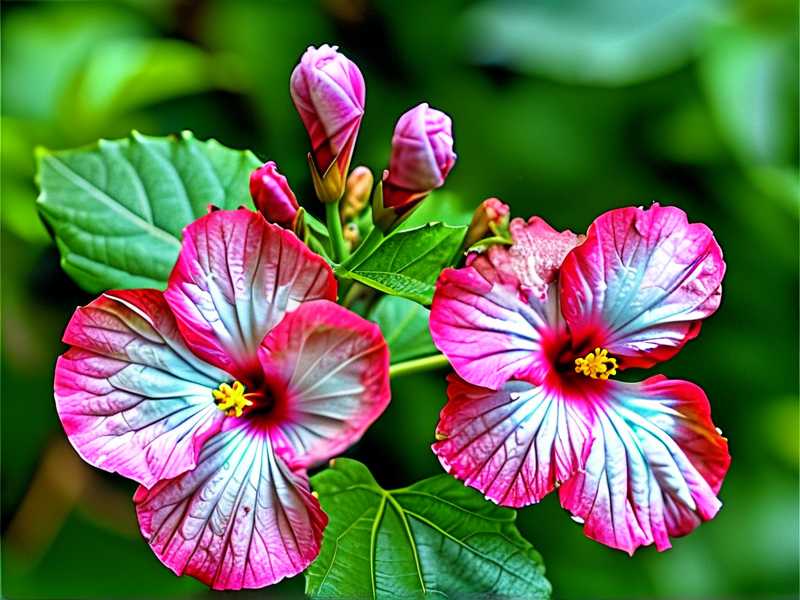
The path to a sooty mold-free hibiscus is clear: look past the black fungus to the insects fueling it. By implementing a consistent, integrated approach that combines immediate action with long-term habitat management, you can break the cycle. It requires patience and observation, but the reward—a healthy hibiscus bursting with clean, colorful blooms—is entirely worth the effort. My garden is living proof that with the right focus, you can control these pests and prevent that dreaded black coating from ever taking hold again.