bluename
 How to Fix Hibiscus Brown Buds: Causes & Prevention Tips
There's nothing more disheartening for a hibiscus lover than watching plump, promising buds turn an ugly shade of brown, shrivel, and drop to the ground before they ever get a chance to bloom. I've been there, staring at my prized plants in frustration, wondering what I was doing wrong. If you're reading this, you're likely facing the same heartbreak. The good news is that "hibiscus brown buds" is a solvable problem. Over years of trial, error, and dedicated observation, I've pinpointed the main culprits and developed a practical, step-by-step system to not only fix the issue but prevent it from happening again. This guide is born from my hands-on experience in my own garden, complete with the mistakes I made and the solutions that finally brought back a cascade of vibrant flowers.
Understanding why hibiscus buds turn brown is the first critical step toward a cure. It's rarely just one thing; it's often a perfect storm of two or three stressors. The primary villains are bud drop due to environmental stress, infestations of pests like thrips and aphids, and improper watering practices. We'll tackle each one, but remember, your plant is telling you a story with those brown buds. You just need to learn how to listen.
The Silent Thief: Thrips and How I Won the Battle
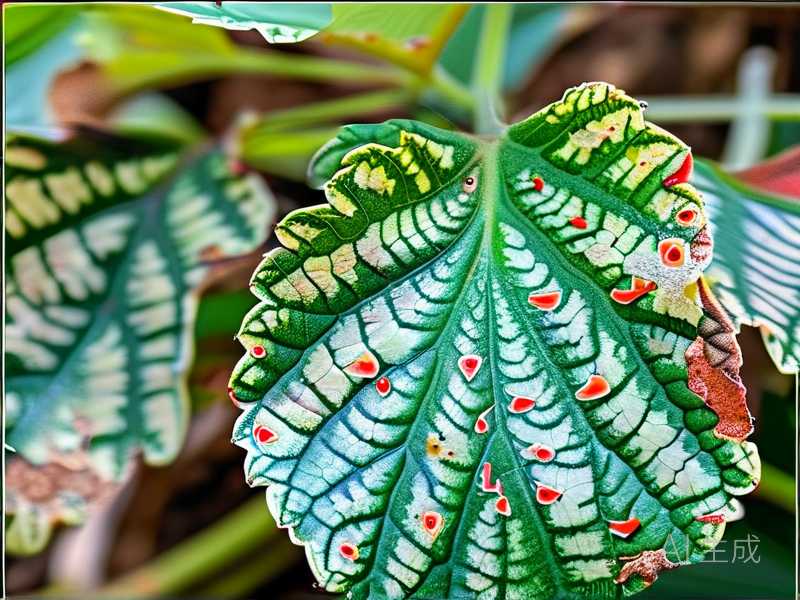
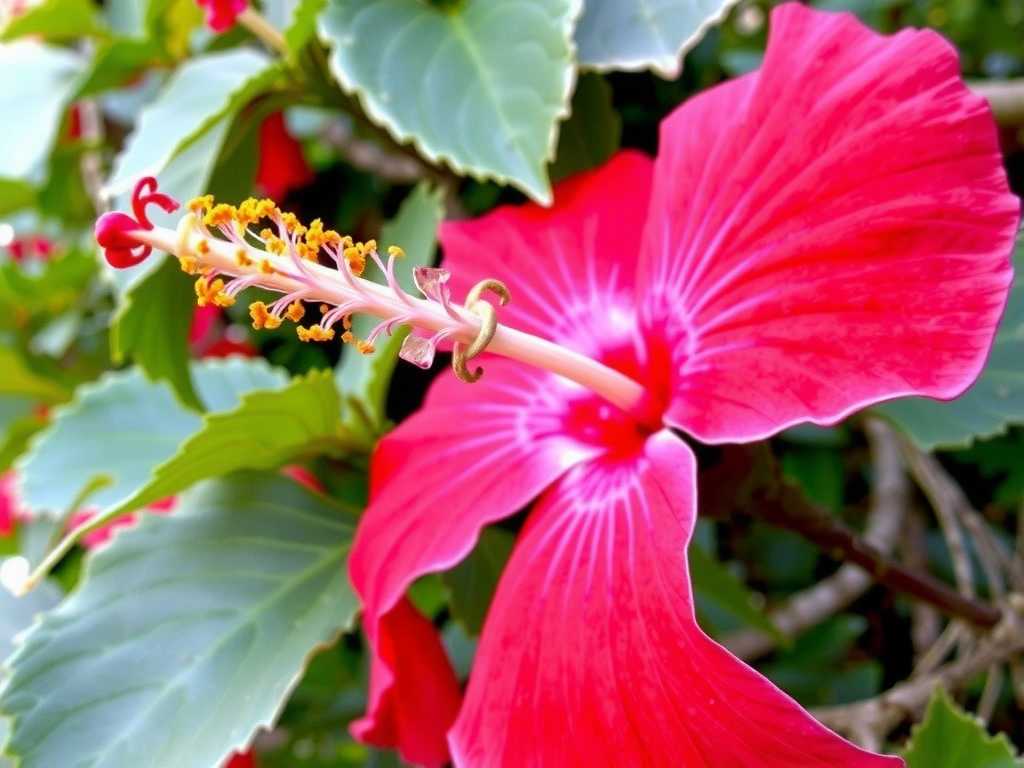
For two agonizing seasons, I watched my hibiscus buds develop rusty, brown streaks and fail to open. I checked for overwatering, adjusted fertilizer—nothing worked. Then, I took a magnifying glass and looked incredibly closely at a damaged bud. That's when I saw them: tiny, slender, fast-moving insects. Thrips. These minuscule pests rasp and suck on the tender bud tissue, causing scarring, deformation, and that characteristic browning.
My initial reaction was to spray a generic insecticide. Big mistake. It seemed to stress the plant further. After consulting resources from the American Hibiscus Society (AHS), which emphasizes targeted, gentle treatments for these sensitive plants, I switched tactics. Here was my 2-week intervention plan:
- Week 1, Day 1: I isolated the affected plant. I then mixed a solution of insecticidal soap according to the label's most gentle dilution. Using a fine mist sprayer, I thoroughly drenched every bud, the undersides of leaves, and the stem junctions. The key is coverage, not runoff.
- Day 3: I repeated the spray application. Thrips have life cycles that require multiple treatments to interrupt.
- Day 5: Instead of spraying, I introduced a physical removal method. I set up bright yellow sticky traps near the plant. Thrips are attracted to the color, and this helped monitor the population.
- Week 2, Day 8: Another application of insecticidal soap.
- Daily, for 14 days: My most crucial tool was my garden hose fitted with a strong jet nozzle. Every single morning, I would give the entire plant, especially the buds, a firm but careful blast of water. This physically dislodges thrips, aphids, and their eggs. It’s simple, chemical-free, and remarkably effective.
The observation: By the end of the first week, I noticed no new buds developing the tell-tale streaks. By the end of the second week, the existing healthy buds began to swell normally. The sticky traps were covered in tiny black specks—proof the enemy was retreating. My lesson learned? Pest-related bud drop requires patience and consistent, multi-pronged action. Weekly preventative hosing is now a non-negotiable part of my routine during the growing season.
Watering Woes: Finding the Sweet Spot
Both underwatering and overwatering can trigger hibiscus bud problems. These plants are Goldilocks; they want it just right. I learned this the hard way during a heatwave. I increased watering frequency, thinking I was helping, but the soil never dried out. Soon, buds were yellowing, then browning, and dropping. I had created a soggy environment where roots couldn't breathe, leading to stress and bud abortion.
Conversely, letting the plant dry out completely causes immense stress, and the plant will sacrifice its buds to conserve resources. Here’s the system I developed:
- The Finger Test is Gospel: Forget schedules. I insert my finger into the soil up to the second knuckle. If it feels dry at that depth, it’s time to water deeply.
- Deep, Infrequent Soaking: When I water, I do it slowly at the base of the plant until water runs freely from the drainage holes. This encourages deep root growth. A light sprinkle only wets the surface and is worse than not watering at all.
- Mulch is a Moisture Manager: I apply a 2-3 inch layer of organic mulch (like bark chips) around the base. This keeps the root zone cooler and reduces evaporation, maintaining more consistent soil moisture. The Royal Horticultural Society (RHS) notes that mulching is a key practice for reducing plant stress and promoting health.
The fix for my overwatered plant was painful: I had to let it dry out almost completely, improve pot drainage with new holes, and resist the urge to "help" with more water. Recovery took about 3 weeks, but new growth eventually emerged without bud drop.
Environmental Stress and Nutritional Needs
Sometimes, the cause isn't a bug or your watering can—it's the world around your plant. Hibiscus are sun-worshippers but can be shocked by sudden changes.
- The Great Move: I once excitedly moved a potted hibiscus from a partly shaded spot to full, blazing afternoon sun. Within days, buds browned. This was classic environmental stress causing bud drop. The solution is acclimatization. Now, I move plants gradually, giving them 1-2 hours more direct sun each day over a week.
- Feed for Flowers, Not Just Leaves: Using a high-nitrogen fertilizer will give you gorgeous green leaves at the expense of flowers. I switched to a fertilizer with a higher potassium (K) and phosphorus (P) ratio (like a 10-30-20 blend), which supports strong bud development. I apply a half-strength dose every two weeks during the blooming season, as over-fertilizing can also burn roots and cause—you guessed it—brown buds.
Prevention: Your Long-Term Strategy for Healthy Blooms
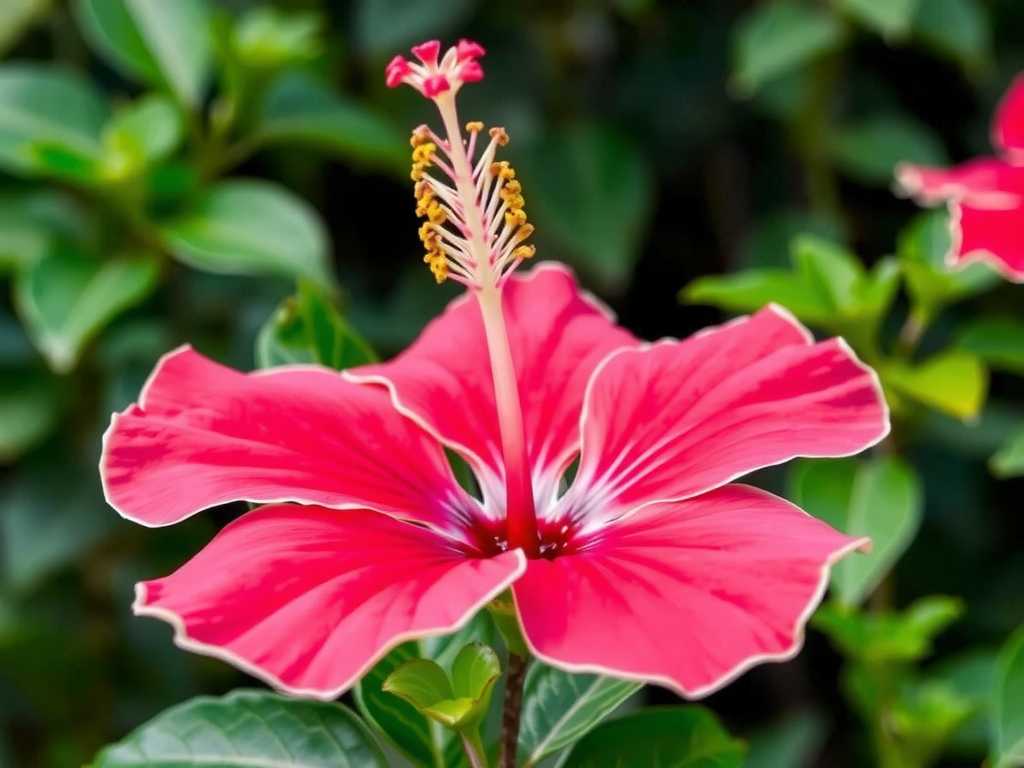
Fixing the problem is great, but preventing it is better. My prevention checklist is simple:
- Consistent Care: Hibiscus thrive on routine. Inconsistent watering or lighting is a major trigger.
- Weekly Pest Patrol: Make inspecting buds and leaf undersides a weekly habit. Early detection makes control easy.
- Right Plant, Right Place: Ensure your hibiscus gets at least 6-8 hours of direct sun and is protected from harsh, drying winds.
- Seasonal Awareness: As days shorten in late fall, some natural bud drop is normal as the plant prepares to rest.
Frequently Asked Questions
Can brown hibiscus buds recover? No, once a bud has turned brown and shriveled, it cannot recover. The best action is to gently pinch it off to redirect the plant's energy into producing new, healthy growth and buds.
Is Epsom salt a good remedy for bud drop? Epsom salt (magnesium sulfate) can be helpful only if a magnesium deficiency is the confirmed cause, which often shows as yellowing leaves with green veins. Using it indiscriminately will not address the more common causes like pests or watering issues and can alter your soil chemistry. When in doubt, a balanced, hibiscus-specific fertilizer is a safer choice.
My hibiscus is covered in buds but they keep falling off. What gives? This is typically a sign of acute stress. The most likely suspects are a recent drastic change in its environment (a move, a temperature swing), a severe pest infestation you haven't spotted yet, or a serious watering issue—either a prolonged drought or waterlogged, rotten roots. Go back to the basics: inspect meticulously for pests, check your soil moisture deeply, and ensure its location is stable and sunny.
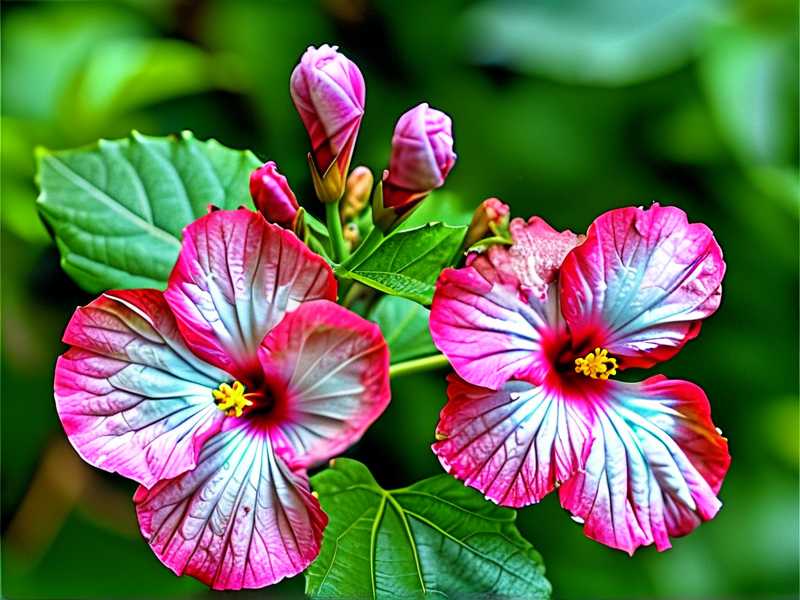
Seeing your hibiscus flourish with unblemished, vibrant blooms is the ultimate reward. It comes from understanding that brown buds are a symptom, not the disease itself. By methodically investigating your watering habits, becoming a vigilant pest detective, and providing stable, bright growing conditions, you give your plant the foundation it needs to hold onto every single precious bud. The journey from frustration to a spectacular bloom is one of the most satisfying experiences a gardener can have.