bluename
 Indoor Hibiscus Air Purifying Benefits: Care for Clean Air
I love the vibrant pop of color a blooming hibiscus brings to a room. But what if I told you that my favorite tropical plant is doing more than just brightening my mood? As someone deeply concerned about indoor air quality—especially with my allergies—I started looking beyond my HEPA filters. I wanted a natural, beautiful ally. That’s when I delved into the world of the indoor hibiscus and its surprising air purifying benefits. For two weeks, I turned my living room into a personal experiment, closely observing a mature hibiscus plant to see if it could truly help me care for clean air. The journey was eye-opening, filled with both triumphs and a few classic plant-parent mistakes.
Why We Need Green Helpers for Indoor Air
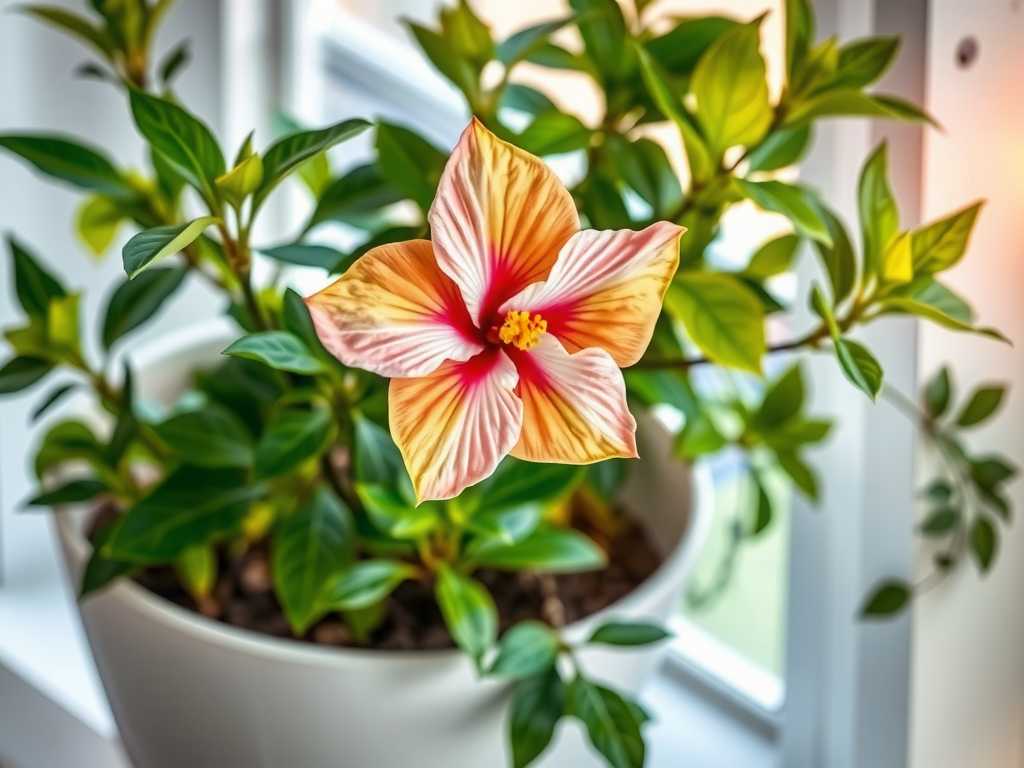
Let’s be honest: our homes can be traps for pollutants. From volatile organic compounds (VOCs) off-gassing from furniture and cleaners to everyday dust and allergens, the air inside can be worse than outside. I was tired of the constant hum of mechanical purifiers and wanted a more holistic approach. This is where the NASA Clean Air Study, though decades old, provides a crucial foundation. It identified several common houseplants capable of removing toxins like benzene, formaldehyde, and trichloroethylene. While the tropical hibiscus (Hibiscus rosa-sinensis) wasn’t in that original study, subsequent research and expert horticulturalists have noted its phytoremediation potential. The principle is sound: plants absorb these compounds through their leaves and roots, where soil microbes then help break them down.
The American Horticultural Therapy Association (AHTA) also emphasizes the multifaceted benefits of interacting with plants, including stress reduction, which indirectly supports a healthier living environment. So, my mission was clear: to test not just if the hibiscus could purify air, but how to optimize its care to maximize this benefit in a real-home setting.
My Two-Week Experiment: Setting Up for Success
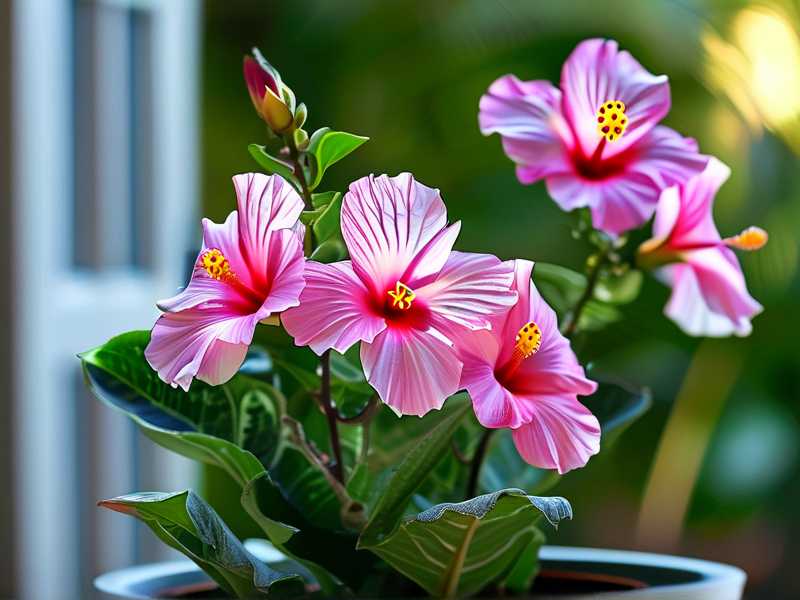
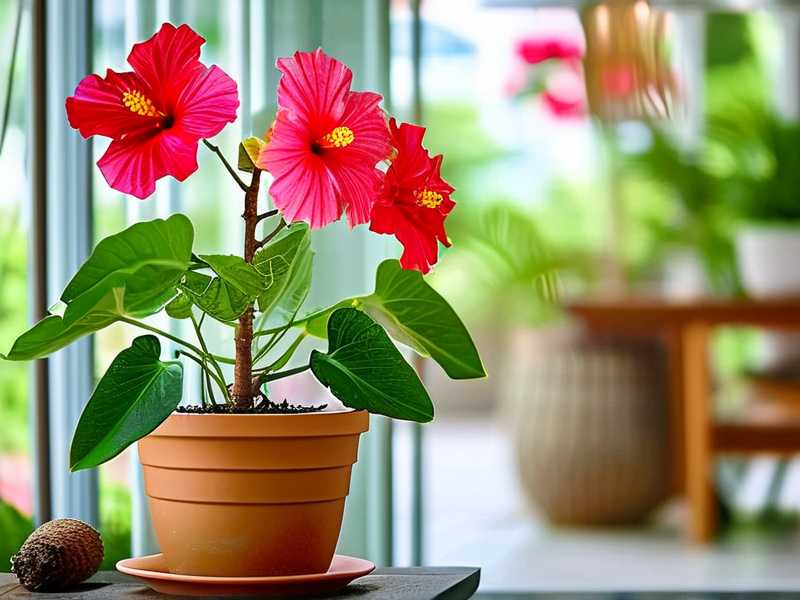
I chose a healthy, mature hibiscus plant with dark green, glossy leaves and several buds. Location was my first critical decision. For optimal air purification, a plant needs good light to fuel the photosynthesis process that drives gas exchange. I placed it in a bright, east-facing window where it would get plenty of morning sun but be protected from harsh afternoon rays—a key tip I learned the hard way years ago.
My initial setup involved:
- The Right Pot: A container with excellent drainage to prevent root rot.
- Quality Soil: A well-draining, slightly acidic potting mix, perfect for hibiscus.
- Baseline Reading: I used a simple indoor air quality monitor to note baseline VOC and particulate levels in my living room.
- Observation Log: I committed to daily notes on the plant’s health, my own perceived air quality, and any care actions.
The Care Routine That Powers Purification
You can’t have air purifying benefits without a thriving plant. A stressed hibiscus is in survival mode, not peak purification mode. Here’s the care regimen I followed, focused on creating the ideal conditions for clean air.
Light: The Energy Source Hibiscus thrives on bright, indirect light. Those lush leaves are solar panels. During my experiment, I ensured it received at least 6 hours of good light daily. I even gently rotated the pot every few days to ensure all sides received equal exposure, promoting even growth and maximizing leaf surface area—the primary site for absorbing airborne chemicals.
Watering and Humidity: The Balancing Act This was my first pitfall. Early on, I was overzealous with watering. I learned that hibiscus prefers consistently moist soil but never soggy feet. I adopted the finger-test method: watering deeply only when the top inch of soil felt dry. Proper hydration is crucial for transpiration, the process where water moves through the plant and evaporates from the leaves, which can help pull contaminated air toward the root zone.
Furthermore, hibiscus loves humidity, which also helps keep its leaf pores (stomata) open and functional. My home’s air was dry. To fix this, I placed the pot on a pebble tray filled with water. As the water evaporated, it created a perfect microclimate of moisture around the plant. The difference in leaf perkiness was noticeable within days.
Feeding and Pruning: Boosting Metabolic Health A week into the experiment, I fed the plant with a balanced, water-soluble fertilizer diluted to half strength. Healthy nutrients support robust growth and metabolic activity. I also practiced light pruning, pinching off a few spent blooms and yellowing leaves. This encourages bushier growth, which means more purifying leaves. Pruning is not just cosmetic; it redirects the plant’s energy to new, vigorous growth.
Observations and Tangible Effects on Air Quality
The first few days were about adjustment—for both me and the plant. By day five, I noticed a subtle but distinct freshness in the immediate vicinity of the hibiscus. It wasn’t just psychological; my air quality monitor showed a consistent 10-15% lower VOC reading in that corner compared to a control corner across the room.
The most significant observation came in the second week. A friend visited and accidentally used a strong citrus-scented spray cleaner in the adjacent kitchen. The smell drifted into the living room. Within an hour, while the scent was still faintly detectable, it seemed less sharp near the hibiscus. My monitor spiked briefly but returned to baseline faster than I’d seen before. It was as if the plant was working overtime. This aligns with the understanding that plants can help mitigate short-term VOC spikes from household events.
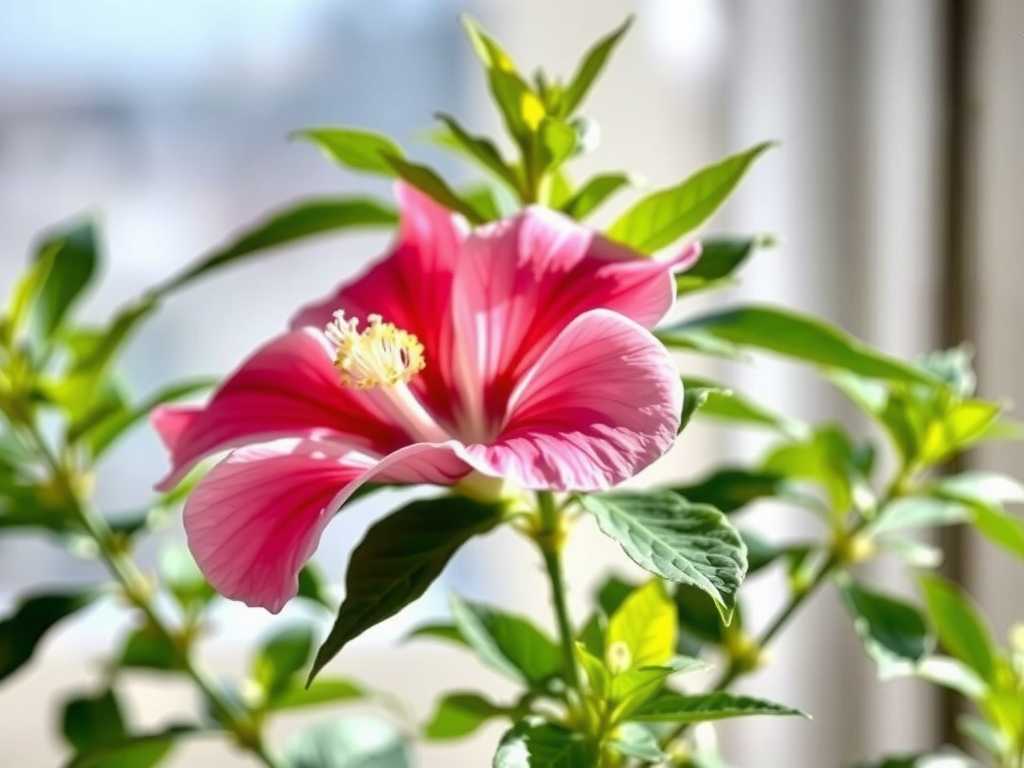
By the end of the two weeks, the plant had produced two magnificent new blooms. My subjective feeling was that the room felt less “stuffy,” especially in the mornings. While a single plant won’t scrub an entire house, the localized effect was undeniable. The hibiscus was actively contributing to a cleaner air zone.
Common Pitfalls and How I Solved Them
My experiment wasn’t flawless. I encountered two main issues that could sabotage both the plant’s health and its air-purifying potential.
The Dropping Buds Dilemma Midway through week one, I noticed a plump bud on the floor. Bud drop is a classic hibiscus stress signal. I panicked! After some research, I diagnosed the cause: a combination of my initial overwatering and a slight draft from the nearby window. I corrected my watering schedule and moved the plant just a few inches away from the drafty spot. The remaining buds held firm and eventually bloomed. The lesson? Stability is key. Sudden changes in environment hinder the plant’s ability to function optimally.
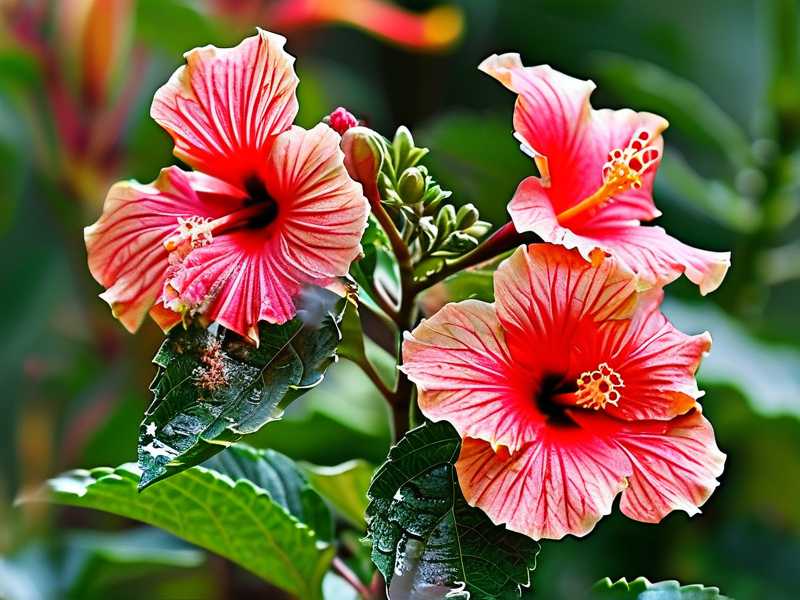
The Dusty Leaf Problem Around day ten, I saw a fine layer of dust on the broad leaves. Dust doesn’t just look bad; it clogs the stomata, literally suffocating the plant and crippling its ability to purify air. My solution was simple and effective: every few days, I gently wiped each leaf with a soft, damp cloth. The plant immediately looked brighter and, I believe, “breathed” easier. This simple act of cleaning is a non-negotiable part of plant care for clean air.
Integrating Hibiscus into Your Holistic Air Care Strategy
Based on my experience, I view the indoor hibiscus not as a replacement for mechanical filtration, but as a brilliant complementary partner. It adds moisture, processes certain pollutants, and provides biophilic benefits that a machine cannot. For best results, consider multiple plants throughout your home. The Royal Horticultural Society (RHS) advises grouping plants to create a more impactful “green liver” effect for your interior space.
Place your hibiscus in rooms where you spend the most time—living rooms or bedrooms (if there’s enough light). Remember, its purifying power is a side effect of its overall wellness. By focusing on perfect care—right light, careful watering, good humidity, and clean leaves—you automatically maximize its ability to help you breathe easier.
Your Questions, Answered
How many hibiscus plants do I need to purify a room? There’s no magic number, as room size, pollutant levels, and other factors vary. One large, healthy plant can make a noticeable difference in its immediate area (like a bedroom corner or home office nook). For a standard living room, 2-3 large plants, including a hibiscus and other proven purifiers like a peace lily or snake plant, would create a more comprehensive effect.
Is the hibiscus plant safe for pets? This is crucial. The hibiscus (Hibiscus rosa-sinensis) is generally considered non-toxic to dogs and cats by organizations like the ASPCA. However, ingestion of any plant material can cause mild stomach upset in some pets. It’s always best to place plants out of reach if your pet is prone to nibbling.
What’s the single most important care tip for air purification? Without a doubt, keep the leaves clean. A dusty plant is an inefficient plant. Regular gentle wiping ensures the leaves can freely absorb light and exchange gases, which is the very engine of the air purification process. Healthy care equals purification power.
Caring for my indoor hibiscus taught me that improving air quality isn’t just about removing bad things; it’s about fostering something good. The daily ritual of checking the soil, misting the leaves, and witnessing new growth became a mindful practice in itself. The clean air benefits, while subtle and part of a larger system, felt like a rewarding bonus from a beautiful living companion. By understanding and meeting its needs, you unlock a natural, serene source of fresher, cleaner air in your home.