bluename
 Tropical Hibiscus Dormancy Care: When to Stop Fertilizing
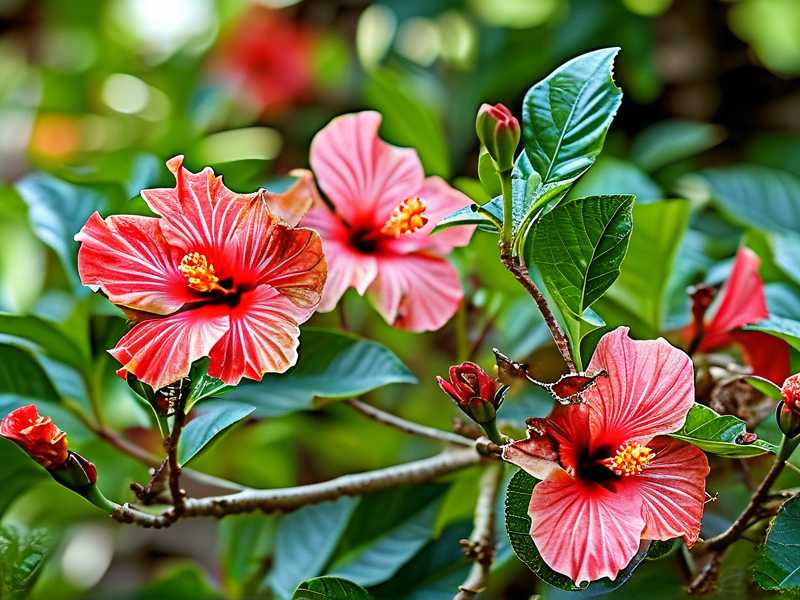
There’s a quiet anxiety that creeps in as the days grow shorter and the air turns crisp. My once-vibrant tropical hibiscus, a constant summer performer covered in dazzling blooms, starts to look… different. The growth slows, a few more yellow leaves appear, and that insatiable hunger for fertilizer seems to vanish. For years, this seasonal shift filled me with confusion. Should I keep feeding it to push out one last flower? Or am I harming it by not understanding its natural cycle? If you’re staring at your own hibiscus, wondering when to put the fertilizer bottle away for the season, you’re not alone. Getting this timing wrong was my biggest mistake, leading to weak, leggy growth and a stressed plant that struggled to bounce back in spring. After extensive research, trial and error, and a particularly enlightening two-week observation period, I finally cracked the code. It’s not just about a date on the calendar; it’s about learning to read your plant’s signals and your local environment.
Understanding the "Why": The Science of Dormancy
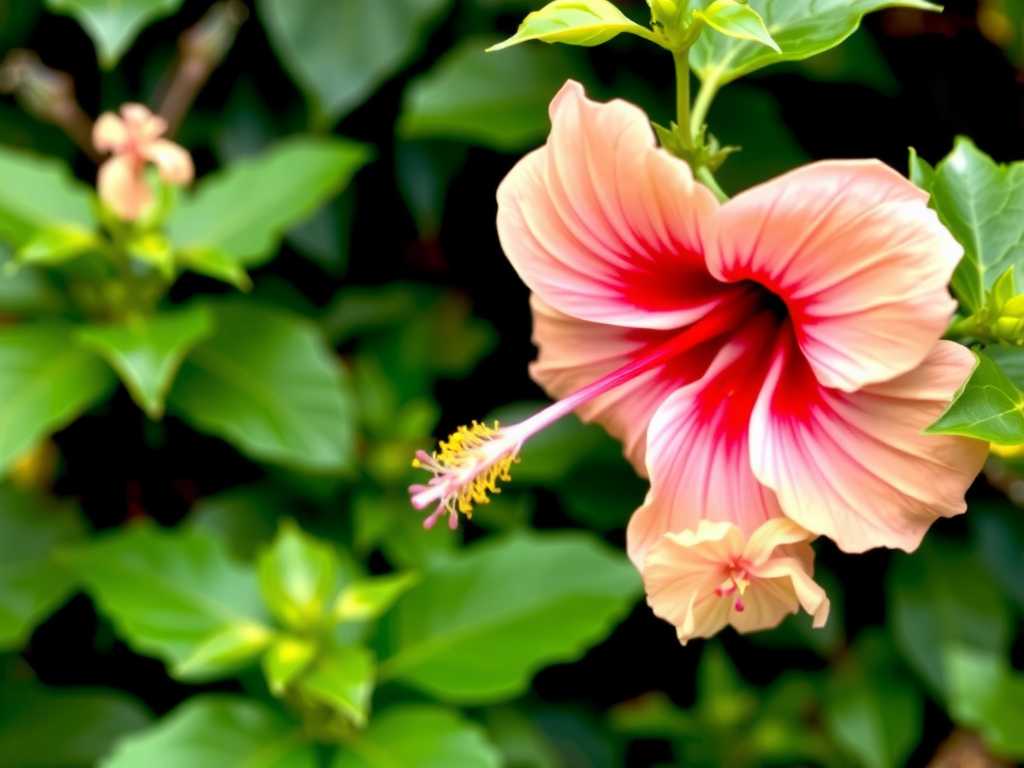
First, let’s ditch the misconception that tropical hibiscus goes fully dormant like a bare-root rose. In their native habitats, they experience a slowdown, a period of rest triggered primarily by cooler temperatures and reduced light intensity. This isn’t a death sentence; it’s a vital survival strategy. During this quasi-dormancy or rest period, the plant’s metabolic processes decelerate. Its need for nutrients, particularly nitrogen which fuels leafy growth, plummets.
Continuing to fertilize on a summer schedule during this time is like offering a heavy meal to someone who’s about to take a long nap. The plant can’t use those nutrients effectively. The excess salts from fertilizers can build up in the potting mix, potentially damaging the delicate root system. This forces the plant to produce soft, succulent growth that is highly vulnerable to cooler temperatures and pests. The American Hibiscus Society (AHS) explicitly advises reducing or stopping fertilization in the winter months to allow the plant to harden off and rest. This foundational principle is the key to a healthy, resilient hibiscus that explodes with growth when true warmth returns.
Reading Your Plant's Signals: The Key to Perfect Timing
So, when exactly do you stop fertilizing your tropical hibiscus? Forget the rigid “Labor Day” or “first of October” rule. The answer lies in becoming a detective in your own garden. Your plant and your local climate give you all the clues you need. I learned to watch for two primary indicators: environmental triggers and the plant’s own behavior.
The most reliable environmental cue is the nighttime temperature. When temperatures consistently drop below 55°F (13°C), especially at night, your hibiscus begins its wind-down process. I started monitoring my local weather forecast diligently. The second cue is daylight hours. As autumn progresses, the shorter days signal the plant to slow down. I combined these with direct plant observation: new leaves emerged much more slowly, flowering became sporadic, and the overall pace of growth was visibly lethargic compared to its summer frenzy.
My Two-Week Observation: The Fertilizer Cut-Off Experiment
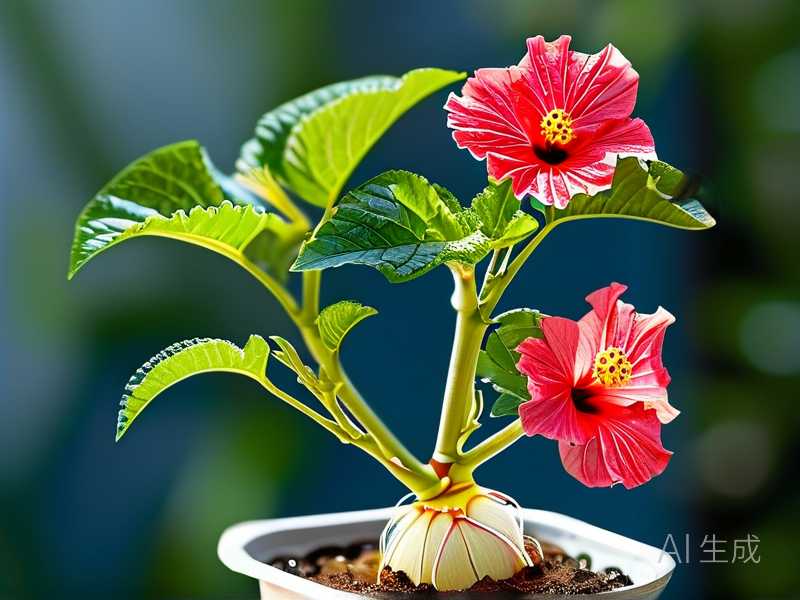
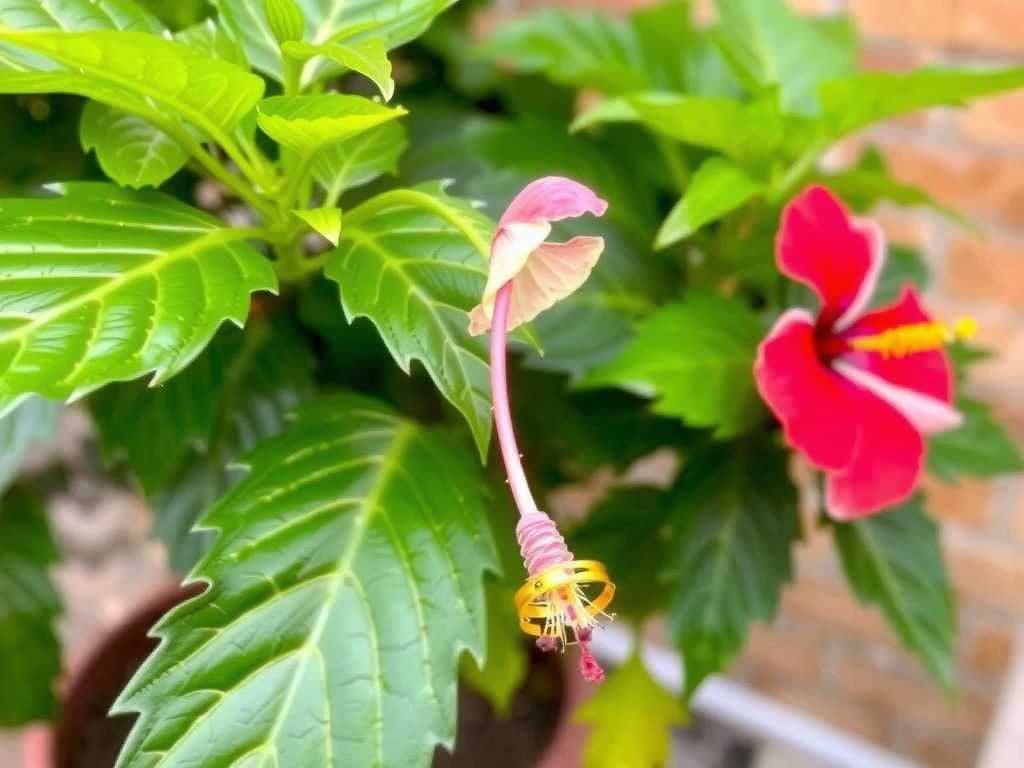
Armed with this knowledge, I decided to conduct a focused experiment last autumn. My goal was to pinpoint the exact transition point for my specific hibiscus, a ‘Florida Sunset’ grown in a container on my patio.
For the first week, I noted that nighttime temps hovered around 60°F (15°C). The plant had one final bud opening. I gave it a half-strength dose of its balanced, water-soluble fertilizer, as a final “goodnight” snack. Then, a weather shift occurred. Over the next seven days, nighttime temperatures dipped and held steady at 52-54°F (11-12°C). I stopped fertilizing completely.
Here’s what I observed during those two weeks:
- Week 1 (With final half-dose): The existing bud finished blooming beautifully. However, no new flower buds or leaf nodes were initiated.
- Week 2 (No fertilizer): The plant’s state remained virtually unchanged. No signs of nutrient deficiency (like widespread yellowing) appeared. Crucially, it did not produce any of the weak, pale green growth I had seen in previous years when I’d fertilized later. The leaves remained a deep, healthy green, and the plant simply looked… still. It was resting, not starving.
This experiment was a revelation. It confirmed that the plant’s nutrient uptake had effectively halted with the cooler nights. I wasn’t depriving it; I was respecting its natural cycle. The risk of fertilizer burn on dormant roots was avoided, and I could see the plant beginning to acclimate to the cooler conditions.
The Step-by-Step Guide to Transitioning Your Hibiscus
Based on my experience, here is a clear, actionable plan for your tropical hibiscus dormancy care, specifically regarding fertilization.
- Monitor and Assess (Late Summer/Early Fall): Begin paying close attention in late summer. Track nighttime temperatures and your plant’s growth response.
- Initiate the Wind-Down: When nighttime temperatures begin to consistently approach 60°F (15°C), it’s time to start the process. Apply your final, diluted dose of a balanced fertilizer. This helps the plant store a small amount of energy for the winter without stimulating new growth.
- The Full Stop: Once you have a solid week of nighttime temperatures at or below 55°F (13°C), stop all fertilization. This is the core of when to stop fertilizing hibiscus for winter. Put the bottle away in a cool, dark place.
- Adjust Watering in Tandem: This is critical and a mistake I made early on. As growth stops, the plant’s water needs drop dramatically. Overwatering is now a far greater danger than underfeeding. Allow the potting mix to dry out more thoroughly between waterings. I check by sticking my finger two inches into the soil; if it’s dry, I water lightly.
- Consider Light and Location: If possible, move your potted hibiscus to the brightest indoor spot you have for the winter, like a south-facing window. More light helps it maintain health even while resting. For in-ground plants in marginal climates, be prepared with frost cloth.
Common Pitfalls and How I Solved Them
- The Temptation to "Boost" a Sad-Looking Plant: Mid-winter, my hibiscus sometimes dropped a few more leaves and looked a bit bare. My old instinct was to give it “a little drink” of fertilizer to pep it up. This always backfired, causing leaf tip burn and spindly growth. The solution? Patience. I learned that some leaf drop is normal. I focused on ensuring it had adequate light and perfect watering instead.
- Ignoring the Potting Mix: I used the same potting mix for three years. During my observation, I realized old, broken-down soil holds more moisture and can exacerbate salt buildup from previous fertilizing. Now, I make it a practice to refresh the top few inches of soil or repot in fresh, well-draining mix in early spring before I resume fertilizing.
- Confusing Dormancy with Deficiency: Uniform yellowing of older leaves can be part of the natural slowdown. However, severe or patterned yellowing while I was still fertilizing pointed to other issues, like overwatering or poor drainage. Learning to diagnose the difference saved me from applying the wrong fix.
Bringing Your Hibiscus Back in Spring
Knowing when to start again is just as important. Don’t rush. Wait until you see unmistakable signs of new growth—swelling leaf buds and fresh green tips—and until nighttime temperatures are reliably above 60°F (15°C). Then, begin with a half-strength dose of fertilizer to gently wake up the roots. The Royal Horticultural Society (RHS) recommends starting feeding in spring as growth commences, which aligns perfectly with this visual cue approach.
Frequently Asked Questions
Can I use a "winterizer" or bloom booster fertilizer in the fall? Absolutely not. Bloom boosters are typically high in phosphorus and are designed to promote flowering when the plant is actively growing. Applying this during the slowdown period is confusing and stressful for the plant. The goal in fall is to encourage hardening off, not blooming.
My hibiscus is indoors under grow lights all winter. Should I still stop fertilizing? This changes the dynamic. If your plant is in a consistently warm (above 65°F/18°C) and brightly lit environment (with grow lights supplementing 12+ hours of light), it may not enter a true rest period. In this case, you can reduce fertilization frequency and strength (e.g., monthly at half-strength) but monitor closely for signs of growth. If growth continues, it still needs some food.
What if I live in a tropical climate without a cold winter? You are in luck! In truly frost-free zones where hibiscus grows year-round outdoors, the plant may simply have a slower growing season. Reduce fertilizing frequency during the coolest, shortest days of the year, but you may not need to stop completely. Always let the plant’s growth rate be your guide.
Understanding your tropical hibiscus’s need for a seasonal rest transforms your care from guesswork into a confident rhythm. By learning to read the signals of cooler nights and slower growth, you can provide the precise care it needs. Stopping fertilizer at the right time protects its roots, conserves its energy, and sets the stage for a spectacular spring revival. The reward for this patience isn’t just a surviving plant, but a thriving one, laden with blooms that make the wait utterly worthwhile.