bluename
 Hibiscus Leaf Spot Prevention: Why Watering in the Morning is Your Secret Weapon
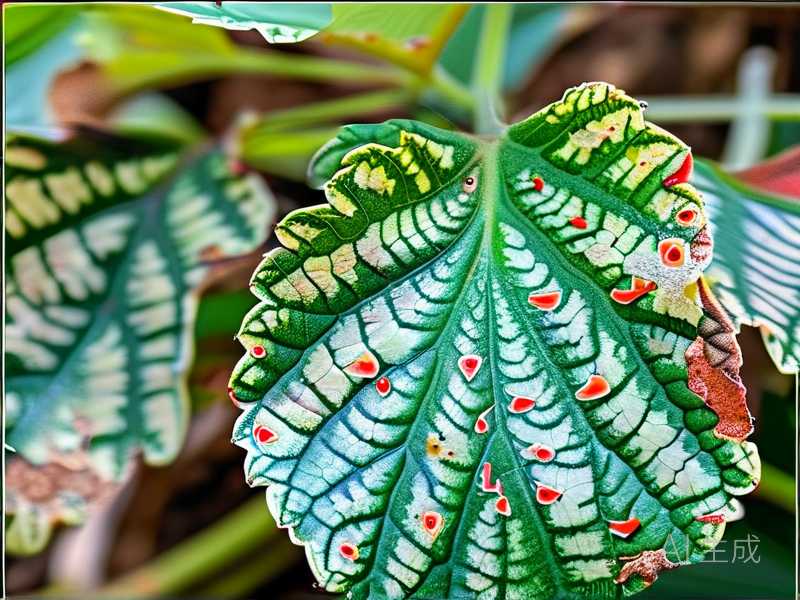
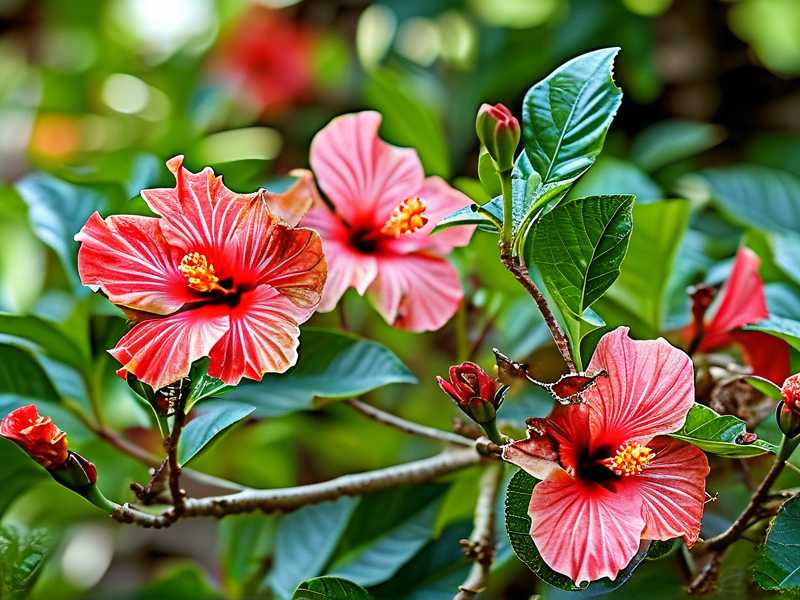
I love my hibiscus plants. Their vibrant, dinner-plate-sized blooms are the pride of my garden. But last season, my joy turned to frustration as I watched unsightly brown and black spots disfigure their beautiful foliage. It was hibiscus leaf spot, and it was spreading. I tried fungicides, removed affected leaves, but the problem seemed to linger. That’s when I dug deeper and discovered a simple, often-overlooked cultural practice that became a game-changer: watering in the morning. This is the story of my two-week experiment and how this single shift transformed my hibiscus care routine.
For any plant enthusiast, seeing your prized hibiscus leaves marred by yellow halos and decaying black spots is a heart-sinking moment. You worry about the plant’s health, its ability to bloom, and the contagion spreading to other plants. The culprit is often a fungal or bacterial pathogen, and its favorite environment is a damp, cool, and prolonged period of moisture on the leaf surface. I realized that while I was diligent about feeding and placing my plants in full sun, my evening watering habit was silently creating the perfect breeding ground for disease.
My Hypothesis and the Science Behind Morning Watering
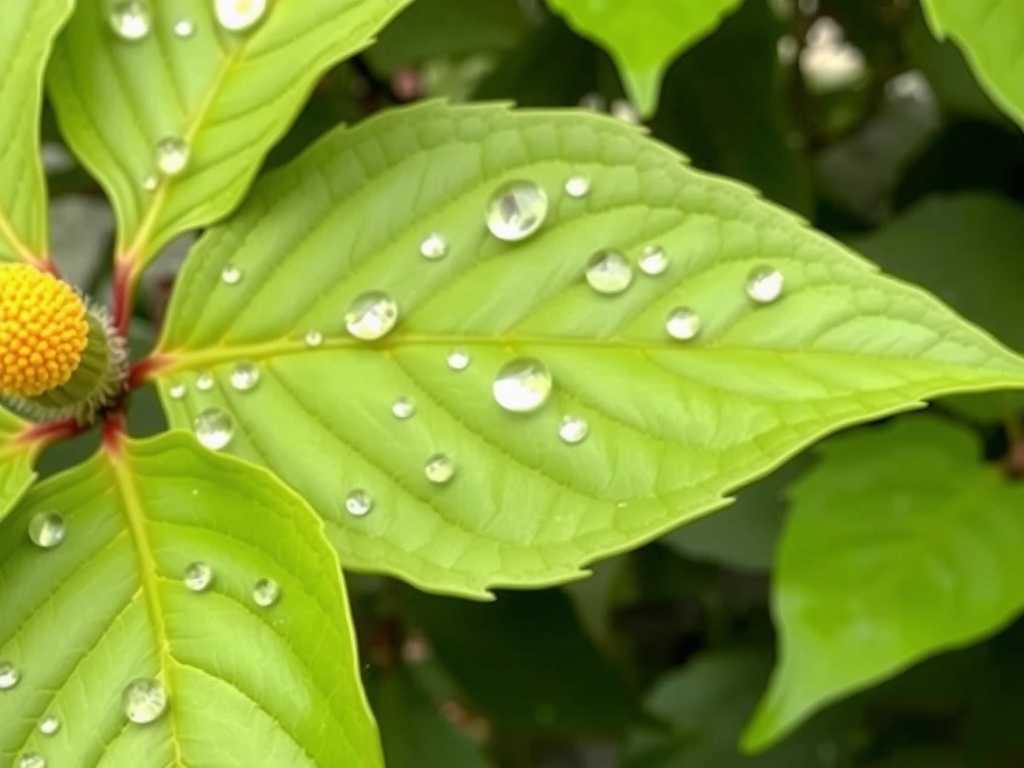
My research led me to resources from the American Horticultural Society (AHS) and various university extension services. A common thread in their recommendations for fungal disease prevention was reducing leaf wetness duration. The logic is beautifully simple. When you water in the morning, especially at the base of the plant and avoiding the leaves, the sun comes up, temperatures rise, and any accidental splashes on the foliage evaporate quickly. This drastically shortens the "leaf wetness period," the critical window pathogens need to germinate and infect the plant.
In contrast, watering in the evening leaves the foliage damp all night long—often for 12 hours or more. This extended moisture period is an open invitation for spores of diseases like Cercospora leaf spot or bacterial leaf spot to take hold. The Royal Horticultural Society (RHS) also emphasizes this point, stating that careful watering to avoid wetting the foliage is a primary defense against many foliar diseases. I wasn’t just changing a time; I was fundamentally altering the microclimate around my plants.
The Two-Week Transformation: My Step-by-Step Process
I decided to conduct a focused, two-week observation on my three most affected hibiscus plants. I stopped all fungicide applications to isolate the effect of the watering change alone.
Week 1: Establishing the New Routine and Initial Observations My first step was to switch my watering can for a long-spouted watering wand attached to my hose. This allowed me to precisely direct water to the soil at the base of each plant, keeping the leaves completely dry. I made it a non-negotiable morning task, right after my coffee, between 7:00 and 8:00 AM.
- Day 1-3: I thoroughly watered the soil until it was moist several inches down. I carefully inspected existing spotted leaves, marking a few with a tiny dot of non-toxic paint to monitor progression.
- Day 4-7: The first visual sign was subtle but encouraging. The newest, young leaves emerging at the tips looked clean and vibrant. The older, spotted leaves showed no dramatic change—they wouldn’t heal—but crucially, the spots did not appear to be enlarging or spreading to adjacent healthy tissue as rapidly as before. The soil surface dried noticeably by late afternoon.
The Pitfall I Encountered (And How I Fixed It) About five days in, I noticed one plant’s lower leaves were still showing slight moisture in the early morning. I had fallen into a common trap: overwatering. In my zeal to water deeply in the morning, I hadn’t adjusted the overall volume. The soil was staying too soggy, which stresses roots and can also contribute to disease. The fix was simple. I performed a quick "finger test," checking soil moisture 2 inches down before watering. I skipped one morning session, allowing the plant to dry out more thoroughly. This reinforced that morning watering must be paired with proper soil moisture management—it’s not about more water, but smarter timing.
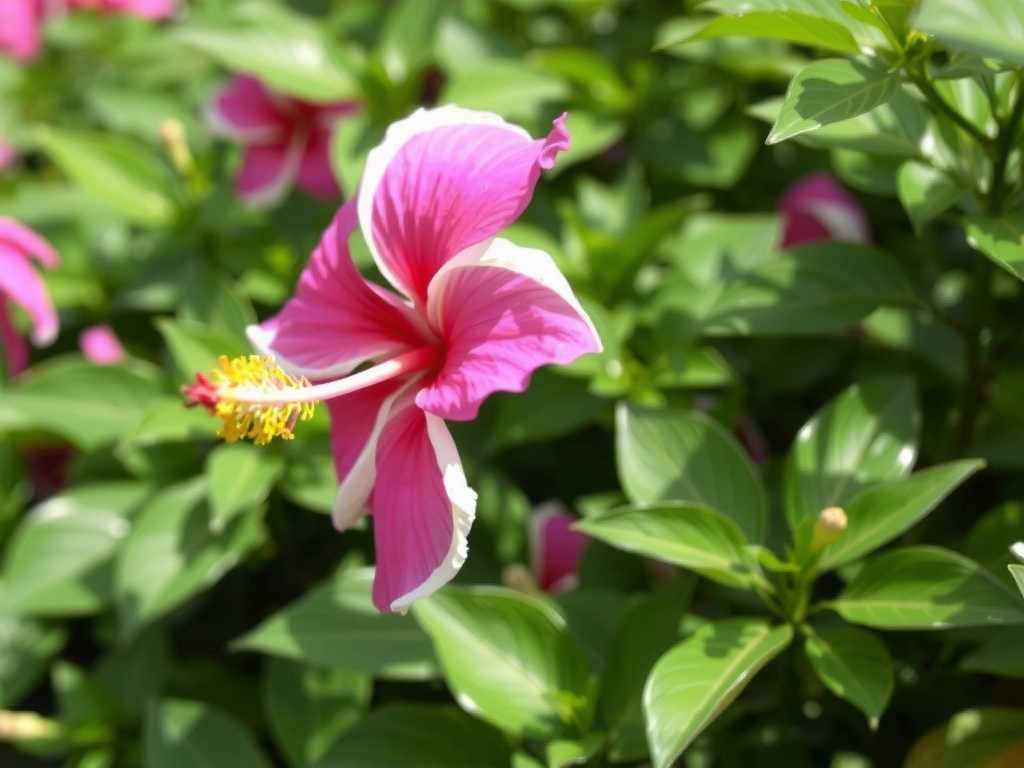
Week 2: Visible Progress and Reinforced Habits Entering the second week, the routine felt natural. The difference became more pronounced.
- Day 8-14: The marked leaves from Week 1 remained stable. More importantly, several new leaves had fully unfurled without a single spot. The overall appearance of the plants improved; they looked less stressed and more vigorous. A side benefit I hadn’t anticipated was a reduction in pesky slugs and snails, which also prefer damp nighttime conditions. By the end of the two weeks, the cycle of infection was visibly broken. I was convinced.
Why This Practice is a Cornerstone of Prevention
This experience cemented for me that preventing leaf spot on hibiscus is more effective than trying to cure it. Morning watering is a proactive, chemical-free first line of defense. It aligns perfectly with the principles of Integrated Pest Management (IPM), which prioritizes cultural controls. When you combine this with other good practices—like ensuring proper spacing for air circulation, cleaning up fallen debris where spores lurk, and watering deeply but less frequently—you build a resilient plant.
Think of it as giving your hibiscus a strong foundation of health. A well-hydrated plant at the start of the day is better equipped to handle heat and photosynthesize efficiently. It’s not just about avoiding disease; it’s about promoting overall vitality. This method of hibiscus disease control through careful watering is sustainable, easy to adopt, and incredibly effective.
Addressing Your Curiosities
Does it matter if I water the leaves in the morning? Yes, it still matters. While morning sun will dry leaves faster, it’s always best practice to water the soil directly. Water droplets on leaves can act as tiny magnifying glasses in intense sun, potentially causing scorch. The goal is zero unnecessary leaf wetness. Always aim for the base.
My schedule only allows for evening watering. What can I do? If evening is your only option, be extra vigilant. Use a soaker hose or drip irrigation system that delivers water directly to the root zone without wetting the foliage at all. This is a far better alternative than overhead watering in the evening. Also, ensure your plants have excellent air circulation to help any ambient moisture dissipate.
I’ve started morning watering, but old spots remain. What next? The existing spots will not disappear; they are scarred tissue. Your goal is to prevent new spots. Continue with morning basal watering. Prune away the most severely affected leaves to improve appearance and air circulation, disinfecting your pruners between cuts with a bleach solution. If new spots completely cease, you’ve succeeded. If a few still appear, you may need to look at other factors like splashing from rain or soil-borne spores.
Shifting to morning watering was a profound lesson in observing and working with nature’s rhythms. It cost nothing but a change in habit, yet the payoff for my hibiscus was immense. The plants are now healthier, more robust, and putting their energy into stunning blooms instead of fighting disease. If you’re battling those frustrating spots, let your first action be to grab that watering can in the morning. Give it two consistent weeks. You might just find, as I did, that the simplest solution is often the most powerful one for maintaining a thriving, spot-free garden.