bluename
 How to Grow Hibiscus in Raised Beds: Soil Prep & Spacing for Stunning Blooms
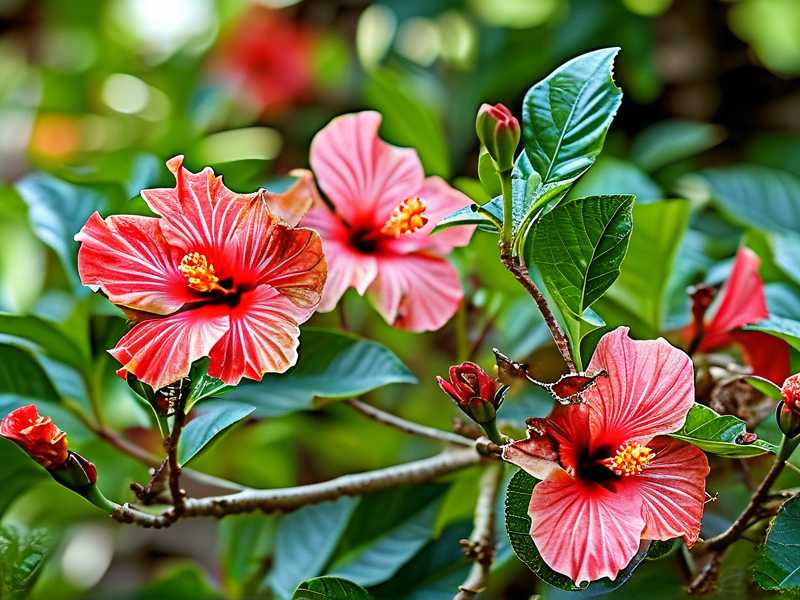
I’ve always been captivated by the dramatic, dinner-plate blooms of hibiscus, but my early attempts in my heavy, clay-based garden soil were a lesson in frustration. The plants were stunted, the blooms were sparse, and root rot claimed a couple of my prized varieties. The dream of a tropical oasis felt out of reach until I switched to growing hibiscus in raised beds. The difference wasn't just incremental; it was transformative. Over the past few seasons, I've honed a system focused on two absolutely critical pillars: soil preparation for hibiscus and correct hibiscus plant spacing. Let me walk you through my hands-on process, including the mistakes I made and how fixing them led to my most vibrant display yet.
My journey into raised bed hibiscus cultivation started with a clear problem: control. In-ground planting left me battling poor drainage and unpredictable soil chemistry. Raised beds offered the solution—a custom-built environment where I could tailor every element to the hibiscus's specific needs for abundant flowering and vigorous health.
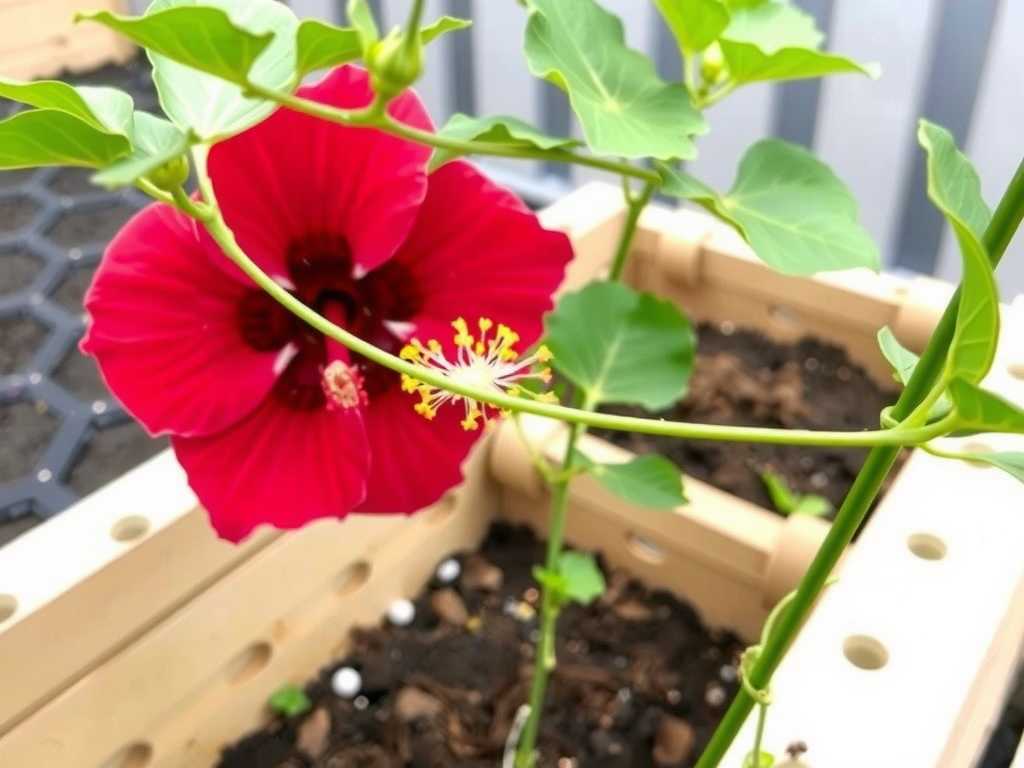
Why Raised Beds Are a Game-Changer for Hibiscus
The benefits are immediate and profound. First, drainage. Hibiscus roots despise "wet feet." A raised bed, by its elevated nature, allows excess water to escape freely, preventing the root rot that plagues compacted or clay soils. Second, you gain complete control over the soil medium. Instead of amending native soil, which can be a never-ending battle, you fill your bed with the perfect mix from day one. This leads to warmer soil earlier in the spring, giving your plants a head start. Finally, for those of us with less-than-ideal backyard conditions or limited mobility, raised beds reduce bending and make garden maintenance a pleasure, not a chore.
The Foundation of Success: Preparing Your Raised Bed Soil
This is where you cannot cut corners. The soil is not just a placeholder for the plant; it's its home, pantry, and water management system all in one. I learned this the hard way in my first bed, where I used a generic, bagged "garden soil." My hibiscus survived but never truly thrived.
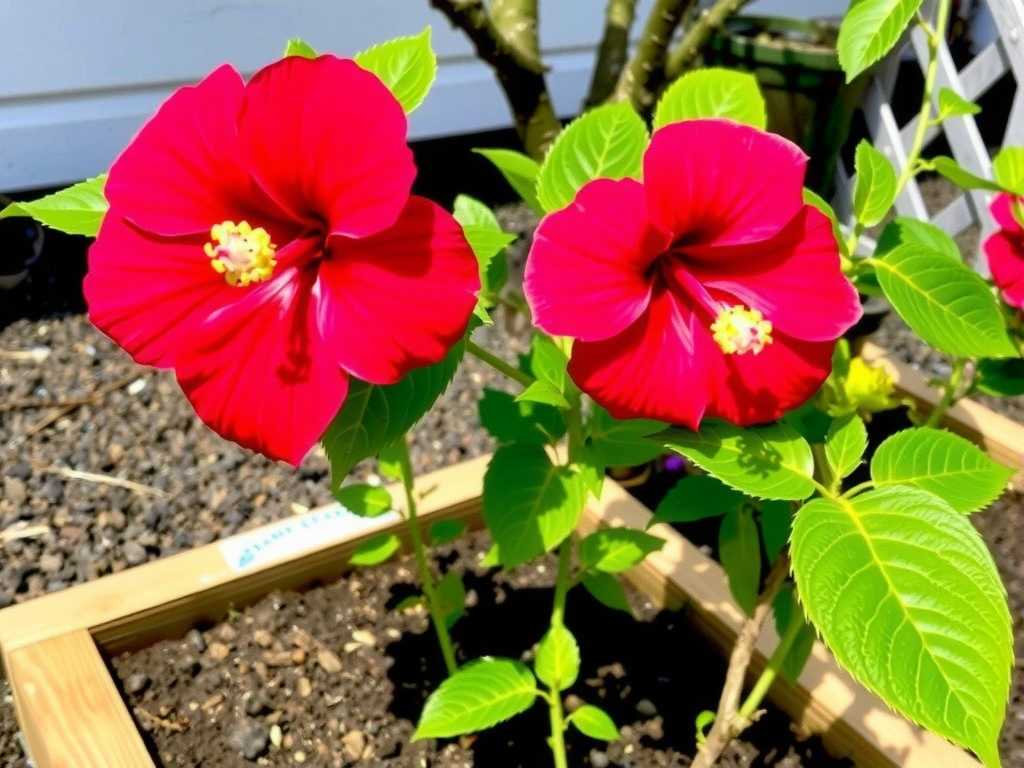
My Ideal Soil Mix Recipe:
After consulting resources from the American Horticultural Society (AHS), which emphasizes the importance of well-drained, nutrient-rich media for perennial success, I developed my own blend. For a standard 4x8 foot bed, I combine:
- 50% High-Quality Compost: This is the engine of fertility and microbial life. I use a mix of my own compost and a reputable, screened commercial product. It feeds the plants and improves soil structure.
- 30% Coarse Horticultural Sand or Grit: This is non-negotiable for drainage. Don't use fine play sand, as it can compact. The grit creates permanent air pockets.
- 20% Coconut Coir or Peat Moss: This component retains moisture and air evenly. I prefer coir as it's more sustainable and rehydrates easier, but peat works well too. The AHS notes the importance of organic matter for moisture retention without waterlogging.
To this base mix, I thoroughly incorporate a balanced, slow-release granular fertilizer and a handful of bone meal per plant to encourage strong root development and future blooms.
The Layering Technique for Long-Term Health:
I don't just dump and mix. I create a layered foundation. First, I line the bottom of the bed with a thin layer of small branches or coarse wood chips for slight aeration at the very base. Then, I add my blended soil mix, filling the bed to within an inch of the top. I water it deeply and let it settle for a few days before planting. This prevents drastic settling after your plants are in place.
The Critical Step Most Gardeners Get Wrong: Hibiscus Spacing
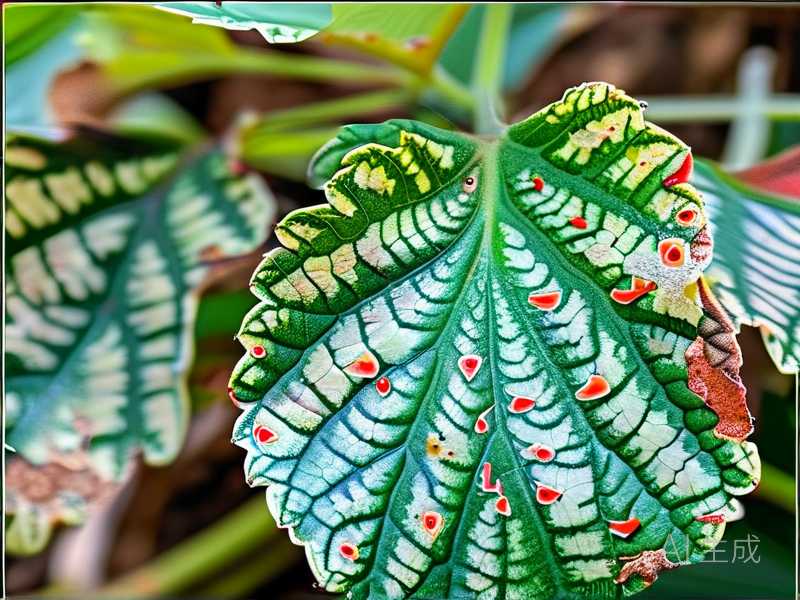
Here was my biggest "aha" moment, born from a classic mistake. In my eagerness for a full bed, I planted my three hibiscus shrubs about 18 inches apart. They looked fine initially, but by mid-summer, they were a tangled mess. Airflow was restricted, which increased humidity around the leaves, and I soon spotted the first signs of powdery mildew. The plants were competing fiercely for light and nutrients.
Correct Spacing for Raised Beds:
Through trial and error and guidance from experienced growers, I now follow this rule rigidly. For most common tropical hibiscus (Hibiscus rosa-sinensis) and hardy hibiscus (Hibiscus moscheutos), space plants a minimum of 24 to 36 inches apart, center to center, in a raised bed. This seems generous when they're small, but it accounts for their mature spread.
- Why This Works: Ample spacing ensures each plant receives sunlight from all sides, promoting even growth and bloom production. It allows for exceptional air circulation, which is your best defense against fungal diseases. It also gives each plant's root system ample room to expand and access water and nutrients without intense competition.
My Two-Week Observation After Correcting Spacing:
After carefully transplanting my overcrowded hibiscus to proper spacing in a new, correctly prepared bed, I monitored them closely. The first week was a period of adjustment—some leaf droop, which is normal. I kept the soil consistently moist but not soggy. By the end of the second week, the change was undeniable. New, deep green leaves were emerging from the leaf axils. The plants looked less stressed and more upright. Most importantly, the existing buds, which had stalled, began to swell and color up. This rapid recovery convinced me that giving plants the physical space they need is as crucial as feeding them.
Planting and Ongoing Care in Your Prepared Bed
Planting: Dig a hole in your pre-moistened bed soil that is just as deep as the nursery pot but twice as wide. Gently tease out any circling roots. Place the plant so the top of the root ball is level with the soil surface. Backfill with your bed soil, firming gently. Water in thoroughly to settle the soil and eliminate air pockets.
Watering and Feeding: Hibiscus in raised beds will dry out faster than in-ground plants. I check soil moisture by sticking my finger two inches down. I water deeply when it feels dry at that depth, aiming for consistent moisture. For feeding, I supplement my slow-release fertilizer with a water-soluble, high-potassium fertilizer every two weeks during the peak growing season to fuel those spectacular blooms.
Sun and Pruning: Ensure your bed is in a location that gets at least 6-8 hours of full sun. Prune in early spring to shape the plant and remove dead wood, which encourages bushier growth and more flowering points.
Troubleshooting Common Raised Bed Issues
- Yellowing Leaves: In my beds, this is most often a sign of overwatering or a nutrient deficiency. Check your drainage first. If that's fine, a dose of chelated iron or a complete micronutrient supplement usually greens them up quickly.
- Bud Drop: Heartbreaking! This plagued me during a heatwave. It's usually caused by sudden stress—drought, extreme temperature swings, or lack of nutrients. Maintaining consistent moisture and a regular feeding schedule virtually eliminated this problem for me.
- Pests: Aphids and whiteflies can be an issue. I blast them off with a strong jet of water early in the morning. For persistent problems, insecticidal soap sprays, applied to the undersides of leaves, are very effective and gentle on the ecosystem of the raised bed.
What is the best month to plant hibiscus in a raised bed? The ideal time is after all danger of frost has passed and the soil has warmed, typically late spring. This gives the plant a long, warm season to establish its roots before any cooler weather. In my zone, I always aim for early to mid-May.
Can I use regular garden soil in my raised bed for hibiscus? I strongly advise against it. Regular garden soil, especially if it's clay-heavy, will compact in a raised bed, defeating the primary benefit of improved drainage. It's worth the investment to create the custom, well-draining mix described above for the health of your plants.
How often should I replace the soil in my hibiscus raised bed? You don't need to fully replace it annually. Instead, I practice seasonal refreshing. Each spring, I remove the top few inches of soil and mix in a generous amount of fresh compost and a new application of slow-release fertilizer. This replenishes nutrients and organic matter that has been used up or broken down over the previous growing season.
Embracing raised bed gardening for hibiscus turned my struggles into consistent success. It all hinges on those two fundamental practices: building a light, fertile, and perfectly draining soil environment, and then having the discipline to give each plant the space it needs to flourish. The process requires some upfront effort in preparing raised bed soil, and a mindful approach to hibiscus spacing requirements, but the reward is a season-long parade of breathtaking, healthy blooms that make every bit of the work worthwhile. Your tropical paradise is waiting, and it starts from the ground up.