bluename
 Hibiscus Water Quality Tips: Avoid Tap Water Chemicals
I’ve always loved the vibrant, tropical splash of color a healthy hibiscus brings to my garden. But for years, I struggled with a frustrating cycle: my plants would develop yellowing leaves, drop their precious buds before blooming, and generally look underwhelming. I was following all the usual advice on sun and fertilizer, yet something was off. The breakthrough came when I shifted my focus from what was in the soil to what was going into it—specifically, the water. I discovered that common tap water chemicals were silently sabotaging my hibiscus. This realization led me on a two-week experiment to change my watering practices, and the results were nothing short of transformative.
Why Your Tap Water is Secretly Harming Your Hibiscus
Most of us fill our watering cans straight from the tap without a second thought. I did, too. It’s convenient and seems perfectly safe. However, municipal tap water is treated for human consumption, not plant sensitivity. The very chemicals that make our water safe to drink can be problematic for sensitive plants like hibiscus.
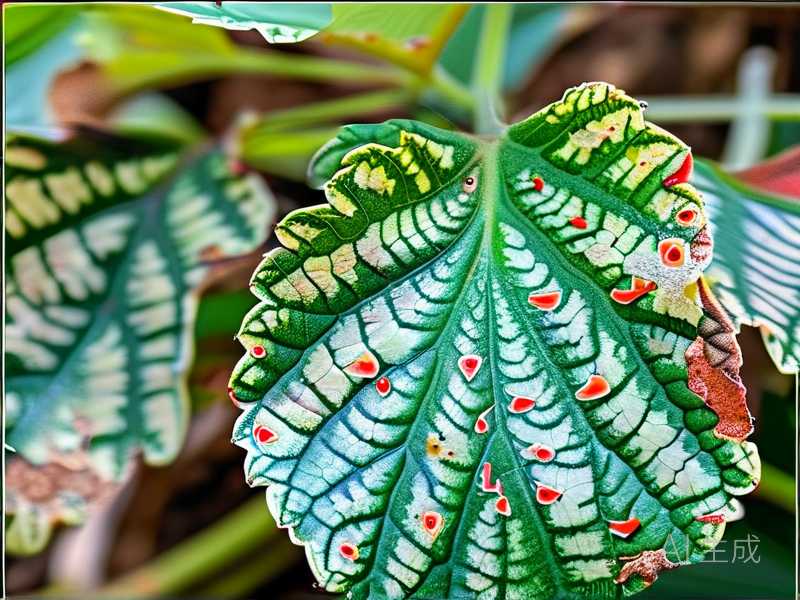
The primary culprits are chlorine and chloramines (a more stable compound of chlorine and ammonia). These disinfectants are excellent at keeping our water supply free of pathogens, but they can harm the delicate microbial life in the soil—the very ecosystem that helps your hibiscus absorb nutrients. Furthermore, many water systems have high levels of dissolved minerals like calcium and magnesium, making the water “hard.” Over time, these minerals build up in the soil, altering its pH and making it more alkaline. Hibiscus plants thrive in slightly acidic to neutral soil. An alkaline shift locks up essential nutrients like iron and manganese, leading to chlorosis—those telltale yellow leaves with green veins I kept seeing.
I decided to test this theory myself. For two weeks, I committed to eliminating tap water chemicals from my hibiscus care routine. My goal was to see if this single change could improve my plant’s health.
My 2-Week Experiment: Ditching the Tap
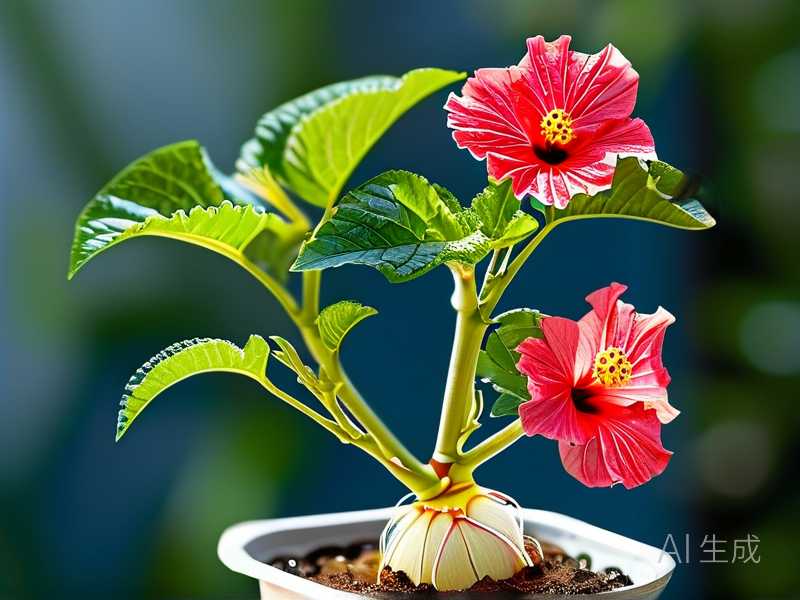
I chose my most troubled hibiscus, a ‘Red Dragon’ variety that was sporting more yellow than green and hadn’t held a bloom in weeks. Here was my actionable plan:
Step 1: The Baseline Assessment and Water Source Switch First, I took a clear photo and noted all symptoms: yellowing upper leaves, slight browning at the leaf edges, and three dropped flower buds. I then stopped using tap water immediately. I identified three alternative water sources:
- Rainwater: I set up a simple barrel to collect it.
- Filtered Water: I used a basic carbon-filter pitcher (like a Brita) to remove chlorine and some sediments.
- Tap Water, Treated: For a control method accessible to everyone, I filled open containers and let them sit for 24-48 hours. This allows chlorine to evaporate (note: this does not remove chloramines).
Step 2: The Watering Adjustment and Observation I watered deeply but less frequently, only when the top inch of soil was dry, using exclusively the collected rainwater or filtered water. I kept a simple journal:
- Day 1-3: No visible change. Soil felt moist from the initial good soak.
- Day 4-7: Noticed the soil seemed to dry out at a more even rate. No new bud drop occurred.
- Day 8-10: This was the first exciting phase. The newest set of leaves at the tip of a branch emerged a deeper, healthier green compared to the pale older leaves. The existing yellow leaves did not recover (they rarely do), but the plant appeared to have halted its decline.
- Day 11-14: A second set of new growth appeared, and this time, the leaves were perfectly green and lush. The plant overall looked perkier. Most importantly, a single flower bud formed and, unlike its predecessors, it held on and began to swell.
The Pitfalls I Encountered and How I Solved Them
My experiment wasn’t perfectly smooth. I hit two main snags. Pitfall 1: Inconsistent Water Supply. A dry week meant my rainwater barrel was empty, and filtering all the water I needed became tedious. My “sit-out” method felt slow. Solution: I invested in an inexpensive inline hose filter designed for gardeners. It connects directly to my outdoor spigot and uses a carbon-KDF filter to remove chlorine, chloramines, and heavy metals. This became my primary, hassle-free source. The Royal Horticultural Society (RHS) notes that standing water for 24 hours can reduce chlorine, but confirms that filtration is a more reliable method for ensuring chemical-free water for sensitive plants. Pitfall 2: Overcorrecting and Overwatering. In my enthusiasm, I initially watered too often, thinking “pure” water couldn’t hurt. I saw signs of slight wilting from soggy roots. Solution: I returned to the fundamental rule: check the soil first. Better water quality doesn’t change the hibiscus’s need for well-drained soil. I stuck my finger in the soil and waited for that top inch to dry out, which typically took 2-3 days in my climate.
Building a Long-Term Hibiscus Watering Strategy
Based on my two-week test and continued practice, here’s a sustainable system:
- Primary Source: Use a garden hose filter. It’s the most convenient and effective solution for removing water chemicals.
- Excellent Alternative: Collect and use rainwater. It’s naturally soft, slightly acidic, and free of chemicals.
- Good Indoor Solution: For potted hibiscus, use water filtered through a carbon filter or even leftover distilled water from your iron.
- The Simple Sit-Out Method: If you must use tap water, let it aerate in an open bucket for at least 24 hours. While not perfect for chloramines, it’s better than nothing.
The American Hibiscus Society (AHS) strongly advises that hibiscus are “sensitive to salts and chemicals in tap water,” and recommends rainwater, distilled water, or water treated by reverse osmosis for optimal results. This aligns perfectly with my hands-on experience.
Addressing Soil Buildup from Past Watering
Switching your water source stops new problems, but what about the mineral buildup already in the pot? For my plant, I implemented a quarterly “soil flush.” I took the pot to a spot with good drainage and slowly poured a large volume of my new, filtered water through the soil—about three to four times the volume of the pot. This helps leach out accumulated salts. After this flush, I waited until the plant was due for its next feeding to apply a balanced, water-soluble fertilizer to replenish any nutrients that may have washed away.
Frequently Asked Questions
Can I just use bottled water for my hibiscus? You can, but it can become expensive. Spring water varies in mineral content. Distilled or purified water is a very good option, especially for a few prized container plants. For in-ground plants or multiple containers, a filtration system is more economical long-term.
How do I know if my tap water has chloramines? The easiest way is to contact your local water utility or check their annual Water Quality Report (often available online). If they use chloramines, the “sit-out” method won’t remove them, making a filter essential.
My hibiscus is still yellow after changing the water. What now? Patience is key. Old, damaged leaves won’t turn green again. Focus on the new growth—it should be healthy. If yellowing persists on new leaves, the issue might be a nutrient deficiency (often iron) caused by the previous soil alkalinity. After a month of using better water, try applying a chelated iron supplement according to package directions to correct this.
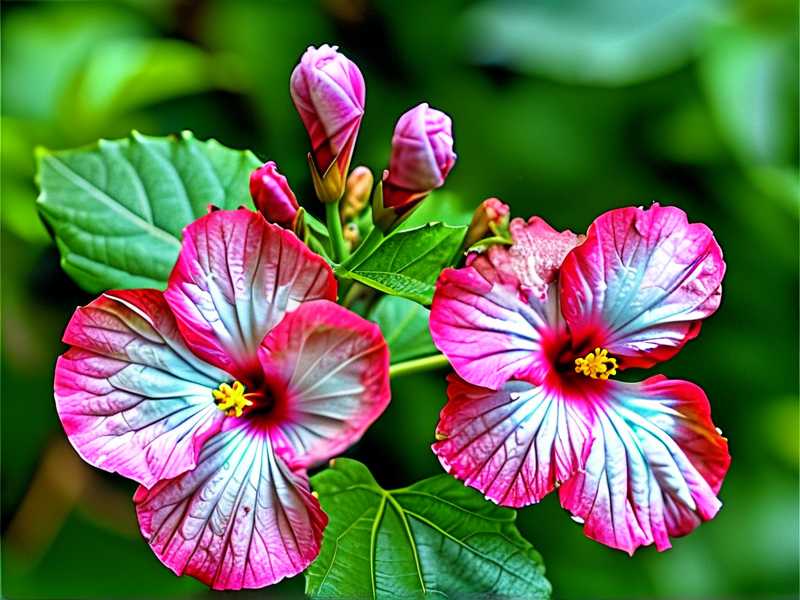
Seeing my hibiscus rebound over those two weeks was a powerful lesson. Gardening success often lies in addressing the invisible factors. By simply avoiding the chemicals in tap water, I provided a cleaner, more natural foundation for my plant. The reward was in that first robust, crimson bloom that finally opened—a vibrant testament to the power of paying attention to the basics. Your hibiscus doesn’t need complicated care; it just needs water that’s as pure and gentle as the rain it evolved to love.