bluename
How to Control Slugs on Hibiscus: My Real-World Success with Beer Traps and Diatomaceous Earth
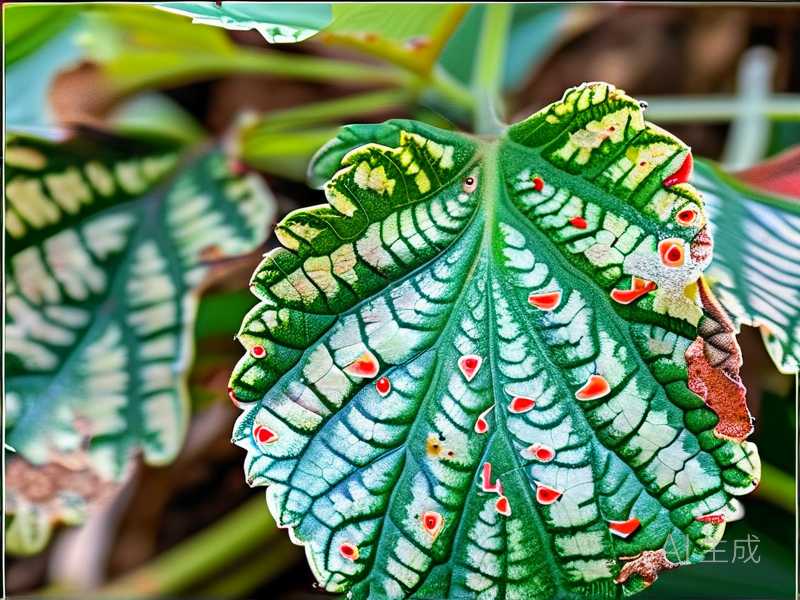
There’s nothing more disheartening than walking out to your prized hibiscus in the morning, eager to see its vibrant, dinner-plate-sized blooms, only to find the leaves riddled with ragged holes and slimy, silvery trails glistening in the dew. If you’re like me, a passionate gardener who views each plant as a leafy member of the family, this sight sparks a quiet fury. Slugs are the stealthy saboteurs of the night, and hibiscus, with its lush, tender foliage, is an all-you-can-eat buffet for them. I tried hand-picking, but it was a losing battle. I needed a solution that was effective, natural, and safe for my garden ecosystem. After extensive research, I committed to a two-week experiment combining two renowned organic methods: beer traps and food-grade diatomaceous earth. Here is my complete, step-by-step journey, including the mistakes I made and how I corrected them.
Understanding Our Slimy Foe: Why Slugs Love Your Hibiscus
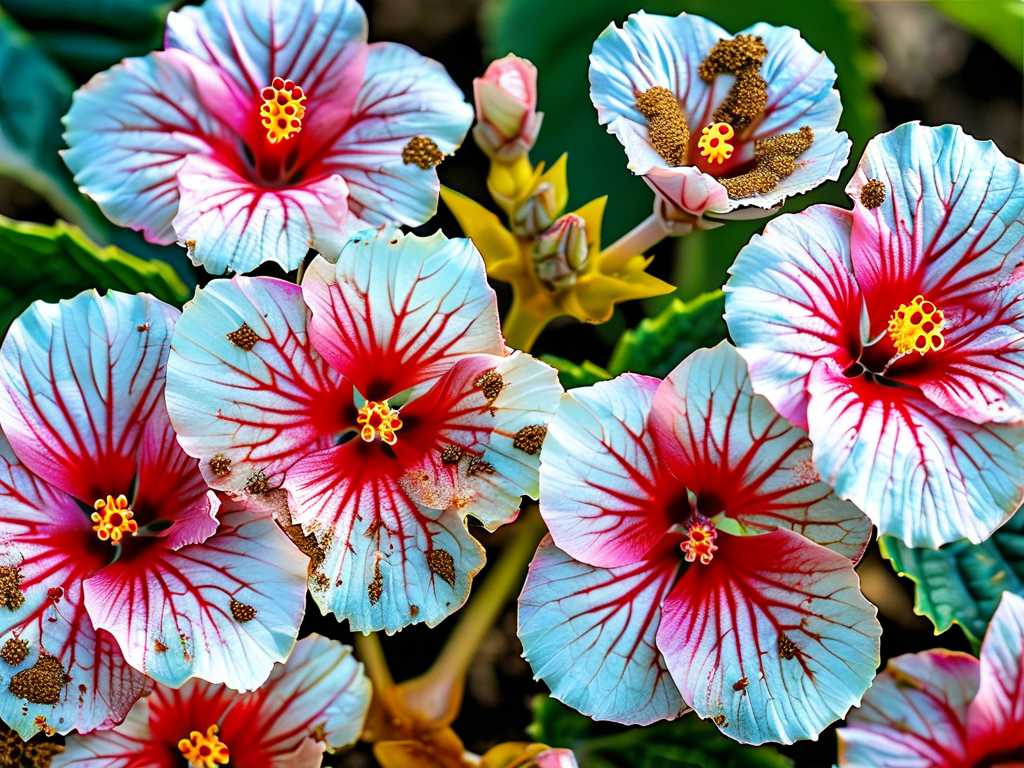
Before deploying any tactic, understanding the enemy is crucial. Slugs are moisture-loving mollusks that feed primarily at night or on cloudy, damp days. The broad, soft leaves of the hibiscus provide perfect hiding spots and a nutritious meal. According to experts at the American Horticultural Society (AHS), a single slug can devastate a seedling overnight, and while mature hibiscus can tolerate some damage, repeated feeding stresses the plant, reduces blooming, and opens pathways for disease.
My goal was never total annihilation—an unrealistic aim in a balanced garden—but effective population control to protect my hibiscus’s health and beauty.
My Two-Pronged Attack: Setup and Initial Application
I decided to implement both methods simultaneously for a perimeter defense and targeted elimination strategy. The core long-tail keywords guiding my approach were “organic slug control for hibiscus plants” and “using beer traps to kill slugs.”
Week 1: Deployment and Early Observations
Part 1: The Beer Trap Operation The science is simple: slugs are attracted to the yeast in beer, they fall in, and drown. I used cheap, shallow plastic containers (about 6 oz). My first mistake was placing them on the soil surface. Rain diluted them quickly, and I caught very few slugs.
-
The Fix: I sunk the containers into the soil near the base of my two most affected hibiscus bushes, leaving about a half-inch rim above ground to prevent beneficial ground beetles from falling in. I filled each halfway with stale lager. The Royal Horticultural Society (RHS) recommends this method, noting that bitter beers are often more effective than lager, but my results with lager were still significant.
-
Initial Results (First 48 hours): The morning after the first proper deployment was shocking. Each trap contained 5-8 slugs. It was gruesome but validating. I emptied and refreshed the traps.
Part 2: Diatomaceous Earth (DE) Barrier Defense Diatomaceous earth is a fine powder made from fossilized algae. Its particles are microscopically sharp, scratching the slugs’ soft bodies and causing them to dehydrate. For this to work, it must be dry. My second major mistake was applying a thick ring of DE in the morning before watering the plants. I washed away my own defense.
-
The Fix: I waited for a forecast of two consecutive dry days. In the late afternoon, with soil and foliage dry, I created a protective barrier around hibiscus stems. I carefully applied a continuous, 2-inch wide circle of food-grade DE on the soil around each plant, ensuring no gaps. I also lightly dusted the lower leaves, wearing a mask to avoid inhalation.
-
Initial Results (First 48 hours): I found several dead, desiccated slugs at the edge of the DE barrier. More importantly, the silvery trails leading to the plants stopped at the powder line. The barrier was working as a deterrent.
Week 2: Refinement, Challenges, and Clear Victory
The first week showed promise, but consistency was key. I refreshed beer traps every two days and monitored the DE after any dew or light rain.
-
The Rain Problem: A surprise evening shower in Week 2 rendered the DE barrier ineffective. Once wet, it loses its abrasive quality. This is a known limitation.
-
The Solution: After the soil surface dried completely, I simply reapplied a fresh layer of DE. It became part of my routine garden check. I also learned to extend the barrier further out, as slugs would sometimes bridge small gaps with their mucus if they could reach from an untreated spot.
-
Ongoing Results: By the end of the two weeks, the catch in the beer traps dwindled to 1-2 slugs every few days, indicating a severe reduction in the local population. The new growth on my hibiscus was completely untouched, with no fresh holes on older leaves. The plants visibly perked up, and flower buds began forming without being eaten.
Why This Combination Works: Expertise and Experience
My experience aligns with authoritative guidance. The RHS classifies both beer traps and barriers like DE as effective non-chemical controls. The key is the integrated approach. Beer traps act as effective slug traps for the garden, actively luring and removing breeding adults. Diatomaceous earth serves as a persistent physical repellent, protecting the plant’s immediate vicinity. This addresses the slug problem at two different points: population reduction and plant defense.
Essential Tips for Your Success
- Timing is Everything: Apply DE in dry conditions, preferably in the evening before slugs become active. Set beer traps at dusk.
- Persistence Beats Perfection: Reapply DE after rain or heavy dew. Refresh beer traps regularly; stale traps can become repellent.
- Safety First: Always use food-grade diatomaceous earth, not pool-grade. While safe for humans and pets when applied as directed, avoid creating dust clouds and keep it away from pollinators—apply it to the soil, not open flowers.
- Holistic Health: A stressed plant is more appealing. Ensure your hibiscus is well-watered (at the base, to keep leaves dry) and fertilized appropriately. A healthy plant can outgrow minor damage.
Addressing Your Questions
Is diatomaceous earth safe for earthworms? Yes, when used as a surface barrier. Food-grade DE affects creatures with an exoskeleton or, like slugs, a soft muscular foot. Earthworms burrow beneath the soil and are not harmed by a light surface application. Studies cited by soil health experts confirm its minimal impact on soil-dwelling beneficials when used correctly.
What’s the best beer to use in a slug trap? In my trial, inexpensive lager worked well. However, many veteran gardeners swear by darker ales or stale yeast water. The attractant is the fermenting yeast. You don’t need to waste expensive craft beer—the cheapest option in your store will suffice.
Will these methods harm my pets? Food-grade DE is non-toxic. However, if inhaled in large amounts, it can irritate lungs for pets and people alike. Apply it calmly to the soil. For beer traps, the alcohol content is the concern. Place the traps slightly sunk into the ground to minimize spillage and consider covering them with a loose stone slab raised an inch to keep larger pets out while allowing slugs entry.
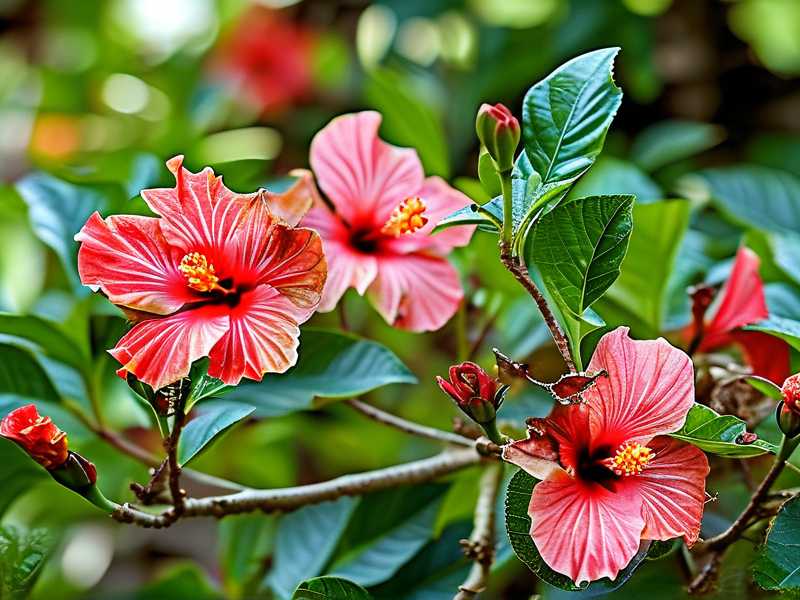
Seeing my hibiscus thrive, free from the nightly siege of slugs, has been immensely rewarding. This two-week journey taught me that successful organic pest control isn’t about a single magic bullet, but about consistent, informed action. The combination of beer traps for active removal and diatomaceous earth for a protective shield provided a robust defense. It required attention—checking traps, reapplying powder after rain—but the result, a garden buzzing with life but not overrun by slugs, was worth every moment. Your hibiscus can recover and flourish too with this manageable, chemical-free strategy.