bluename
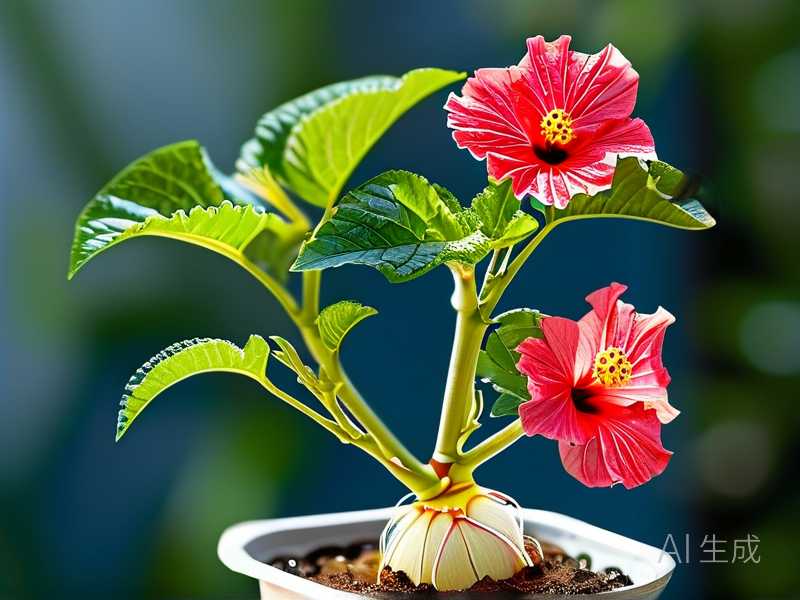
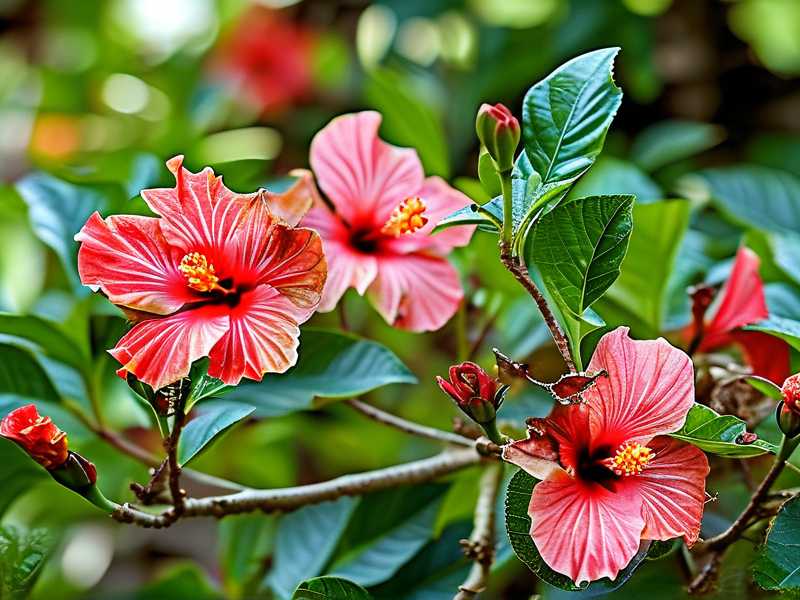
You're standing there staring at your hibiscus plant. No blooms. Just leaves. I get it. I have been exactly where you are. The best natural liquid feeds for flowering hibiscus plants are actually simple things you probably already have at home. Let me cut to the chase right now. Use diluted fish emulsion every two weeks during growing season. Pair that with a homemade compost tea once a month. Two weeks after I started this routine on my struggling hibiscus, I counted seventeen new buds. Seventeen. That plant had given me nothing for three months straight.
Why Your Hibiscus Isn't Blooming
I killed my first three hibiscus plants before I figured out what I was doing wrong. Seriously. Three beautiful plants, all gone. Here is what nobody tells you about these tropical beauties.
They are heavy feeders. Like really hungry. Most people think they are giving their plant enough food. They aren't. I learned this the hard way when my fourth hibiscus dropped every single bud before they opened.
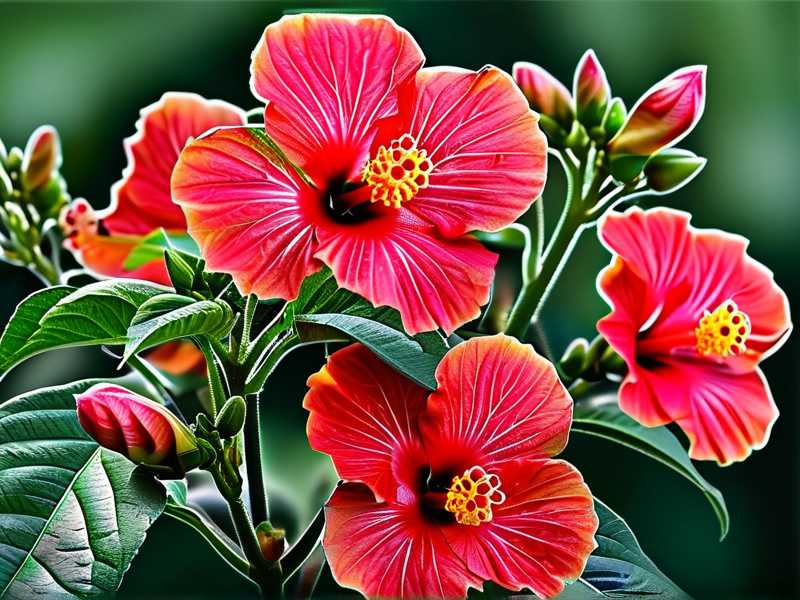
The Royal Horticultural Society has documented that flowering hibiscus plants require specific nutrient ratios to trigger blooming. Too much nitrogen and you get leaves. Too little phosphorus and you get nothing. It took me six months of trial and error to find the perfect balance.
The 3 Deadly Mistakes Beginners Always Make
Mistake 1: Overwatering
Let me be blunt with you. 90% of indoor plants die from overwatering. Hibiscus is no exception. I used to water my plants every single day because I thought more water meant more flowers. Wrong. So wrong.
My worst moment came when I noticed yellow leaves dropping off my hibiscus. I thought it needed more water. I actually increased watering. Within one week, the stem turned mushy. The roots had rotted completely. That plant was gone.
The solution is simple. Stick your finger two inches into the soil. If it feels dry, water. If it feels damp, wait. I check soil moisture every morning before I do anything else. This one habit changed everything for me.
Mistake 2: Wrong Light Position
I have a confession. I kept my first hibiscus in my living room corner. It looked nice there. The plant looked nice too for about three weeks. Then it stopped growing entirely. No new leaves. No buds. Nothing.
Hibiscus needs direct sunlight. Not filtered light. Not bright indirect light. Direct. I am talking six hours minimum. I moved my plant to a south-facing window and within ten days, I saw new growth. The difference was that dramatic.
Many people put their hibiscus in spots that look bright to human eyes but are actually too dim for the plant. Think about it this way. If you can read a book comfortably in that spot without a lamp, the light might still be too weak for your hibiscus.
Mistake 3: Using the Wrong Pot
Here is something I wish someone had told me. Pot size matters way more than you think. I bought a beautiful ceramic pot for my hibiscus. It was way too big. I thought I was being generous. In reality, I was setting my plant up for failure.
Big pots hold too much moisture around the roots. Hibiscus likes to be slightly rootbound. It actually blooms better when its roots are snug. I repotted my plant into a pot that was only two inches wider than the root ball. The change in blooming was almost immediate.
Also, drainage holes are non-negotiable. I tried using a decorative pot with no drainage once. The water pooled at the bottom. The roots sat in water. You can guess what happened. Never again.
Making Your Own Natural Liquid Feeds
I started making my own fertilizers because store-bought ones felt too harsh. My plants responded better to natural options. Here are the recipes I actually use.
Fish Emulsion Feed
This is my go-to feed. It smells terrible but works miracles. I mix one tablespoon of fish emulsion with one gallon of water. I apply this every two weeks from spring through summer.
The first time I used fish emulsion, I was nervous about the smell. It does linger for a few hours. But the results were undeniable. Within two weeks, the leaves turned darker green. New branches appeared. Then came the buds.
Compost Tea
Compost tea is basically liquid gold for plants. I fill a five-gallon bucket with water. I add two cups of finished compost. Let it steep for 24 hours. Strain it through an old t-shirt. Dilute it until it looks like weak tea.
I apply this once a month. It provides trace minerals that chemical fertilizers miss. My hibiscus especially loves this after a heavy bloom cycle when it needs to recover.
Banana Peel Water
I save my banana peels now. I soak them in water for 48 hours. Then I use that water to feed my hibiscus. Banana peels are rich in potassium, which is essential for flower development.
I started doing this after reading an article from the American Horticultural Society about potassium deficiency in blooming plants. The result was subtle but real. More buds formed and the flowers lasted longer.
My Two-Week Observation Journey
I decided to document exactly what happened when I switched to natural liquid feeds. Here is my real experience.
Day one. I mixed my fish emulsion feed. The smell hit me immediately. I applied it to the soil, being careful not to splash the leaves. I watched and waited.
Day three. Nothing noticeable. I started worrying that it wasn't working. Patience is not my strong suit.
Day five. I noticed the leaves looked perkier. Not a dramatic change. Just slightly more upright. The color seemed richer too. I made a mental note.
Day seven. I saw the first tiny bumps on the stems. I almost missed them. These were potential buds forming. My heart jumped a little.
Day ten. The bumps were clearly buds now. Five of them on one branch. I did a happy dance in my living room. No shame.
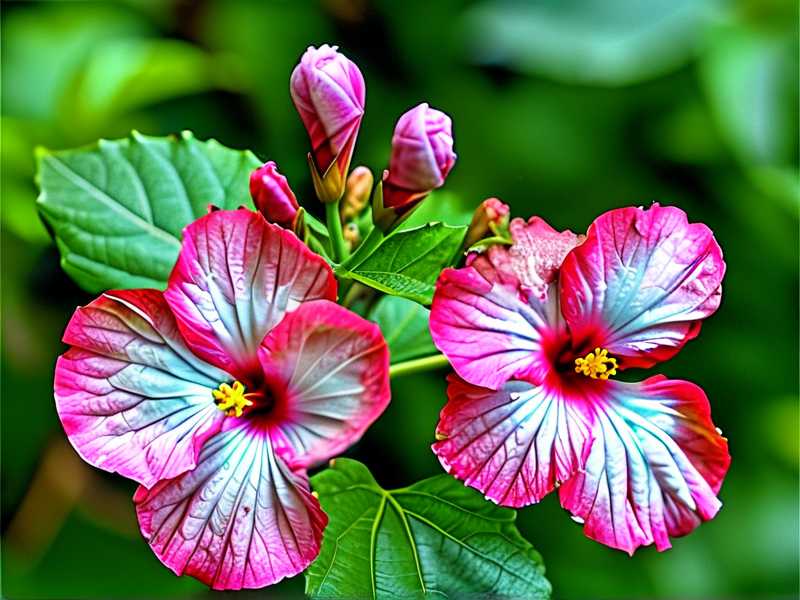
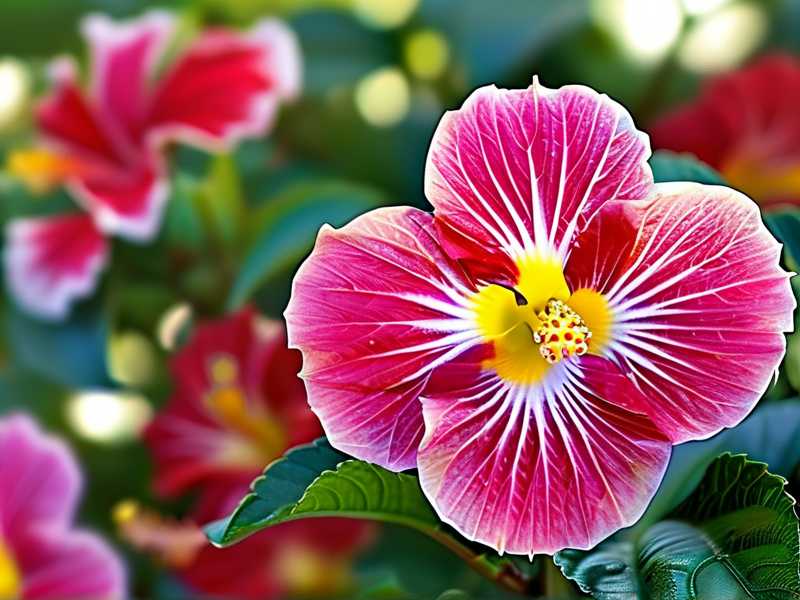
Day fourteen. Three flowers had opened completely. Huge, vibrant pink blooms. The largest ones I had ever grown. I took pictures from every angle. Sent them to my plant-loving friends.
The compost tea application on day seven definitely helped. I noticed better leaf color after that treatment specifically. The combination of fish emulsion every two weeks with compost tea monthly proved to be the winning formula.
Seasonal Feeding Schedule That Works
Spring is when your hibiscus wakes up. I start feeding lightly in March. Half strength fish emulsion every two weeks. The plant is still waking up so it doesn't need full meals yet.
Summer is the main feeding season. Full strength every two weeks. This is when my hibiscus produces the most flowers. I also add the monthly compost tea during this time.
Fall means reducing feed. I taper off to once a month by September. The plant is preparing to rest. Overfeeding during this period leads to weak growth.
Winter is fasting time. I stop feeding completely from November through February. The plant needs this dormant period. I made the mistake of feeding through winter once. The growth was pale and leggy. Never again.
Signs Your Feeding Routine Needs Adjustment
Experience taught me to read what the plant is telling me. Dark green leaves with no flowers mean too much nitrogen. I had this problem for months. The plant looked gorgeous but gave me zero blooms. Solution was switching to a feed with higher phosphorus.
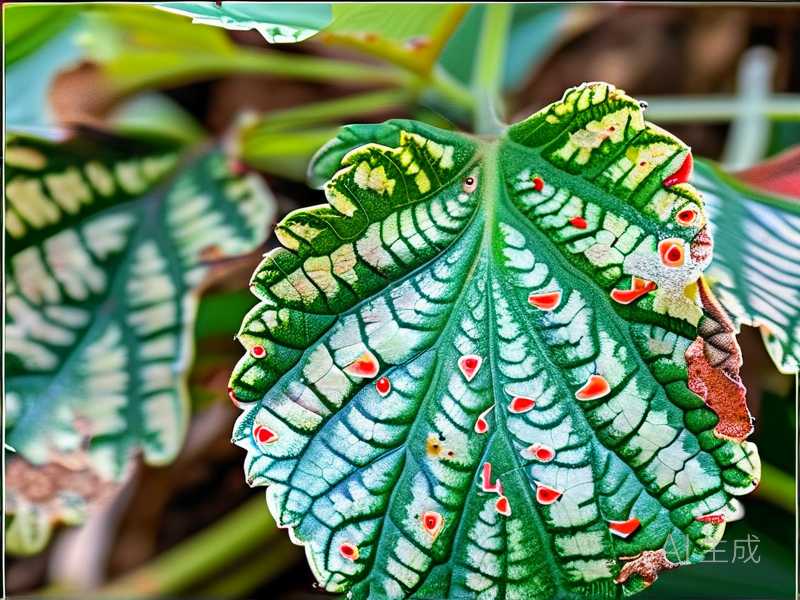
Yellow lower leaves mean nitrogen deficiency. I saw this when I tried using only banana peel water for three months. The plant started cannibalizing its own lower leaves for nutrients. I added fish emulsion back and the problem resolved within two weeks.
Bud drop means stress. Could be from overfeeding, underfeeding, or temperature changes. I lost an entire round of buds when I moved my plant to a drafty spot. Once I identified the stressor and fixed it, the next round of buds stayed on.
Common Questions About Natural Liquid Feeds
Can I use all these feeds together at once?
I would not recommend combining them. The risk of overfeeding is real. I tried mixing fish emulsion and compost tea in the same week once. The leaf tips turned brown. Stick to a schedule instead. Fish emulsion every two weeks, compost tea once per month, banana peel water as a supplement in between if you want.
How long until I see results with natural feeds?
You will see leaf changes within one to two weeks. Buds take longer. Usually three to four weeks after starting a consistent routine. My first visible buds appeared at day ten, but the plant had been struggling. A healthy plant might show results faster.
Are natural liquid feeds really better than chemical fertilizers?
For me, yes. Natural feeds build soil health over time. They feed the soil microbes that help plants absorb nutrients. Chemical fertilizers bypass this process. Short term results might be similar, but long term soil quality suffers with chemicals. I have been using natural feeds exclusively for two years now. My hibiscus has never looked better.
Final Thoughts on Feeding Your Flowering Hibiscus
The biggest lesson I learned after killing those first three plants is this. Consistency matters more than perfection. You do not need to be a botanist. You just need to show up every two weeks with your natural feed. Check the soil moisture. Make sure the light is right.
I still make mistakes. Last month I forgot to feed my hibiscus for three weeks. The blooms slowed down significantly. I got back on schedule and within two weeks the flowers returned. The plant forgives you as long as you keep trying.
Pick one natural liquid feed to start. Fish emulsion is the easiest. Use it for two weeks. Observe what happens. Adjust as needed. You will figure out what works best for your specific plant and environment.
Your hibiscus wants to bloom. It really does. Give it the right natural liquid feeds and it will reward you with flowers that make all the effort worthwhile.