bluename
How to Treat Hibiscus Rust Disease: Sulfur Fungicide Application
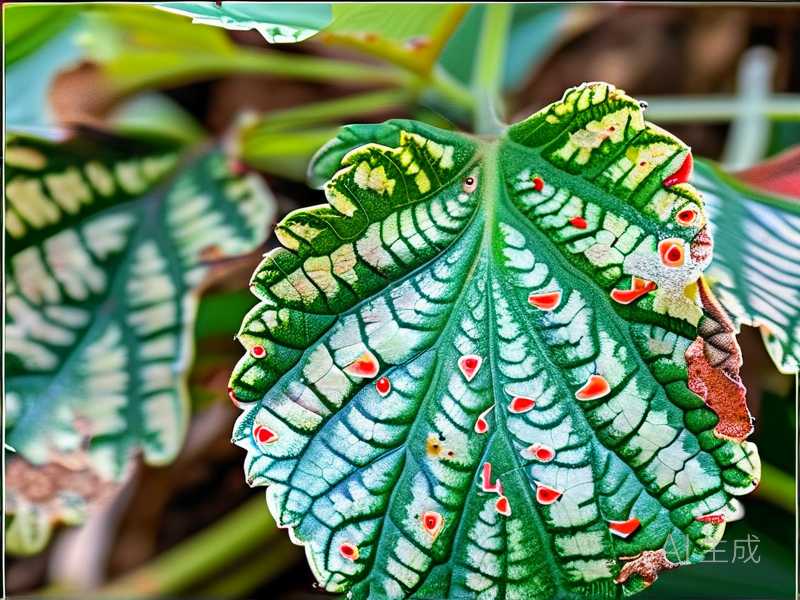
I remember the sinking feeling I got last summer when I turned over the leaves of my prized tropical hibiscus. Those tell-tale yellow spots on the upper surfaces were bad enough, but the underside revealed the nightmare: a dusting of powdery, rusty-orange pustules. Hibiscus rust had arrived. If you’re reading this, you probably know that panic. Your beautiful plants, the pride of your garden or patio, are under attack. The leaves are yellowing, dropping prematurely, and the plant’s vigor is fading. You’ve heard sulfur fungicide might be the answer, but how exactly do you use it? Is it safe? Does it really work? After battling this fungal menace myself and successfully nursing my plants back to health, I want to guide you through the precise, effective application of sulfur fungicide, sharing the lessons from my two-week treatment journey so you can avoid my mistakes.
Understanding Your Enemy: What is Hibiscus Rust?
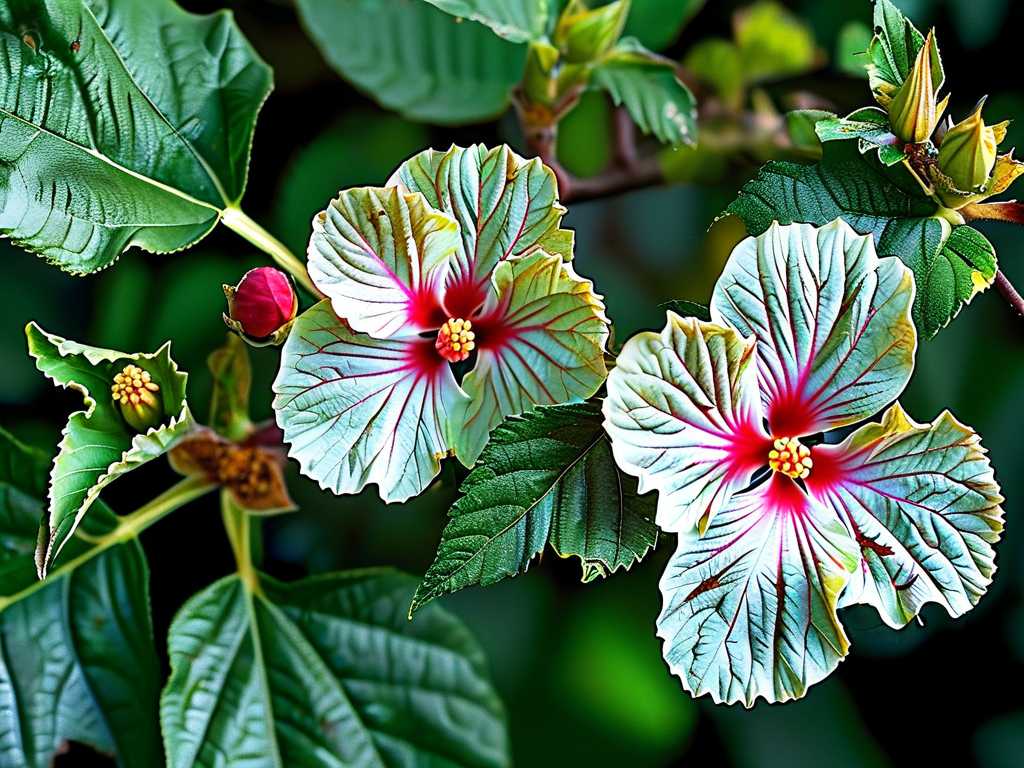
Before we reach for any treatment, it’s crucial to know what we’re fighting. Hibiscus rust is a fungal disease caused by Puccinia pampeana. It thrives in warm, humid conditions, exactly the environment many of us create for our tropical hibiscus plants. The fungus spreads through microscopic spores that travel by wind, water splash, or even on your hands and tools. The primary symptoms are those small, chlorotic yellow spots on leaf tops and the corresponding rusty, powdery spore masses underneath. Left unchecked, it causes severe defoliation, weakening the plant and reducing or preventing flowering.
Why Choose Sulfur Fungicide for Rust Control?
In my research and conversations with local master gardeners, sulfur emerged repeatedly as a top recommendation for fungal diseases like rust. But it’s not just an old wives’ tale. The Royal Horticultural Society (RHS) lists sulfur-based products as a key control for rust diseases on ornamental plants, noting its effectiveness as both a preventative and a curative treatment in early stages. Its mode of action is multifaceted: it disrupts fungal cell processes and can create an environment on the leaf surface that is inhospitable to spore germination.
For us home gardeners, sulfur offers several advantages. It’s a naturally occurring element, making it a cornerstone of many organic gardening programs. When used correctly, it has a lower environmental impact than some synthetic systemic fungicides and is less likely to contribute to pathogen resistance. However, “used correctly” is the operative phrase here, as I would learn the hard way.
My Step-by-Step Guide to Applying Sulfur Fungicide
This isn’t just theoretical advice. This is the exact process I followed, observing my plants daily for two weeks to document what worked.
Step 1: Diagnosis and Isolation My first step was confirming it was rust and not another issue like spider mite damage or a nutrient deficiency. I used a magnifying glass to check for the pustules. Once confirmed, I immediately isolated the affected hibiscus from my other plants. This is non-negotiable to prevent the spores from spreading. I moved my potted hibiscus to a separate, sunny corner of the patio.
Step 2: The Initial Cleanup You cannot spray over a severe infection and expect good results. I put on gloves and carefully removed all the most severely infected leaves—those covered in pustules or mostly yellowed. I placed them directly into a plastic bag, sealed it, and disposed of it in the trash, not the compost. This drastically reduces the immediate spore load. I then thoroughly cleaned up any fallen debris from the soil surface.
Step 3: Choosing and Preparing the Sulfur Fungicide I selected a wettable sulfur powder, as it’s versatile and recommended for thorough coverage. Here was my first critical mistake: not reading the label meticulously. I assumed a standard mix. Always, always follow the manufacturer’s label instructions for the specific product you buy. It is the law and the key to safety and efficacy.
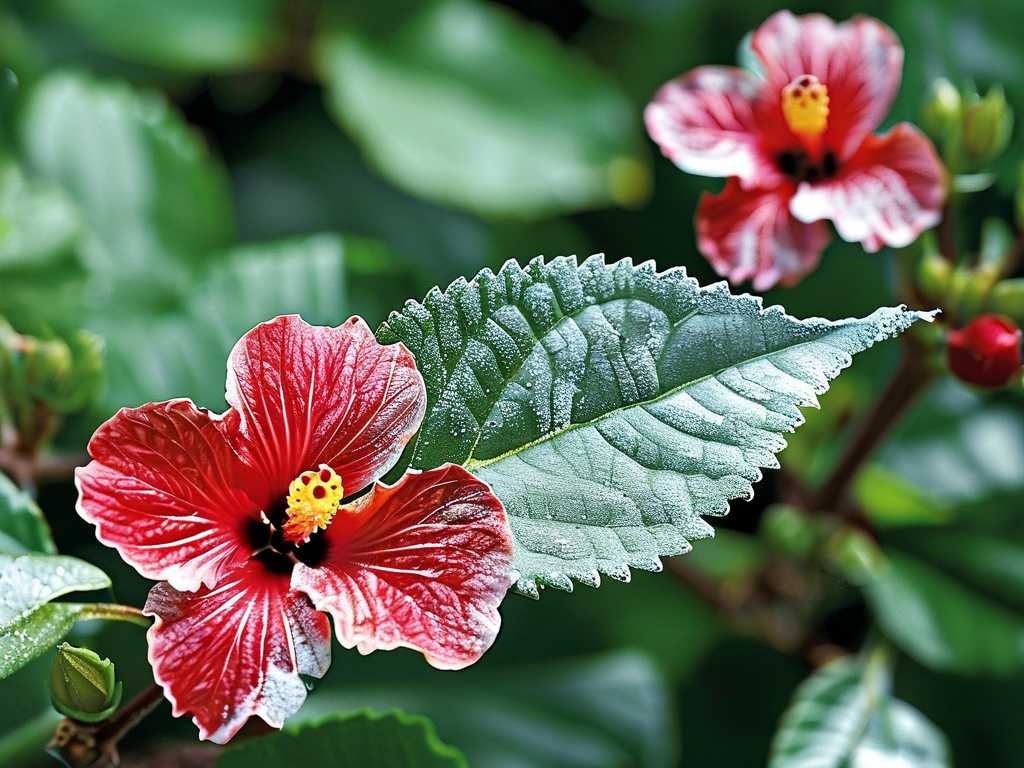
I mixed the powder in a clean, dedicated sprayer. The key is to use tepid water and agitate it constantly to keep the sulfur in suspension. I also added a few drops of a horticultural wetting agent (a spreader-sticker) to help the solution adhere to the waxy hibiscus leaves, a tip I got from a local nursery expert.
Step 4: The Application Process Timing is everything. I applied the sulfur fungicide in the early evening, when the sun was low. This prevents rapid evaporation and reduces the risk of leaf burn (phytotoxicity), which can occur if sulfur is applied in hot, direct sunlight. I ensured every part of the plant was covered, paying obsessive attention to the undersides of the leaves. This is where the fungus lives, and missing these surfaces renders the treatment almost useless. I sprayed until a fine, even film coated the plant, just before the point of runoff. I also lightly sprayed the soil surface around the base.
Step 5: Post-Application and the Two-Week Observation Plan I resisted the urge to water overhead or expose the plant to rain for at least 24 hours to let the sulfur do its work. My observation diary began.
- Days 1-3: No dramatic change. The existing spots remained, but I noticed no new pustules forming. The plant looked stable.
- Days 4-7: Here, I encountered my second big lesson. We had an unexpected hot spell (over 90°F / 32°C). I noticed some leaf edges on newer growth looking slightly scorched. I consulted the American Horticultural Society (AHS) resources, which clearly warn against sulfur use in extreme heat. I immediately shifted my next scheduled spray to late evening when temperatures had dropped significantly. I also slightly diluted the next batch as a precaution. The scorching did not spread on existing leaves, and new growth later emerged unaffected.
- Days 8-14: This was the turning point. The existing rust pustules began to look dry and inert. New leaves unfurled completely clean, with no yellow spotting. The overall yellowing of the plant slowed and then stopped. The plant seemed to regain energy, and I even spotted a few new flower buds forming in the second week—a sure sign of recovering health.
Step 6: Ongoing Prevention Sulfur fungicide is not a one-and-done solution. To protect new growth, I continued a preventative spray schedule every 10-14 days, as the product label directed, focusing on thorough underside coverage. I also corrected the cultural conditions that likely contributed to the outbreak: I improved air circulation around the plant, ensured it had morning sun to dry the leaves, and switched to watering at the base only, avoiding wet foliage.
Common Pitfalls and How to Avoid Them
- Pitfall 1: Incomplete Coverage. Spraying only the top of the leaves. Solution: Make targeting the leaf undersides your absolute priority. Use a sprayer with an adjustable nozzle.
- Pitfall 2: Wrong Weather/Timing. Applying in full sun or high heat, leading to leaf burn. Solution: Spray in the cool of early morning or late evening. Check the forecast and avoid applications if temperatures will exceed 85°F (29°C).
- Pitfall 3: Ignoring Sanitation. Spraying without removing the worst-affected leaves first. Solution: Be ruthless with initial cleanup. Bag and trash infected material.
- Pitfall 4: Overuse or Incorrect Mixing. This can harm the plant and soil biology. Solution: Follow the label to the letter. Measure carefully. More is not better.
Will sulfur fungicide harm my hibiscus flowers? If applied correctly—avoiding direct spray on open blooms and using the proper concentration—sulfur should not harm the flowers. However, it can leave a visible residue on petals. For this reason, I prefer to spray preventatively before the main flowering flush or carefully shield blooms during application. The priority is saving the plant’s health, which will lead to more flowers in the long run.
How often should I apply sulfur spray for hibiscus rust? For an active infection, I applied it every 7-10 days for two to three applications, as my product label specified. Once the disease was controlled, I switched to a preventative schedule of every 14-21 days, especially during humid or rainy periods. Always defer to the interval stated on your specific product.
Can I use sulfur fungicide on other plants in my garden? Sulfur is labeled for use on many vegetables, fruits, and ornamentals to control rust, powdery mildew, and mites. However, some plants are highly sensitive to sulfur, including certain cucurbits (like cucumbers) and apricot trees. Always check the product label for a list of plants it is registered for and any warnings. Never assume it’s safe for all plants.
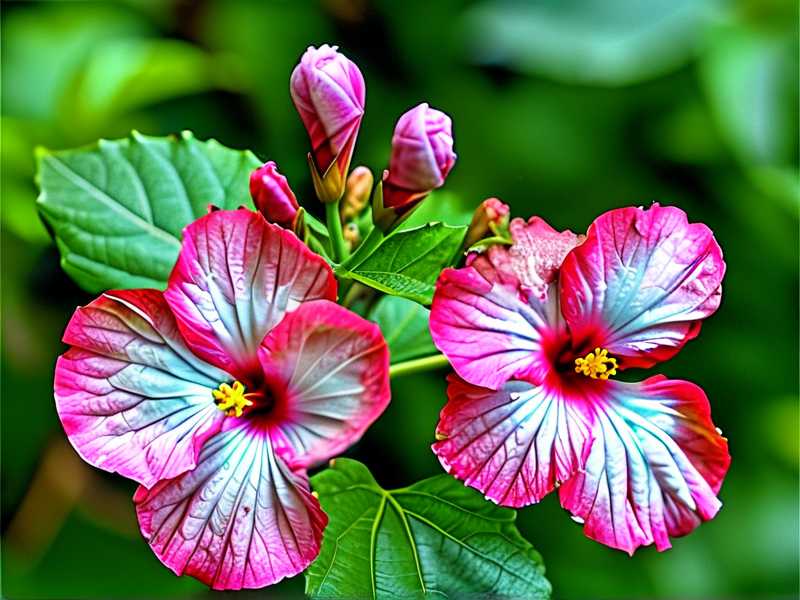
Seeing my hibiscus push out clean, green leaves and vibrant blooms after those worrying weeks was incredibly rewarding. The battle against hibiscus rust is winnable. Success hinges on a combined strategy: prompt action, meticulous sanitation, and the correct, consistent application of a treatment like sulfur fungicide. By understanding the fungus’s lifecycle, respecting the product’s instructions, and adjusting your care to prevent future outbreaks, you can restore your plant’s health. Remember, gardening is a process of learning. My misstep with the heat taught me to be a more observant and adaptable gardener. With patience and these focused steps, you can defeat the rust and enjoy your beautiful hibiscus for seasons to come.