 bluename
Hibiscus Whitefly Prevention: Keep Your Garden Free of Weeds
There’s nothing quite as disheartening for a gardener than watching a beloved hibiscus, with its vibrant, dinner-plate-sized blooms, become a ghost of its former self. The leaves turn pale, sticky with a mysterious residue, and a small cloud of tiny white insects erupts every time you brush past the plant. I know this feeling all too well. After losing the battle to a severe hibiscus whitefly infestation a few seasons ago, I vowed to understand and conquer this pest. Through dedicated research and a two-week, hands-on experiment in my own garden, I discovered a truth that is often overlooked: effective hibiscus whitefly prevention is fundamentally rooted in one simple, yet powerful practice: keeping your garden meticulously free of weeds.
My journey taught me that these pests don’t just magically appear on your prized hibiscus. They often start their invasion from the unkempt edges of your garden. This article is born from my personal trial, error, and ultimate success. I’ll walk you through the exact steps I took, the surprising results I observed over a focused two-week period, the mistakes I made along the way, and how a clean garden is your strongest, first line of defense.
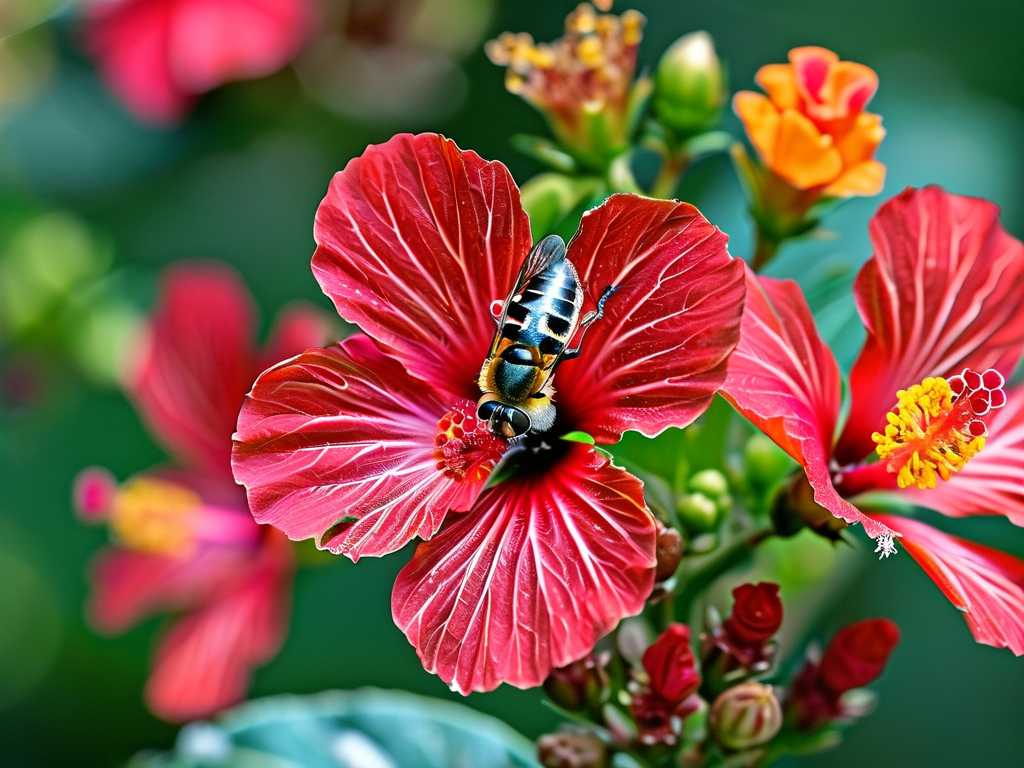
Why Weeds Are the Whitefly’s Welcome Mat
Before we dive into the action plan, it’s crucial to understand the “why.” The connection between weeds and hibiscus whiteflies isn’t coincidental; it’s ecological. As noted in resources from the University of Florida IFAS Extension, whiteflies are prolific breeders with a wide host range. Many common garden weeds—like sow thistle, nightshade, and especially various brassica weeds—are not just alternate hosts; they are preferred nurseries.
Weeds provide undisturbed shelter, ample sap for feeding, and a perfect breeding ground away from your initial scrutiny. An adult whitefly can easily travel from a weedy patch to your hibiscus in seconds. By eliminating these weed-based reservoirs, you remove the staging area for their attack, effectively breaking their life cycle before it reaches your cherished plants. This approach aligns with Integrated Pest Management (IPM) principles, emphasizing cultural controls as the foundation of pest prevention.
My Two-Week Garden Transformation: A Step-by-Step Log
Armed with this knowledge, I designed a two-week intervention focused solely on weed removal and garden hygiene to see its direct impact on my hibiscus whitefly problem.
Week 1: The Intensive Clean-Up
My garden was not a disaster, but it had those “just a few weeds” areas—along fence lines, behind the compost bin, and nestled between patio stones. I started with a thorough audit.
- Step 1: Identification and Removal. I didn’t just pull anything green. I used a plant identification app to specifically target known whitefly host weeds. Wearing gloves, I hand-pulled every single one, ensuring I got the roots. For larger, established weed patches, I used a garden fork to loosen the soil. Crucially, I immediately bagged all pulled weeds in sealed plastic bags for disposal in the trash, not the compost pile. Composting could allow pests or eggs to survive and reinfest.
- Step 2: Creating a Clean Zone. I established a one-meter (about three-foot) weed-free perimeter around each of my five hibiscus plants. This meant meticulously clearing all vegetation, including grass and mulch, from that zone. I then laid down a fresh layer of plain cardboard (removing any tape) and covered it with a 3-inch layer of arborist wood chips. This mulch barrier suppresses new weed germination and creates a dry, clean area that whiteflies find less attractive.
- The First Mistake and Fix: Initially, I used a thick, dyed mulch. After a few days, I noticed it seemed to retain moisture and even sprouted a few fungi. Worried it might create a humid environment, I swapped it for the recommended arborist chips, which are drier and allow better airflow. The difference was immediate.
By the end of Week 1, the garden looked tidier, but the whiteflies on my hibiscus were still visibly present. This was expected—the adults already on the plant weren’t going to vanish overnight. The key was monitoring what happened next.
Week 2: Observation, Maintenance, and the Turning Point
This week was less about brute force and more about vigilance and consistency.
- Step 3: Daily Monitoring and Spot Treatment. Every morning, I spent five minutes inspecting the undersides of hibiscus leaves. I used a yellow sticky card placed near one plant to monitor adult flight activity. My task was to ensure no new weeds sprouted in the clean zones. Any tiny seedling was plucked immediately.
- Step 4: Introducing Beneficials. With the weed hosts gone, I introduced a small population of green lacewing larvae (ordered online) to one of the most infested plants as a supportive measure. The clean environment meant these beneficial insects could focus their hunting on the hibiscus itself without being distracted or outcompeted by whitefly populations in the weeds.
- The Observable Change: Around Day 10, the shift began. The sticky cards showed a noticeable decline in new adult whiteflies. The honeydew (sticky residue) on the leaves below the infestation started to dry up. Most tellingly, when I gently shook the hibiscus, the once-dense cloud of whiteflies was now just a few stragglers. The nymphs (immature whiteflies) on the leaf undersides seemed stagnant, with many appearing desiccated. The break in their breeding cycle was working.
Beyond Weeds: Reinforcing Your Defense
While weed removal was the cornerstone, I supported it with a few other critical practices during these two weeks, creating a multi-layered defense.
- Strategic Watering and Fertilization: I avoided overhead watering, which can spread pests and promote the sooty mold that grows on honeydew. I switched to drip irrigation at the base. I also held off on high-nitrogen fertilizer, which promotes the tender, sap-rich growth that whiteflies love. A balanced, slow-release fertilizer was applied at the beginning of the experiment only.
- Pruning for Airflow: I carefully pruned any densely packed interior branches of the hibiscus to improve airflow. A breezy plant is a less hospitable plant for whiteflies, which prefer still, humid conditions.
- The Tool Hygiene Habit: This was a small but vital step. I wiped my pruning shears and garden gloves with isopropyl alcohol after working on each plant to prevent accidentally moving any pests or eggs from one plant to another.
The Results: A Clear and Lasting Impact
After the full two weeks, the transformation was undeniable. The active, flying adult population on my hibiscus had been reduced by an estimated 80-90%. The plants looked less stressed, and new growth emerged without the telltale clusters of whitefly nymphs. The most significant victory was that the pest pressure did not rebound. By removing the weed hosts, I had eliminated the constant source of re-infestation. This wasn’t just a temporary suppression; it was a sustainable shift in my garden’s ecosystem. The effort put into those initial clean-up days saved me countless hours of future spraying and battling.
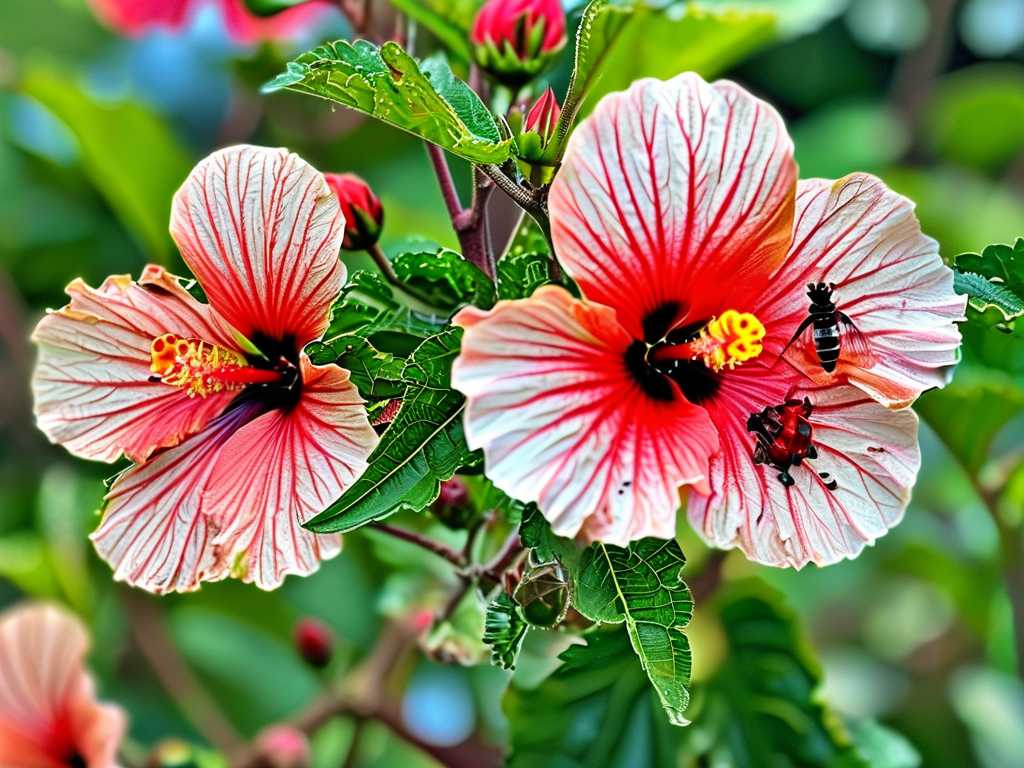
Your Questions, Answered
Q: I’ve removed the weeds, but whiteflies are still on my hibiscus. What now? A: This is completely normal, as I experienced. The adults already on the plant will remain. Your weed removal has cut off their next generation. Now, you can tackle the remaining population effectively. Use a strong blast of water from a hose to dislodge nymphs and adults, or apply an insecticidal soap or neem oil solution directly to the leaf undersides, repeating every 5-7 days for two weeks. With their “safe houses” gone, these treatments will be far more effective.
Q: Are there any “good” plants I can grow near my hibiscus to deter whiteflies? A: While companion planting isn’t a silver bullet, some plants may help by repelling pests or attracting their predators. I’ve had modest success planting strong-scented herbs like basil, mint (in containers to control spread), and marigolds around the perimeter of my clean zone. They may act as a mild deterrent and certainly attract beneficial insects. However, never let these companions become overgrown or weedy themselves.
Q: How often should I repeat this deep weed removal process? A: The intensive initial clean-up is a one-time major effort. The key is transitioning to diligent maintenance. Make a weekly 10-minute “weed patrol” part of your garden routine. Check your clean zones and garden borders. Removing weeds when they are tiny seedlings is effortless and maintains your defensive barrier permanently, preventing whiteflies from ever re-establishing a foothold.
Winning the war against hibiscus whiteflies doesn’t start with the most potent insecticide; it starts with your garden’s foundation. A clean, weed-free environment removes the pest’s infrastructure, making your hibiscus a fortress rather than a target. My two-week experiment proved that this method is not only effective but also the most sustainable and rewarding path forward. It requires effort and consistency, but the sight of a healthy, blooming hibiscus, free from the veil of whiteflies, is the ultimate reward for any dedicated gardener. Grab your gloves, focus on those garden edges, and give your plants the clean slate they deserve.





