bluename
Control Mealybugs on Hibiscus: Systemic Granules for Long-Term Care
I’ve been there. You walk up to your beloved hibiscus, eager to admire its latest bloom, only to find a scene that makes your heart sink. Clustered in the leaf axils, along the stems, and even on the precious buds is that familiar, fluffy white menace—mealybugs. You’ve tried spraying them off with water, dabbing them with alcohol-soaked cotton swabs, and maybe even a horticultural oil or two. It works… for a week. Then they’re back, often with reinforcements. The cycle of frustration is real. If you’re tired of playing a losing game of whack-a-mole with these sap-sucking pests, I want to share my journey with a different, more strategic approach: using systemic insecticide granules for long-term hibiscus care.
My quest for a lasting solution led me to systemic granules, a method praised for its durability and ease. This article is my firsthand account of using them, detailing every step, the two-week observation period that convinced me, the mistakes I made along the way, and how I fixed them. We’ll explore how this method provides long-lasting mealybug protection and why it can be a cornerstone of effective pest management for hibiscus plants.
Understanding the Enemy: Why Mealybugs Are So Tenacious
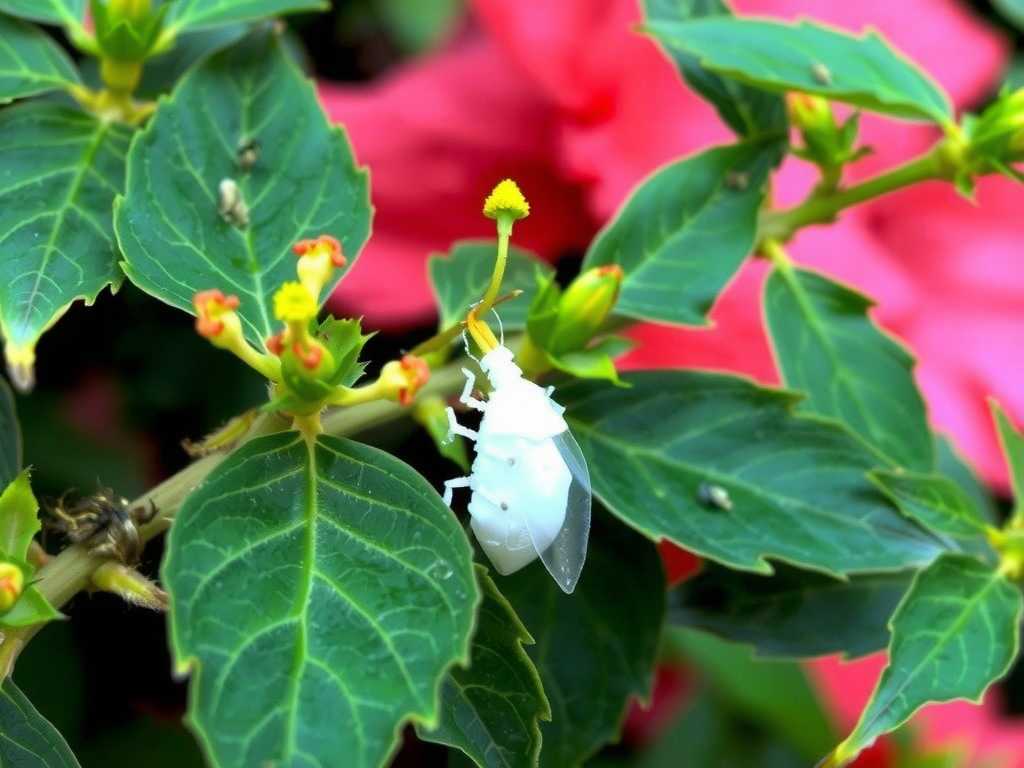
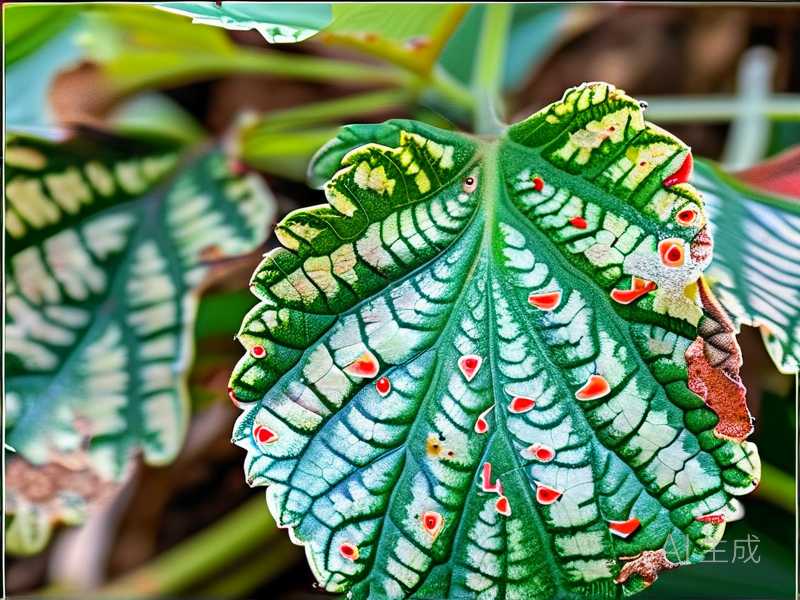
Before we get to the solution, it’s crucial to know what we’re up against. Mealybugs are more than just cottony bumps. They are piercing-sucking insects that feed directly on the plant’s vital sap, weakening it, causing leaf yellowing (chlorosis), stunted growth, and leaf drop. They also excrete honeydew, a sticky substance that leads to sooty mold, further hampering photosynthesis.
The real challenge is their lifecycle and hiding spots. Females can lay hundreds of eggs in that protective waxy fluff. New crawlers quickly find secluded spots to settle—places sprays often can’t reach. According to authority sources like the American Horticultural Society (AHS), effective control must address both visible adults and the next generation. This is where contact sprays often fall short, but systemics shine.
Why I Chose Systemic Granules for My Hibiscus
After the frustration of repetitive spraying, I researched systemic treatments. A systemic insecticide is absorbed by the plant’s roots and transported throughout its vascular system. When a pest like a mealybug pierces the plant to feed, it ingests the insecticide and is controlled from the inside out.
The granule form, specifically, offered compelling advantages for a container-grown hibiscus enthusiast like me:
- Long-Lasting Protection: A single application can protect for 6-8 weeks, breaking the pest lifecycle.
- Thorough Coverage: It protects every part of the plant, even new growth that emerges after application, and reaches pests hiding in crevices.
- Weather Resistance: Unlike sprays, it isn’t washed away by rain or irrigation.
- Ease of Use: No mixing sprays, no worrying about drift, or applying in perfect weather.
The Royal Horticultural Society (RHS) notes in its pest management guidance that systemics can be valuable for controlling sap-feeding pests in situations where repeat infestations are a problem. This matched my experience perfectly.
My Step-by-Step Application Process and Two-Week Log
I selected a systemic insecticide granule containing imidacloprid, a common active ingredient labeled for use on ornamental plants like hibiscus and effective against sucking pests. Safety first: I wore gloves and followed all label instructions meticulously regarding dosage and application frequency.
Step 1: Preparation and Diagnosis I moved my hibiscus to a well-ventilated area on my patio. I gave it a thorough inspection, noting all major mealybug infestations. I used a damp cloth to gently wipe away as many of the visible adults and egg masses as I could. This initial physical removal, as recommended by AHS best practices, reduces the initial pest load and allows the systemic to focus on the hidden crawlers and eggs I missed.
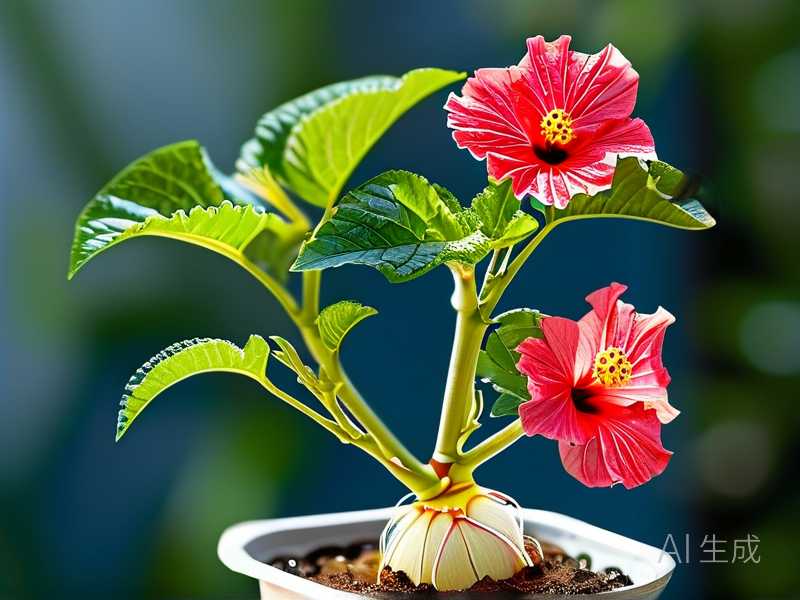
Step 2: Application of the Granules The label specified the amount based on pot diameter. I carefully measured the granules using a dedicated scoop. I lightly scratched the top inch of the soil to create a shallow trench around the plant’s base, away from the main stem. I evenly distributed the granules into this trench and then gently covered them with soil. This helps prevent exposure to pets or beneficial insects on the surface.
Step 3: Deep Watering This is the critical step that activates the treatment. I watered the plant deeply until water ran freely from the drainage holes. This dissolves the granules and carries the insecticide down to the root zone where it is absorbed.
The Two-Week Observation: A Diary of Transformation
- Days 1-3: No dramatic visible change. The remaining mealybugs were still present and active. This is normal—systemics take time to be absorbed and distributed.
- Days 4-7: I started noticing a change. The mealybugs appeared less active. Their fluffy white bodies began to look desiccated and shriveled. No new crawlers seemed to be appearing in previously clean areas.
- Days 8-14: This was the convincing period. By day 10, almost all original mealybugs were brown, dry, and lifeless. They fell off easily with a gentle touch or a spray of water. Most importantly, I inspected daily and saw zero evidence of new infestations. The new leaves that began to unfurl were completely clean and healthy. The plant’s overall demeanor seemed to improve; it stopped dropping buds and the existing leaves looked greener.
The Pitfalls I Encountered (And How I Solved Them)
My process wasn’t flawless. I made a classic beginner’s mistake.
- The Pitfall: On one plant, I was over-enthusiastic with my initial physical removal and slightly damaged a tender stem. More critically, I didn’t water deeply enough after applying the granules. A week later, I saw a few lingering, active mealybugs.
- The Solution: I realized the shallow watering hadn’t fully activated the systemic. I performed a very slow, deep soak, allowing water to permeate the entire root ball. Within a few days of this corrective watering, those last holdouts were gone. The lesson was clear: deep, thorough watering is non-negotiable for the systemic to work properly.
Integrating Systemic Granules into a Holistic Care Plan
Systemic granules are a powerful tool, but they are not magic. For sustainable hibiscus pest control, I use them as part of a broader strategy:
- Prevention: I now quarantine new plants for a few weeks before introducing them to my collection. I inspect my hibiscus regularly, especially under leaves and in buds.
- Plant Health: A stressed plant is a magnet for pests. I ensure my hibiscus gets adequate sunlight, proper fertilization (without overdoing nitrogen, which promotes soft, sappy growth attractive to pests), and consistent watering.
- Beneficial Insects: I avoid using broad-spectrum sprays that harm beneficials. Since systemic granules are applied to the soil, they pose less risk to pollinators visiting the flowers, but I always apply them after the main flowering flush and am mindful of the label’s environmental precautions.
Addressing Common Concerns
Is this method safe for my hibiscus? When used exactly according to the product label—correct dosage, frequency, and application method—systemic granules are safe for the plant. The insecticide is designed to be transported in the plant’s sap at levels toxic to pests but not to the plant itself. Over-application is the main risk, so precise measurement is key.
How often can I apply systemic granules? This is critical. The label is law. Most products specify an application interval, often every 6-8 weeks. Do not apply more frequently than directed. I use them as a foundational, long-term pest control measure at the start of the growing season or at the first sign of a serious infestation, not as a monthly routine.
Will it also control other pests? Yes, most systemic granules labeled for mealybugs are also effective against other common hibiscus pests like aphids, whiteflies, and scale. The product label will list all the target pests. This broad-spectrum activity (within the sucking/chewing insect group) is part of what makes it such an efficient solution for hibiscus insect problems.
My battle with mealybugs taught me that persistence is better than panic. Systemic granules provided the sustained defense my hibiscus needed to recover and thrive, breaking a cycle of infestation that felt endless. By combining this powerful tool with proactive monitoring and good cultural care, you can reclaim your hibiscus from pests and enjoy its spectacular blooms all season long. The peace of mind that comes from knowing your plant is protected from the inside out is, for any plant lover, truly priceless.