bluename
How to Treat Hibiscus Leaf Miner: My 2-Week Battle Plan with Neem Oil Foliar Spray
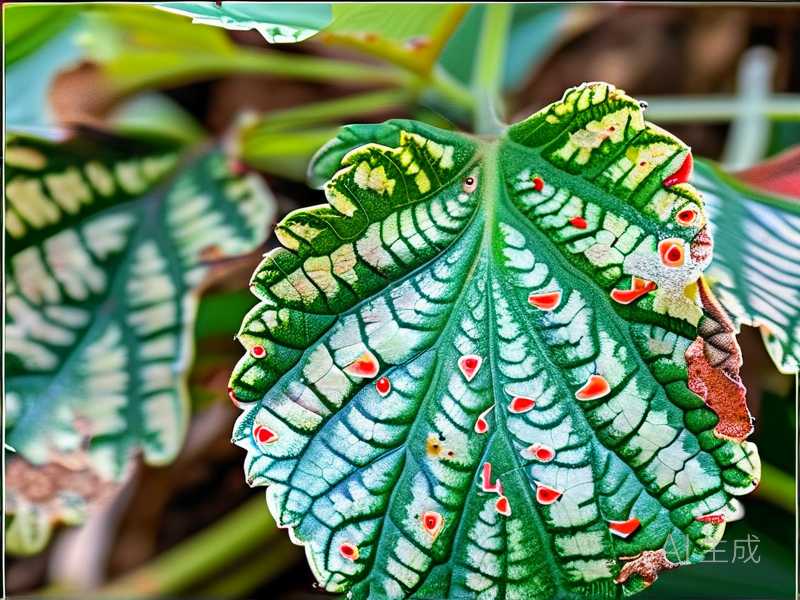
There’s a special kind of frustration that comes from watching your beloved hibiscus leaves turn into a mess of winding, white tunnels. You’ve nurtured the plant, given it sun and water, only for its lush green canvas to be defaced by an invisible pest. I know this feeling intimately. For weeks, I watched the leaf miner damage spread, feeling helpless until I committed to a targeted solution: a neem oil foliar spray. This is not just a theoretical guide; it’s my personal, hands-on account of diagnosing the problem, executing a precise treatment plan over two weeks, navigating the pitfalls, and ultimately reclaiming the health of my hibiscus. If you’re staring at those serpentine trails and wondering how to effectively treat hibiscus leaf miner, join me as I walk you through the exact process that worked.
Understanding Your Enemy: The Hibiscus Leaf Miner
Before you can win a war, you need to know your enemy. The term “leaf miner” refers to the larval stage of several insects, including moths, flies, and beetles. The adult lays eggs on the leaf surface, and the tiny larvae that hatch burrow inside, feeding on the inner tissue. They create those characteristic meandering lines or blotches, safely protected from many surface-level pesticides.
The damage is more than cosmetic. By mining through the leaf, they severely reduce the plant’s ability to photosynthesize. This weakens the entire hibiscus, stunts growth, and reduces flowering. According to resources from the American Horticultural Society (AHS), severe infestations can lead to premature leaf drop, leaving the plant vulnerable to other stresses.
Why I Chose Neem Oil as My Primary Treatment
In my search for a solution, I wanted something effective yet gentle on the broader garden ecosystem. Chemical systemic pesticides can work but often come with collateral damage to beneficial insects. That’s where neem oil spray for leaf miners presented itself as the ideal organic alternative.
Neem oil, derived from the seeds of the neem tree (Azadirachta indica), is a multifaceted organic pesticide. Its key component, azadirachtin, acts as an antifeedant and growth disruptor. For leaf miners, the beauty of a foliar spray with neem oil is its dual action. When sprayed thoroughly, it can deter the adult flies from laying eggs on the leaf surface. More importantly, as a systemic agent in some formulations, it can be absorbed by the plant. When the larvae inside the leaf ingest the treated tissue, their hormonal systems are disrupted, halting their development.
The Royal Horticultural Society (RHS) notes neem oil’s effectiveness against a range of sap-sucking and leaf-mining pests, validating its place in an integrated pest management strategy. It was this combination of efficacy, safety for pollinators when applied correctly (at dusk or dawn), and organic origin that convinced me to make it the cornerstone of my treatment plan.
My Step-by-Step, 2-Week Neem Oil Treatment Protocol
Here is the exact regimen I followed, born from both research and hard-learned experience.
Week 1: The Initial Assault and Setup
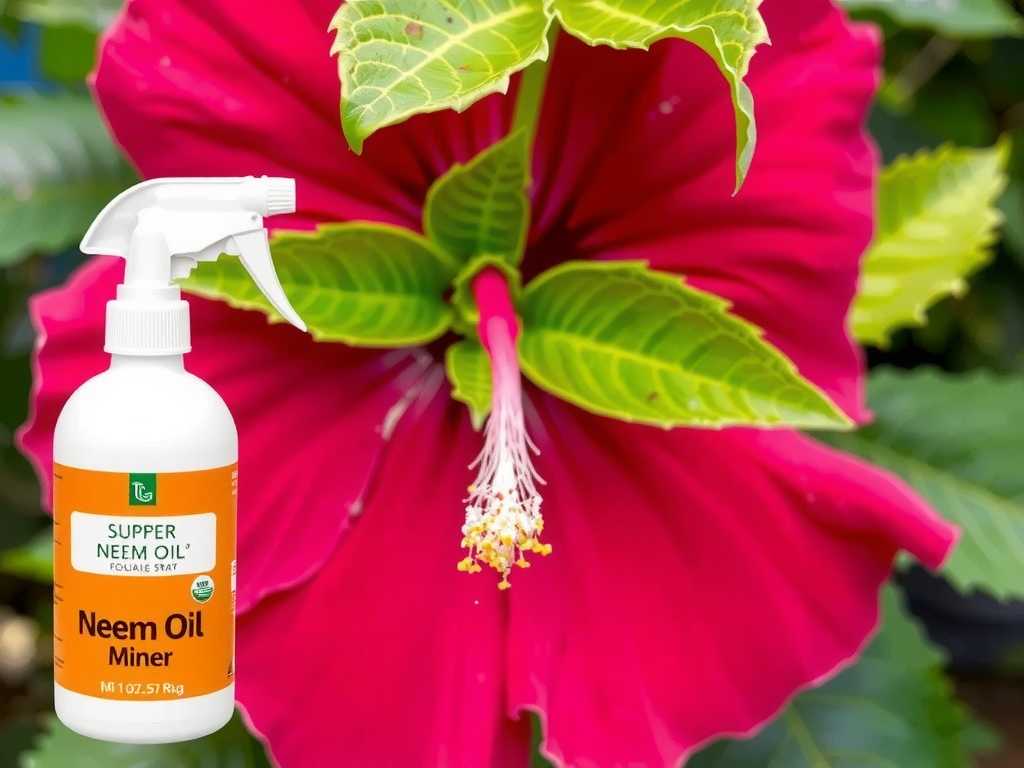
Day 1: Inspection and Preparation I started with a thorough inspection. I examined every leaf of my hibiscus, noting the most damaged ones. I decided to remove and bag any leaves that were over 50% covered in tunnels—these were a lost cause and housed active larvae. This immediate pruning reduced the pest load significantly. I then prepared my neem oil spray. I used a cold-pressed, 100% pure neem oil. My mixture recipe was:
- 1 gallon of warm water (warmth helps emulsify the oil)
- 1 teaspoon of pure neem oil
- 1/3 teaspoon of a mild liquid soap (like castile soap) as an emulsifier The soap is crucial—it breaks the oil into tiny droplets that mix with water, preventing it from just floating on top. I mixed everything in a garden sprayer, shaking it vigorously to create a stable emulsion.
Day 1: The First Application Application is everything. I waited until late evening, when the sun was low and temperatures were cooler. This prevents potential leaf burn and protects foraging bees, which are typically not active at this time. I sprayed every inch of the plant—the tops and bottoms of all leaves, stems, and even the soil surface lightly. The goal is to coat the surfaces where adults might land. The plant was dripping wet, a sign I had covered it thoroughly.
Days 2-3: Observation No dramatic changes yet, but that was expected. The existing tunnels remained, but I was watching for new ones to appear.
Day 4: The Second Application Consistency is key. I repeated the exact mixing and late-evening spraying process. The life cycle of the pest means new adults can emerge continuously, so a single spray is rarely enough.
Weekend (Day 6-7): Check-In By the end of the first week, I noticed that the damage from leaf miners on new, emerging leaves seemed to have slowed. However, a few older leaves showed slight yellowing at the edges—my first “pitfall.”
The Pitfall and Solution: Leaf Burn and Adjustment The mild leaf yellowing was a classic sign of potential phytotoxicity, often caused by the soap or oil concentration in strong sun. I realized my “mild” soap might have been too harsh, and the previous day had been unexpectedly sunny. My solution: I immediately changed my emulsifier to a dedicated insecticidal soap, which is formulated for this purpose. I also made sure to rinse the plant lightly with plain water the morning after my next spray to dilute any residual soap. This stopped the yellowing in its tracks.
Week 2: Persistence and Victory
Day 8: Third Application With my new, gentler soap, I applied the third spray. My confidence was growing. The plant looked overall healthier, and the frantic mining activity had visibly ceased.
Days 9-12: Vigilant Monitoring I inspected daily. The old tunnels were browning and drying up, a sign the larvae inside had died. Most importantly, new hibiscus leaves were unfurling clean, vibrant, and completely free of the tell-tale white trails. This was the clearest indicator of success.
Day 14: Final Assessment and Preventative Plan After two weeks and three thorough applications, the infestation was under control. No new damage had appeared for over a week. I gave the plant a light feed with a balanced fertilizer to support its recovery from the stress of both the pests and the treatment.
My preventative plan now includes a biweekly neem oil spray at a slightly weaker dilution (1/2 tsp per gallon) as a deterrent, especially during the warm, humid months when pests are most active.

Ensuring Your Success: Pro Tips and Best Practices
- Emulsify, Don’t Just Mix: Shake your sprayer constantly during application. Neem oil separates quickly, and shaking ensures an even, effective spray.
- Cover Every Surface: The adults lay eggs on the undersides of leaves. Missing these spots is inviting failure.
- Timing is Everything: Always spray in the early morning or late evening.
- Test First: If you’re worried, spray a small, inconspicuous part of the plant and wait 48 hours for any adverse reaction.
- Patience is a Virtue: The existing tunnels will not disappear. Your success metric is the absence of new damage.
Addressing Your Concerns: Common Questions Answered
Can neem oil kill leaf miners already inside the leaf? Yes, but it works systemically. The azadirachtin in neem oil is absorbed by the leaf tissue. When the hidden larvae feed on this treated tissue, it disrupts their life cycle, preventing them from maturing and causing further damage. It doesn’t kill them instantly like a contact poison would, but it stops the infestation’s progression.
How often should I spray my hibiscus for leaf miners? For an active infestation, follow a schedule like mine: spray every 3-4 days for 2-3 applications to break the breeding cycle. For prevention, a bi-weekly or monthly spray during the growing season is highly effective. Always stop if you see signs of stress and adjust your formula.
Are there other methods I should use with neem oil? Absolutely. Neem oil is most powerful in an integrated approach. I combined it with:
- Manual Removal: Pinching off heavily infested leaves at the start.
- Yellow Sticky Traps: Placing these near the plant catches the adult flies, providing monitoring and minor control.
- Encouraging Beneficials: Plants like dill and yarrow attract parasitic wasps, which are natural predators of leaf miner larvae.
Seeing those first clean, unblemished leaves emerge was incredibly rewarding. Treating hibiscus leaf miner with neem oil foliar spray requires diligence, the right technique, and a little patience, but it is a profoundly effective and environmentally sound strategy. By understanding the pest, committing to a consistent treatment schedule over a critical period like two weeks, and being observant enough to adjust course as I did with the soap, you can save your hibiscus. Your plant will thank you with a return to vibrant, healthy growth and, soon enough, those stunning blooms that make all the effort worthwhile.