 bluename
How to Get Rid of Thrips on Hibiscus: Pyrethrin Spray for Organic Gardens
I remember the heart-sinking moment I first noticed my prized hibiscus. The vibrant blooms were marred by silvery streaks and tiny black specks. Buds were deformed, refusing to open fully. A closer look revealed slender, fast-moving insects—thrips. My organic garden sanctuary was under siege. If you’re facing this same frustration, watching these sap-sucking pests disfigure your hibiscus, you’ve come to the right place. After extensive trial, error, and research, I found a highly effective organic solution: pyrethrin spray. This guide will walk you through my exact, proven process for using pyrethrin to reclaim your hibiscus, sharing every step, observation, and lesson learned from a real two-week battle in my garden.
Understanding Your Enemy: The Hibiscus Thrip
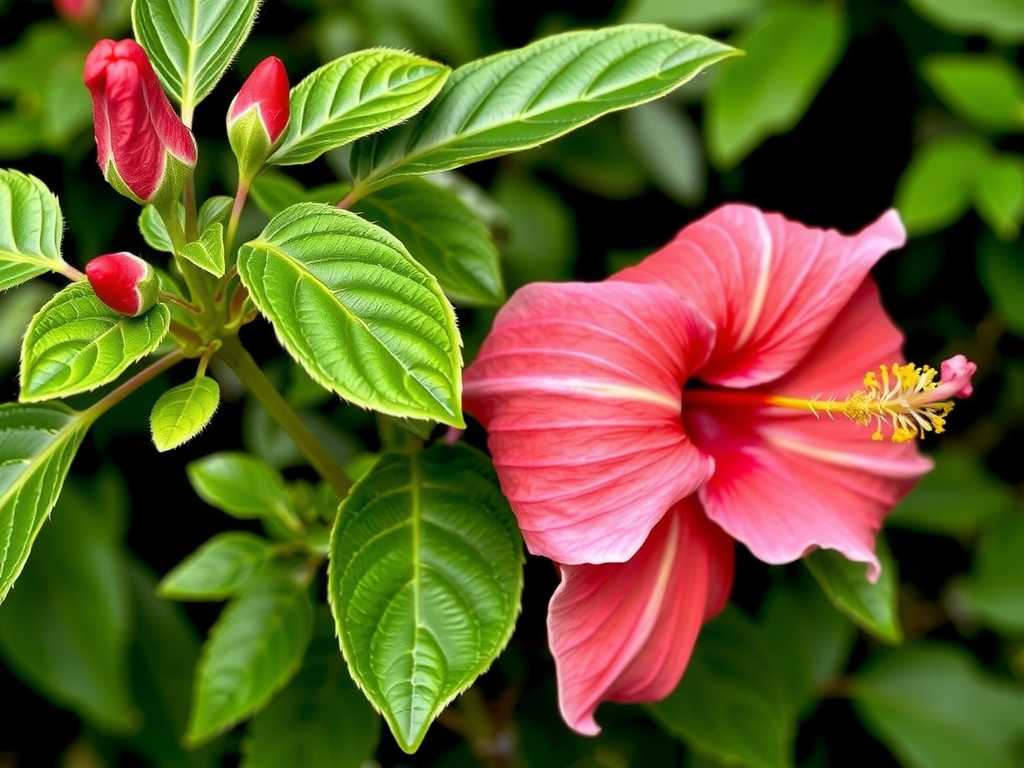
Before declaring war, you must know your enemy. Thrips are minuscule, winged insects that rasp plant tissue and suck out the sap. On hibiscus, they love to hide within buds and on the undersides of leaves, causing stippling, silvering, and distorted growth. Their lifecycle is rapid, which is why a single spray is never enough. According to authoritative sources like the RHS (Royal Horticultural Society), consistent monitoring and targeted intervention are key for control in an organic setting. Ignoring them can lead to stunted plants and a complete loss of those spectacular flowers.
Why I Chose Pyrethrin for My Organic Garden
In my quest for an organic solution, I evaluated many options. Neem oil was slow, insecticidal soaps required perfect coverage, and beneficial insects took time to establish. I needed something effective yet compliant with my organic principles. Pyrethrin, derived from chrysanthemum flowers, fit the bill. It’s a contact insecticide that rapidly knocks down pests but breaks down quickly in sunlight, minimizing environmental impact. Crucially, it’s approved for use in organic gardening by organizations like the OMRI (Organic Materials Review Institute). It was my weapon of choice for this targeted rescue mission.
My Step-by-Step Battle Plan with Pyrethrin Spray
This wasn’t a haphazard spray job. I developed a meticulous plan based on the product’s nature and the thrips’ biology.
Gathering the Right Arsenal
I selected a commercial, OMRI-listed pyrethrin spray concentrate. I also gathered a dedicated pump sprayer with a fine mist nozzle, protective gloves, goggles, and a notebook for logging my observations. Preparing a pyrethrin-based insecticide correctly is half the battle. I mixed it precisely according to the label instructions—never stronger. Over-concentration can harm beneficial insects and is unnecessary.
The Application: Timing and Technique Are Everything
I chose a calm, cloudy evening for the first application. Spraying at dusk prevents rapid UV degradation and avoids harming daytime pollinators like bees, which are not active then. This aligns with best practices highlighted by the AHSA (American Horticultural Society Alliance) for responsible pesticide use. I thoroughly drenched every part of the hibiscus, paying obsessive attention to the undersides of leaves and carefully spraying around buds. Complete coverage is non-negotiable, as pyrethrin must contact the pest directly.
The Critical Follow-Up: Breaking the Lifecycle
Here’s where many gardeners fail. Pyrethrin degrades fast and doesn’t affect eggs. I knew one spray wouldn’t end the infestation. My plan was to reapply every 4 to 5 days for two weeks. This schedule is designed to intercept newly hatched nymphs before they mature and lay more eggs. Consistency is the cornerstone of success with this organic insecticide.
My Two-Week Observation Log: The Good, The Bad, and The Lessons
This is the real, unfiltered account of what happened.
Days 1-3: Immediate Knockdown
Within hours of the first spray, I saw a significant reduction in adult thrip activity. The visible, crawling insects were gone. The leaves already damaged showed no recovery (they won’t), but the assault had clearly been halted. I felt a surge of optimism.
Days 4-5: The First Reapplication and a Warning Sign
Before my second spray, I inspected closely. A few tiny, pale nymphs were visible. Right on schedule, a new generation was emerging. I performed the second application with the same thoroughness. However, I noticed a slight yellowing on the edges of a few older leaves—my first “pitfall.”
- Pitfall & Solution: I had likely sprayed during a warmer part of the day than intended on my first round, or the mixture was slightly too strong for my sensitive hibiscus cultivar. I immediately ensured all subsequent sprays were done in cooler evening temps and double-checked my dilution ratios. I also made sure the plant was well-watered beforehand to reduce stress.
Days 6-10: Gaining the Upper Hand
After the third application, finding any life stage of thrips became a challenge. New foliage was emerging clean, without the characteristic silver stippling. The existing buds, though some were scarred, began to plump up and show color. The plant’s overall energy seemed to be shifting from defense back to growth.
Days 11-14: Victory and Vigilance
My final scheduled spray was more of a precaution. A meticulous inspection revealed no thrips. The newest leaves were pristine and glossy. A previously stalled bud finally opened into a beautiful, if slightly imperfect, flower. The infestation was declared over. I continued weekly monitoring, as vigilance is permanent in organic gardening.
Essential Tips to Maximize Success and Avoid My Mistakes
- Test First: Always spray a small, inconspicuous part of the plant and wait 48 hours to check for phytotoxicity.
- Environment is Key: Never spray in full sun, high heat, or when the plant is drought-stressed. Always water deeply a day before.
- Protect the Good Guys: Pyrethrin is broad-spectrum but short-lived. Spraying at dusk minimizes risk to bees and other beneficials. I later introduced lacewing larvae as a biological reinforcement once the pyrethrin regimen ended.
- Sanitation: During the process, I regularly picked up and disposed of fallen leaves and petals to remove any hiding pests.
Integrating Pyrethrin into a Holistic Plant Health Strategy
Pyrethrin is a powerful tool, not a cure-all. A healthy hibiscus is more resistant. After clearing the thrips, I focused on building plant health: a balanced organic fertilizer, consistent watering, and ensuring plenty of sunlight. A strong plant is your first and best defense against future thrip infestations on hibiscus plants.
Frequently Asked Questions
Is pyrethrin truly safe for my organic garden? Yes, when used responsibly. Pyrethrins are derived from botanical sources and break down rapidly. Their organic certification (look for OMRI listing) and short residual activity make them a preferred choice for organic growers over synthetic, long-lasting pesticides. The key is targeted use, not blanket spraying.
Will pyrethrin spray harm my hibiscus plant? It can, if misused. Leaf burn or yellowing (phytotoxicity) can occur if sprayed in hot sunlight, if the concentration is too high, or if the plant is under stress. This is why following label instructions exactly, performing a test spray, and applying during cool, calm evenings are critical steps I now never skip.
How long does it take to see results, and is one treatment enough? You will see a dramatic reduction in adult thrips within hours. However, to see lasting control and break the pest lifecycle, a multi-application strategy is essential. My two-week, multi-spray protocol was necessary to eliminate successive hatches. A single application will only provide a temporary knockdown.
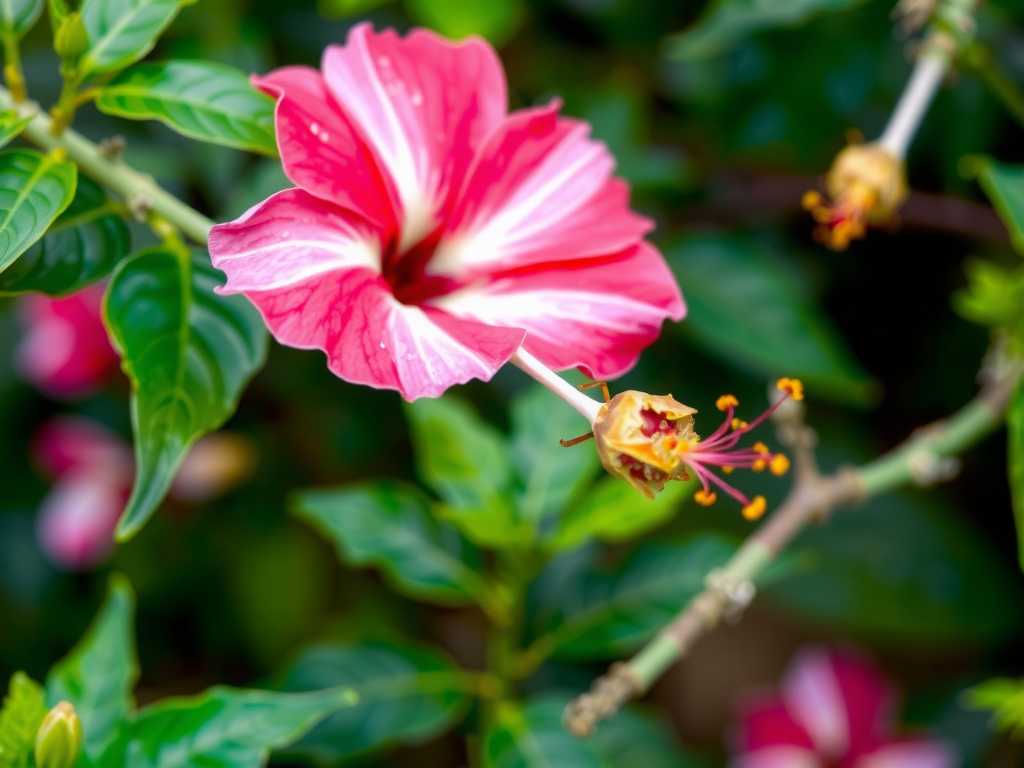
Seeing that first clean, new leaf unfurl after the battle was immensely rewarding. Using pyrethrin spray for thrip control allowed me to act swiftly and effectively while staying true to my organic gardening ethics. It required patience, precise execution, and careful observation. Remember, the goal is management, not perfection. With this detailed plan, you can rescue your hibiscus, enjoy those magnificent blooms again, and gain the confidence to handle one of gardening’s most frustrating pests organically. Your healthy, flowering hibiscus will be the best proof of your success.





