 bluename
Why Your Hibiscus Shoots Are Dying After Heavy Rain
If your hibiscus looked fine before a storm and now the new shoots are black, soft, or collapsed, you are probably dealing with soil‑borne stem rot triggered by heavy rain. The fix starts with stopping all watering, cutting away every mushy stem into clean tissue, improving airflow fast, and if the base is soft, unpotting the plant the same day. I have lost two hibiscus to this exact pattern. One I saved. One I did not. The difference came down to how fast I removed wet soil from the root zone and how hard I pruned.
A healthy hibiscus can shrug off one heavy downpour. The problem starts when rain keeps the soil saturated for days. Warm wet soil wakes up fungal pathogens that already live in ordinary garden soil. They enter through small cracks at the soil line, through old leaf scars, or through roots damaged by standing water. Once inside, they clog the stem. New shoots are the first to collapse because they are soft and full of water. By the time you see black tips, the rot is usually moving downward.
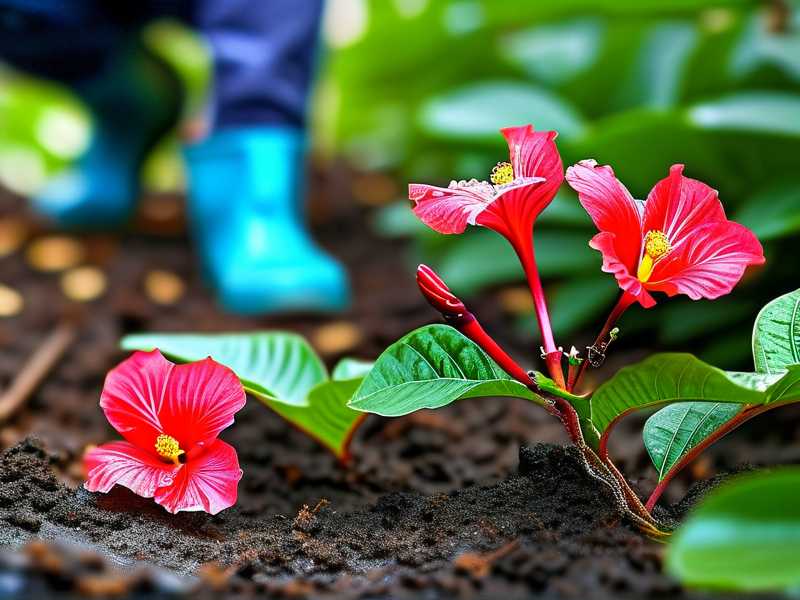
I know how fast this happens because I once left a potted hibiscus in a saucer full of rainwater for four days. On day one it looked fine. On day three the newest leaves wilted in full sun. On day four two shoots bent over like wet string. When I cut one open, the inside was brown and slimy halfway down the stem. That was soil‑borne stem rot. No amount of fertilizer or sun was going to fix it.
How to Fix Hibiscus Shoot Die‑Off After Heavy Rain Triggers Soil‑Borne Stem Rot
The first thing I do now is get the plant out of the wet zone. If it is in a pot, I tip the pot sideways and let the excess water drain. I remove the saucer completely. Then I move the plant under cover so no more rain hits the soil. Direct sun on a stressed root system can make things worse in the first 24 hours, so I use bright shade or a covered porch.
Next I start cutting. I use pruners sterilized with rubbing alcohol between every single cut. You do not want to carry the rot from one stem to the next. I cut every black, brown, soft, or collapsed shoot down to healthy wood. Healthy hibiscus wood is green just under the bark and firm. If I see any brown streaking in the center, I keep cutting lower. Sometimes this means cutting a main branch back hard. That is fine. Hibiscus heal better from hard pruning than from rot.
Then I check the soil line. If the stem feels soft right at the base, surface treatment will not save the plant. It has to be unpotted. I slide the root ball out and look at the roots. Healthy roots are cream or tan. Rotted roots are brown, gray, or black and they fall apart when I touch them. I trim every rotted root and any blackened stem base with a clean blade. Then I wash the remaining roots with plain water and repot into fresh, fast‑draining mix.
The mix matters more than most people think. For hibiscus I use roughly half quality potting mix, a quarter perlite, and a quarter fine pine bark or orchid bark. This drains fast but still holds enough moisture for a hot day. I never reuse soil from a plant that had rot. Never. That old mix is full of the same pathogens that caused the problem.
For the first two weeks I keep the soil barely moist, not wet. I only water when the top two inches are dry to the touch. I also prune off about a third of the remaining leaves. Fewer leaves means less water demand while the damaged roots recover. That one step saved my second hibiscus. It looked rough for a few days, then pushed out new buds from old wood.
Heavy Rain and Soil‑Borne Stem Rot: What Is Actually Happening
Heavy rain does not directly kill hibiscus shoots. The rain creates the conditions that allow soil‑borne fungi to attack. In my garden the usual suspects are Phytophthora and Pythium, which are water molds, plus Fusarium and Rhizoctonia. You do not need a lab test to treat the problem. You need to stop the wet conditions and cut out the infected tissue.
I remember reading guidance from the RHS about root and stem rots in wet seasons. They emphasize that once rot enters the stem, chemical controls are rarely curative. The practical move is cultural: improve drainage, avoid overwatering, remove infected plants. That matched what I was seeing at home. You can save the plant if the rot is only in a few shoots. You cannot save it if the whole crown is soft.
90% of indoor plants die from overwatering.
That number gets repeated a lot, but in this situation it underlines the real problem. Rain is just overwatering you cannot control. The same mechanism applies. Saturated soil pushes oxygen out. Roots suffocate. Tiny wounds let pathogens in. Then the roots die and the shoot tips are the first visible casualty.
Signs I Watch for in the First 48 Hours After Rain
After a heavy storm I now walk through my plants and look for the early warning signs. The newest growth is always the first place to show trouble. If those tips are drooping even though the soil is wet, something is wrong with the roots or stems. If the drooping does not improve at night, the problem is serious.
I also check for water sitting in the pot saucer or on the soil surface. If the soil is still glistening a day after the rain, the drainage is not fast enough. Another sign is a sour smell near the soil line. I learned to trust my nose. Rotten roots and stems have a distinct swampy odor. And I check the base of each main stem. If there is any softness, or if the bark slips when I rub it, the rot has already moved into the crown.
What I Do Different After Losing My First Hibiscus
My first hibiscus died from this exact problem. It was in a decorative ceramic pot with one small drain hole. The soil was heavy bagged garden soil, not a container mix. A July thunderstorm dumped three inches of rain while I was away for a weekend. When I came home, every shoot was black at the tip and the main trunk was soft two inches above the soil. The inside was brown and smelled foul. There was nothing left to save.
I kept that plant anyway for a week, hoping it would bounce back. That was the mistake. I did not cut, did not repot, just moved it to sun and waited. The rot spread through every stem. By day seven the entire plant collapsed. I learned that waiting is the worst thing you can do with stem rot. You are not giving the plant time to heal. You are giving the fungus time to spread.
Now I act the same day I see symptoms. I cut lower than I think I need to. I repot if the soil is heavy or the base is soft. I put the plant somewhere warm and bright but out of direct afternoon sun. Then I wait. Not passively. I check every day for the first two weeks.
Day‑by‑Day Recovery Timeline From My Last Case
I kept a simple journal the last time I saved a hibiscus from post‑rain stem rot. Here is what the first two weeks looked like.
Day 0: Heavy rain all night. Discovered three soft shoot tips and one blackened stem tip in a potted hibiscus. Removed saucer. Tilted pot. Moved under cover.
Day 1: Cut two stems down to firm green wood. One had brown streaking near the third node. Cut again lower. Sterilized pruners between cuts. Soil still very wet. Did not water.
Day 2: Unpotted because the base of one stem felt slightly soft. Root ball was soaked. Removed dark mushy roots. Repotted into fast mix. Pruned about a third of the leaves. Kept in bright shade.
Day 4: No new blackening. Remaining leaves looked slightly soft by mid‑afternoon but recovered by evening. Soil top inch was dry. Watered lightly.
Day 7: First sign of new growth. Tiny green nubs at old leaf scars. Did not fertilize.
Day 10: Small new shoots visible. One stem remained bare. That was fine. The plant was rebuilding roots.
Day 14: Healthy new growth on three branches. Moved to morning sun. Started normal watering when top two inches were dry.
That plant flowered again about five weeks later. I did not feed it until the new shoots had four or five leaves. Feeding a stressed hibiscus too early pushes top growth before the roots can support it.
What Not to Do After Heavy Rain
The biggest temptation is to water the plant because the leaves look wilted. Do not do this if the soil is still wet. Wilt in wet soil is not thirst. It is root failure. Adding water makes the rot worse. I check the soil before I do anything. If it is wet two inches down, I do not water no matter how dry the leaves look.
Another mistake is putting the plant in full hot sun to “dry it out.” Sun raises leaf temperature and increases water loss from leaves the damaged roots cannot replace. Bright shade or morning sun is safer for the first week or two.
Also, do not fertilize. I learned this the hard way. Fertilizer salts pull moisture from damaged roots. More importantly, feeding pushes new growth on a plant that is already stressed. Let the roots settle first.
New Gardener Fatal Mistakes
I have made all three of these and watched others make them too.
① Watering too much.
Most of us kill hibiscus with kindness. After a storm, the pot is already saturated. Any extra water suffocates roots. Let the soil dry down before you even think of watering.
② Wrong light placement.
Hibiscus want sun, but a storm‑stressed plant cannot handle blazing afternoon heat. I keep recovering plants in morning sun or bright shade for a week or two. Full shade for too long weakens them, but full sun too soon burns them.
③ Using the wrong pot.
Pots without drainage are death traps in rainy weather. Ceramic pots with one tiny hole are almost as bad. I now use unglazed terracotta or plastic nursery pots with multiple holes. Wide, shallow pots hold less saturated soil than deep narrow ones. And I always use a fast mix, never straight garden soil.
How to Prevent This From Happening Again
Prevention starts before the rain. I check every pot before storm season. If the drain holes are clogged, I clear them. I raise pots on feet, bricks, or pot risers so water can escape freely. A pot sitting flat on a patio can seal its drain holes against the ground.
I also tilt pots slightly after heavy rain so pooled water runs off. For hibiscus planted in the ground, I build up the planting area so water drains away. A raised bed or mound works well. If your garden has heavy clay, that is a long‑term problem. Mixing in compost and coarse sand over time helps, but in an emergency, the fastest fix is moving the plant to a drier spot.
I used to think hibiscus loved constant moisture. They like consistent moisture, not constant wetness. There is a big difference. The soil should be like a wrung‑out sponge. Most of the time, especially in humid summer heat, they prefer to dry out a bit between waterings.
Why Some Hibiscus Recover and Others Do Not
The difference is how far the rot has traveled. If it is only in the shoot tips and the base is firm, the plant usually recovers after pruning. If the base of the main stem is soft, the chances drop sharply. I have saved plants with damaged roots but a firm crown. I have not saved a hibiscus with a mushy crown.
I will say this clearly. If the main stem is soft all the way around, do not waste weeks. You can try to take cuttings from the healthy upper branches. Cut well above any brown streaking, dip in rooting hormone, and root in a coarse mix. Sometimes the top can live on even when the base is doomed.
Hibiscus Care After Recovery
Once your plant is pushing new growth, ease back into normal care. I move it gradually into more sun over a week. I water deeply but less often. I start feeding lightly with a balanced liquid fertilizer at half strength once new shoots are a few inches long. Then I go back to my regular hibiscus routine: consistent water in heat, less in cool weather, and pruning in spring to keep the plant bushy.
The truth is heavy rain will happen again. Storms are part of gardening. The best you can do is give your hibiscus fast‑draining soil, a pot that actually drains, and a quick response when the shoots start to die. Now when I see a black tip after a storm, I do not panic and I do not wait. I cut, I dry, and I watch.
Frequently Asked Questions
Can I just cut off the black shoot tips and leave the rest alone?
You can try, but only if the stems are firm below the black part. I cut one to two inches below any discoloration into clean green wood. If you leave even a small amount of infected tissue, the rot can keep moving down.
Should I repot immediately after heavy rain?
Not always. If the pot drains well and the base of the plant is firm, simply tilt the pot, remove the saucer, and let it dry. I only repot when the soil stays soggy for days, smells bad, or the crown is soft. Repotting is stressful, so I save it for cases that truly need it.
How long before I know my hibiscus will survive?
I give it two weeks. In the first week I watch for spreading softness or new black tips. If no new damage appears and the plant starts tiny new growth by day ten to fourteen, it is on the road back. If the rot is still moving at day four, I get more aggressive with pruning and repotting.
Heavy rain does not have to be a death sentence for your hibiscus. The plant wants to live. Give it dry soil, clean cuts, and a little patience. That is often enough. I have seen a hiniscus go from slimy black shoots to full bloom in five weeks. The key is acting before the rot wins.





