bluename
How to Prevent Sooty Mold Return by Fully Eliminating Honeydew-Producing Pests
If you've ever scrubbed black gunk off your plant leaves only to watch it creep back a week later, you already know the frustration. I've been there. The real fix isn't washing leaves harder. It's wiping out the pests that make honeydew in the first place. In this guide, I'll show you exactly how to prevent sooty mold from returning by fully eliminating honeydew-producing pests, using steps I've tested on my own plants over two weeks and the mistakes I made along the way.
Sooty mold is a fungus that grows on honeydew, a sticky sugary waste dropped by sap-sucking insects like aphids, mealybugs, scale, and whiteflies. No honeydew, no mold. Simple as that.

Quick answer: kill the pests, not just the mold. Treat the insects, clear the honeydew, improve airflow, and monitor for two weeks. That's the whole game.
Why Sooty Mold Keeps Coming Back
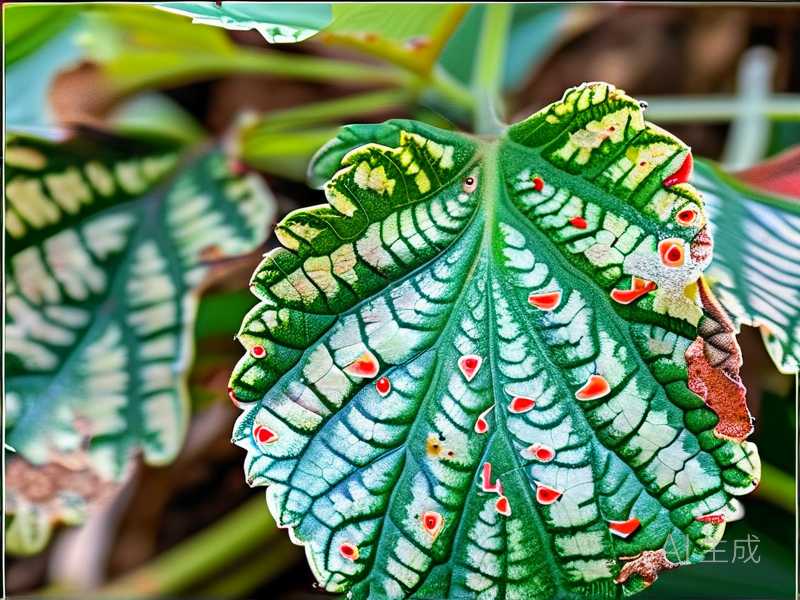
Here's the thing most people miss. Sooty mold itself doesn't damage the leaf directly. It blocks light and looks awful, but it's a symptom.
The actual problem is the pest infestation above it.
So when you wipe the mold away but leave a few surviving aphids or scale insects, they keep producing honeydew. Within days, the mold returns. I used to think I had a "mold problem." I didn't. I had a pest problem I kept ignoring.
The RHS notes that sooty mold is commonly linked to sap-feeding insects and often clears up once the pest is controlled. That matches everything I've seen.
Meet the Honeydew Producers
Before you treat anything, know your enemy. These are the usual suspects.
Aphids. Tiny green, black, or white bugs clustered on new growth. They multiply fast.
Mealybugs. White cottony blobs in leaf joints and stem crevices.
Scale insects. Brown or tan bumps stuck to stems and leaf undersides. Easy to miss.
Whiteflies. Small white flies that scatter when you bump the plant.
All four excrete honeydew. All four feed sooty mold.
My 14-Day Elimination Plan That Actually Worked
I ran this on a ficus that had sticky leaves and a fresh layer of black mold. Two weeks, three checkpoints.
Day 1: Isolate and inspect. I moved the plant away from others and checked every leaf, top and bottom.
Day 2: Remove visible pests. I wiped leaves with a damp cloth and a little mild soapy water. For scale, I gently scraped with a soft brush.
Day 3: Apply treatment. I used neem oil spray, covering leaf undersides where pests hide. Repeated every 5 to 7 days.
Day 7: Second treatment and honeydew check. Sticky residue was down maybe 60 percent.
Day 14: Third treatment. New growth looked clean, no fresh mold, no live pests I could find.
The key was consistency. One spray does nothing. You have to break the pest life cycle.
How to Prevent Sooty Mold Return for Good
Treating once isn't enough. Prevention is where most people slip. Here's what I do now.
Keep plants isolated for two weeks after bringing them home. This catches hidden pests before they spread.
Inspect weekly. Flip leaves. Check stem joints. Pests hide in tight spots.
Improve airflow. Crowded plants invite pests and mold.
Avoid overfeeding. Too much nitrogen pushes soft, sappy growth that aphids love.
Clean honeydew fast. A damp cloth with mild soap stops mold from establishing.
The Role of Light, Water, and Soil in Pest Control
Honestly, most pest outbreaks trace back to stressed plants. And stress usually comes from care mistakes.
Light. Most houseplants want bright, indirect light. Too little light weakens them. Too much direct sun scorches leaves. A stressed plant attracts pests.
Water. This is huge. 90% of indoor plants die from overwatering. Overwatered roots rot, the plant weakens, and pests move in. Let the top inch or two of soil dry before watering again.
Soil and pots. Use a well-draining mix, like potting soil blended with perlite and orchid bark. Always pick a pot with drainage holes. I once used a decorative pot with no holes and rotted a pothos in three weeks. Never again.
Fertilizer. Feed lightly during growing season. Skip it in winter. Too much fertilizer creates the soft growth pests adore.
Seasonal Care to Stop Pests Before They Start
Pests don't care about your calendar, but your care routine should change with the seasons.
Spring. Growth resumes. Trim dead leaves, refresh soil, and start light feeding. Watch for early aphids on new shoots.
Summer. Heat and dry air help spider mites and whiteflies. Keep plants ventilated and out of harsh afternoon sun. Check watering more often.
Autumn. Slow down on feeding and watering. Bring outdoor plants inside only after a thorough pest check.
Winter. Growth stalls. Stop fertilizing, water sparingly, and keep plants away from cold drafts. Indoor heating dries the air, so watch for pests on stressed plants.
Three Mistakes That Keep Sooty Mold Coming Back
I've made all three. Learn from my pain.
Mistake 1: Overwatering. Soggy soil weakens plants and invites pests. Let soil dry between waterings.
Mistake 2: Wrong light. Placing a sun-lover in shade stresses it. Match the plant to its light needs.
Mistake 3: Wrong pot. No drainage holes equals root rot equals weak plant equals pests. Always use drainage.
Common Pest and Mold Problems, Solved
Sticky leaves. Honeydew. Find the pest and treat it.
Black leaf coating. Sooty mold. Wash it off and fix the pest source.
Yellow leaves. Often overwatering or pests. Check soil moisture first.
Wilting despite wet soil. Likely root rot. Repot and trim damaged roots.
Webbing. Spider mites. Increase humidity and treat with neem or insecticidal soap.
When I Finally Got It Right
I killed my first three plants before I understood any of this. The fourth one survived because I stopped guessing and started checking.
The AHS backs this up, stressing that healthy, well-cared-for plants resist pests far better than stressed ones. That's been true in my experience every single time.
FAQs
How long does it take to get rid of sooty mold? Once pests are gone, existing mold fades or wipes off within one to two weeks. New mold stops forming almost immediately.
Can I just wash the mold off and skip pest treatment? No. The mold returns because the honeydew source is still there. Treat the pests.
What's the safest pest treatment for houseplants? Neem oil and insecticidal soap work well for most home gardeners. Always follow label directions and test on one leaf first.
The bottom line is simple. Sooty mold is a messenger, not the enemy. Kill the honeydew-producing pests, keep your plant healthy, and stay consistent for two weeks. Do that, and the black gunk won't come back.