 bluename
How to Treat Hibiscus for Mixed Anthracnose and Caterpillar Leaf Tissue Destruction
If your hibiscus looks like something took a hole punch to the leaves and then set the edges on fire, you are probably dealing with two problems at once: caterpillars chewing through tissue and anthracnose fungus rotting what is left. The fastest way to treat hibiscus for mixed anthracnose and caterpillar leaf tissue destruction is to remove every damaged leaf, apply Bacillus thuringiensis for the caterpillars, and spray a copper-based fungicide for the anthracnose. Do all three on the same day. I learned this the hard way after watching a beautiful 'President' hibiscus drop half its canopy in eleven days.
I have been growing tropical hibiscus in containers and in ground beds for about nine years. The mixed-damage scenario is the one that fools most people because the caterpillar holes hide the fungal spots, and the fungal spots make you think the plant is just dying naturally.
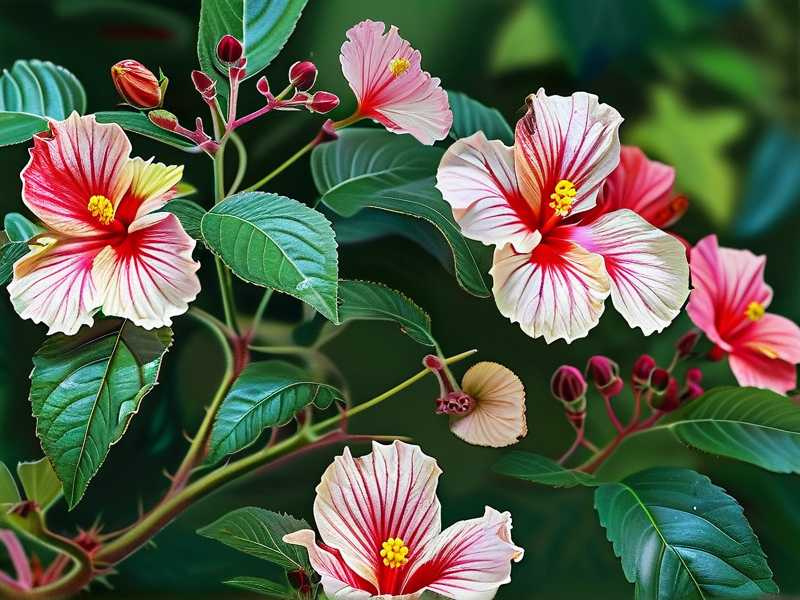
Let me tell you what actually worked over a two-week window. And what failed spectacularly.
Why This Combination Confuses Almost Everyone
A chewed leaf has ragged edges and missing chunks. An anthracnose leaf has tan or dark sunken lesions, often with a yellow halo. When both happen on the same leaf, you get brown patches with holes inside them. It looks like one disease. It is not.
The caterpillars — usually hibiscus budworms, loopers, or the larva of the hibiscus sawfly — open wounds in the leaf surface. Those wounds are open doors for Colletotrichum fungus, which causes anthracnose. The fungus then spreads through splashing water. So the insects literally farm the disease for you.
My First Two Weeks: Exact Steps I Took
Day 1 — I put on nitrile gloves and cut off every leaf with more than a fingernail-sized lesion or any visible caterpillar frass. I did not compost them. I bagged them and put them in the trash. This alone removed about 60% of the visible problem.
Day 1 — I sprayed the entire plant, top of leaves and undersides, with Bacillus thuringiensis var. kurstaki (Bt). I used a pump sprayer, not a hose-end because the pressure was too strong and knocked off healthy buds.
Day 2 — I waited 24 hours for the Bt to dry and be ingested. Then I sprayed copper octanoate fungicide. I mixed it at the label rate for anthracnose on ornamentals. I did not add a spreader-sticker because copper already sticks well.
Day 3 through Day 6 — I checked every morning. New holes stopped appearing by Day 4. That told me the caterpillars were dead or dying.
Day 7 — I reapplied Bt. Because Bt breaks down in sunlight within a few days, a second application catches any newly hatched larvae.
Day 8 — I reapplied copper fungicide. I also moved the pot to a spot with morning sun and better air movement. Anthracnose loves stagnant, wet foliage.
Day 10 through Day 14 — I saw new leaf buds emerge without lesions. The existing damaged leaves that I had not removed developed larger brown patches, so I picked them off too. By Day 14, the plant had about 30% new clean growth and zero active caterpillars.
One thing I wish I had done earlier: I should have checked the undersides of leaves with a flashlight at night. Caterpillars feed mostly after dark. I missed a whole generation because I only inspected during the day.
The Three Deadly Beginner Mistakes That Make This Worse
Mistake 1: Overwatering. This is the big one. You have heard it before, but it bears repeating: 90% of indoor plants die from overwatering. Anthracnose spreads faster in wet conditions. If you keep the soil soggy while treating fungus, you are fighting a losing battle. I watered my hibiscus only when the top inch of soil felt dry. I also stopped misting the leaves entirely. Misting is a fungus party.
Mistake 2: Wrong light. Hibiscus needs at least six hours of direct sun for strong cell walls that resist fungal penetration. I once put a sick hibiscus in a shady corner "to recover." It died in eight days. Shade plus moisture equals anthracnose heaven. Move it to full sun as soon as you start treatment.
Mistake 3: Wrong pot. A pot without drainage holes is a death sentence. I killed my third hibiscus ever because I used a cute ceramic cachepot with no holes. Water sat at the bottom. Roots rotted. The plant became weak, and then both caterpillars and fungus moved in. Use a pot with at least one half-inch drainage hole. Terra cotta is better than plastic because it breathes.
Product Details That Actually Matter
For caterpillars, Bt is my go-to because it only kills caterpillars, not bees or ladybugs. I have tried neem oil, but it was less effective once the caterpillars were larger than half an inch. Spinosad works too, but it is toxic to bees for a few hours after spraying. Since hibiscus flowers attract pollinators, I spray spinosad only at dusk after bees are gone.
For anthracnose, copper is the standard. The Royal Horticultural Society notes that copper-based fungicides can help control anthracnose on ornamental plants when combined with good sanitation. That matches my experience exactly. I have also tried potassium bicarbonate, but it worked better as a preventive than a cure.
A word on timing: never spray copper when temperatures will exceed 85°F (29°C) that day. It can burn the leaves. I learned that after frying a whole flush of new growth on a hot July afternoon.
What the American Horticultural Society Says About Sanitation
The American Horticultural Society emphasizes that removing infected plant debris is the single most effective step for disease control. I now keep a dedicated pair of scissors in a jar of rubbing alcohol. I dip them between cuts. It sounds fussy, but it stopped me from spreading anthracnose from one leaf to the next. Before that, I was just wiping them on my jeans. Bad idea.
Long-Term Prevention That Keeps Both Problems Away
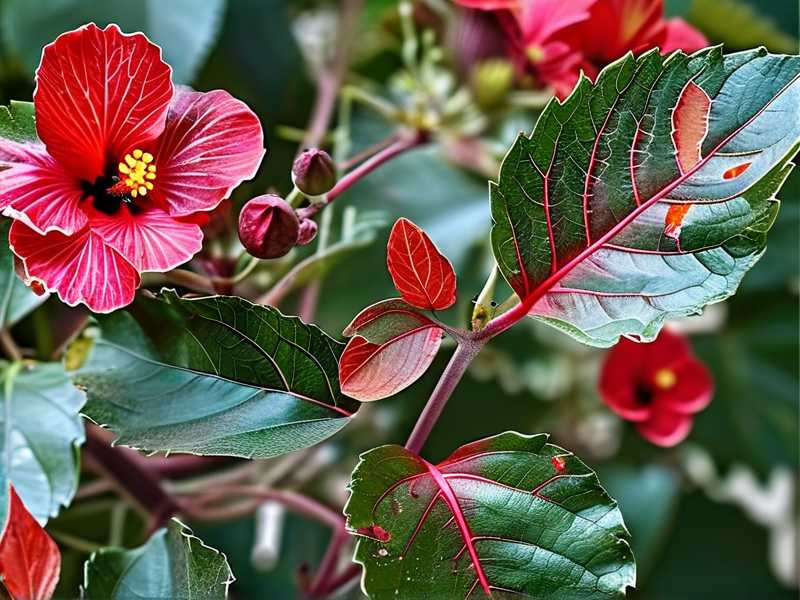
Once you get past the two-week emergency phase, you need a maintenance rhythm. I spray Bt every 10 to 14 days during warm months if I see any moth activity. I apply copper fungicide only after rain or if humidity stays above 70% for three days straight.
I also prune the center of the plant lightly to improve airflow. Not a heavy prune. Just enough so wind moves through. Dense, bushy hibiscus are caterpillar hotels.
Water at the soil line, never overhead. I use a watering can with a narrow spout. Overhead watering splashes fungal spores from leaf to leaf. Simple as that.
Feed with a balanced fertilizer but do not overdo nitrogen. Too much nitrogen produces soft, tender growth that caterpillars and fungus both love. I use a 10-10-10 once a month during growing season.
Frequently Asked Questions
Can I use one spray for both caterpillars and anthracnose?
No. Bt kills caterpillars. Copper kills fungus. They work differently. You can apply them on the same day if you let the first one dry completely. Do not tank-mix them because the copper can reduce Bt effectiveness.
How long until I see improvement?
New growth should appear clean within 10 to 14 days if you remove all damaged leaves and apply both treatments. Existing damaged leaves will not heal. They will fall off or you should pick them off.
What if my hibiscus is in a pot indoors?
Move it outside to a sunny spot if temperatures allow. Indoor air is often too still, which favors anthracnose. If you must keep it inside, run a small fan on low near it. And stop misting. Seriously.
One last thing. I have killed more hibiscus plants than I care to admit. Every single one that died from this mixed caterpillar-anthracnose mess died because I waited too long. I thought the plant would fight it off. It did not. The two-week protocol I described above is the only thing that has ever worked consistently for me. Start today. Remove the worst leaves. Spray the Bt. Spray the copper. Move it to sun. Your hibiscus will thank you with new growth before you know it.





