 bluename
How to Recover Garden Hibiscus After Spring Aphids Deform Every Tender New Shoot
The short answer: cut off every distorted shoot, spray the undersides of the remaining leaves with insecticidal soap or a strong jet of water every three days for two weeks, stop feeding nitrogen, and let the plant push a clean second flush. That's the routine that finally worked for me after aphids turned my hardy hibiscus into a curled, sticky mess two springs in a row.
I garden in a humid zone 6 pocket where hardy hibiscus (Hibiscus moscheutos) wakes up late, usually the second week of May. And every single year, right as those fat pink shoots break the soil, the aphids find them. It happened again this past spring. I walked out on a Tuesday morning and the newest growth looked like someone had crumpled it in their fist. Leaves twisted, buds glued shut, a shiny trail of honeydew down the stems. Classic spring aphid damage.
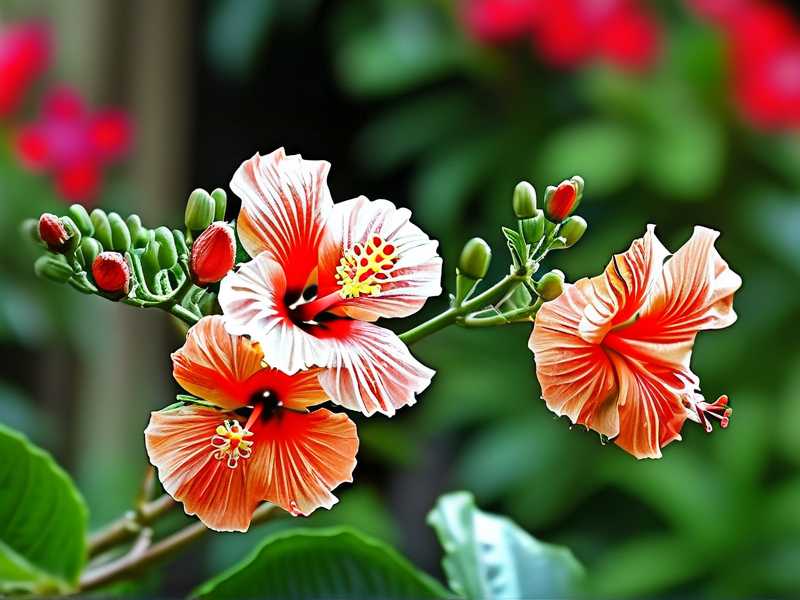
If that's what you're staring at right now, take a breath. Your plant is not dead. Hibiscus is stubborn. But you do need to move fast, because deformed shoots will not straighten out, and aphid populations double roughly every few days in cool spring weather. Let me walk you through exactly what I did, what I got wrong, and what the plant looked like two weeks later.
Why Aphids Wreck Tender Hibiscus Shoots So Badly
Aphids love soft, nitrogen-rich new growth. Hibiscus shoots in spring are basically an all-you-can-eat buffet.
Here's the part a lot of people miss: the deformation isn't just aphids sucking sap. As they feed, they inject saliva, and that saliva causes cells to grow unevenly. That's why a leaf that had aphids on it on Monday looks like a corkscrew by Thursday, even if you killed every aphid by Wednesday.
The RHS puts aphids in the "usually tolerated" category for established plants, and that's fair, but hibiscus is different. It's a late-emerging plant with a short window to build its frame, so losing the first flush to aphids costs you real flowering later in summer.
Dr. Michael Arnold at Texas A&M has noted that aphid populations on hibiscus can build to the point where they distort an entire flush of growth in under ten days. In my own garden, I've watched a clean shoot go from fine to fully curled in five days. So "wait and see" is not a strategy.
The Three Things I Did First (And One I Should Have Skipped)
My recovery plan, in order.
Step one, I pruned. Not a light trim. I took pruners and cut every shoot that was visibly twisted, sticky, or covered in white shed skins. On my plant that was about 40% of the new growth. It hurt to do it.
Step two, I sprayed. I mixed insecticidal soap at the label rate and sprayed the undersides of leaves in the early evening, when the plant was out of direct sun. Soap sprays work by contact, so coverage matters more than concentration. I sprayed every three days, four times total.
Step three, I stopped feeding. This is the counterintuitive one. I skipped my usual spring dose of balanced fertilizer for a full month. More nitrogen means more soft growth, and soft growth means more aphids. I only resumed feeding once the new shoots had hardened off.
The thing I should have skipped: neem oil. I tried it first because it's what everyone recommends online. On tender hibiscus shoots in cool weather, it did more harm than good. Some leaf edges burned. I'm not saying neem is useless, but for soft spring growth I've had better results with plain soap and water.
What I Got Wrong the Year Before
Last spring I did the opposite of everything above.
I panicked and drenched the plant with a hose-end insecticide. I fertilized heavily to "help it recover." I didn't prune at all because I was afraid of losing blooms. Result: aphids came back within a week, the deformed shoots stayed deformed, and I got maybe three flowers all summer.
The year before that, I sprayed with a hard stream of water once and called it done. Also a fail. A single blast knocks aphids off, but they crawl back up within hours.
Two weeks of consistent action beats one heroic afternoon every time.
The Two-Week Timeline, Honestly Tracked
I kept notes because I wanted to know if this actually worked or if I was just telling myself a story.
Day 1: Pruned all distorted shoots down to clean wood. Sprayed soap in the evening. Day 3: New growth tips visible. Tiny, but clean. Sprayed again. Day 5: Small aphid clusters on two shoots. Sprayed and physically rubbed them off with my fingers. Day 7: No new deformation. A few winged aphids around, which usually means they're dispersing. Day 10: New leaves opening flat and wide. This is the moment I knew I'd won. Day 14: Full, even second flush. No curl, no stickiness.
Two weeks. That's the honest number. If you're expecting a fix in 48 hours, you'll be disappointed.
Why the Plant Recovers: Hibiscus Regrowth Energy
Hibiscus moscheutos is a herbaceous perennial that dies to the ground each winter and rebuilds from the crown every spring. That regrowth is fueled by stored carbohydrates in the root system, not by the leaves.
This matters because it means cutting off damaged shoots costs the plant almost nothing. The roots still have energy. The crown still has buds. You're just redirecting growth from a ruined flush into a fresh one.
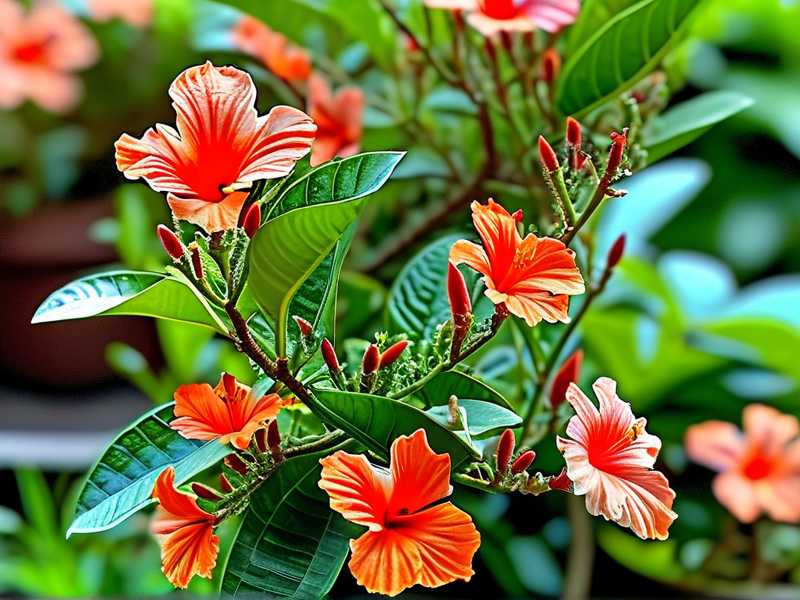
A friend of mine grows 'Kopper King' and does a hard cut in early June every year regardless of pest pressure. Hers outperforms mine on flower count. That told me everything about how forgiving this plant is.
The Three Mistakes That Kill More Hibiscus Than Aphids Ever Will
Aphids are annoying but rarely fatal. These three errors are the ones that actually end plants. I've made all of them.
Mistake one: watering too much. This is the big one. 90% of indoor plants die from overwatering, and honestly a huge share of outdoor container plants do too. Aphid-damaged hibiscus looks weak, so people water more, which rots the crown. Hibiscus wants consistent moisture, not swamp. Let the top inch dry between waterings.
Mistake two: putting it in the wrong light. Hibiscus needs full sun, six hours minimum. After aphids, people move the plant to shade thinking they're helping a sick plant. Wrong move. Shade means weak growth, and weak growth means the next flush gets hammered too. Leave it in the sun.
Mistake three: wrong pot. I killed a beautiful 'Lord Baltimore' by leaving it in a pot two sizes too small. Root-bound hibiscus can't support regrowth, and the soil dries out so fast that stress compounds. If yours is in a container, it needs a pot at least 18 inches across for a mature plant.
If your hibiscus is in the ground in decent soil and full sun, it will survive aphids almost every time. It's the stressed, shaded, overwatered ones that don't make it.
What the American Horticultural Society Says About Pest Tolerance
The AHS has long promoted a "tolerance first" approach to garden pests. Their position, which I've grown to agree with, is that a healthy plant with good cultural conditions can often outgrow pest damage without heavy intervention.
That doesn't mean ignore aphids. It means don't reach for the strongest chemical on the shelf as your first move. Soap, water, pruning, and patience handle most spring aphid flare-ups on hibiscus.
I've also found that once the plant's natural predators show up, lady beetles, lacewing larvae, parasitic wasps, the aphids crash on their own. The problem is the timing. In cool spring weather, beneficial insects lag behind aphids by a week or two. That gap is when you need to intervene manually.
A Preventative Routine That Actually Works
I do three things every spring now, starting when the first shoot breaks the soil.
First, I check the shoot tips every morning with my coffee. Two minutes. If I see aphids before the shoot curls, I'm ahead of the game.
Second, I spray once a week with soap as a preventative for the first month. Some people say this is unnecessary, and maybe it is, but my deformation rate dropped to almost zero after I started doing it.
Third, I hold off on nitrogen fertilizer until the shoots have hardened. My hibiscus looks a little pale in early spring. It's fine. The color comes back once I start feeding in June.
Aphids spread fast. Roughly a dozen generations in a season in warm conditions, according to most extension entomologists. That math is why early action matters so much.
Frequently Asked Questions
Will deformed hibiscus leaves ever return to normal?
No. Once a leaf is twisted by aphid saliva, the cell structure is set. The leaf will stay curled until it drops. The good news is new leaves that emerge after aphids are gone grow perfectly flat. That's how you know you've fixed the problem, not by the old leaves fixing themselves, but by the new ones coming in clean.
Should I use systemic insecticide on my hibiscus?
I'd be cautious. Systemics work, but they move into nectar and pollen, and hibiscus flowers feed bees and hummingbirds. The RHS and most extension services now recommend avoiding systemics on flowering plants that pollinators visit. Soap, water, and pruning got me through two springs without them.
How long until I see flowers after aphid damage?
On my plant, about six weeks from the end of the aphid cycle to first bloom. If you lose the first flush, you lose roughly three to four weeks of bloom time, not the whole season. Hibiscus flowers on new wood, so as long as you keep it growing, it will keep setting buds.
The Bottom Line From Someone Who's Killed a Few of These
Spring aphids on hibiscus look catastrophic and mostly aren't. Cut the ruined shoots, spray soap every few days, skip the nitrogen, and keep the plant in full sun. Two weeks of consistent effort gets you a clean second flush. The year I stopped fighting the aphids and started managing the plant's conditions instead, everything changed. Humble soap and water, applied on schedule, beat every fancy product I tried.





