bluename
How to Avoid Pruning Hibiscus During Damp Conditions That Favor Spore Germination
I learned this rule the hard way after losing two tropical hibiscus plants in one rainy spring. The short answer: don't prune hibiscus when leaves are wet or when humidity stays above 80% for days. Fungal spores need moisture on plant tissue to germinate, and every fresh cut is an open door. Wait for a dry morning instead.
That's the whole game right there. Everything below is just me explaining how I figured it out, what I got wrong, and what I do now.
Why Wet Weather Turns Pruning Into a Gamble
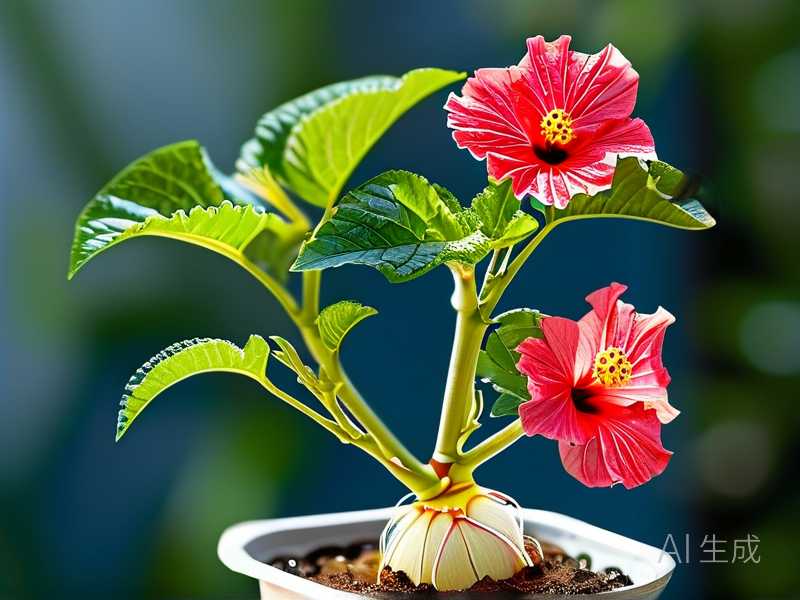
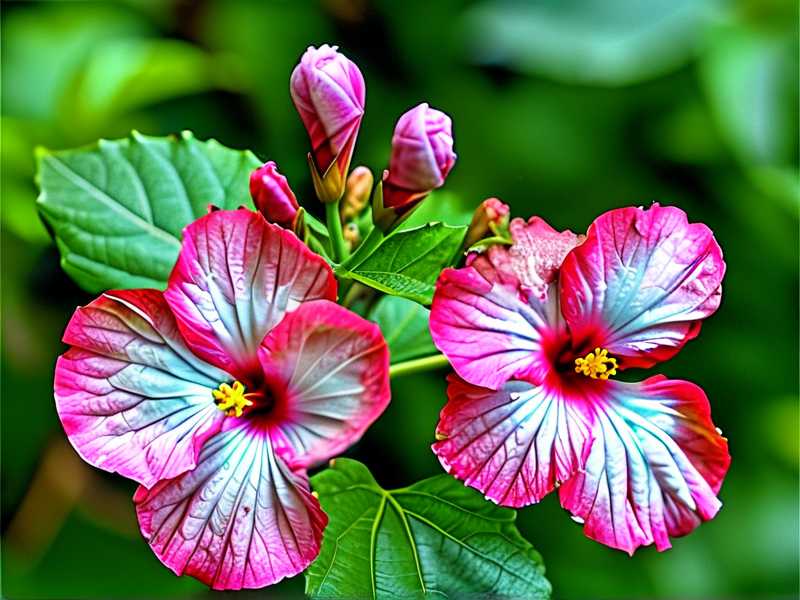
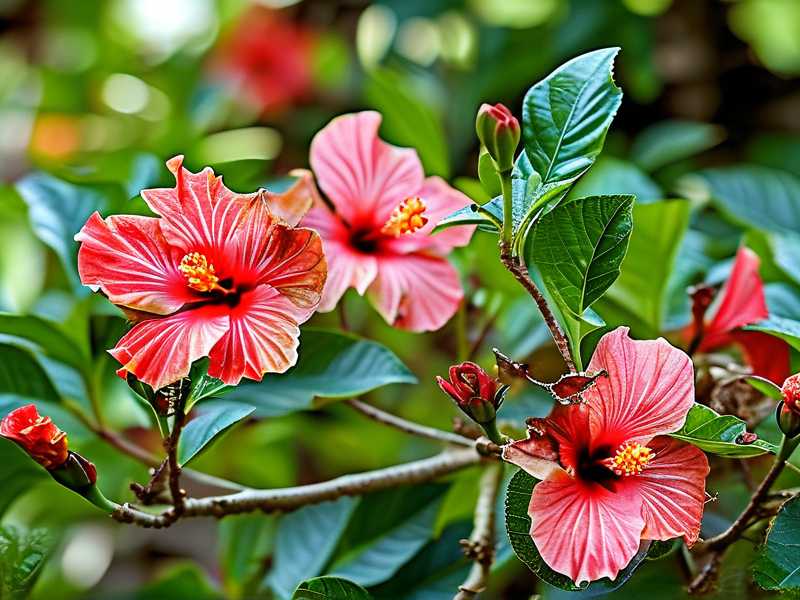
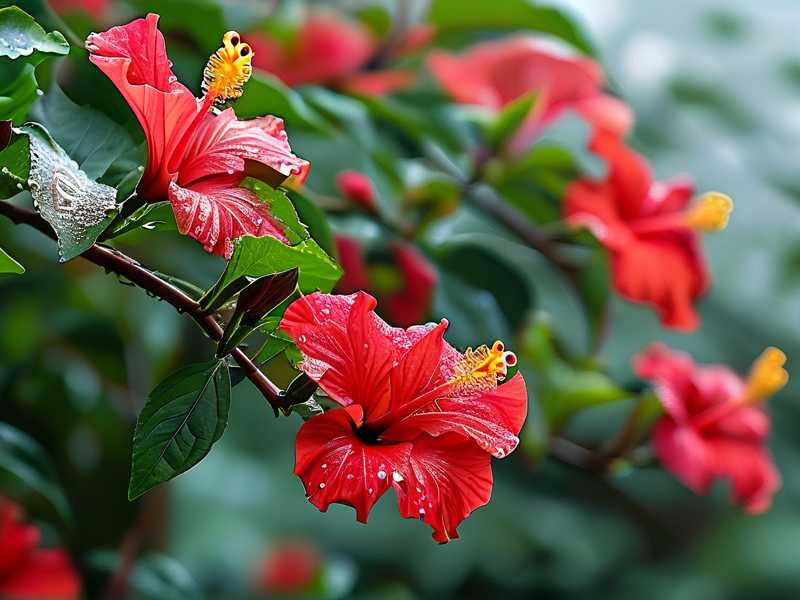
Hibiscus, whether you grow tropical Hibiscus rosa-sinensis indoors or hardy Hibiscus syriacus in the garden, reacts to pruning by pushing new growth. That new growth is soft. It's full of water. And it's basically a welcome mat for spores.
Spores of fungi like Botrytis and Colletotrichum (the one behind anthracnose) are always floating around. They don't need much. A film of water on a leaf or stem for a few hours is enough.
When you cut a stem, you expose raw tissue. In dry air, that cut seals over fairly fast. In damp air, it stays wet. Germination happens within 6 to 12 hours in many cases. By the time you notice black spots or fuzzy gray mold, the infection is already established.
The RHS puts it plainly: pruning in wet conditions spreads disease, especially fungal problems. I ignored that advice once. I won't again.
My First Mistake: Pruning After Rain Because I Was Impatient
Two springs ago, I had a 'Cooperi' hibiscus that had gotten leggy over winter. It was late April, and we'd had three days of drizzle. The sun came out for about an hour, so I grabbed my pruners.
The leaves still had water sitting in the leaf axils. I didn't think about it. I made about a dozen cuts.
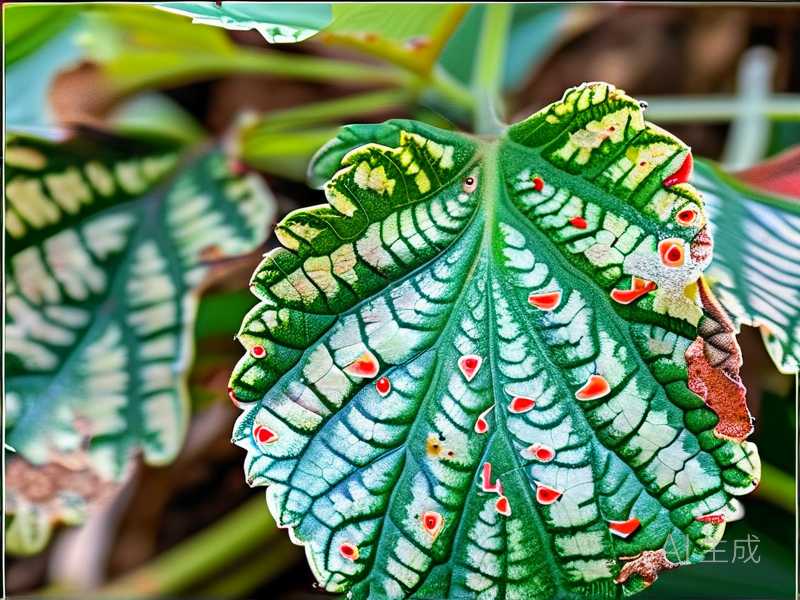
Five days later, the cut ends were black. Not just callused black, but soft, sunken, spreading black. I tried cinnamon powder (old wives' remedy, doesn't work well). I tried cutting below the infection. But the fungus had moved faster than the plant could compartmentalize.
I lost the whole main stem within two weeks.
What I Should Have Done
Wait. That's it. Just wait.
Fungal spores need free water to germinate. If you prune when the plant is dry and the forecast is dry for at least 48 hours, your risk drops dramatically.
I now check three things before I even pick up my pruners:
- Are the leaves completely dry? Not just "not dripping," but actually dry to the touch.
- Is humidity below 70%? I keep a cheap hygrometer near my plants.
- Is there at least one full dry day ahead? Ideally two.
If any answer is no, I wait. The plant doesn't care if I prune today or next Tuesday.
The Three Biggest Beginner Mistakes (I Made All of Them)
I want to get these out of the way because they overlap with the pruning issue more than people realize.
Mistake 1: Overwatering
This is the big one. I have killed more plants with kindness than neglect. And I'm not alone.
Let me say it clearly: 90% of indoor plants die from overwatering. Not underwatering. Overwatering.
Wet soil plus wet leaves plus a fresh cut equals disaster. The roots suffocate, the plant weakens, and suddenly it can't fight off the spores that land on those pruning wounds.
I water my hibiscus only when the top two inches of soil are dry. In humid weather, that might mean waiting 10 days. In dry winter air with indoor heating, maybe five days. I stick my finger in the soil. Every time.
Mistake 2: Light Mismatch
Hibiscus wants bright light. Indoors, that means a south-facing window or a strong grow light. When light is too low, the plant gets leggy and weak. Weak plants are more susceptible to fungal infections.
I once put a hibiscus in a north-facing window because I thought it looked nice there. It stretched out, dropped buds, and developed leaf spot within a month. The plant was already stressed. Then I pruned it during a humid spell. Game over.
Mistake 3: Wrong Pot
This one took me longer to figure out. I used to keep hibiscus in decorative pots without drainage holes. I thought I could just "be careful" with watering.
That doesn't work. Water pools at the bottom. Roots rot. The plant declines.
Now every pot I use has drainage holes. I also use terracotta for smaller hibiscus because it wicks moisture away from the soil. Plastic is fine too if you're disciplined, but terracotta forgives you a little more.
What the AHS says about container drainage matches my experience exactly: without it, you're fighting a losing battle.
My Two-Week Observation After Changing My Routine
After losing that 'Cooperi', I changed everything. I waited for dry conditions. I stopped pruning after rain. I checked humidity. I made sure my pots drained properly.
Here's what I noticed over the next two weeks:
Days 1 to 3: Nothing dramatic. The cuts I made on a dry morning looked clean. No discoloration.
Days 4 to 7: Callus tissue formed at the cut ends. That's what you want. It's the plant's natural bandage.
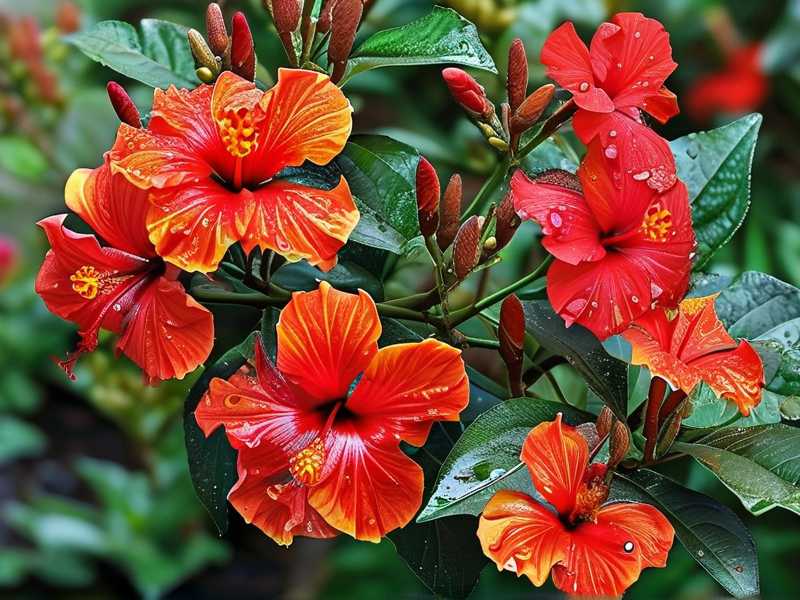
Days 8 to 10: New growth started pushing from nodes below the cuts. Healthy green. No spotting.
Days 11 to 14: The new shoots were about half an inch long. Leaves looked clean. No sign of fungal issues.
Compare that to my earlier attempt in damp conditions: blackening within five days, spreading infection by day seven, dead stem by day 14.
The difference wasn't luck. It was timing.
How I Time My Pruning Now
I treat pruning like a weather-dependent task (because it is). Here's my actual process:
Check the forecast. I look for a two-day window with no rain and moderate humidity. If I can't find one this week, I wait until next week.
Prune in the morning. Not evening. Morning pruning gives the cuts time to dry during the day. Evening pruning leaves them wet overnight.
Use clean tools. I wipe my pruners with rubbing alcohol between plants. Always. If you skip this, you're just spreading spores from one plant to the next.
Don't water right after pruning. I wait at least 24 hours before watering. The plant doesn't need extra moisture stress on top of fresh wounds.
Keep airflow going. Indoors, I run a small fan on low near my hibiscus after pruning. Not pointing directly at the cuts, just moving air around. Stagnant humid air is the enemy.
What About Hardy Hibiscus in the Garden?
Same rules apply. Hibiscus syriacus and Hibiscus moscheutos are tough, but they're not immune to fungal problems.
I prune my outdoor hibiscus in late winter or early spring when conditions are naturally drier and the plant is still dormant. If I need to do a light shaping cut in summer, I wait for a dry stretch.
One thing I've noticed: garden hibiscus recover faster from pruning than potted tropical ones. Probably because they have more root space and better airflow. But the spore germination risk is still real.
Signs You Already Pruned at the Wrong Time
If you're reading this and thinking "oops, I already did it," here's what to watch for:
- Black or brown sunken areas at the cut ends
- Fuzzy gray mold (that's Botrytis)
- Leaves below the cuts turning yellow and dropping
- Soft, mushy stem tissue near the wounds
If you see these signs, act fast. Cut below the infected area with sterilized pruners, but only if conditions are dry. Then improve airflow and stop watering until the soil dries out.
I've saved a few plants this way. Not all of them. But some.
The Long Game: Prevention Beats Treatment
Honestly, the best advice I can give is this: don't create the problem in the first place.
Keep your hibiscus healthy. Give it the right light. Don't drown it. Use a pot with drainage. Then, when it's time to prune, pick a dry day and make clean cuts.
Fungal spores are everywhere. You can't eliminate them. But you can avoid giving them the moist, open wound they need to take hold.
I wish I'd known this three years ago. I'd still have that 'Cooperi'.
Questions I Get Asked a Lot
Can I prune hibiscus right after it rains if the sun comes out?
No. Wait at least a full day. The leaf axils and stem surfaces hold moisture longer than you think. And the humidity stays high even after the sun appears.
What if I live in a humid climate and there are no dry days?
You can still prune, but you need to be smart about it. Prune in the morning, use a fan to keep air moving, and apply a fungicide if you're really worried. Or just wait for a drier season. Most tropical hibiscus can go a while without pruning.
Does it matter what time of year I prune?
Yes. In most regions, late winter or early spring is ideal because humidity tends to be lower and the plant is starting active growth. Avoid pruning in fall when fungal pressure is high and the plant is slowing down.
Pruning hibiscus isn't complicated. But timing it right matters more than most people realize. Watch the weather. Keep your tools clean. And when in doubt, wait. Your plant will thank you.