bluename
How to Prevent Ant Activity Helping Scale Insects Colonize Fresh Hibiscus Stem Growth
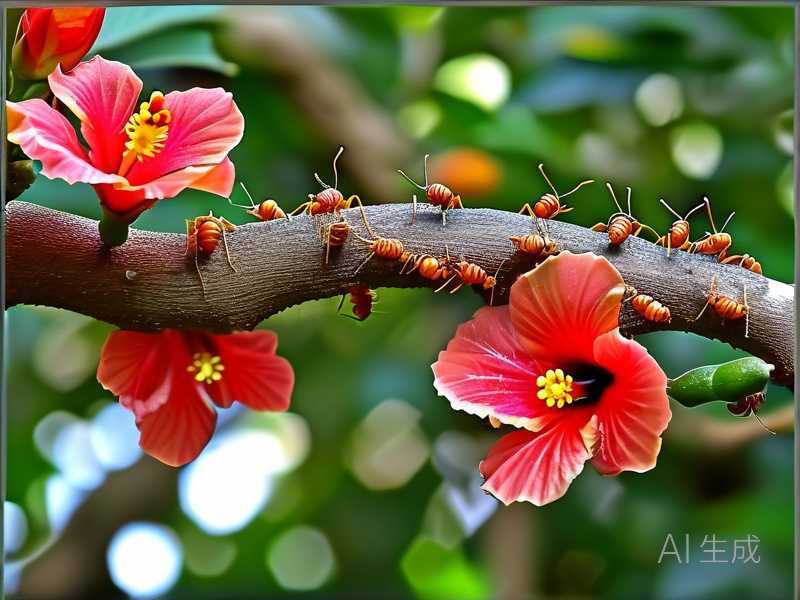
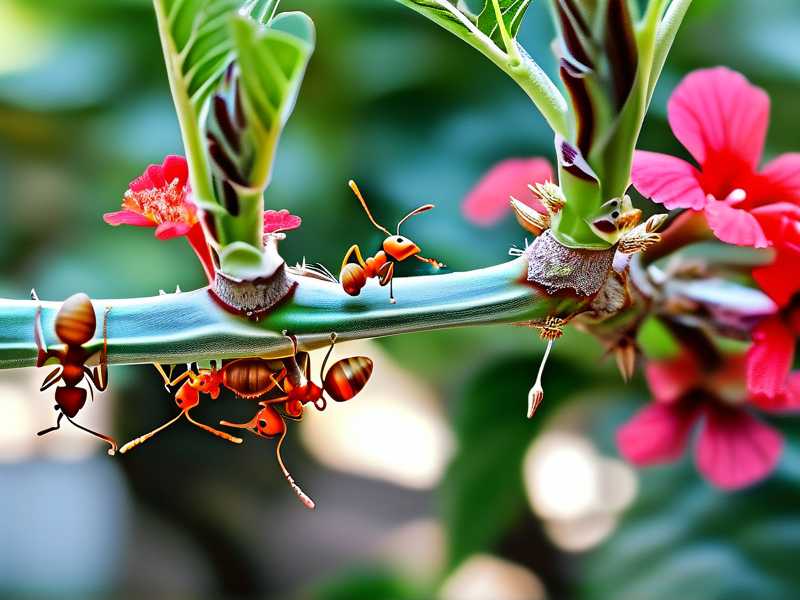
If you've ever noticed a trail of tiny ants marching up your hibiscus stems, you already have a problem bigger than the ants themselves. Ants don't just visit your plant for fun. They are actively farming scale insects and protecting them from predators. The fastest way to stop this is to break the ant highway first, then treat the scale directly. I learned this the hard way after losing two hibiscus plants in one summer.
I've been growing hibiscus for about eight years now, both in containers and in the ground. The first time I saw ants swarming a fresh green stem, I thought they were just passing through. Three weeks later, that stem was crusted with brown bumps and the new growth had stopped completely. That's when I realized ants and scale insects work as a team, and you have to deal with both at the same time.
Why Ants and Scale Insects Are a Package Deal
Scale insects feed on plant sap. They suck it out of stems and leaves, then excrete a sticky substance called honeydew. Ants love honeydew. It's basically sugar water for them.
So here's what happens. A few scale insects find your hibiscus. Ants discover the honeydew and start hanging around. Then the ants do something sneaky. They carry young scale insects, called crawlers, to fresh new stems where the tissue is soft and easy to pierce. They also chase away ladybugs and parasitic wasps that would normally eat the scale.
The Royal Horticultural Society points out that ant activity on plants is often a sign of a hidden sap-sucking pest problem, not the problem itself. That stuck with me. The anthttps://www.rhs.org.uk are the symptom. The scale is the disease.
The American Horticultural Society also notes that scale insects on hibiscus can cause stunted growth, yellowing leaves, and eventually plant death if left untreated. And ants make the whole situation worse by helping them spread.
So no, you can't just kill the ants and call it done. You need to handle both sides of this partnership.
My 2-Week Observation: What Actually Happened When I Tried This
I want to walk you through exactly what I did on a potted hibiscus that had ants crawling up two fresh stems. I checked it every day for 14 days and kept notes.
Day 1: I saw ants trailing up the main stem toward three soft new shoots. I looked closely and found tiny green scale insects clustered near the leaf nodes. They were almost invisible at first.
Day 2: I applied a sticky barrier band around the base of the stem. I also sprayed the affected areas with insecticidal soap in the evening.
Day 3–4: Ant traffic dropped by about 70%. But I could still see a few ants finding alternate routes through a lower branch touching the soil.
Day 5: I pruned that lower branch and repositioned the pot so nothing touched the ground or nearby plants.
Day 7: Almost no ants. The scale insects were still there but looked dull and less attached. I wiped them off with a cotton swab dipped in rubbing alcohol.
Day 10: New growth started showing. Tiny green tips emerged from two of the three shoots.
Day 14: No ants. No new scale. The hibiscus was pushing out fresh leaves again. I was honestly surprised it bounced back that fast.
But here's the thing. I've also failed at this before. My first attempt, I just sprayed the ants with a general insecticide and ignored the scale. Two weeks later, the scale had spread to four more stems. That plant didn't make it.
Three Mistakes Beginners Make That Make Everything Worse
These three mistakes come up over and over again. I've made all of them.
Mistake 1: Overwatering
This is the big one. 90% of indoor plants die from overwatering. I'm not exaggerating. When you overwater a hibiscus, the roots suffocate and the plant becomes stressed. Stressed plants attract pests. Scale insects love weak, soft growth. And guess what? Overwatering creates exactly that kind of soft, sappy tissue that scale crawlers can easily colonize.
I killed my third hibiscus this way. I thought more water meant more growth. It meant more problems. Now I always let the top inch of soil dry out before watering again. I stick my finger in the soil, and if it's damp, I wait.
Mistake 2: Wrong Light
Hibiscus needs bright light. Not harsh midday sun in a heatwave, but strong, consistent light. If you put it in a dark corner, the stems get leggy and weak. Those weak stems are prime real estate for scale insects.
I once moved a hibiscus to a shaded patio because I thought it was getting sunburned. Within a week, ants showed up. The plant was already struggling, and the ants took full advantage. Now I keep mine in a spot that gets at least five to six hours of bright, indirect light. If the stems start stretching thin and pale, I know it's not getting enough.
Mistake 3: Wrong Pot
This one surprised me. I used to think any pot with drainage holes was fine. But pot size matters. If the pot is too big, the soil stays wet too long. If it's too small, roots get cramped and the plant stresses out.
I had a hibiscus in a pot that was way too large. The soil never dried properly, the roots stayed wet, and the plant was constantly stressed. Ants found the honeydew from a small scale population and within days they had moved crawlers to every new stem. I repotted into a container that was only about two inches wider than the root ball. Problem solved.
How to Break the Ant-Scale Cycle Step by Step
Here's what I do now, and it works.
Step 1: Find the Ant Trail
Look for ants climbing up the stem or crawling around the base of the pot. Follow them. They usually come from a crack in the patio, a nearby plant, or the soil itself. If the pot sits on the ground, lift it up. Ants often nest underneath.
Step 2: Set Up a Barrier
I use a sticky insect barrier tape wrapped around the stem near the base. You can also use a band of petroleum jelly, but that can melt in heat. Tanglefoot or similar products work well. Just make sure the barrier is wide enough that ants can't just walk over it. Reapply every week or so.
If the plant is touching a wall or another plant, fix that. Ants will just use the alternate route. I learned this after wondering why my barrier wasn't working. Turns out, a single leaf was touching a windowsill.
Step 3: Remove the Scale Insects
For light infestations, I wipe them off with a cotton swab dipped in rubbing alcohol. It dissolves the waxy coating and kills them on contact. For heavier cases, I spray with insecticidal soap or horticultural oil. Make sure to cover the undersides of leaves and all stem crevices.
Repeat every five to seven days for three rounds. Scale crawlers hatch in waves, so one spray won't get them all.
Step 4: Prune the Worst Stems
If a stem is heavily crusted with scale, just cut it off. Don't try to save it. The plant will recover faster if you remove the worst infested growth. Sterilize your pruners with rubbing alcohol between cuts.
Step 5: Keep the Plant Healthy
A strong hibiscus fights off pests better. Water properly. Give it enough light. Fertilize lightly during the growing season. Don't overdo nitrogen, because that creates soft growth that scale loves.
What About Natural Predators?
Ladybugs and parasitic wasps eat scale insects. But ants protect scale from these predators. So once you get rid of the ants, you might notice ladybugs showing up on their own.
I've had good luck introducing ladybugs after I've knocked down the ant population. You can order them online. Just release them in the evening near the base of the plant. They'll find the remaining scale.
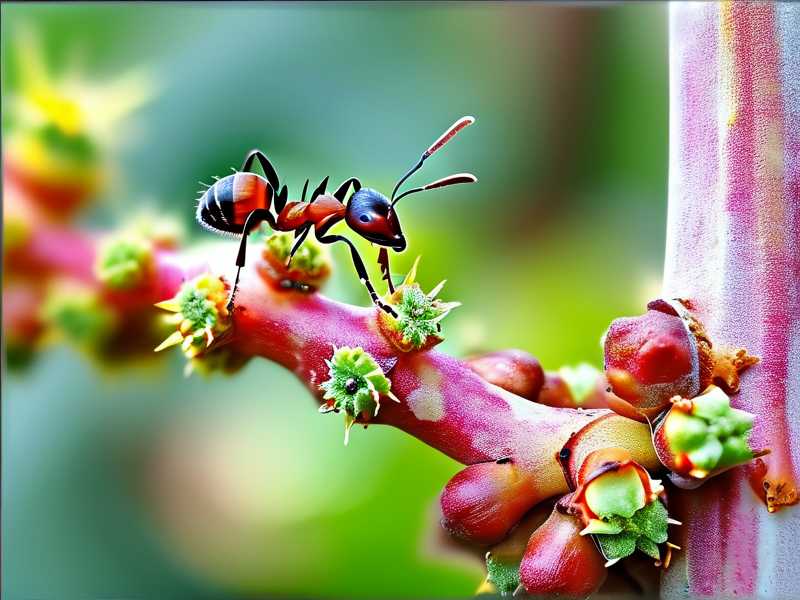
But don't bother with ladybugs if ants are still around. The ants will chase them off or kill them. I made that mistake once. Released a whole batch of ladybugs and watched ants attack them within an hour. Not fun.
Long-Term Prevention for Hibiscus Growers
Ants and scale insects will always find a way if your plant is stressed. So the real long game is keeping your hibiscus healthy.
Check your plants every week. Look at new growth especially, because scale crawlers target soft, fresh stems. If you see ants, don't ignore them. Find out why they're there.
Keep your pots clean. Remove fallen leaves and debris from the soil surface. Ants like to nest in dry, undisturbed spots. If you see ant nests near your containers, treat them with bait or diatomaceous earth.
Quarantine new plants. I can't stress this enough. I once brought home a beautiful hibiscus from a nursery and didn't isolate it. Within two weeks, my entire collection had scale. Now every new plant goes into a separate room for at least 10 days.
And remember, 90% of indoor plants die from overwatering. That's not just a random statistic. It's the number one reason hibiscus becomes vulnerable to pests in the first place. Get your watering right, and you're already winning half the battle.
Frequently Asked Questions
Can I just kill the ants and ignore the scale insects?
No. If you kill the ants but leave the scale, the scale will keep feeding and reproducing. Without ants, you might get some natural predator help, but the scale population is already established. You need to treat the scale directly. Kill the ants to stop the spread, then treat the scale to stop the damage.
How do I know if my hibiscus actually has scale insects?
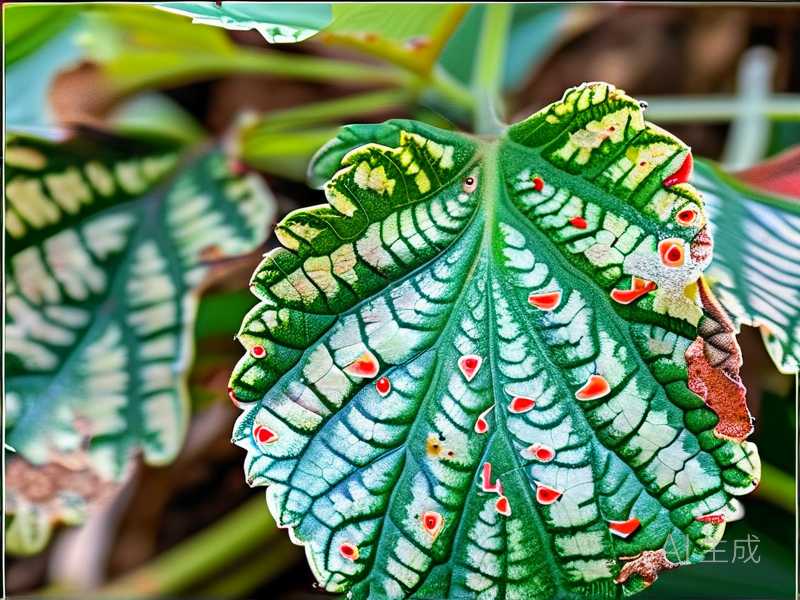
Look for small, brown, tan, or green bumps on stems and leaves. They don't move much once they attach. You might also see sticky honeydew on leaves or the pot rim. If ants are present, scale is almost certainly nearby. Use a magnifying glass if you're not sure. Scale insects look like tiny waxy shells.
Will insecticidal soap hurt my hibiscus?
Insecticidal soap is safe for hibiscus when used correctly. Spray in the evening when temperatures are cooler. Don't spray in direct sunlight or when the plant is drought-stressed. Test on a small area first if you're nervous. I've used it for years without issues, as long as I rinse the leaves the next morning.
What if I've tried everything and the scale keeps coming back?
If you've treated for a month and still see new scale, check your environment. Is the plant getting too much water? Too little light? Is the pot the right size? Scale keeps returning on stressed plants. Fix the growing conditions and the pest pressure will drop. In extreme cases, toss the plant and start fresh with a clean hibiscus in fresh soil. I've had to do that once, and it was the right call.
I hope this helps you save your hibiscus. It's a tough plant once it's healthy, but it needs you to pay attention to the small stuff. Ants and scale are a team. Break the team, and your plant wins.