 bluename
How to Treat Permanent Leaf Scarring Left Behind After Hibiscus Pest Infestations End
The honest truth: you can't erase permanent leaf scarring on a hibiscus. Once the leaf tissue is damaged by aphids, whiteflies, or spider mites, that dead patch stays. What you can do is stop the spread, help the plant push out clean new growth, and hide the old damage until those scarred leaves drop off naturally. I've brought back more sad, sticky hibiscus plants than I want to admit, and the fix is less about magic sprays and more about patient care over two to three weeks.
I killed my third hibiscus before I figured this out. It was a 'Braided' standard I bought at a big-box store, already covered in whitefly nymphs. I panicked and sprayed it with everything I owned. The pests died. The leaves got crispy brown blotches that never recovered. That's when I learned the difference between fixing damage and fixing the plant.
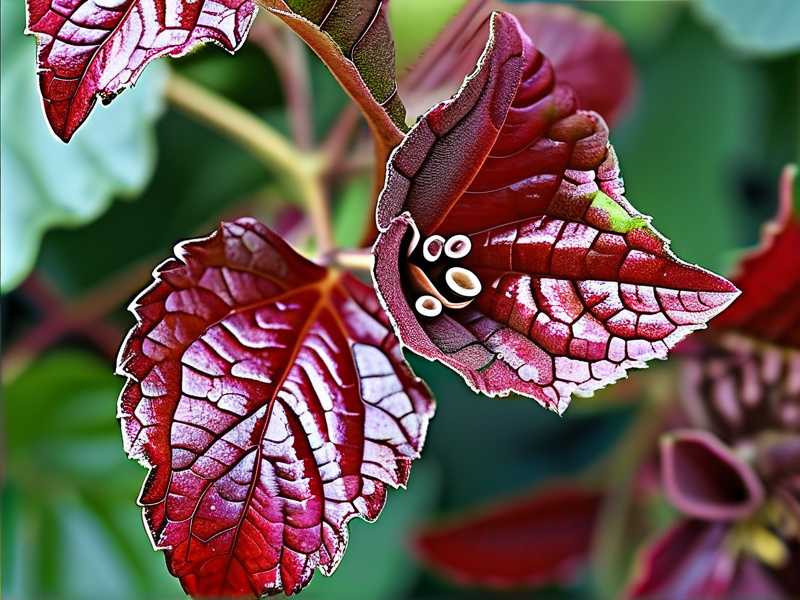
What Permanent Leaf Scarring Actually Is
Hibiscus leaves are thin and full of chlorophyll. When a pest pierces the leaf to suck sap, it ruptures cells around the feeding site.
The plant responds by sealing off that tissue. You get yellow stippling first, then a brown or black dead patch.
That patch is scar tissue. It has no living cells left to repair. No fertilizer, no tonic, no product on the shelf will bring it back green.
The Royal Horticultural Society confirms this plainly in its pest guidance: damaged tissue from feeding cannot regenerate. You manage it, you don't reverse it.
So drop the idea of a cure. The real goal is new growth and long-term plant health.
My Two-Week Recovery Routine (What I Actually Did)
I'll walk you through what worked on a Hibiiscus rosa-sinensis that had about 40% scarred foliage.
Week 1, days 1 to 3: I stripped the worst leaves. Not all of them. Only leaves that were more than half dead or curling. I used clean snips and wiped the blades with rubbing alcohol between cuts.
Days 3 to 7: I moved the plant to a spot with bright, indirect light. Morning sun only, about four hours. Harsh afternoon sun made the scarred leaves look worse and stressed the plant.
Week 2, days 8 to 14: I watered only when the top inch of soil felt dry. I checked with my finger, not a schedule. New buds started pushing at the nodes around day 10. By day 14, I had fresh, unblemished leaves coming in.
That's it. That's the whole core routine. Everything else supports those three moves.
The Three Mistakes That Kill New Growers
These trip up almost everyone. I made all three.
Mistake 1: Overwatering. This is the big one. You need to hear this number: 90% of indoor plants die from overwatering. Not underwatering. Overwatering. When I babied my scarred hibiscus and watered it every two days, the roots rotted and the plant dropped the new leaves it had just grown. Let the soil dry. Trust your finger over your calendar.
Mistake 2: Light mismatch. A scarred hibiscus needs energy to regrow, but scorched leaves can't handle full sun. I put one of mine on a south-facing windowsill in July. The scarred patches turned papery and the plant stalled for a week. Bright indirect light or gentle morning sun is the sweet spot.
Mistake 3: Wrong pot. I once "upgraded" a recovering hibiscus into a huge decorative pot. Bad move. A too-large pot holds water around the roots far too long. Go with a container just one or two inches wider than the root ball, and make sure it has drainage holes. No holes, no plant. Simple.
Should You Cut Off the Scarred Leaves?
Short answer: only the badly damaged ones.
A leaf with a small brown spot still photosynthesizes. It's feeding the plant. Leave it.
A leaf that's crispy, curling, or half dead is just draining resources. Cut it.
I tried removing every single scarred leaf once, thinking I'd get a clean slate. The plant went into shock and sulked for nearly a month. Don't do that. Remove the worst, keep the rest.
Do Leaf Shine Products Help Hide Scarring?
Kind of, but be careful. A light wipe with a damp cloth lifts dust so the healthy green parts pop and the brown spots look less obvious.
Skip heavy commercial leaf shine. It clogs the leaf pores hibiscus needs to breathe. I learned that the hard way on a ficus, and I never used it on hibiscus again.
Feeding for New Growth Without Burning Scarred Tissue
Here's the balance. Your plant needs nutrients to push new leaves, but scarred tissue and stressed roots burn easily.
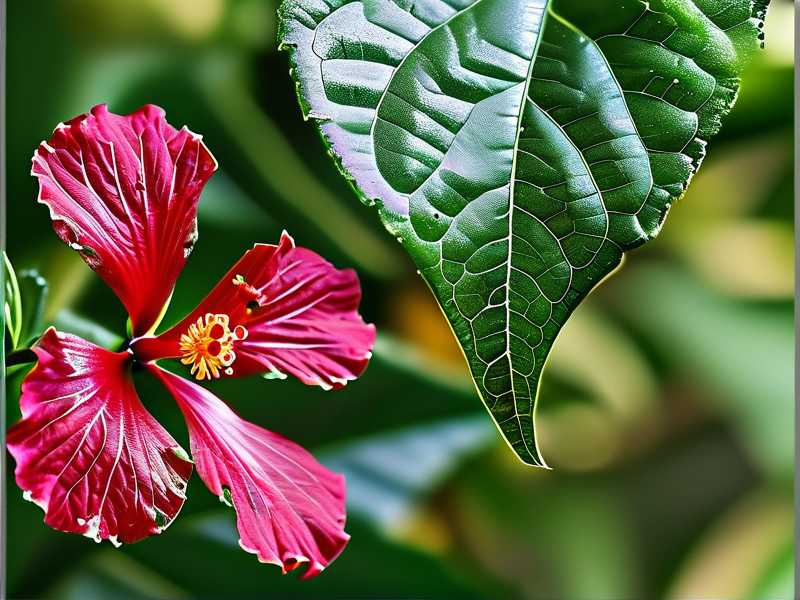
I use a half-strength liquid fertilizer, balanced formula, every two weeks during recovery. Full strength scorched the leaf edges on my first attempt.
The American Horticultural Society recommends feeding hibiscus regularly through the growing season but always at the label rate or below when a plant is recovering. Less is more here.
Pest Prevention So the Scars Don't Come Back
Scarring is permanent, but the infestation that caused it doesn't have to repeat.
Wipe both sides of leaves weekly. That's where whiteflies and mites hide.
Check new growth first. Pests love tender tips.
Isolate any new plant for two weeks before it meets your collection.
Run a gentle shower of water over the foliage every couple of weeks to knock off eggs and nymphs.
I keep a small spray bottle of insecticidal soap on hand now. The moment I see sticky residue or tiny flying specks, I act. Catching it early is the entire game.
A Quick Word on Realistic Expectations
Scarred leaves won't heal. They'll stay marked until they age out and drop.
Here's the flip side, and it matters: a healthy hibiscus replaces old leaves steadily. Within a season, most of those marked leaves will fall and be replaced by clean ones.
I've watched scarred plants become fully lush again in three to four months. Not because I fixed the scars, but because the plant outgrew them.
Frequently Asked Questions
Will the brown spots on my hibiscus leaves ever turn green again?
No. Scar tissue is dead tissue. It won't regrow chlorophyll or heal. Your best move is to support new growth and let the old leaves shed naturally.
Should I repot a hibiscus after a pest infestation?
Only if the soil is waterlogged or the pot lacks drainage. Repotting adds stress, and a recovering plant doesn't need that. Fix drainage and watering habits first.
How long until my hibiscus looks normal again?
With steady care, expect visible new growth in about two weeks and a mostly refreshed look in three to four months. Clean leaves come from new growth, not from healing the old ones.
The path forward is patience, not products. Let the soil dry between waterings. Give bright, gentle light. Use a properly sized pot with drainage. Feed lightly. Watch for pests early. Do that for two weeks and you'll see fresh green tips pushing through. Truly, that's when the plant starts its real comeback.





